Fishing Access on the Hoback River
Finding good fishing access on a wild Wyoming river can feel like trying to crack a secret code. So many prime spots are flanked by private land, or the public access points aren't clearly marked, leaving you driving around endlessly wondering where you can legally wet a line. If you've been eyeing the Hoback River and dreaming of its stunning scenery and feisty trout, but you're unsure where to start, you've come to the right place. This guide is all about demystifying fishing access on the Hoback, helping you navigate its public and private stretches so you can spend less time searching and more time fishing.
Understanding the Hoback River's Character and Challenges
The Hoback River, flowing through the majestic Hoback Canyon southeast of Jackson, Wyoming, is a gem for anglers seeking pristine waters and beautiful surroundings. It’s a tributary of the Snake River, known for its healthy populations of Snake River Fine-Spotted Cutthroat Trout, as well as some Rainbows and Brown Trout. The river itself offers a mix of classic riffles, runs, deep pools, and boulder-strewn pockets that just scream "fish here." But like many rivers in Wyoming, especially in the more populated areas, navigating public access can be a bit tricky, making it essential to do your homework before heading out.
The Mix of Public and Private Land
One of the biggest frustrations anglers face on the Hoback, and really, across much of the West, is the checkerboard nature of land ownership. You might be fishing a gorgeous stretch of public land, only for the riverbank to suddenly become private property without a clear sign. This often means carefully consulting maps and paying close attention to fencing, signage, and property markers. The Hoback flows largely through public lands managed by the Bridger-Teton National Forest, but interspersed with these are private parcels, particularly near the main highway (US-189/191) and around residential areas. It's crucial to respect private property, not just for legal reasons, but to maintain good relationships with landowners who might otherwise limit access even further. Remember, if it's not clearly marked public, assume it's private and seek an alternative access point.
Wading and River Conditions
The Hoback is a freestone river, meaning its flow is heavily dependent on snowmelt and rainfall. This can make for some dynamic conditions throughout the season. During spring runoff, typically from late May through June, the river can be high and muddy, making wading difficult and even dangerous. Water levels can fluctuate rapidly, transforming easy crossings into treacherous endeavors. Always prioritize safety. A good pair of studded wading boots and a wading staff are highly recommended, especially when the river is running higher. Before you head out, check the local streamflow gauges, which can usually be found on USGS websites or through resources like American Whitewater. Understanding the current flow will also help you determine the best Fly Fishing Techniques for Wyoming Trout Streams to employ, as fish behavior changes significantly with water conditions.
Key Access Points and Public Lands Along the Hoback River
Thankfully, there are several reliable public access points along the Hoback River that offer fantastic fishing opportunities. Most of these are located directly off or a short drive from US-189/191, which follows the river through the canyon. While some spots require a bit of a hike, others offer roadside convenience.
Designated National Forest Access Points
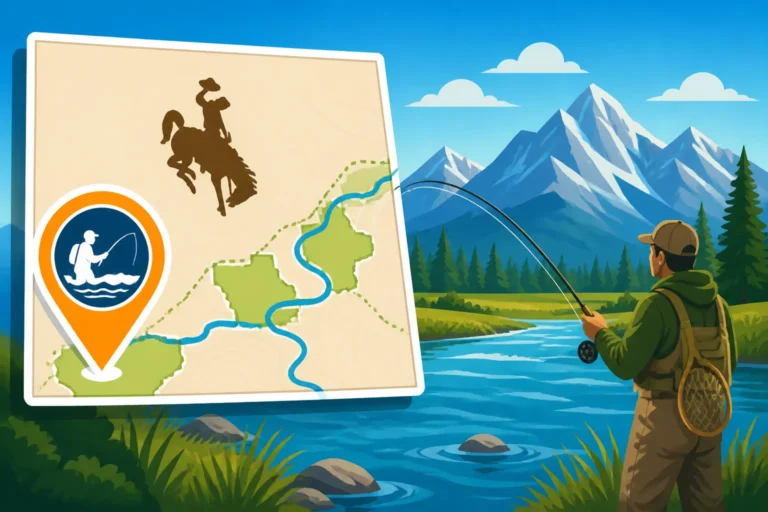
The Bridger-Teton National Forest manages several designated public access points along the Hoback. These are often marked with signs and sometimes include small parking areas or pull-offs. A fantastic resource for identifying these spots is the Motor Vehicle Use Map (MVUM) provided by the National Forest Service, which clearly delineates public roads and access points. You can usually find these maps online or at local ranger stations.
One of the most popular and easily accessible areas is around the Hoback Canyon Trailhead and various dispersed camping sites along the highway. Look for pull-offs with established trails leading down to the river. These spots often give you access to longer stretches of river, allowing you to walk up or downstream to find less pressured water. Another excellent option is near the confluence with Dell Creek, where a bridge crosses the Hoback. Just beyond the bridge, there are public lands that allow for good access. It's often a good idea to scout these areas on Google Maps satellite view beforehand to get a sense of the terrain and potential paths.
Bridge Crossings and Roadside Pull-offs
Throughout Hoback Canyon, several bridges span the river, and these often serve as convenient, if sometimes crowded, access points. While parking directly on a bridge is a no-go, there are usually pull-offs nearby. Just make sure you're not blocking any private driveways or gates. When you're looking for roadside pull-offs, remember that not every spot next to the river is public. Always look for signs indicating public access, or consult your MVUM. Many anglers also use apps like onX Hunt, which clearly shows public and private land boundaries right on your phone, making it an invaluable tool for fishing in Wyoming.
Remember that while these spots are accessible, they can also see a fair amount of fishing pressure, especially during peak season. Don't be afraid to walk a bit further from the parking area to find quieter water. Sometimes, just a quarter-mile hike can make all the difference. For those wondering about the regulations, a quick check of the Wyoming Fishing Regulations Every Angler Should Know will always clarify any species-specific or gear restrictions for this particular drainage.
Table of Common Hoback River Access Points
Here's a quick reference table for some general access areas along the Hoback, moving from west to east:
| Access Point Name/Area | General Location (Relative to US-189/191) | Key Features / Notes |
|---|---|---|
| Hoback Canyon Trailhead | West end of Hoback Canyon | Marked trailhead, offers parking. Access to public lands for hiking and fishing. |
| Dell Creek Confluence | Mid-canyon, near bridge | Public land access near the bridge crossing. Can be popular. |
| Lower Hoback River | Near Hoback Junction | Public access points along the lower river, where it flows towards the Snake. Pay close attention to private land. |
| Tuckerman Campground Area | Upper Hoback Canyon | Dispersed camping areas often provide direct river access. Look for established pull-offs. |
| Forellen Pond / Fall Creek | East of Hoback Canyon, off Highway 189/191 | While not directly on the main Hoback, this nearby area offers additional fishing opportunities and can serve as a base. |
| Various Forest Service Pull-offs | Throughout the canyon | Many unmarked pull-offs on public land. Look for paths leading to the river. Use MVUM for confirmation. |
This table provides a starting point, but always verify current conditions and specific access details before your trip. For broader planning, check out a guide like Best Places to Fish in Wyoming to understand how the Hoback fits into the larger fishing landscape of the state.
Maximizing Your Hoback Fishing Experience
Beyond just finding a place to park and walk to the river, there are several things you can do to make your Hoback River fishing trip more enjoyable and successful. It’s all about preparation, awareness, and having the right approach.
Gear and Technique Considerations
The Hoback River is primarily a trout fishery, and its size and character lend themselves well to both fly fishing and spin fishing. For fly anglers, a 4- or 5-weight rod is typically ideal, rigged with a weight-forward floating line. You'll want a selection of flies that imitate local insects, such as caddis, mayflies, and stoneflies, along with some attractor patterns and streamers. Nymphing can be particularly effective during higher flows or when fish are holding deep. For spin anglers, light to ultra-light tackle with 4-6 lb test line is appropriate. Small spinners (Mepps, Panther Martin) or spoons are great choices, as are small crankbaits or soft plastics mimicking worms or minnows. Knowing How to Read Water When Trout Fishing is absolutely paramount here, as finding the subtle seams, eddies, and deeper pockets can make or break your day.
When considering what to bring, think about mobility. Since walking and wading are often required to find the best spots, pack light. A good backpack with water, snacks, a first-aid kit, and rain gear is essential. Remember to check the weather forecast, as conditions in the mountains can change rapidly. If you're coming from out of state, ensure you understand the Wyoming Resident vs Nonresident License Rules and have your license and a Conservation Stamp in hand.
Considering a Guided Trip
If the idea of navigating public/private boundaries, reading complex water, and figuring out the right flies or lures feels daunting, especially for a first-time visit, consider hiring a local guide. Guides have intimate knowledge of the river, including prime access points, current conditions, and effective techniques. They can provide all the necessary gear and, more importantly, teach you valuable skills. Companies like FishingBooker can connect you with experienced local guides who specialize in the Hoback River and the surrounding Jackson Hole area. A guided trip can transform a potentially frustrating day into a highly successful and educational experience. It’s an investment in learning the river and local nuances.
Even if you prefer to fish on your own, consulting with a local fly shop in Jackson or Pinedale is a great idea. They can provide up-to-the-minute information on river conditions, hatches, and where fish are biting. Many shops also offer maps and can point out specific public access areas.
Responsible Angling and Conservation
The Hoback River is home to a robust population of Cutthroat Trout Fishing in Wyoming, a native species that requires careful handling. Practice catch-and-release with care, especially for larger fish. Use barbless hooks, minimize handling time, and keep fish in the water as much as possible. A quick photo is fine, but getting the fish back into the current quickly is vital for its survival. Learn How to Handle a Trout to Keep It Alive After Release to do your part in preserving this precious fishery.
Additionally, always pack out everything you pack in, and perhaps even pick up any litter you find. Leave no trace, so future generations can enjoy the Hoback just as much as you do. Be mindful of wildlife; this is grizzly country, so carrying bear spray and knowing how to use it is a wise precaution. The health of the river relies on all of us being good stewards of the land and water. If you want to dive deeper into the specific rules, Reading the Wyoming Fishing Regulations Booklet is a crucial step for any responsible angler.
Further Resources for Hoback River Information
To truly master fishing the Hoback, you’ll want to continuously seek out current information. River conditions, regulations, and even access points can change.
Online and Local Resources
The Wyoming Game and Fish Department (WGFD) website is your absolute best friend for official information. They provide updated regulations, streamflow data, and sometimes even advisories or news releases about specific water bodies. When planning, always consult the WGFD for the most current information on licenses, regulations, and any emergency closures. You can find detailed information on Where to Find Current Wyoming Fishing Regulations on their official site.
Local fly shops in towns like Jackson, Pinedale, or even closer to the Hoback Canyon itself, are invaluable. Staff are usually anglers themselves and are eager to share their knowledge. Websites for outfitters in the region, like those found through FishingBooker, often provide river reports and guide availability. Forums and online fishing communities can also offer anecdotal advice and tips, though always cross-reference with official sources.
Maps and Navigation Tools
Beyond the Forest Service MVUMs, investing in good topographical maps of the area can be incredibly helpful. USGS quadrangles or maps from companies like Benchmark provide detailed terrain information, showing public land boundaries, roads, and trails. As mentioned, apps like onX Hunt are fantastic for real-time navigation and land ownership identification on your smartphone. Just make sure you download maps for offline use, as cell service can be spotty in the more remote sections of Hoback Canyon. These tools, combined with careful observation on the ground, will empower you to explore and discover new fishing opportunities responsibly. If you're making this part of a larger trip, considering other Fishing Spots Near Jackson, Wyoming might round out your adventure.
Disclaimer
The information provided in this guide is for general informational purposes only and is subject to change. Always consult the official Wyoming Game and Fish Department regulations, maps, and local authorities for the most current and accurate information before planning any fishing trip. Fishing conditions, access, and regulations can vary significantly. Be aware of private property boundaries and respect all posted signs. Engage in safe and responsible outdoor recreation.