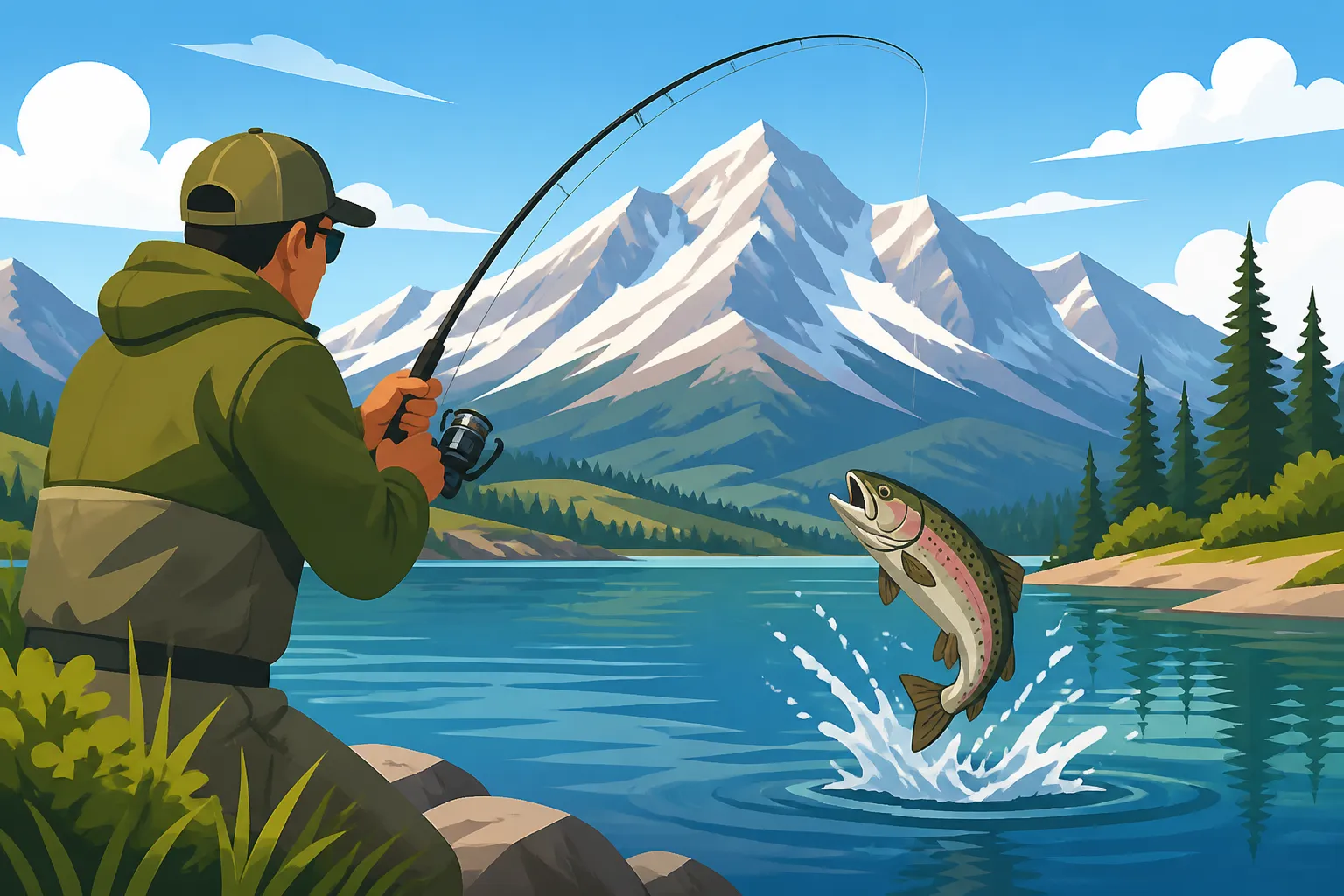
Fishing Half Moon Lake Near Pinedale
If you're anything like me, you dream of casting a line into Wyoming's pristine waters, but perhaps the thought of a grueling backcountry hike to a high-alpine lake isn't quite what you had in mind for every outing. Sometimes, you just want an accessible, beautiful spot close to civilization where the fishing is still fantastic. This guide will walk you through everything you need to know about fishing Half Moon Lake near Pinedale, offering insights into its unique charm, the abundant fish species it holds, and the best techniques to make your trip a success.
Discovering the Charm of Half Moon Lake
Half Moon Lake is a true gem nestled in the western part of Wyoming, just a stone's throw from the welcoming town of Pinedale. It offers that quintessential mountain lake experience without the need for a multi-day expedition. This makes it a perfect destination for families, casual anglers, or anyone looking for a more relaxed fishing adventure with stunning views. It's truly one of those places that captures your heart the moment you lay eyes on it, with the rugged Wind River Mountains as a dramatic backdrop.
Location and Accessibility
Getting to Half Moon Lake is refreshingly straightforward. From Pinedale, you simply head north on US-191, then turn east onto State Highway 352, also known as the Fremont Lake Road. After a few miles, you'll take a turn onto the paved Half Moon Lake Road, which eventually becomes a well-maintained gravel road that leads directly to the lake. The road typically remains in good condition, making it accessible for most vehicles, which is a huge plus compared to some of the rougher routes to other remote lakes. You'll find a boat ramp, ample parking, and even a lodge and campground right on its shores, providing all the amenities you might need for a comfortable stay.
The ease of access is a major draw. Unlike some of the deeper, more remote lakes in the Wind River Range that require serious planning and hiking, Half Moon Lake allows you to drive right up, launch your boat, or find a cozy spot on the bank. This convenience doesn't detract from its natural beauty or the quality of fishing, which is a rare and wonderful combination. It truly is a perfect blend of wilderness feel and modern-day convenience, allowing you to spend more time fishing and less time worrying about logistics.
Lake Characteristics and Structure
Half Moon Lake is a relatively deep and expansive body of water, carved by ancient glaciers, much like its larger neighbor, Fremont Lake. It spans approximately 800 acres, offering plenty of room to explore without feeling crowded. The lake boasts depths reaching over 90 feet in some areas, providing ideal cold-water habitat for a variety of trout species. Its clear, cool waters are fed by Half Moon Creek and snowmelt, ensuring excellent water quality year-round.
The lakebed is characterized by a mix of rocky points, submerged structure, weed beds in shallower coves, and significant drop-offs. These varied features create diverse habitats for fish, from the shallow, sun-warmed areas where rainbow trout might cruise for insects, to the deep, dark abysses preferred by the elusive lake trout. Understanding these underwater contours is key to successful fishing. Maps or a good fish finder can be invaluable tools here, helping you pinpoint those crucial transitions and structure where fish are likely to congregate.
The Diverse Fish Species of Half Moon Lake
Half Moon Lake is a true angler's paradise, teeming with several popular game fish that keep both seasoned veterans and eager newcomers coming back for more. The clear, cold waters provide an ideal environment for trout, making it a prime destination for those looking to hook into some classic Wyoming species. Knowing what fish lurk beneath the surface and their preferred habits can significantly increase your chances of a successful outing.
Target Species Breakdown
The primary stars of Half Moon Lake are without a doubt the Lake Trout, often called Mackinaw, along with healthy populations of Rainbow Trout and Brown Trout. While not as common, you might also encounter Brook Trout, especially near inlets or shallower, cooler sections. Each species offers a unique challenge and experience, contributing to the lake's reputation as a diverse fishery.
- Lake Trout (Mackinaw): These deep-water dwellers are the apex predators of Half Moon Lake. They thrive in the lake's cool, oxygen-rich depths and can grow to impressive sizes, offering a powerful fight. Anglers often target these fish using specialized deep-water techniques, especially during the warmer months when they retreat to the cooler parts of the lake. Learning about Lake Trout (Mackinaw) Fishing in Wyoming is essential if you're serious about hooking one of these giants.
- Rainbow Trout: Known for their acrobatic fights and beautiful colors, rainbow trout are abundant in Half Moon Lake. They are often found cruising shallower areas, especially near drop-offs and weed lines, feeding on insects and small baitfish. Wyoming Game and Fish Department often stocks rainbow trout in lakes like Half Moon, ensuring a steady supply for anglers. If you're new to fishing in the state, understanding Rainbow Trout Fishing in Wyoming will certainly help.
- Brown Trout: These elusive and wary fish are a prized catch for many anglers due to their cunning nature and potential for trophy size. Brown trout in Half Moon Lake are typically found near structure, such as submerged rocks or fallen trees, and can be particularly aggressive during low-light conditions or cooler weather. They can put up a strong fight, making them a rewarding catch.
- Brook Trout: Though generally smaller than the other trout species, brook trout are vibrant and feisty, often found in the cooler, shallower areas, particularly near stream inlets. They are a beautiful fish and a delightful surprise catch, especially for those casting smaller lures or flies.
Best Seasons for Each Species
Understanding the seasonal movements and feeding patterns of these fish is crucial for planning your trip. Wyoming's seasons bring distinct changes to fish behavior, and Half Moon Lake is no exception.
- Spring (Ice-Out to Early June): As the ice recedes, the water temperature begins to rise, signaling a period of increased activity. Lake trout, which spent the winter in deeper waters, will move closer to the surface and shallows, making them more accessible to shore anglers and those without specialized deep-water gear. Rainbow and brown trout also become very active, feeding heavily after the long winter. This is a fantastic time for both bait fishing and casting lures or flies.
- Summer (June to August): As water temperatures climb, lake trout will retreat to the deep, cool zones of the lake. This is prime time for trolling or jigging in depths ranging from 40 to 90 feet. Rainbow and brown trout will still be active but may prefer cooler periods of the day, like early mornings or late evenings, or seek out cooler water near inlets or springs. Fly fishing can be excellent during insect hatches.
- Fall (September to November): This is often considered one of the best times to fish Half Moon Lake, particularly for brown trout and lake trout. Brown trout begin their spawning migration, moving into shallower areas and becoming more aggressive. Lake trout also become more active in shallower water as the lake cools. The changing leaves and crisp air add to the experience, making it a favorite season for many anglers.
- Winter (Ice Fishing Season): Half Moon Lake typically freezes over, offering fantastic ice fishing opportunities. Many anglers target lake trout through the ice, jigging spoons or dead bait near the bottom. Rainbow and brook trout can also be caught, often suspending higher in the water column or near structures. If you're new to the sport, our guide on Ice Fishing in Wyoming: A Complete Guide is a must-read.
Top Techniques for Half Moon Lake Anglers
Fishing Half Moon Lake, like any body of water, benefits greatly from understanding the most effective techniques for the resident species and the specific conditions you'll encounter. Whether you're a seasoned pro with all the gear or a beginner looking for a straightforward approach, there are methods that will put you on fish. Remember, patience and adaptability are your best friends out on the water.
Trolling for Lake Trout
When targeting the larger, deeper-dwelling lake trout in Half Moon Lake, trolling is often the most productive method, especially outside of the ice fishing season. These fish spend much of their time in the cooler, darker depths, making it challenging to reach them with standard casting gear.
To effectively troll, you'll need a boat, a stout rod and reel combo, and some specific gear to get your lures down to where the lakers are hiding. Downriggers are incredibly effective for precise depth control, allowing you to present your lure at exactly the level the fish are holding. Without downriggers, you can use heavy lead core line or snap weights. Common lures include large spoons (like Daredevils or Kamloops) in silver, blue, or chartreuse, or deep-diving crankbaits. The key is to vary your speed and depth until you find what triggers a bite. Trolling speeds typically range from 1.5 to 3 miles per hour, but sometimes a slower, more erratic retrieve can entice a strike. Our Trolling Techniques for Wyoming Reservoirs guide offers more in-depth tips.
Shore Fishing and Boat Fishing for Trout
For rainbow and brown trout, both shore fishing and boat fishing can be highly successful, depending on the season and time of day. Half Moon Lake has accessible shoreline, especially near the lodge and campground, offering great opportunities for those without a boat.
- Shore Fishing: When fishing from shore, light to medium spinning tackle is usually sufficient. Popular baits include powerbait, worms, or corn, fished on a simple Carolina rig or under a bobber. For lures, small spinners (like Mepps or Panther Martins) or casting spoons can be very effective, especially during dawn and dusk. Focus your efforts around points, drop-offs visible from shore, or any areas with submerged structure. Don't be afraid to move around and cover different sections of the shoreline until you find where the fish are active.
- Boat Fishing: Having a boat opens up many more possibilities, allowing you to access prime spots that are unreachable from shore. You can drift over submerged humps, fish the edges of weed beds, or target inlets and outlets. Fly fishing from a boat or float tube can be particularly rewarding, especially during insect hatches. Streamers and nymphs are excellent choices, while dry flies can be exhilarating when fish are rising. Spin anglers can use a wider array of lures, including jigs, crankbaits, and larger spoons, targeting different depths and structures. For a comprehensive overview, consider researching Fly Fishing Techniques for Wyoming Trout Streams or Spin Fishing Techniques for Beginners, as many of those principles apply to lake fishing as well.
Ice Fishing Opportunities
When winter blankets Half Moon Lake in a thick layer of ice, a whole new world of fishing opens up. Ice fishing is a popular pastime here, offering a unique chance to target all the lake's species, including large lake trout, in a different way.
You'll need essential ice fishing gear: an ice auger to drill holes, an ice scoop to clear slush, and insulated clothing to stay warm. A portable shelter can make your experience much more comfortable on windy or very cold days. For bait, small jigs tipped with mealworms, wax worms, or cut bait are excellent for rainbow and brook trout. For lake trout, a heavier spoon or jig, often tipped with a piece of cut bait or a whole dead minnow (where legal), fished close to the bottom in deeper water, is the go-to. A fish finder (flasher or sonar) is invaluable for locating fish and understanding the depth and structure beneath the ice. Be sure to check ice thickness and local conditions before heading out, and always prioritize safety. Our guide on What Fish You Can Catch Ice Fishing in Wyoming has more details.
| Fish Species | Preferred Depth (Open Water) | Best Season | Common Lures/Baits | Notes |
|---|---|---|---|---|
| Lake Trout | 40-90+ feet | Summer/Fall | Large Spoons, Deep-Diving Crankbaits, Tube Jigs | Troll or jig in deep, cool water. |
| Rainbow Trout | 10-30 feet | Spring/Fall | Spinners, Powerbait, Worms, Small Spoons | Active near shore, drop-offs, weed lines. |
| Brown Trout | 15-45 feet | Spring/Fall | Spinners, Jerkbaits, Worms, Streamers | Near structure, aggressive in low light. |
| Brook Trout | 5-20 feet | Spring/Fall | Small Spinners, Worms, Small Jigs | Near inlets, shallower, cooler areas. |
Planning Your Half Moon Lake Fishing Trip
A successful and enjoyable fishing trip to Half Moon Lake, or anywhere in Wyoming for that matter, goes beyond just knowing where to cast. It involves thoughtful planning, understanding local nuances, and ensuring you're prepared for the rugged, yet beautiful, Wyoming environment. Let's make sure you've got all your ducks in a row for an unforgettable experience.
Essential Gear and Supplies
Being well-equipped is key to comfort and success. While the specific gear might vary based on the species you're targeting and your chosen technique, some items are universally important for Half Moon Lake:
- Fishing Tackle: For spinning gear, a medium-light to medium action rod, 6-7 feet long, paired with a reliable spinning reel spooled with 6-10 lb test line will cover most trout fishing. If you're specifically targeting large lake trout, a heavier rod and reel with 15-20 lb line is advisable. For fly fishing, a 5 or 6-weight rod is versatile enough for the rainbows and browns, while a heavier 7 or 8-weight might be better for streamers and potential lake trout. Don't forget a variety of lures, baits, and flies suitable for the species you intend to pursue.
- Layered Clothing: Wyoming weather can be famously unpredictable, even in summer. Always pack layers that you can easily add or remove. This includes moisture-wicking base layers, a warm fleece or down jacket, and a waterproof/windproof outer shell. A good hat and gloves are also vital, especially during cooler mornings or evenings.
- Safety Gear: A first-aid kit is non-negotiable. If you're boating, ensure you have proper PFDs (personal flotation devices) for everyone onboard, a whistle, and a throw cushion. A satellite communication device can be a lifesaver if you venture into areas with no cell service, which is common in many parts of Wyoming. Bear spray is also a wise precaution when hiking or fishing in bear country, even if you're not deep in the wilderness.
- Food and Water: Pack plenty of snacks, a hearty lunch, and more water than you think you'll need. Staying hydrated and fueled will keep your energy up throughout the day.
- Sun Protection: The Wyoming sun, especially at higher elevations, is intense. Bring high-SPF sunscreen, polarized sunglasses, and a wide-brimmed hat to protect yourself from harmful UV rays.
Local Resources and Guides
Even the most experienced anglers can benefit from local knowledge, especially when fishing a new body of water. Pinedale boasts several excellent local tackle shops where you can get up-to-the-minute reports on what's biting, current water conditions, and the best flies or lures to use. These shops are goldmines of information and often stock local favorites you won't find just anywhere.
If you're looking to maximize your chances of success, or simply want to learn the ropes from an expert, consider hiring a local guide. Guides not only know the lake intimately but can also provide all the necessary gear and teach you specialized techniques. Websites like FishingBooker can be an excellent resource for finding and booking reputable guides in the Pinedale area, ensuring you connect with a professional who can tailor a trip to your experience level and target species. Whether you're interested in a full-day lake trout troll or a wade-fishing session for rainbows, a guide can make a huge difference. You can also explore options for Hiring a Fishing Guide in Wyoming to learn more about the benefits.
Regulations and Licenses
Before you even think about casting a line, ensure you are fully compliant with Wyoming's fishing regulations. Every angler 14 years or older needs a valid Wyoming fishing license. If you're visiting from out of state, you'll need a nonresident license. The state offers various options, including annual, daily, and 5-day licenses, to suit different trip durations. Don't forget that a Wyoming Conservation Stamp is also required for most annual and multi-day licenses.
Regulations can vary by specific water, so it's always critical to consult the most current Wyoming Fishing Regulations booklet, available online through the Wyoming Game and Fish Department website or at license vendors. This booklet details bag and possession limits, bait restrictions, and any water-specific closures or special rules. For example, some areas might have barbless hook requirements or specific slot limits. Being informed prevents accidental violations and ensures a responsible fishing experience. You can find more information about Wyoming Fishing Regulations Every Angler Should Know and Wyoming Fishing License Guide for Nonresidents to ensure you're fully prepared.
Disclaimer
Please be aware that fishing conditions, regulations, and access points can change. Always consult the latest official Wyoming Game and Fish Department regulations before heading out on your fishing trip. The information provided here is for general guidance and educational purposes only.