How to Identify Every Trout Species Found in Wyoming
Wyoming trout identification methods help anglers distinguish native cutthroat subspecies and hybrids from introduced river fish.
Know what’s on the line.
Gamefish and panfish profiles — identification, behavior, feeding habits, and species-specific strategies for every catch.
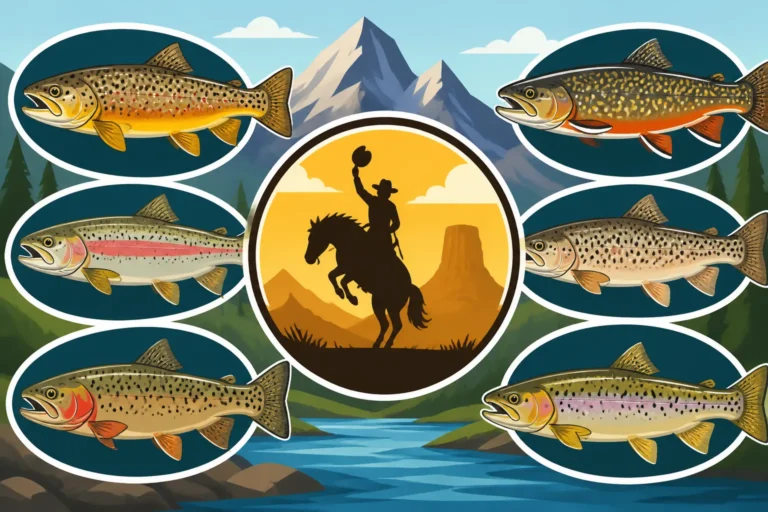
Wyoming trout identification methods help anglers distinguish native cutthroat subspecies and hybrids from introduced river fish.
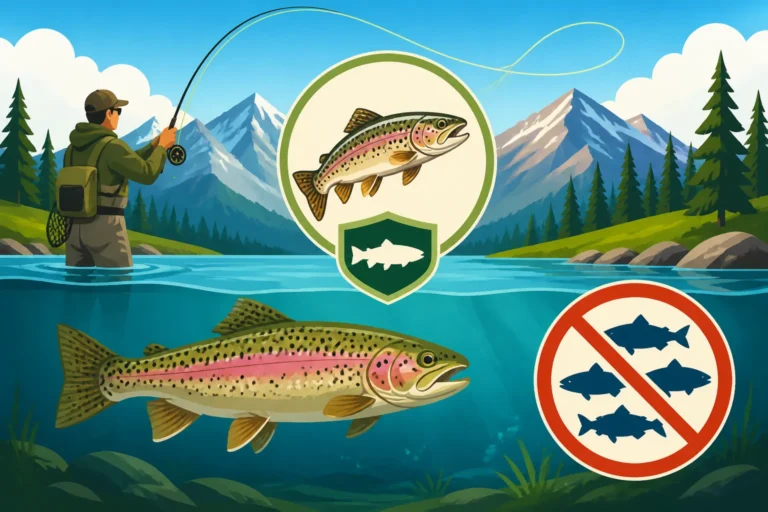
Wyoming trout-only lake regulations protect native Yellowstone cutthroat trout populations, maintain genetic purity, and preserve fragile aquatic ecosystems.
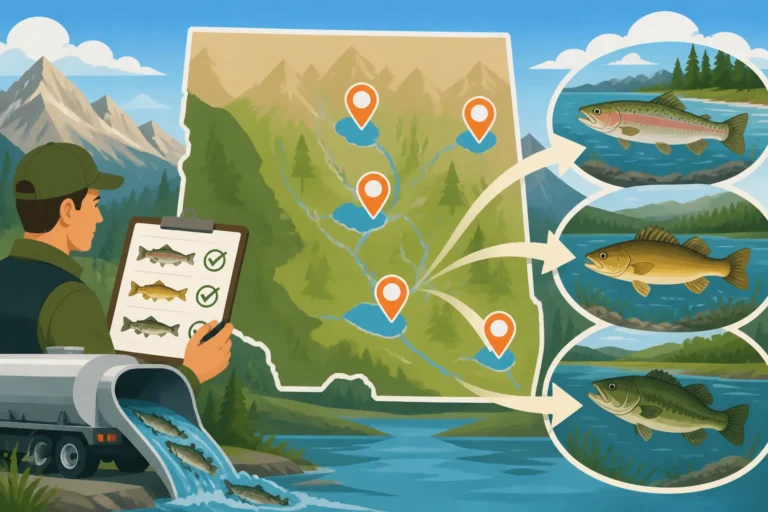
Wyoming fish stocking decisions balance native species conservation, ecological health, and angler demand across various waters.

Biological differences between salmon and trout include family classification, scientific genera, and freshwater or migratory life cycles.
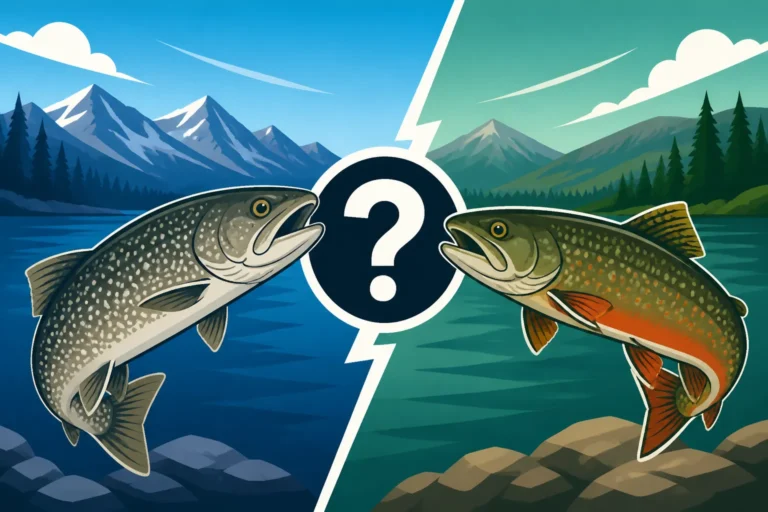
Biological classification separates true trout and char species by examining specific physical traits, scales, and scientific genera.
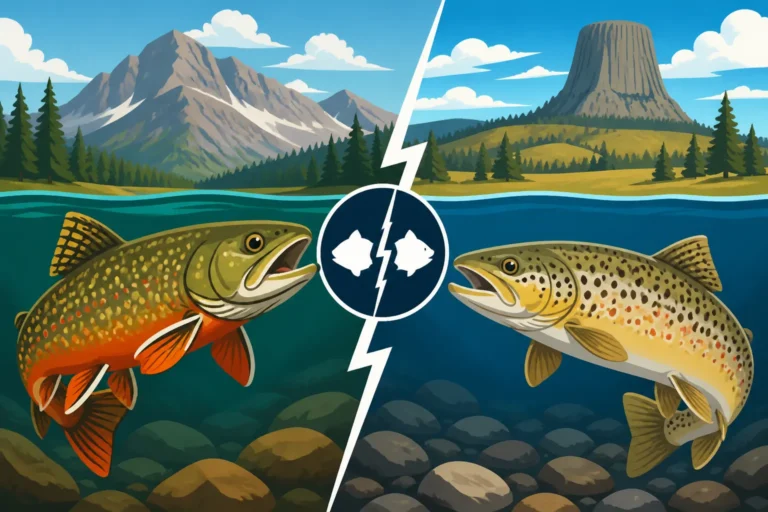
True trout and char in Wyoming belong to the Salmonidae family, featuring distinct scientific genera and different light or dark body spots.
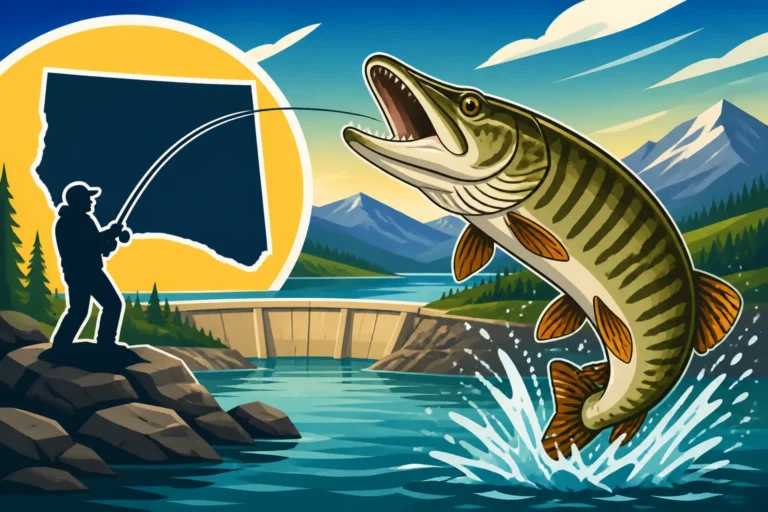
Viva Naughton Reservoir is the premier Wyoming location where anglers can target tiger muskie and experience a legendary freshwater battle.
Wyoming tiger muskie stocking details reveal why game and fish agencies place these sterile hatchery hybrids in state waters.
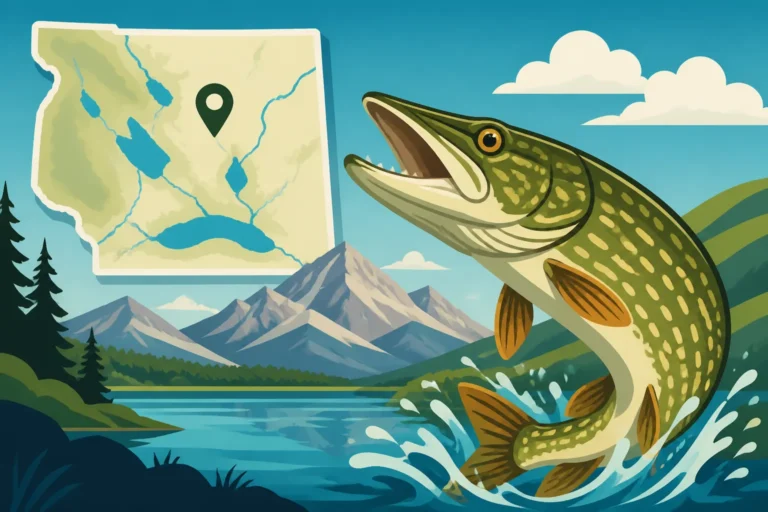
Northern Pike fishing locations in Wyoming include Keyhole Reservoir near Moorcroft, offering anglers shallow bays and weed growth.
Northern pike distribution in Wyoming, explaining habitat limits, conservation goals, and illegal stocking affecting local fisheries.