Fishing Keyhole Reservoir in Northeast Wyoming
Wyoming is famous for its blue-ribbon trout streams and high-mountain lakes, luring anglers from all corners of the globe. But what if you're looking for something a little different, a break from the usual trout chase, or a fantastic spot for warmwater species in the northeastern part of the state? Keyhole Reservoir is often overlooked, but it's a true hidden gem, offering diverse fishing opportunities that can be incredibly rewarding if you know where to look and what to target. This guide will walk you through everything you need to know to make your Keyhole Reservoir fishing trip a success.
Why Keyhole Reservoir is a Northeast Wyoming Gem
Nestled in the plains of northeastern Wyoming, Keyhole Reservoir offers a refreshing contrast to the state's more famous coldwater fisheries. It's an expansive, man-made lake on the Belle Fourche River, known for its fantastic warmwater species and surprisingly diverse fishing opportunities. If you've ever felt a bit of frustration trying to dial in finicky trout, Keyhole offers a chance to switch gears and chase some aggressive predators and tasty panfish.
A Unique Warmwater Fishery in Trout Country
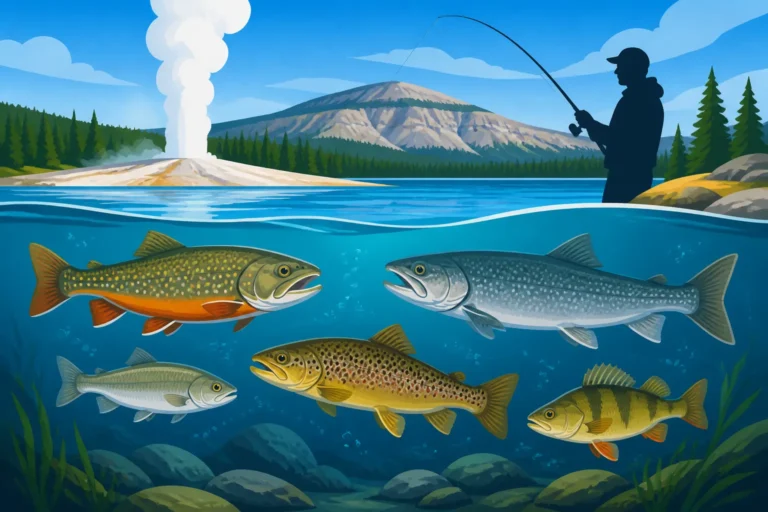
What makes Keyhole truly stand out is its impressive variety of warmwater species thriving in a state often synonymous with trout. While you can find a few trout here, the real draw is the robust populations of walleye, crappie, northern pike, smallmouth bass, and channel catfish. This diversity means you can literally spend a day targeting several different species, switching techniques as your mood or the conditions dictate.
Imagine landing a chunky walleye, then switching gears to catch a stringer of slab crappie, followed by a surprise attack from a toothy northern pike – all in the same day! It's a stark contrast to the often single-minded pursuit of trout on a river. For families, this variety is a huge bonus, as it increases the chances of everyone catching something, which keeps the excitement levels high. Keyhole's structure, with its many coves, submerged timber, and rocky points, provides ideal habitat for these species, allowing them to flourish and grow to impressive sizes. It’s truly one of Wyoming's Warmwater Fish Species hotspots.
Accessibility and Amenities for Anglers
One of the great things about Keyhole Reservoir, especially for those venturing off the beaten path, is its fantastic accessibility and the amenities available. Located within Keyhole State Park, near the town of Moorcroft, it’s easily reached from Interstate 90. You won't be struggling down miles of rough dirt roads to get to your fishing spot here. The park boasts multiple boat ramps, including facilities like the Marina Boat Ramp and Tatanka Boat Ramp, making it incredibly convenient for launching everything from small jon boats to larger fishing vessels.
Beyond just access to the water, Keyhole State Park offers excellent camping facilities with both developed campgrounds and primitive sites, many with stunning views of the reservoir and the distant Black Hills. This means you can wake up, brew a cup of coffee, and be on the water in minutes, maximizing your fishing time. There are even a few cabins available for rent if you prefer a solid roof over your head. Bait, tackle, and supplies can often be found at the marina or in nearby Moorcroft, so you don’t have to haul everything from home. This combination of easy access and comfortable amenities makes Keyhole an ideal destination for both serious anglers and families looking for a relaxing fishing getaway.
Understanding Keyhole's Primary Game Fish
Keyhole Reservoir is a veritable buffet for anglers who appreciate warmwater species. Each fish offers a unique challenge and requires different tactics, making every trip an engaging puzzle to solve. Knowing what you're up against is the first step to a successful day on the water.
Targeting Walleye and Crappie
Walleye are perhaps the most sought-after species at Keyhole, renowned for their delicious fillets and often finicky nature. They thrive in the reservoir’s turbid waters and rocky structures. The best time to target walleye is often during the spring spawn when they move to shallower, rocky areas, and again in the fall as they aggressively feed before winter. During the summer, they tend to move deeper, preferring the cooler, oxygenated water around submerged humps and old creek channels.
For walleye, common tactics include jigging with live bait like leeches or nightcrawlers, trolling crankbaits along drop-offs, or casting swimbaits to structure. Early mornings and late evenings, or even night fishing, are often the most productive times. If you've ever tried Jigging for Walleye at Boysen Reservoir, many of those same principles will apply here. As for crappie, Keyhole is known for producing some truly impressive "slab" crappie, especially in the spring. Look for them concentrated around submerged timber, brush piles, and sheltered coves. They love structure and can often be found in large schools. Small jigs tipped with minnows or soft plastics are incredibly effective, as are tiny crankbaits or spoons fished slowly. Springtime is prime for crappie, as they move shallow to spawn, making them accessible to both boat and bank anglers.
Battling Northern Pike and Smallmouth Bass
If you're looking for an aggressive fight and some toothy thrills, Keyhole's northern pike are ready and waiting. These apex predators are opportunistic feeders and can grow to respectable sizes in the reservoir. Pike are ambush predators, often found lurking in weed beds, around submerged timber, or along sharp drop-offs where they can dart out to intercept unsuspecting prey. Large spoons, spinnerbaits, crankbaits, and even big topwater lures can elicit violent strikes from these powerful fish. Be sure to use a steel leader or heavy fluorocarbon leader to prevent them from biting through your line! While they can be caught year-round, spring and fall often offer the most consistent action as they become more active in cooler waters.
Smallmouth bass, another feisty fighter, are abundant around Keyhole's rocky points, riprap shorelines, and areas with scattered boulders. They are known for their strong runs and acrobatic jumps once hooked. Smallmouth are particularly active during warmer months, responding well to a variety of lures. Plastic tubes, grubs, spinnerbaits, and small crankbaits fished around their preferred rocky habitats can be incredibly effective. Look for areas with current or wave action, as smallmouth often congregate where baitfish are swept past. These fish provide an exhilarating battle, making them a favorite target for many anglers at Keyhole.
Catfish and Other Species
Beyond the headliners, Keyhole Reservoir also offers excellent opportunities for channel catfish, especially for those who enjoy a more relaxed style of fishing. Catfish are bottom dwellers, and they'll eat just about anything, making them a fantastic target for beginners or those simply looking to put some meat in the cooler. Preferred baits include cut bait, chicken livers, stink baits, and even hot dogs fished on the bottom with a simple weight and hook rig. They are most active during the warmer months, particularly at night, and can be found in deeper holes or along creek channels.
Keyhole also has populations of yellow perch, which can provide fun action for kids and make for excellent table fare. Small jigs tipped with a piece of worm or minnow fished near structure can produce a good stringer of perch. Occasionally, anglers might even encounter a tiger muskie, though they are less common. These powerful hybrids are a challenging catch for any angler. Understanding Wyoming's Combined Possession Limit Explained will be crucial here, as it dictates how many fish of each species you can keep across all waters.
Essential Techniques and Gear for Keyhole Success
To truly unlock Keyhole Reservoir's potential, you need to arm yourself with the right knowledge and gear. This isn't a one-size-fits-all fishery, and adapting your approach to the species and conditions will significantly improve your catch rates.
Best Baits, Lures, and Rigs
Choosing the right presentation is paramount at Keyhole. For walleye, a classic jig-and-minnow or jig-and-nightcrawler combination is hard to beat, especially when vertically jigging along contours. Blade baits, lipless crankbaits, and diving crankbaits in shad or perch patterns are also excellent for trolling or casting. When it comes to crappie, small tube jigs, grub jigs, or tiny marabou jigs, usually 1/32 to 1/16 ounce, are deadly. Tipping them with a small minnow often seals the deal. A bobber rig can also be effective when crappie are suspended in cover.
Northern pike respond well to aggressive presentations. Large spoons (like Daredevils or Johnson Silver Minnows), spinnerbaits with big blades, and substantial crankbaits or jerkbaits are all good choices. Bright, flashy colors often work best. For smallmouth bass, a variety of soft plastics like tubes, senkos, or crawfish imitations rigged Texas or Carolina style can be incredibly productive. Small crankbaits, topwater poppers, and spinnerbaits are also excellent. Catfish are less discerning, but fresh cut bait (shad or sunfish), chicken livers, or commercial stink baits fished on a circle hook with a heavy sinker are reliable. Ensure you have a good selection of line weights; a medium-light rod with 6-8 lb test for crappie, a medium rod with 8-12 lb for walleye and bass, and a medium-heavy rod with 15-20 lb test (plus a steel leader) for pike will cover most situations.
Seasonal Strategies for Productive Days
Keyhole fishes differently throughout the year, and understanding these seasonal shifts is crucial.
- Spring (Ice-out to early June): This is prime time for many species. Walleye move shallow to spawn, making them accessible to shore anglers and boaters alike. Crappie also school up and move into shallow, protected coves with submerged brush. Pike are very active after ice-out, regaining energy. Smallmouth bass start to become more active as water temperatures rise. Focus on shallower water (5-15 feet) and areas protected from wind.
- Summer (June to August): As water temperatures climb, many fish move deeper to cooler, oxygenated water. Walleye will often be found on humps, points, and old creek channels in 15-30+ feet of water, often requiring Trolling Techniques for Wyoming Reservoirs. Smallmouth will relate to rocky points and deeper breaks. Pike might still be found in remaining weed beds or transition to deeper structure. Catfish activity peaks during the warm summer nights. Early mornings and late evenings are typically the most productive times.
- Fall (September to November): This is another fantastic time to fish Keyhole. As water temperatures drop, fish become very active and feed aggressively in preparation for winter. Walleye move shallower again, often feeding heavily on baitfish. Crappie school up and can be found suspended or around deeper structure. Pike are also incredibly active, chasing down lures with gusto. This can be the best time to target a trophy-sized fish.
- Winter (December to March): Keyhole freezes over and offers excellent Ice Fishing in Wyoming: A Complete Guide opportunities. Walleye, crappie, perch, and pike can all be caught through the ice. Jigging spoons, minnows, and small soft plastics are popular tactics. Ice shacks and portable heaters are a must for comfort in Wyoming's cold winters. Always prioritize safety and check ice thickness before venturing out.
Reading the Water and Structure
Effective fishing, especially in a large reservoir like Keyhole, hinges on your ability to "read the water" and identify productive structure. Submerged timber is a huge draw for crappie and often holds smaller bass and pike. Rock piles, humps, and points are walleye magnets, especially where they drop off into deeper water. Using a good fish finder (sonar) becomes indispensable here, allowing you to locate these underwater features and mark fish.
Pay close attention to changes in bottom composition. A transition from soft mud to hard rock can be a key holding area. Also, consider the wind. On windy days, one side of the reservoir might have stained water and active fish, while the other side is calm and clear, with fish hunkered down. Learning how to interpret your electronics and visually assess the water will greatly increase your success. Understanding the nuances of "Reading the Water When Trout Fishing" also applies here, just adapted to warmwater species and larger bodies of water.
Navigating Regulations and Planning Your Trip
No matter how good your gear or techniques are, understanding the rules and planning your logistics are critical for a legal and enjoyable fishing trip. Wyoming's regulations are designed to protect its fisheries, and ignorance is no excuse for a violation.
Keyhole-Specific Regulations and State Rules
While Keyhole Reservoir is generally managed under statewide regulations, it's absolutely vital to always check the most current Wyoming Fishing Regulations Every Angler Should Know. The Wyoming Game and Fish Department (WGFD) updates its regulations annually, and sometimes even makes in-season emergency changes, so what was true last year might not be this year. You can typically find a printed copy of the regulations booklet at local tackle shops, WGFD offices, or easily access them online.
Pay close attention to bag and possession limits for each species. For instance, How Bag and Possession Limits Work in Wyoming can vary by species and even by water body. Keyhole might have specific rules for walleye or crappie that differ from other reservoirs. Also, be aware of bait restrictions. While live minnows are generally legal in many Wyoming reservoirs, specific areas might have restrictions, especially concerning certain species or sizes. You'll also need a valid Wyoming fishing license, which you can purchase online, at WGFD offices, or from authorized vendors like Walmart or local sporting goods stores. Make sure you understand the difference between resident and nonresident licenses and the associated costs.
Boat Access, Camping, and Local Services
Keyhole State Park offers several boat ramps, as mentioned, making launching quite easy. The Tatanka Boat Ramp, in particular, is a popular choice for larger boats. Ensure your boat is properly registered and equipped with all necessary safety gear, including life jackets for everyone on board.
For those planning to camp, Keyhole State Park provides numerous options, from basic tent sites to RV sites with hookups. Reservations are highly recommended, especially during peak season (Memorial Day to Labor Day). Moorcroft, a small town about 8 miles away, offers basic services like gas, groceries, and a few dining options. For more extensive supplies, Sundance is about a 20-minute drive, and Gillette is about an hour away with a wider range of stores. If you're looking to hire a guide to help you unlock Keyhole's secrets, especially for species like walleye or pike, platforms like FishingBooker can connect you with experienced local guides who know the reservoir intimately. Hiring a Fishing Guide in Wyoming can be a game-changer for a productive trip, especially if you're unfamiliar with the water. These local experts often know the current patterns and best spots.
Respecting the Environment and Fellow Anglers
Fishing in Wyoming comes with a responsibility to protect its natural resources. The "Leave No Trace" principles are paramount: pack out everything you pack in, and dispose of waste properly. Preventing the spread of aquatic invasive species (AIS) is also critical. Wyoming has a mandatory boat inspection program for all watercraft entering the state or crossing specific checkpoints. These inspections are vital to protect waters like Keyhole from devastating invasives like zebra or quagga mussels. You can find more information on these regulations on the WGFD website or directly at inspection stations.
Beyond environmental considerations, practicing good angling etiquette ensures a pleasant experience for everyone. Give other anglers plenty of space, especially those fishing from shore or smaller boats. Be mindful of noise levels, especially in campgrounds. If you're catching and releasing, do so quickly and carefully to ensure the fish's survival. Always consult Where to Find Current Wyoming Fishing Regulations for the latest information on all these topics to avoid Fines and Penalties for Common Fishing Violations.
Maximizing Your Keyhole Reservoir Experience
Making the most of your trip to Keyhole Reservoir involves not just knowing where and how to fish, but also understanding the bigger picture of when to go and what to expect from Mother Nature.
The Best Times to Visit for Different Species
Timing your visit can significantly influence your success at Keyhole. While the reservoir can be fished year-round, certain seasons offer peak opportunities for specific species.
| Species | Best Seasons | Primary Techniques |
|---|---|---|
| Walleye | Spring (spawn), Fall (pre-winter feed) | Jigging (minnows/nightcrawlers), Trolling (crankbaits), Casting (swimbaits), Ice Fishing (jigs/minnows) |
| Crappie | Spring (spawn), Early Summer, Fall | Small jigs (minnows/plastics), Bobber fishing, Light spinning gear, Ice Fishing (small jigs) |
| Northern Pike | Spring (post-spawn), Fall (aggressive feed) | Large spoons, Spinnerbaits, Crankbaits, Jerkbaits, Topwater, Ice Fishing (tip-ups with large minnows) |
| Smallmouth Bass | Summer (active), Early Fall | Soft plastics (tubes/grubs), Spinnerbaits, Small crankbaits, Topwater lures, Jerkbaits |
| Channel Catfish | Summer (warm water), Night Fishing | Bottom fishing (cut bait, chicken livers, stink baits) |
| Yellow Perch | All seasons, especially Ice Fishing | Small jigs (worms/minnows), Ice Fishing (small jigs/spoons) |
If your goal is a trophy walleye, late spring or fall can be incredibly productive. For sheer numbers and fun crappie action, early spring is usually unbeatable. Pike can be targeted year-round, but their aggressive nature in spring and fall makes those seasons particularly exciting. Remember that these are general guidelines; local conditions, weather, and specific year-to-year patterns can always influence fishing, so stay flexible!
What to Expect: Weather, Crowds, and Conditions
Wyoming weather is famously unpredictable, and Keyhole Reservoir is no exception. Be prepared for anything! Summer days can be scorching hot, with temperatures well into the 90s, while evenings can cool down significantly. Thunderstorms can roll in quickly, bringing strong winds and heavy rain. Always check the forecast before heading out and bring layers of clothing, sunscreen, and plenty of water. Wind is often a major factor at Keyhole, especially on the main lake, and can make boating challenging. It's wise to carry extra anchor rope or a robust trolling motor if you plan to fish windy points.
Crowds are generally manageable, but Keyhole can get busy during peak summer weekends, especially around holidays. If you prefer solitude, aim for weekdays or the shoulder seasons (spring and fall). Early mornings and late evenings also tend to be less crowded. Water levels can fluctuate throughout the year depending on snowpack and irrigation demands, which can affect access at some boat ramps and expose new fishing structure or hide old ones. Keeping an eye on the WGFD's reports or calling the State Park office can give you valuable insights into current conditions before your trip. For a more tailored experience that accounts for these variables, sometimes a local guide found via services like FishingBooker can provide crucial real-time insights into the best spots given current conditions.
Local Wisdom and Hidden Gems Around Keyhole
Part of the charm of fishing a place like Keyhole is exploring beyond the obvious spots. A little local knowledge, or simply the willingness to explore, can lead to some truly memorable catches.
Beyond the Main Lake: Exploring Inlets and Coves
While the main body of Keyhole Reservoir offers vast expanses for trolling and targeting deeper structure, don't overlook the many smaller inlets, creek arms, and protected coves. These areas, particularly in the spring, can be crappie and walleye hotspots as fish move shallow to spawn or feed on newly available baitfish. Areas with submerged brush, standing timber, or old fence lines can be particularly productive. Look for slower-moving water and protection from the wind.
These less-pressured areas might require a bit more navigation, sometimes through shallower water, so be mindful of your boat's draft. But the reward can be worth it – you might find schools of fish that haven't seen a lure in days. Utilizing a detailed map (paper or digital on your fish finder) to identify these nuanced features can be incredibly helpful. You might also discover smaller feeder creeks or marshy areas that warm up quickly in spring, attracting fish and providing excellent sight-fishing opportunities for species like northern pike.
Nearby Attractions and Activities
A trip to Keyhole Reservoir isn't just about fishing; it's an opportunity to explore the unique landscape and attractions of northeastern Wyoming. The reservoir sits within sight of the iconic Devil's Tower National Monument, America's first national monument, a truly awe-inspiring geological formation that's a must-see for any visitor to the area. You can combine a morning of fishing with an afternoon hike around the base of the tower or simply enjoy its majestic presence from your boat on the water.
The eastern edge of Keyhole is also close to the western flank of the Black Hills National Forest, offering further opportunities for hiking, wildlife viewing, and scenic drives. Towns like Sundance and Spearfish (just over the border in South Dakota) offer additional dining and historical sites. This blend of excellent fishing with unique natural wonders makes Keyhole a perfect destination for a multi-day family adventure, ensuring there's something for everyone, even those who aren't casting a line all day.
Disclaimer
Fishing regulations and conditions in Wyoming can change. Always consult the most current Wyoming Game and Fish Department regulations before heading out on the water. This article is intended for informational purposes only and does not constitute legal advice.