Fishing on Bureau of Land Management Land in Wyoming
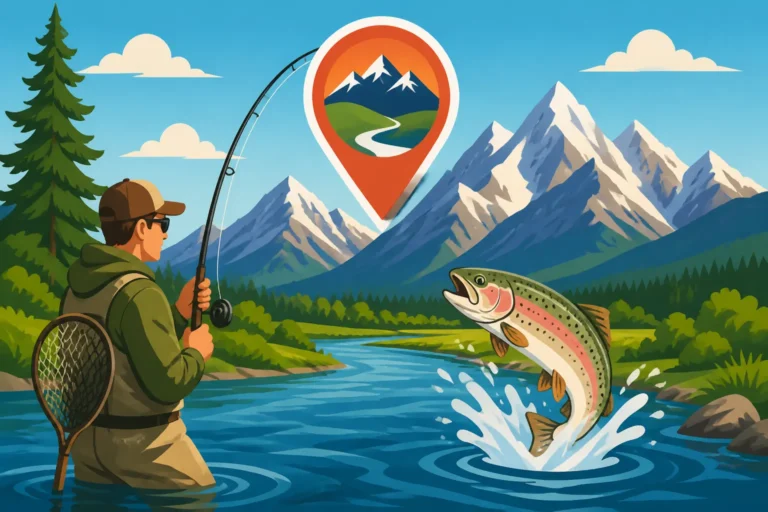
It's incredibly frustrating when you're itching to cast a line in Wyoming but feel overwhelmed trying to figure out where you can legally fish, especially with so much private land seemingly everywhere. Don't worry, you're not alone in that feeling! This comprehensive guide is here to unravel the mysteries of fishing on Bureau of Land Management (BLM) land in Wyoming, showing you how to find these accessible public treasures and what you need to know to make your trip a success.
Understanding Wyoming's Bureau of Land Management Lands
Wyoming is a vast state, and a significant portion of its breathtaking landscapes falls under public ownership. Among these, Bureau of Land Management (BLM) lands offer some incredible, often less-trafficked, opportunities for anglers. Understanding what BLM land is and how to access it is your first step to unlocking a world of fishing adventure.
What Exactly is BLM Land?
BLM land is essentially public land managed by the U.S. Department of the Interior's Bureau of Land Management. Unlike national parks, which are highly regulated and often have specific fishing zones, or national forests, which are managed for timber and recreation, BLM lands are managed for multiple uses. This means you might find oil and gas operations, grazing allotments, and recreational activities like camping, hunting, and, of course, fishing, all coexisting. Wyoming boasts millions of acres of BLM land, making it a crucial resource for public access to rivers, streams, and lakes.
These lands are characterized by their often rugged, open sagebrush plains, badlands, and sometimes dramatic canyon systems. You won't always find developed campgrounds or paved roads, which for many anglers, is part of the appeal. It offers a more wild, unrefined experience compared to some of the more manicured state parks. It’s important to remember that while it's public, it's not a free-for-all; there are still rules and guidelines to follow to ensure everyone can enjoy these precious resources responsibly.
Why BLM Land is a Gem for Anglers
For the angler seeking solitude, diverse fishing opportunities, and a true taste of Wyoming's wilderness, BLM land is an absolute treasure. Often, the fisheries on BLM lands see less pressure than those in more famous or easily accessible areas, meaning you might just find some phenomenal fishing without the crowds. From small, meandering creeks holding feisty brook trout to larger rivers that cut through stunning canyons, the variety is astounding.
Think about it: fewer people means less competition for those prime fishing holes. You might have an entire stretch of river to yourself, something that's becoming increasingly rare in popular fishing destinations. These lands often contain vital riparian habitats, supporting healthy populations of native fish species like various cutthroat trout strains. Plus, the sheer vastness offers endless exploration. You can spend days or weeks exploring different stretches of water, always finding something new.
Navigating Access: Public vs. Private Property
This is perhaps the biggest headache for anglers across Wyoming: distinguishing between public and private land, especially when they're checkerboarded together. Wyoming's land ownership mosaic can be incredibly complex, with blocks of public land sometimes completely surrounded by private property. It's not enough to simply see BLM land on a map; you need to ensure you have legal access to it. Trespassing is a serious offense, and it can quickly sour a great fishing trip and damage the reputation of all public land users.
Always be vigilant for "No Trespassing" signs, and respect them without question. Even if a fence looks old or dilapidated, it doesn't mean it's okay to cross. Many BLM areas have designated public access points, often marked with signs or clearly defined easements. Sometimes, these easements are tiny strips of land allowing passage to a much larger public parcel. Don't assume that if you can see a river on a BLM map, you can automatically walk to it. This is where good mapping tools become indispensable, which we'll dive into next.
Finding and Accessing Wyoming BLM Fishing Spots
So, you're convinced that BLM land is the place to be, but how do you actually find these hidden gems and ensure you're getting there legally? It's all about planning, using the right tools, and a healthy dose of respect for the land and landowners.
Essential Tools for Locating BLM Waters
In this day and age, a good paper map is still a critical backup, but digital mapping apps have revolutionized how anglers navigate public lands. Apps like onX Hunt, Avenza Maps (with BLM-specific layers), and even the official BLM website's interactive maps are invaluable. These tools display land ownership boundaries, clearly delineating public land from private, and often show roads, trails, and water features.
When using these apps, always download offline maps before heading out, as cell service is often non-existent in remote Wyoming areas. Cross-referencing multiple sources can also be helpful. The Wyoming Game and Fish Department (WGFD) also provides incredibly useful resources, including their Public Access Atlas, which highlights angler access points, walk-in areas, and specific river stretches that are publicly accessible. These maps are often updated, so always get the latest version. For general state-wide regulations, checking the latest edition of the Wyoming Fishing Regulations Every Angler Should Know is always a smart move before you even leave home.
How to Confirm Legal Access Points
Identifying legal access points is non-negotiable. Look for designated public access signs, often provided by the WGFD or the BLM itself. These might be along a county road that crosses into public land, or a specific fishing access site. Sometimes, there are "walk-in fishing areas" that are leased by the WGFD from private landowners, explicitly for public angling access. These are clearly marked and a fantastic resource.
Another common scenario involves public roads or easements that cross private land to reach public parcels. It's legal to use these roads, but it is not legal to step off the road onto private land unless you have permission. Pay close attention to gates; some are clearly marked "Public Access," while others are strictly private. When in doubt, err on the side of caution or find another spot. A quick call to the local BLM field office or WGFD office can clarify specific access questions for a particular area if you're planning a trip well in advance. Remember, respecting private property rights ensures that these access opportunities continue to exist.
Respecting the Land and Your Fellow Anglers
Fishing on BLM land comes with the responsibility of being an excellent steward of the environment. The "Leave No Trace" principles are your best friend here: pack out everything you pack in, and then some. This includes all trash, fishing line scraps, and even organic waste like fruit peels. Dispose of human waste properly. If you're camping, use existing sites or choose a durable surface away from water sources.
Be mindful of others, whether they are fellow anglers, hunters, or ranchers managing livestock. Close gates you open, drive only on established roads, and avoid disturbing wildlife. A little courtesy goes a long way in ensuring these lands remain open and enjoyable for everyone. It's also vital to practice proper catch and release techniques if you're not keeping fish, to ensure healthy fish populations for the future. Understanding how Bag and Possession Limits Work in Wyoming is essential before you even start fishing.
Popular Fish Species and Fishing Techniques on BLM Waters
Wyoming's BLM lands offer a vast array of fishing environments, from high mountain streams to sprawling desert reservoirs, each holding unique opportunities for different species and techniques.
Targeting Trout on BLM Streams and Rivers
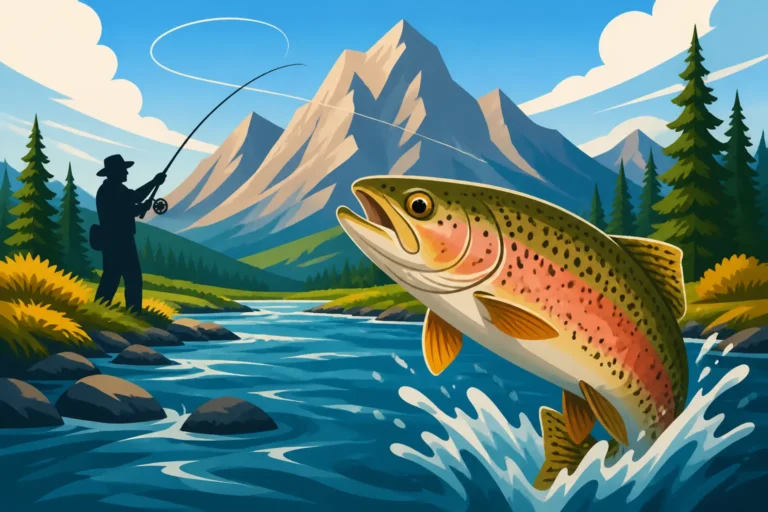
Many of Wyoming's most scenic rivers and streams, or significant portions of them, flow through BLM land. These are often prime habitats for various trout species. You'll find native Yellowstone Cutthroat Trout and Snake River Fine-spotted Cutthroat Trout in their respective drainages, alongside introduced Rainbow Trout, Brown Trout, and Brook Trout. Each species offers a distinct challenge and reward.
For trout in these stream environments, fly fishing is a popular and often highly effective technique. Matching the hatch with dry flies, drifting nymphs through riffles, or stripping streamers in deeper pools can all produce results. Fly Fishing Techniques for Wyoming Trout Streams provides more in-depth guidance. Spin fishing is equally effective, especially for beginners or when conditions make fly casting difficult. Small inline spinners, spoons, or bait like worms and powerbait can be deadly. When choosing your approach, consider the water conditions: clarity, depth, and current speed. During the cooler months or after runoff, fish often hold in deeper, slower pools, while in summer, they'll spread out to feed in faster runs and riffles.
Fishing BLM Lakes and Reservoirs
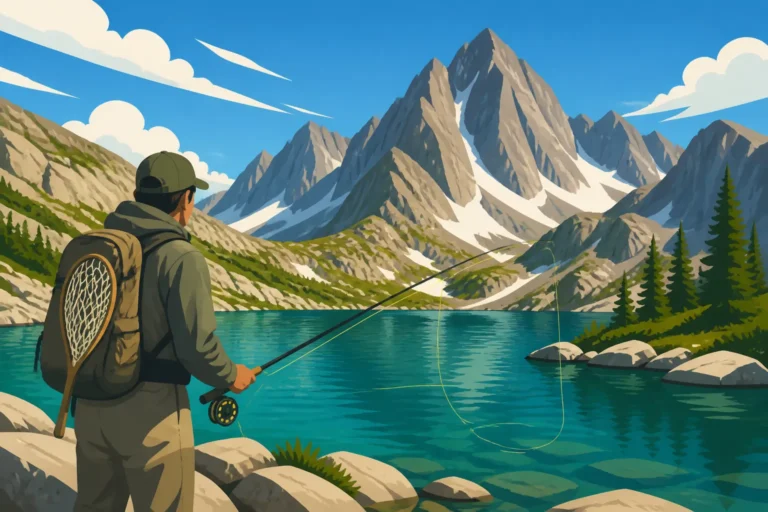
Don't overlook the many lakes and reservoirs scattered across Wyoming's BLM landscape. While some might be small, remote high-alpine lakes, others are significant impoundments offering fantastic fishing for larger game fish beyond trout. These waters can hold species like Walleye, Smallmouth Bass, Lake Trout, Kokanee Salmon, Perch, and even Ling (Burbot).
Techniques here vary widely. For species like Lake Trout and Kokanee Salmon in deeper reservoirs, trolling with downriggers or weighted lines is often the most productive method. Trolling Techniques for Wyoming Reservoirs explains this in detail. For Walleye and Perch, jigging with soft plastics or spoons, or bait fishing with minnows (where legal) can yield excellent results. Smallmouth Bass often relate to rocky structure and can be caught on crankbaits, jigs, or soft plastics. Always check the specific regulations for bait use on each waterbody, as some areas restrict live bait or certain bait types.
Seasonal Considerations for BLM Fishing
Like all fishing, success on BLM lands is heavily influenced by the seasons. Spring brings runoff in many rivers, which can make fishing challenging due but also triggers migrations for some species. As waters clear and warm in late spring and early summer, insect hatches peak, offering prime dry fly opportunities for trout. This is also when high-alpine lakes become accessible after ice-out.
Summer can mean consistent fishing, but also warmer water temperatures, which can stress trout. Focus on early mornings, evenings, or higher elevation waters. Fall is a prime season, particularly for large Brown Trout that make spawning runs up rivers. Many reservoirs also see increased activity as fish feed heavily before winter. And yes, even in winter, ice fishing on BLM-adjacent reservoirs like Boysen Reservoir or Keyhole Reservoir can be fantastic, offering unique opportunities for Walleye, Perch, and Ling. You can get more details by looking at the comprehensive guide to Wyoming Fishing Seasons Month by Month.
Regulations and Responsible Angling on BLM Land
While the landscape might feel wild and unregulated, fishing on BLM land is still subject to all state and sometimes local regulations. Ignorance of the law is never an excuse, so being prepared is key.
Wyoming Fishing License Requirements
No matter where you cast a line in Wyoming, whether it's a bustling state park or a remote BLM creek, you need a valid Wyoming fishing license. This is non-negotiable for anyone 14 years or older. Non-residents have various options, including annual, daily, and 5-consecutive-day licenses, along with a mandatory Wyoming Conservation Stamp in most cases. You can find out more about where and How to Buy a Wyoming Fishing License online or from various vendors.
The Conservation Stamp, required for most licenses, directly supports wildlife management and public access initiatives across the state, including on BLM lands. So, when you purchase one, you're directly contributing to the health of the very fisheries you're enjoying. There are specific exemptions, so it's always worth checking if you fall into one of those categories, but generally, assume you'll need one.
Understanding Water-Specific Rules
While the general state regulations provide a baseline, many specific rivers, lakes, and even sections of rivers on BLM land have unique, water-specific regulations. These might include special bag limits, length limits (e.g., How Many Trout Over 16 Inches You Can Keep in Wyoming), restrictions on bait (e.g., Barbless Hook Requirements on the North Platte River), or even seasonal closures. Always consult the current Wyoming Fishing Regulations Booklet before heading to a new spot.
These specific rules are usually listed by drainage or waterbody name in the regulation booklet. You might find a section of a river on BLM land has a strict catch-and-release policy for certain species, while another section allows harvest. It’s critical to understand these nuances. Sometimes, you can find helpful tips or even specific brand recommendations for certain tackle or guides on platforms like FishingBooker, but always cross-reference any fishing advice with the official regulations to ensure compliance.
Being a Good Steward of Wyoming's BLM Fisheries
Beyond just following the rules, being a truly responsible angler on BLM land means proactive stewardship. Practice ethical catch-and-release, especially for sensitive native species like Cutthroat Trout Fishing in Wyoming, handling fish gently and minimizing their time out of water. Dispose of all fishing line in designated receptacles or pack it out; discarded line is a major hazard to wildlife.
Preventing the spread of aquatic invasive species is another huge part of protecting these fisheries. Always "Clean, Drain, Dry" your boat, waders, and gear between waterbodies. This simple act can prevent the spread of devastating invaders like zebra mussels or whirling disease. If you spot anything suspicious, report it to the WGFD. By taking these steps, you help ensure that the incredible fishing opportunities on Wyoming's BLM lands remain pristine for generations to come.
| BLM Fishing Area Type | Common Fish Species | Recommended Techniques | Typical Access |
|---|---|---|---|
| Small Mountain Streams | Brook Trout, Cutthroat Trout, Rainbow Trout | Fly Fishing (dry flies, nymphs), Spin Fishing (small spinners) | Hike-in, 4×4 roads, designated walk-in areas |
| Medium Rivers | Brown Trout, Rainbow Trout, Cutthroat Trout, Walleye | Fly Fishing (nymphs, streamers), Spin Fishing (lures, bait) | County roads, WGFD access points, some boat ramps |
| Large Reservoirs/Lakes | Lake Trout, Walleye, Kokanee Salmon, Perch, Bass | Trolling, Jigging, Bait Fishing | Improved boat ramps, shoreline access, some campgrounds |
| Remote High-Alpine Lakes | Golden Trout, Cutthroat Trout, Brook Trout | Fly Fishing (small dry flies, nymphs), Light Spin Fishing | Backpacking, horseback, long day hikes |
| Desert Streams/Rivers | Brown Trout, Rainbow Trout, Whitefish, Catfish | Fly Fishing (streamers, nymphs), Spin Fishing (bait, lures) | Rough 2-track roads, WGFD access, often remote |
Disclaimer
Always consult the most current Wyoming Game and Fish Department regulations booklet before fishing, as rules and access can change. This guide is for informational purposes only and does not supersede official regulations.