Are There Catfish in Wyoming?
It's a common misconception, especially for those new to the Cowboy State, that Wyoming's waters are exclusively home to the revered trout. We're known globally for our incredible cutthroat, rainbow, and brown trout fisheries, and rightfully so! But what if I told you there's another fascinating, hard-fighting, and delicious fish swimming in some of our overlooked waters? Many anglers are surprised to learn that, yes, catfish absolutely do exist in Wyoming, and targeting them can offer a thrilling change of pace from traditional trout fishing. This guide will dive into where to find these whiskered wonders, what types call Wyoming home, and how to successfully bring them to your net.
The Surprising Presence of Catfish in Wyoming Waters
When most folks picture fishing in Wyoming, they envision crystal-clear mountain streams teeming with native cutthroat, or vast, deep lakes holding trophy lake trout. It's true that our cold-water fisheries are legendary, drawing anglers from all corners of the globe. However, to truly appreciate the breadth of Wyoming's aquatic ecosystems, you have to look beyond the cold, fast-moving rivers and embrace the diverse environments that support a surprising array of species, including the robust and often underestimated catfish.
More Than Just Trout: Wyoming's Diverse Fisheries
The perception that Wyoming is a "trout-only" state often comes from the sheer abundance and fame of our trout fishing. Fly shops line main streets, and images of anglers casting dries on blue-ribbon rivers are ubiquitous. This focus, while well-deserved, sometimes overshadows the vibrant warm-water fisheries thriving in many of our reservoirs and slower river sections. These are the places where species like walleye, crappie, smallmouth bass, perch, and yes, catfish, truly shine. Anglers who venture into these less-publicized waters are often rewarded with a unique angling experience, battling fish that pull hard and taste fantastic. It's a different kind of adventure, trading mountain solitude for the broad expanse of a reservoir or the quiet bends of a meandering prairie river.
Identifying Wyoming's Catfish Species
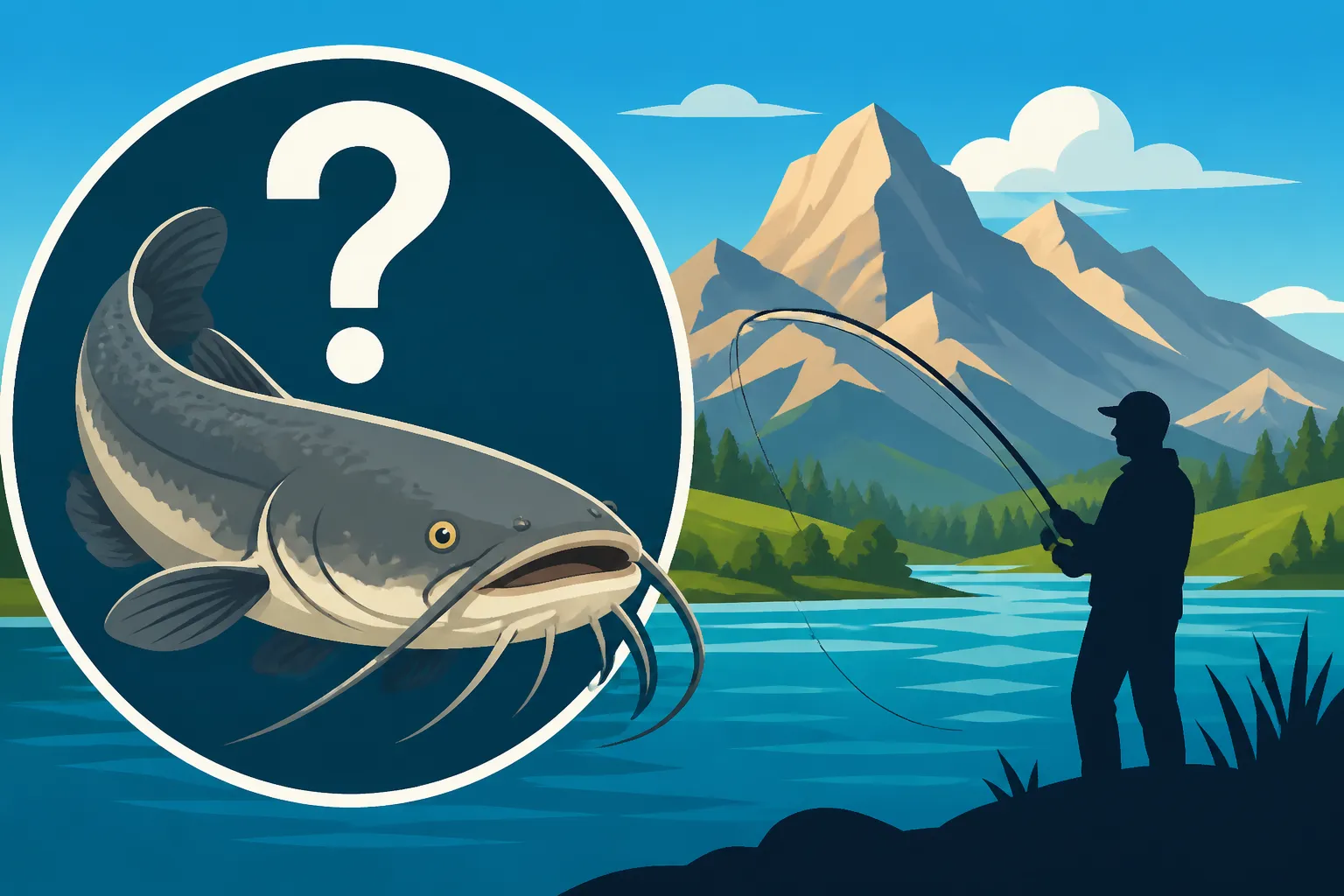
While there are many species of catfish worldwide, the primary species you'll encounter in Wyoming, and by far the most widespread, is the Channel Catfish. These fish are easily recognizable by their smooth, scale-less skin, sharp spines on their dorsal and pectoral fins, and those iconic, sensitive barbels (whiskers) around their mouths, which they use to taste and feel in murky water. Channel cats typically have a forked tail, a somewhat stout body, and can range in color from olive-brown to bluish-gray on top, with lighter, sometimes silvery, sides and a white belly. Younger fish might have dark spots, which tend to fade as they age.
While less common, you might also stumble upon Black Bullhead or Yellow Bullhead in some of Wyoming's warmer, often smaller, ponds and slow-moving streams. Bullheads are smaller, have a more rounded tail, and a generally darker, stockier appearance compared to the sleeker Channel Catfish. They're also scaleless and sport those distinctive barbels, though usually darker than their channel cat cousins. For the purpose of this guide, we'll largely focus on the Channel Catfish, as they are the main target for most dedicated catfish anglers in the state due to their size and widespread distribution in key fisheries.
Prime Catfish Hotspots in the Cowboy State
Finding catfish in Wyoming often means shifting your focus from the typical trout havens to the warmer, often murkier, and slower-moving waters. These environments provide the ideal habitat for catfish to grow large and thrive, offering fantastic opportunities for anglers willing to explore.
Key Reservoirs Known for Catfish
Wyoming is home to several large reservoirs that have established populations of Channel Catfish. These expansive bodies of water can hold impressive numbers of fish, with some growing to respectable sizes. The key is understanding their preferences: catfish love structure, warmer water, and food-rich environments.
- Boysen Reservoir: Located near Shoshoni, Wyoming's Boysen Reservoir Fishing Guide is well-regarded for its diverse fishery, including a healthy population of Channel Catfish. Anglers often find success in the warmer, shallower bays and along points, especially where there's submerged brush or rock piles. The Wind River arm of the reservoir, particularly in its lower stretches, can also be productive.
- Glendo Reservoir: This reservoir, found in southeastern Wyoming, is another popular spot. Glendo Reservoir Fishing Spots in Wyoming points out its reputation for walleye, but it also boasts solid catfish numbers. Look for channel cats in the back of coves, areas with timber or debris, and along the old river channel that runs through the reservoir. Night fishing here can be particularly fruitful during the summer months.
- Keyhole Reservoir: Up in northeastern Wyoming, near Moorcroft, Keyhole Reservoir Fishing for Walleye and Crappie is famous for its warm-water species. It's a fantastic spot for catfish, too, especially around submerged timber and the deeper holes. The reservoir's generally warmer temperatures make it a prime catfish habitat throughout the summer.
- Guernsey Reservoir: Just downstream from Glendo, Guernsey also offers good catfish opportunities. Its waters are typically warmer, and the reservoir has plenty of submerged structure and brush piles that catfish love to inhabit. Focus on the areas around the inlets and outflows where food sources might be concentrated.
- Seminoe Reservoir: While known for its excellent trout and walleye, the lower, warmer sections and back bays of Seminoe can also produce some nice channel cats, particularly in the later summer months.
When fishing these reservoirs, pay attention to depth contours and any features that break up the bottom. Catfish will often congregate around drop-offs, humps, and areas with submerged timber, rock piles, or even artificial structures. A good fish finder can be invaluable for locating these honey holes.
River Sections Where Catfish Thrive
While our famous trout rivers tend to be cold and fast, certain sections of Wyoming's larger river systems slow down, warm up, and offer perfect conditions for catfish. These are often the lower stretches, where the gradient flattens out, and the river meanders through more open country.
- North Platte River: While legendary for its trout, the lower sections of the North Platte, particularly downstream from Casper and extending towards the Nebraska border, become slower and warmer. Here, you can find surprisingly robust channel catfish populations. Focus your efforts on deep bends, cut banks, and areas with fallen trees or debris where catfish can ambush prey.
- Bighorn River: Downstream from Boysen Dam, the Bighorn is a phenomenal trout fishery, but further downriver, once it leaves the mountains and flows through the Bighorn Basin, it slows considerably and warms up. These lower stretches offer excellent catfish opportunities, often overshadowed by the river's more famous trout sections.
- Tongue and Powder Rivers: These rivers, primarily in northeastern Wyoming, are classic prairie rivers: often slow, winding, and carrying a good amount of sediment. These conditions are ideal for catfish. Look for deeper pools, log jams, and any significant structure along the banks. Public access points can be found, but always be mindful of private land.
Fishing rivers for catfish requires a slightly different approach than reservoirs. Current plays a role, and understanding how catfish use eddies, current breaks, and deep holes is crucial. These riverine catfish are often strong fighters, using the current to their advantage, making for an exciting battle. Remember to always check current access laws, as many riverbanks in Wyoming are private property.
Gear and Techniques for Catching Wyoming Catfish
Successfully landing a Wyoming catfish, whether it's a feisty channel cat or a determined bullhead, often comes down to having the right equipment and knowing how to present your bait effectively. Catfish aren't typically as finicky as trout, but a solid setup will increase your chances of success and make the fight more enjoyable.
Essential Gear for Catfish Anglers
You don't need highly specialized, expensive gear to catch catfish, but a robust setup will serve you well. Catfish, especially larger ones, are strong fighters, and you'll often be fishing in areas with snags.
- Rods: Opt for a medium-heavy to heavy action spinning or baitcasting rod, typically in the 7 to 9-foot range. This length provides good casting distance and leverage for fighting larger fish or when fishing from shore. The backbone of a medium-heavy rod is crucial for setting the hook through tough, cartilaginous mouths and for muscling fish away from snags.
- Reels: A sturdy spinning reel in the 3000 to 5000 size range, or a baitcasting reel designed for heavy line, will do the trick. The most important feature is a smooth, reliable drag system. Catfish can make powerful runs, and a sticky drag can lead to snapped lines or lost fish. You can find excellent, durable options on
Amazonthat won't break the bank. - Line: Don't skimp on line strength. Monofilament line in the 15 to 30-pound test range is a popular choice due to its abrasion resistance and shock absorption. Braided line of similar diameter (but higher test, e.g., 30-65 pound) can also be effective, offering less stretch for better hook sets and sensitivity, though it requires a bit more care with knots and abrasion.
- Hooks: Choose strong, sharp hooks that match the size of your bait and target fish. Circle hooks (sizes 2/0 to 7/0) are highly recommended because they are designed to hook fish in the corner of the mouth, reducing gut-hooking and making catch-and-release easier. J-hooks can also work, but require a more immediate hook set.
- Weights: You'll almost always be fishing on the bottom for catfish, so a variety of sinkers are essential. Egg sinkers, pyramid sinkers, or disc sinkers from 1/2 ounce up to 3 ounces or more are common, depending on current and wind conditions. You need enough weight to hold your bait firmly on the bottom.
- Other Essentials: A sturdy pair of pliers for hook removal, a good headlamp if fishing at night, a measuring tape, and a strong stringer or cooler to keep your catch fresh (if keeping them). A pair of heavy-duty gloves can be helpful when handling catfish to protect against their sharp fin spines. You can gather many of these tackle box staples from a reliable source like
Amazon.
Best Baits and Rigging for Wyoming Catfish
Catfish are primarily scavengers and opportunistic feeders, relying heavily on their sense of smell. This means scent is key when choosing bait.
-
Classic Baits:
- Cut Bait: This is arguably the most effective bait for Channel Catfish. Cut pieces of oily fish like suckers, carp, shad, or even smaller panfish (check regulations for baitfish restrictions in specific waters) release a strong scent that catfish can't resist.
- Chicken Livers: A time-tested favorite. Their strong smell and soft texture are irresistible, but they can be tricky to keep on the hook. Try wrapping them with a bit of elastic thread or an old piece of pantyhose.
- Prepared "Stink" Baits: Many commercial catfish baits are available, designed to attract catfish with powerful scents. These come in various forms, including dough balls, dips, and chunks. Some anglers even make their own concoctions!
- Worms: Large nightcrawlers can be effective, especially for smaller catfish and bullheads, though they might not have the same drawing power as cut bait for larger channel cats.
- Shrimp: Raw shrimp, especially those that have been allowed to sit out for a bit (but not completely spoiled), also have a potent scent that attracts catfish.
-
Rigs: The goal of any catfish rig is to present your bait on or near the bottom, where catfish typically feed.
- Slip Sinker Rig (Carolina Rig): This is one of the most popular and effective rigs. Thread an egg sinker onto your main line, followed by a bead (to protect the knot), and then tie on a barrel swivel. To the other end of the swivel, tie a leader (12-24 inches) of slightly lighter line, and then your hook. The slip sinker allows the fish to pick up the bait and run without feeling the resistance of the weight.
- Three-Way Swivel Rig: Useful in rivers with current. Tie your main line to one eye of a three-way swivel, a short dropper line (6-12 inches) with a sinker to the second eye, and your leader (12-24 inches) with the hook to the third eye. This keeps your bait suspended just off the bottom in current.
- Bottom Bouncer Rig: While often used for walleye, smaller bottom bouncers can also be adapted for catfish, especially when slowly drifting or trolling to cover more ground.
No matter the rig, ensure your knots are strong, and your bait is securely hooked. Catfish are not gentle eaters, and you want your bait to stay put!
Seasonal Considerations for Catfish Fishing
Timing is everything when it comes to catfish in Wyoming, largely dictated by water temperature. Unlike trout, which prefer colder water, catfish thrive in warmer conditions. You can check Wyoming Fishing Seasons and Water-Specific Closures to ensure you're fishing during open times, but generally, catfish action ramps up in certain seasons.
- Warm Months are Prime: The absolute best time to target catfish in Wyoming is from late spring through summer and into early fall. As water temperatures rise into the 60s and 70s Fahrenheit, catfish become much more active, feeding aggressively. This is when they're most likely to be found in shallower areas, moving around to feed. Wyoming Summer Fishing: Peak Season Tips can offer general advice that applies to many warm-water species, including catfish.
- Night Fishing: During the heat of summer, when daytime temperatures (and water temperatures) are at their peak, catfish often become more active at night. They move into shallower water under the cover of darkness to feed, making evening and nighttime excursions incredibly productive. Remember to bring a reliable light source!
- Pre-Spawn and Post-Spawn: Just before and immediately after spawning (which typically occurs when water temperatures are in the mid-70s), catfish will feed heavily to build up energy or recover, offering excellent fishing opportunities.
- Cooler Water: As autumn progresses and water temperatures drop, catfish activity slows down. They'll still eat, but they'll be less aggressive and often hold in deeper water, making them harder to locate and tempt. Catfish aren't typically a primary target for What Fish You Can Catch Ice Fishing in Wyoming, as their metabolism significantly slows in frigid water.
Regulations and Conservation for Wyoming Catfish
Fishing in Wyoming, regardless of your target species, means being a responsible angler. This includes understanding and adhering to the regulations set forth by the Wyoming Game and Fish Department, as well as practicing good conservation habits. Even though catfish might not always get the same conservation spotlight as our trout, they are a valuable part of our state's diverse fisheries.
Understanding Catfish Limits and Rules
The Wyoming Game and Fish Department publishes comprehensive regulations that cover all species and water bodies. It's absolutely crucial that you obtain and read the most current regulations booklet or check their website before you head out. These rules can change annually, and specific water bodies often have their own unique provisions that supersede general statewide limits.
- Statewide Limits: For Channel Catfish, the general statewide limits in Wyoming are often quite generous compared to trout or walleye. This usually means a higher daily creel limit and a more liberal possession limit, reflecting their robust populations in certain areas and their status as a non-native, highly reproductive species. However, do not assume; always verify the exact numbers for the water you plan to fish.
- Water-Specific Regulations: This is where it gets critical. While a general statewide limit might exist, a particular reservoir or river section could have different rules regarding bag limits, possession limits, or even length limits for Channel Catfish. Always consult the specific listing for the body of water you intend to fish. For a deeper dive into understanding these rules, check out Wyoming Fishing Regulations Every Angler Should Know and How Bag and Possession Limits Work in Wyoming. These resources are indispensable for staying compliant.
- Bait Restrictions: Some waters in Wyoming have restrictions on the type of bait you can use, especially concerning live baitfish. Make sure your chosen bait is legal for the area you're fishing.
- License Requirements: Just like with any other game fish in Wyoming, you will need a valid Wyoming fishing license. This applies to residents and nonresidents alike. Be sure to carry your license with you when you're out fishing.
It's your responsibility as an angler to know and follow these rules. Game wardens regularly patrol popular fishing spots, and ignorance of the law is never an excuse. Violations can lead to significant fines and penalties.
Responsible Angling and Handling
Beyond just following the rules, responsible angling means ensuring the health of the fishery and the safety of yourself and the fish. Catfish require a slightly different approach than trout when it comes to handling.
- Handling Catfish Safely: Catfish have sharp, serrated spines on their dorsal (back) and pectoral (side) fins. A puncture from these spines can be painful and can sometimes become infected.
- Avoid the Spines: When handling a catfish, grip it firmly behind the head, being careful to avoid the fin spines. You can also use a fish gripper or a pair of heavy-duty gloves.
- Support the Body: If the fish is large, support its belly with your other hand. This reduces stress on its internal organs, especially if you intend to release it.
- Catch and Release Best Practices: If you're not keeping your catch, practice proper catch and release techniques to ensure the fish's survival.
- Minimize Out-of-Water Time: Get a quick photo if you want one, but return the fish to the water as quickly as possible.
- Wet Hands: Always wet your hands before touching the fish to protect its protective slime coat.
- Remove Hooks Carefully: Use pliers or a hook remover to extract the hook gently. If the fish is deeply hooked, consider cutting the line as close to the hook as possible rather than tearing internal organs.
- Revive the Fish: Hold the fish gently in the water, facing into the current, until it regains its strength and can swim away on its own.
- Keeping Your Catch: Catfish, particularly Channel Catfish, are excellent table fare, and many anglers love to keep them for a delicious meal. Best-Tasting Fish to Keep From Wyoming Waters often includes them.
- Cool Storage: If you plan to keep your fish, immediately place them in a cooler with ice or on a stringer in cool water to maintain their freshness.
- Cleaning: Catfish can be a bit messy to clean due to their tough skin. Many anglers prefer to skin them rather than scale them. There are plenty of online tutorials, and a good fillet knife (perhaps one found on
Amazon) is your best friend here.
- Preventing Invasive Species: Never transport live fish from one body of water to another. This is illegal and one of the primary ways invasive species, parasites, and diseases are spread, which can devastate local fisheries. Always "Clean, Drain, Dry" your boats, trailers, and fishing gear after each outing.
Wyoming's diverse fisheries are a treasure, and by understanding where catfish fit into that picture, and by fishing responsibly, we can all help ensure these opportunities remain for future generations.
| Reservoir/River Section | Primary Catfish Species | Best Season | Key Features for Catfish | Average Size |
|---|---|---|---|---|
| Boysen Reservoir | Channel Catfish | Summer | Warmer bays, Wind River arm, submerged timber | 1-5 lbs, up to 10+ lbs |
| Glendo Reservoir | Channel Catfish | Summer | Coves, submerged timber, old river channel | 1-6 lbs, up to 15+ lbs |
| Keyhole Reservoir | Channel Catfish | Summer | Submerged timber, deeper holes, warmer temps | 1-4 lbs, up to 8+ lbs |
| Lower North Platte River | Channel Catfish | Summer | Deep bends, cut banks, log jams, slow current | 1-7 lbs, up to 10+ lbs |
| Tongue River | Channel Catfish, Bullhead | Summer | Deeper pools, log jams, muddy bottoms | 1-5 lbs |
| Powder River | Channel Catfish, Bullhead | Summer | Slow bends, woody debris, silty areas | 1-5 lbs |
Disclaimer
This article is for general informational purposes only and does not constitute professional advice. Laws, prices and regulations vary by location and change over time. Consult a qualified professional for guidance on your specific situation.