Wyoming Fishing Regulations Every Angler Should Know
Stepping into the vast, wild beauty of Wyoming with a fishing rod in hand is a dream for many, but the excitement can quickly turn to frustration when you're trying to navigate the often-complex world of fishing regulations. It feels like you need a law degree just to understand what's allowed and what's not, and making a mistake can lead to hefty fines or, worse, harm our precious fisheries. This guide is here to untangle that knot, offering a clear, empathetic breakdown of Wyoming's essential fishing regulations so you can focus on catching fish, not catching a citation.
Essential Fishing Licenses and Conservation Stamps
Before you even think about casting a line in Wyoming, the absolute first step is making sure you have the proper licensing. It might seem straightforward, but there are nuances between resident and nonresident, age requirements, and the often-overlooked but crucial conservation stamp. Skipping this step isn't just a minor oversight; it's a direct path to a significant fine and a spoiled trip.
Understanding Resident vs Nonresident Licenses
Wyoming, like most states, has different fishing license structures for its residents and those visiting from out of state. The key here is proving your residency. You can't just claim you're a resident; you need to meet specific criteria, typically involving a continuous physical presence in the state for at least a year and establishing Wyoming as your sole residency, often through things like voter registration, vehicle registration, and a Wyoming driver's license. For a nonresident, the options usually include annual, daily, or five-consecutive-day licenses, offering flexibility depending on the length of your stay. Choosing between these can make a big difference in cost and convenience. For example, a nonresident planning a week-long trip might find a five-day license more economical than two separate daily licenses, but it's crucial to remember those five days must be consecutive.
The distinction between resident and nonresident isn't just about price; it's about managing resources. Resident fees are often lower because residents contribute to the state's economy and tax base year-round, which helps fund wildlife management and conservation efforts. Nonresidents, while vital to the tourism economy, are often paying a higher rate to help offset their impact on the resources during their visit. This system ensures that everyone contributes fairly to the upkeep of Wyoming's incredible fishing opportunities. For a deep dive into who qualifies for what, check out our guide on Wyoming Resident vs Nonresident License Rules.
Youth and Senior Angler Exemptions
Good news for the younger and more seasoned anglers among us: Wyoming offers specific exemptions and rules regarding fishing licenses for different age groups. For instance, kids under a certain age don't need a license at all, which is a fantastic way to introduce youngsters to the joys of fishing without an extra financial burden on families. It's often set around age 14, but it’s always wise to confirm the exact cutoff with the current Wyoming Game and Fish Department (WGFD) regulations, as these things can occasionally shift.
Similarly, senior residents of Wyoming often receive discounted rates or even exemptions once they reach a certain age, acknowledging their lifetime contributions to the state and offering them continued access to the outdoors. These specific age requirements and the nature of the discount or exemption are detailed in the official regulations, and it's a common misconception that all seniors automatically fish for free, so double-checking is crucial. Understanding these specific rules ensures that every member of your fishing party is legally compliant, making for a stress-free outing. Our article on Do Kids Need a Fishing License in Wyoming? offers more specific details.
The Wyoming Conservation Stamp
Beyond your basic fishing license, almost every angler in Wyoming needs a Conservation Stamp. This isn't just another fee; it's a vital contribution to the state's wildlife and habitat management efforts. Think of it as your personal investment in the health and future of Wyoming's incredible natural resources. The funds generated by these stamps go directly towards conservation projects, ensuring that the fish populations remain robust and their habitats are protected for generations to come.
There are, however, some specific exemptions to the Conservation Stamp requirement, primarily tied to certain types of short-term licenses or specific age groups. For example, if you're fishing on Wyoming's annual Free Fishing Day, or if you're very young and don't need a fishing license, you often don't need a conservation stamp either. But for almost any other situation, if you're required to have a fishing license, you'll also need that stamp. It’s a small price to pay for the incredible fishing experiences Wyoming offers and a crucial component of responsible angling. You can learn more about this vital requirement in our piece, The Wyoming Conservation Stamp and What It Covers.
Understanding Bag and Possession Limits
Once you've got your licenses sorted, the next big hurdle for many anglers is wrapping their heads around bag and possession limits. These aren't arbitrary numbers; they are scientifically determined limits designed to ensure sustainable fish populations. Getting these mixed up is a common error, and it’s one that can land you in hot water with the WGFD, so let's break down the differences and common scenarios.
Daily vs Possession Limits
This is where many anglers get confused, and it’s critical to understand the distinction. A daily limit refers to the maximum number of a specific species of fish you can legally harvest and retain in one calendar day. So, if the daily limit for trout is four, you can only keep four trout from midnight to midnight. Once you've hit that limit, you must stop fishing for that species or switch to strict catch-and-release practices for the rest of the day.
A possession limit, on the other hand, refers to the maximum number of a specific species of fish you can have in your possession at any given time, whether it's in your cooler, your vehicle, your freezer at home, or anywhere else. This limit is often two or three times the daily limit, but not always. The possession limit is designed to prevent people from accumulating excessive amounts of fish over multiple days without proper processing or declaration. For example, if the daily limit is four trout and the possession limit is eight, you could keep four trout on Monday and four more on Tuesday, but you couldn't keep six on Monday and six on Tuesday, as that would put you over the possession limit of eight. Our article on How Bag and Possession Limits Work in Wyoming explains this in more detail.
Trout and Other Game Fish Limits
Wyoming is famous for its trout fishing, and consequently, trout often have the most specific and varied regulations when it comes to limits. You'll find different rules for different species of trout (like Rainbow, Brown, Cutthroat, and Lake Trout) and often for specific waters. Some rivers might have a general trout limit, while a particular section of that same river could have a reduced limit or even be catch-and-release only. This is especially true for trophy sections or areas where conservation efforts are focused on protecting specific strains, like native Yellowstone Cutthroat Trout.
Beyond trout, other popular game fish like Walleye, Kokanee Salmon, and Bass also have their own daily and possession limits. These limits are set based on population health, spawning cycles, and the specific management goals for each fishery. It's not uncommon to see different limits for different reservoirs, even within the same species, depending on local conditions. For instance, a reservoir with a booming Walleye population might have a more generous limit than one where the Walleye are less abundant. Always consult the current regulations for the specific water body you plan to fish to ensure compliance. You can learn more about these specifics in our guide on Understanding Wyoming's Daily Bag Limits by Species.
Size Restrictions and Slot Limits
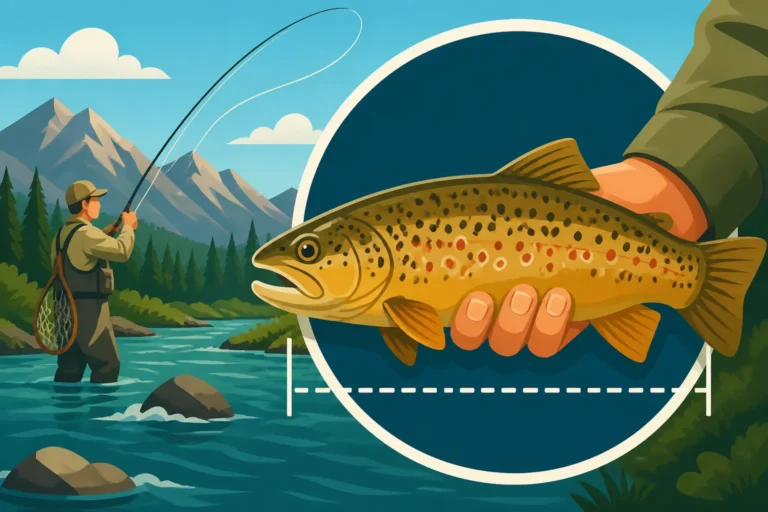
To further manage fish populations and promote trophy fishing, Wyoming often implements size restrictions or "slot limits" on certain waters or species. A size restriction means you can only keep fish that are within a specific size range. For example, you might be allowed to keep two trout, but neither can be under 12 inches, and only one can be over 18 inches. This protects juvenile fish, allowing them to grow, and also protects large, mature breeding fish that are crucial for future generations.
Slot limits are a more specific form of size restriction where fish within a certain size range (the "slot") must be released. For example, you might be able to keep fish under 12 inches and one fish over 20 inches, but anything between 12 and 20 inches must be released. This targets the removal of smaller, more numerous fish, reducing competition for food and allowing the larger, older fish to continue to grow, creating opportunities for trophy catches. These rules are particularly common on blue-ribbon trout streams and reservoirs known for producing large fish, like those found along the North Platte River or in sections of the Snake River. Knowing these precise measurements is just as important as knowing the number of fish you can keep.
Specific Water Body Regulations and Restrictions
Wyoming is a vast state with incredibly diverse aquatic ecosystems, from high-alpine lakes to meandering prairie rivers and massive reservoirs. It's simply not feasible to have one-size-fits-all regulations. Many waters, due to their unique ecology, conservation status, or fishing pressure, have their own specific set of rules that supersede the general statewide regulations. This is a critical area where anglers often stumble, assuming broad rules apply everywhere.
River vs Lake Regulations
The type of water body you're fishing can significantly impact the regulations you need to follow. Rivers, especially trout streams, often have more stringent rules than large lakes or reservoirs, particularly concerning bait, tackle, and catch-and-release practices. Many of Wyoming's famed trout rivers, such as the North Platte or the Snake River, are managed as "quality" or "trophy" fisheries, meaning they might have reduced bag limits, size restrictions, or even require artificial flies and lures only. The idea here is to protect the wild trout populations and ensure a high-quality fishing experience.
Lakes and reservoirs, while still subject to specific rules, often have more relaxed regulations regarding bait and sometimes more generous bag limits, especially for species like Walleye, Perch, or even Lake Trout in certain areas where they are managed for harvest. However, don't assume anything. Some lakes, particularly high-alpine ones with fragile ecosystems, might have very restrictive rules to protect native species or those that are difficult to reproduce naturally. Always check the specific regulations for the particular lake or river you intend to fish. Our article, Stream Limits vs Lake Limits for Wyoming Trout, provides a detailed look at these differences.
Barbless Hook Requirements
One of the more specific regulations you'll encounter on many of Wyoming's premier trout waters, particularly on designated "blue-ribbon" streams, is the requirement for barbless hooks. This rule is a cornerstone of responsible catch-and-release practices. Barbless hooks minimize the damage to a fish's mouth, making it much easier to remove the hook quickly and gently, significantly increasing the fish's chances of survival after release. While some anglers might see it as an inconvenience, it's a vital tool for conservation.
Popular stretches of water, like sections of the North Platte River (including the famed Miracle Mile and Gray Reef), often mandate barbless hooks. You can either buy hooks that are already barbless or, more commonly, simply pinch down the barb on your existing hooks with a pair of pliers. It’s a simple action that has a huge positive impact on the fish. Forgetting to do this can result in a citation, even if you're otherwise compliant. So, before you head out, if you're fishing these sensitive areas, make sure your tackle box is ready. For more details on where these are required, check out Barbless Hook Requirements on the North Platte River.
National Park Fishing Rules: Yellowstone and Grand Teton
If your Wyoming fishing adventure takes you into either Yellowstone National Park or Grand Teton National Park, be aware that you're entering a different regulatory landscape entirely. These national parks operate under federal regulations that often supersede or are in addition to state rules, and they are managed by the National Park Service, not the WGFD. This means you’ll need a separate fishing permit specifically for the park you're visiting, and your Wyoming state fishing license will not be valid within park boundaries.
Park regulations are often extremely strict, focusing heavily on native species conservation and preventing the spread of aquatic invasive species. This often translates to mandatory catch-and-release for native trout, requirements for non-lead tackle, and severe restrictions on bait usage. In Yellowstone, for example, the regulations for fishing Yellowstone Lake and its tributaries are particularly rigorous, largely aimed at protecting the native Yellowstone Cutthroat Trout from non-native Lake Trout. Always obtain a park-specific fishing permit and thoroughly review their unique rules before casting a line within their boundaries. Our articles on Fishing Rules Inside Yellowstone National Park and Fishing Rules Inside Grand Teton National Park are invaluable resources for planning these trips.
Bait and Tackle Regulations
What you can use to catch fish is just as important as where and when you fish. Wyoming has specific rules regarding bait and tackle, which are designed to prevent the spread of disease, protect native species, and ensure fair chase. These rules vary widely depending on the water body, so a bait that's perfectly legal in one lake might be strictly prohibited in a river just a few miles away.
Live Bait Restrictions
The use of live bait, especially live minnows or other live fish, is one of the most heavily regulated aspects of fishing in Wyoming. The primary concern here is preventing the introduction and spread of aquatic invasive species (AIS) and diseases. A bait bucket from one watershed could unknowingly carry invasive organisms or pathogens that, if released, could devastate native fish populations in another. Because of this significant risk, many of Wyoming's trout streams and high-alpine lakes have outright bans on live bait.
Even in waters where live bait is permitted, there are often strict rules about what constitutes legal live bait (e.g., only certain types of worms, larvae, or dead baits that have been certified disease-free). It's never safe to assume live bait is allowed; always check the specific water regulations. Failure to comply with live bait rules isn't just a minor infraction; it's taken very seriously due to the potential ecological damage. If you're heading to a new spot, it's a good idea to pack some artificial lures first, or check the WGFD regulations thoroughly before heading to the bait shop.
Artificial Lures and Flies
In contrast to live bait, artificial lures and flies are generally permitted in most Wyoming waters, especially those managed for trout. However, even with artificials, there can be specific restrictions. As mentioned earlier, barbless hooks are often required. Additionally, some "fly-fishing only" waters prohibit anything but artificial flies, meaning no spin lures, spoons, or even bait-imitating plastics. These rules are usually clearly marked at access points or detailed in the WGFD regulation booklet.
Understanding the difference between an "artificial lure" and an "artificial fly" is also key. An artificial fly is typically constructed of natural or synthetic materials tied to a single, barbless hook, designed to imitate aquatic insects or small forage. Artificial lures, on the other hand, encompass a broader category, including spinners, spoons, jigs, and soft plastics. In "artificial flies and lures only" waters, you have more options, but "artificial flies only" waters strictly limit you to fly-fishing gear. Always have a variety of artificial options on hand, especially if you're exploring different waters, and ensure they meet the specific requirements of your chosen fishing spot. You can often find a great selection of compliant lures and flies on platforms like Amazon.
Two-Pole Fishing Permits
For anglers who enjoy maximizing their chances or simply like the versatility of fishing with multiple lines, Wyoming offers a "Two-Pole Permit." This permit allows you to actively fish with two rods simultaneously, which is a popular option in many of the state's larger reservoirs where anglers might be targeting different species or depths. Without this specific permit, you are generally limited to fishing with only one rod at a time.
It's important to remember that even with a two-pole permit, you are still bound by all other regulations, including bag limits, size restrictions, and bait restrictions for the specific water you are fishing. The permit doesn't grant you extra fish; it simply allows you to deploy more lines in the water at once. This permit is usually an add-on to your standard fishing license and can be purchased at the same time. It's a fantastic option for families or those who want to experiment with different techniques simultaneously, but always ensure both poles are actively attended and within your immediate control.
Special Conditions and Situations
Wyoming's vast and wild landscape means that fishing conditions can change rapidly, and certain activities or times of year warrant their own specific rules. Ignoring these special conditions can lead to confusion or, in some cases, dangerous situations or violations.
Ice Fishing Regulations
When winter blankets Wyoming in snow and ice, a whole new world of fishing opens up for many. Ice fishing is incredibly popular, but it comes with its own unique set of regulations designed for safety and sustainability. While your general fishing license is usually valid for ice fishing, there can be specific rules regarding the number of lines or holes you can use, the type of shelter you can deploy, and even specific times when ice fishing is permitted on certain bodies of water. For example, some lakes might limit the number of holes per angler or require that unattended lines (like tip-ups) be clearly marked with your name and WGFD customer ID number.
Safety is paramount, and while not a "regulation" in the legal sense, knowing ice thickness guidelines is critical. The WGFD strongly advises against going onto ice that's less than four inches thick for single anglers or five inches for groups. It's also important to be aware of areas with current or springs, which can create dangerously thin ice, even on an otherwise frozen lake. Always check local conditions and respect warning signs. For more on this, consult our detailed Ice Fishing in Wyoming: A Complete Guide.
Night Fishing and Seasonal Closures
While many waters in Wyoming are open for fishing 24 hours a day, there are specific instances where night fishing might be restricted or prohibited entirely. These restrictions often apply to areas sensitive to poaching, specific spawning grounds, or waters near residential areas where noise could be an issue. Always check the specific regulations for the water you plan to fish if you're contemplating a nocturnal angling adventure.
Additionally, Wyoming implements seasonal closures on certain waters, usually to protect spawning fish or sensitive habitats during critical periods. This is particularly common on smaller streams during trout spawning seasons or on specific rivers to protect migrating fish. These closures might be for a few weeks, a specific month, or even a longer period. It's vital to know these dates, as fishing in a closed area, even unknowingly, is a serious violation. The WGFD fishing regulation booklet includes detailed maps and tables outlining these seasonal closures, so it's your go-to resource. Our comprehensive guide, Wyoming Fishing Seasons and Water-Specific Closures, can help you plan your trips around these crucial dates.
Emergency Closures and Advisories
Sometimes, due to unforeseen circumstances like severe drought, disease outbreaks, extreme heat, or fire, the WGFD may implement emergency closures or restrictions on certain waters. These are temporary measures designed to protect fish populations from undue stress or to prevent the spread of threats. For instance, during periods of prolonged high temperatures and low water, "hoot owl" restrictions might be put in place, requiring anglers to stop fishing by a certain time of day (e.g., noon) to avoid stressing fish during the warmest hours.
Keeping up-to-date on these emergency measures is crucial for responsible angling. The WGFD website is the primary source for such information, often posting alerts and updates on their news page or specific fishing reports sections. Local tackle shops and guide services are also excellent resources, as they often have the most current on-the-ground information. Always check before heading out, especially during unusual weather patterns or environmental events.
Enforcement and Violations
Nobody wants to get a ticket while enjoying the outdoors. Understanding the implications of fishing without a license or violating regulations is essential. Wyoming Game and Fish wardens are dedicated professionals committed to protecting the state's wildlife, and they take violations seriously.
Penalties for Common Infractions
Fishing without a valid license, exceeding bag limits, fishing in a closed area, or using illegal bait are not minor offenses in Wyoming. The penalties can range from significant fines to the forfeiture of gear, and in some cases, even jail time or the suspension of fishing privileges. Fines can easily run into the hundreds of dollars, and the court costs only add to that burden. For example, being caught with an over-limit of fish might not just cost you a fine, but also mean losing your caught fish and potentially your gear.
The WGFD maintains a strict stance on violations to deter poaching and ensure the long-term health of the fisheries. It's not just about catching rule-breakers; it's about preserving the resource for everyone. Wardens patrol frequently and are well-versed in the regulations, so ignorance is rarely an acceptable defense. The best way to avoid these unpleasant encounters is to meticulously review the current regulations before every trip and always err on the side of caution. For a more detailed breakdown of potential consequences, see Fines and Penalties for Common Fishing Violations.
Reporting Violations and License Display
As a responsible angler, you play a crucial role in conservation. If you witness a fishing violation, whether it's someone poaching, exceeding limits, or engaging in other illegal activities, you can report it to the WGFD. They have various ways to report, often including a dedicated Stop Poaching hotline or an online form. Providing as much detail as possible (location, time, description of individuals, vehicle information, type of violation) can greatly assist wardens in their efforts. This isn't about being a "tattletale"; it's about protecting the resources that we all cherish.
Furthermore, always ensure you have your fishing license and conservation stamp readily available for inspection by a warden. While digital licenses on your phone are increasingly accepted, it's always wise to have a backup, like a printed copy, in case your phone battery dies or you lose service. A warden has the right to ask to see your license, and not being able to produce it when requested can lead to delays or even a citation. Think of it like carrying your driver's license when you're operating a vehicle. You can even find waterproof license holders on Amazon to protect your paper copies while out on the water.
Staying Informed and Responsible
The world of fishing regulations isn't static. It evolves as environmental conditions change, fish populations fluctuate, and new scientific data emerges. Being a responsible angler means committing to staying informed and adapting your practices.
The Wyoming Fishing Regulations Booklet
Your single most important resource for understanding Wyoming's fishing rules is the official Wyoming Fishing Regulations booklet, published annually by the WGFD. This comprehensive guide details all statewide regulations, specific water body rules, season dates, bag and possession limits, bait restrictions, and special conditions. It’s available for free at WGFD offices, license vendors, and crucially, as a downloadable PDF on the WGFD website.
Don't just skim it; take the time to read through the sections relevant to your planned fishing areas. Pay close attention to maps and special notes for specific rivers, lakes, and reservoirs. The small print often holds the most important details! This booklet is your bible, and it's something you should review annually, as regulations can and do change from year to year. You can also refer to our guide, Reading the Wyoming Fishing Regulations Booklet, for tips on navigating its contents.
WGFD Website and Online Resources
In today's digital age, the Wyoming Game and Fish Department website is an indispensable tool for staying current. Beyond the downloadable regulations booklet, the site offers real-time updates on emergency closures, fishing reports for various waters, information on invasive species, and even maps to help you locate public access points. It’s a dynamic resource that provides critical, up-to-the-minute information that might not be in the printed booklet.
Before any fishing trip, especially to a new or unfamiliar area, make it a habit to check the WGFD website. Look for specific news releases, current advisories, and the fishing report for your chosen destination. This proactive approach ensures you're aware of any last-minute changes that could impact your plans, helping you avoid accidental violations and ensuring a more enjoyable and compliant fishing experience. This website is truly the most authoritative and up-to-date source for all things Wyoming fishing. Our guide on Where to Find Current Wyoming Fishing Regulations offers direct links and tips.
Practicing Ethical Angling
Beyond simply following the letter of the law, being a responsible angler involves practicing ethical angling. This means prioritizing the health of the fish and the environment. It includes things like proper catch-and-release techniques to minimize stress on fish, especially in warmer water temperatures. It means cleaning your boat and gear thoroughly to prevent the spread of aquatic invasive species, always packing out what you pack in, and respecting private property and other anglers.
Ethical angling also extends to understanding the "spirit" of the regulations. If a river has a very low limit or specific size restrictions, it's often because those fish populations are sensitive. Choosing to release more fish than you keep, even if legally allowed, can be a powerful act of conservation. It’s about being a steward of Wyoming’s incredible natural resources, ensuring that these world-class fishing opportunities remain abundant for everyone, for generations to come.
License and Stamp Quick Reference
To help you keep track of some of the most common licensing requirements, here's a quick reference table. Always consult the official WGFD regulations for the most current and complete information.
| License Type | Residency Requirement | Valid For | Conservation Stamp Required? | Notes |
|---|---|---|---|---|
| Annual Fishing License | Resident | Calendar Year | Yes | Required for most resident anglers 14 years and older. |
| Annual Fishing License | Nonresident | Calendar Year | Yes | Required for most nonresident anglers 14 years and older. |
| 5-Day Consecutive Fishing | Nonresident | 5 Consecutive Days | Yes | Good for shorter trips, must be used on consecutive days. |
| Daily Fishing License | Nonresident | 1 Calendar Day | Yes | Cheapest option for a single day of fishing. |
| Pioneer Fishing License | Resident (65+ years) | Calendar Year | Varies | Discounted or free for eligible senior residents. Check WGFD. |
| Youth Fishing License | Resident/Nonresident | Calendar Year | No | Generally for ages 14-17. Children under 14 usually don't need a license. |
| Two-Pole Permit | Resident/Nonresident | Calendar Year | N/A | Optional add-on to fish with two rods. |
Disclaimer
The information provided in this guide is for general informational purposes only and is not a substitute for the official Wyoming Game and Fish Department (WGFD) fishing regulations. Regulations can change annually or even in-season due to emergency orders. Always consult the current official WGFD fishing regulations booklet and their website before engaging in any fishing activities in Wyoming. Following these regulations is solely the responsibility of the angler.