Wyoming Summer Fishing: Peak Season Tips
The arrival of summer in Wyoming often brings a mix of excitement and apprehension for anglers. On one hand, the high country becomes accessible, the weather is generally glorious, and fish are actively feeding. On the other hand, peak season also means more people on the water, hotter temperatures that challenge fish, and lower flows on many rivers. It's a tricky balance, and it's easy to feel overwhelmed or discouraged when your usual spring tactics just aren't cutting it. This comprehensive guide is designed to cut through the confusion, offering you battle-tested tips and strategies to make your Wyoming summer fishing not just tolerable, but incredibly productive and enjoyable, even when conditions are tough.
Navigating Summer Challenges on Wyoming Waters
Summer fishing in Wyoming, while spectacular, definitely comes with its own unique set of hurdles. The beautiful sunny days and warm temperatures we all crave can actually make fishing a bit more complex, especially for trout. Understanding these challenges is the first step to overcoming them and enjoying a truly successful season.
Beating the Heat and Low Water Conditions
As the dog days of summer roll in, Wyoming's rivers and lakes can experience significant changes. Water temperatures rise, and runoff from the snowmelt has long since subsided, leading to lower, clearer flows. For trout, which are cold-water species, warmer water can be incredibly stressful. When water temperatures climb above 65°F, trout become lethargic, their oxygen levels drop, and their feeding activity decreases dramatically. Fishing for them in these conditions can actually be detrimental to their health, even if you practice catch-and-release.
This means that during the warmest parts of the day, typically from late morning through late afternoon, it's often best to give the trout a break. Instead, focus your efforts on the cooler parts of the day: dawn and dusk. These "low light" periods are when fish are most active, feeding aggressively before the heat sets in or as it begins to dissipate. Additionally, low water means fish have fewer places to hide and are more easily spooked. Consider fishing deeper pools, undercut banks, or areas with significant structure that provide cover and shade. When you're dealing with higher water temperatures, it's particularly important to understand how water temperature changes Wyoming trout behavior and adapt your approach accordingly.
Avoiding the Crowds on Popular Fisheries
Wyoming's reputation for world-class fishing is well-deserved, and come summer, everyone wants a piece of the action. Iconic rivers like the North Platte and Snake, along with easily accessible reservoirs, can become quite busy, especially on weekends and holidays. It's a common frustration to drive a long way to your favorite spot only to find it lined with other anglers. This doesn't mean you have to give up on these places entirely, but it does mean you need a strategy.
One effective tactic is to explore lesser-known access points or put in the effort to hike a bit further away from popular bridge crossings and boat ramps. Often, just a mile or two of walking can put you into water that sees significantly less pressure. Another approach is to target these popular waters during off-peak times – early mornings or late evenings on weekdays, if your schedule allows. While everyone else is heading to work or winding down, you can be enjoying some solitude. Finally, don't be afraid to branch out and discover new waters. Wyoming is vast, with countless miles of fishable rivers and hundreds of lakes. Sometimes the best fishing isn't where everyone else is, but where nobody else is.
Mastering Peak Season Fishing Techniques
Summer in Wyoming demands versatility from an angler. The conditions can vary wildly from high-elevation lakes to sprawling reservoirs, and from fast-moving rivers to slow, meandering streams. Relying on a single technique throughout the season simply won't yield consistent results. Instead, a successful summer angler understands how to adapt their methods to the specific water and species they're targeting.
The Art of Dry Fly and Nymphing in Summer
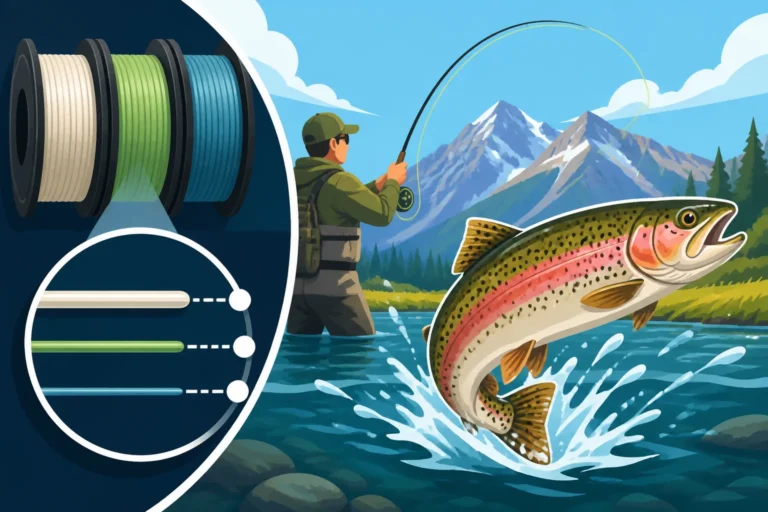
Summer is often synonymous with phenomenal dry fly fishing in Wyoming, especially on its renowned trout streams. When the air warms up, insects become incredibly active, leading to prolific hatches. This means trout will often look up, eagerly snatching emergers and adult insects right off the surface. Learning to match the hatch on Wyoming rivers is critical, as a well-presented dry fly during a strong hatch can lead to some truly unforgettable fishing. Think about classic patterns like various Caddis, Mayfly, and Stonefly imitations. Terrestrial patterns like grasshoppers, ants, and beetles also become incredibly effective as they tumble into the water from streamside vegetation.
However, even during prime dry fly conditions, fish are often feeding subsurface. This is where nymphing comes into its own. Running a nymph rig under an indicator allows you to present imitations of insect larvae and pupae, which make up the bulk of a trout's diet year-round. You might use a double-nymph rig, or even a dry-dropper setup where a large, buoyant dry fly acts as your indicator for a small nymph trailed behind it. This technique is particularly deadly in riffles and runs, where fish stack up to feed on dislodged insects. For those fishing the famous North Platte, for example, mastering the art of dry fly fishing on the North Platte River and its accompanying nymphing techniques for Wyoming tailwaters can unlock incredible success.
Deep Water Strategies for Lake Trout and Walleye
While trout in rivers might be seeking cooler evening temperatures, lake dwellers like Lake Trout (Mackinaw) and Walleye are often found in deeper, cooler water throughout the summer. These species will retreat to the thermocline – a layer of rapid temperature change – where they find optimal conditions and a steady food supply. This means anglers need to employ strategies that get their offerings down to where these fish are holding.
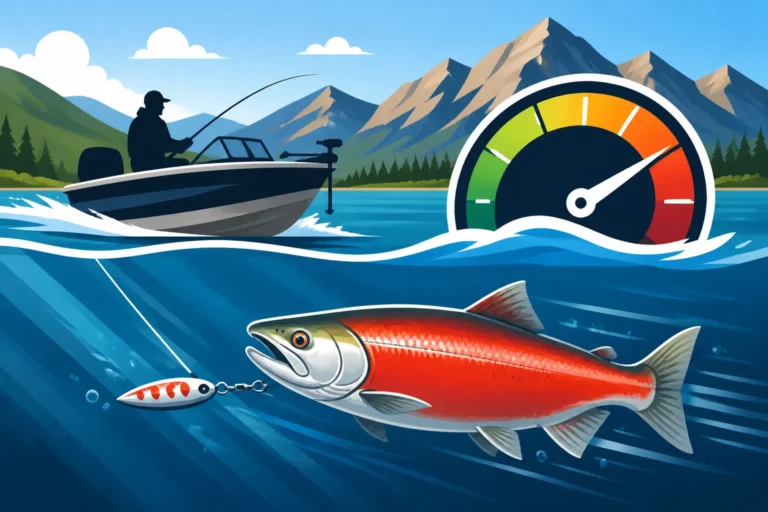
For Lake Trout, which can grow to impressive sizes in Wyoming reservoirs, trolling is a highly effective method. Using downriggers, lead core line, or heavy weights with dodgers and flashers can get spoons, large stickbaits, or tube jigs down to depths of 40 to 100 feet or more. Understanding how to troll for Lake Trout in deep water is key, as speed, lure color, and depth can all make a significant difference. Fishing at Flaming Gorge Reservoir, for instance, often requires this kind of precision to tempt the large Mackinaw. For Walleye, jigging is a popular technique. Vertical jigging with a spoon or a soft plastic on a jig head directly over submerged structure, humps, or drop-offs can be incredibly productive. These fish are ambush predators, and presenting a bait right in their strike zone can elicit a swift bite.
Effective Spin Fishing and Bait Tactics
Fly fishing gets a lot of glory, but spin fishing and bait fishing are incredibly effective and accessible methods for summer angling across Wyoming. For many, these are the techniques they grew up with, and they continue to produce fantastic results, especially for beginners or those targeting a wider variety of species. Spin fishing allows for covering a lot of water quickly and using a diverse range of lures. Small spinners like Mepps or Panther Martins, spoons, and various soft plastic grubs or swimbaits can be highly effective for rainbow trout, cutthroat, and even smallmouth bass in reservoirs.
When considering the best lures for Wyoming Rainbow Trout, it's hard to go wrong with classic inline spinners or small spoons in silver, gold, or brass. For warmer waters or when targeting panfish and bass, crankbaits or even topwater lures can be exciting options. Bait fishing, while often overlooked, remains a simple and highly effective technique. Worms, PowerBait, and salmon eggs are perennial favorites for stocked trout in lakes and ponds, particularly for family fishing trips. Just remember to check local regulations, as bait restrictions apply on many of Wyoming's blue-ribbon trout streams and rivers to protect wild populations. A good tackle box, easily found on Amazon, stocked with a variety of these basics will serve you well.
Targeting Wyoming's Prime Summer Species
Wyoming is blessed with an incredible diversity of fish, and while trout are often the stars of the show, summer offers fantastic opportunities to target many other species, from warmwater predators to high-alpine gems. Knowing which species are active and where to find them is paramount to a successful summer fishing experience.
Finding Hungry Trout in Warm Weather
Even when rivers heat up, you can still find plenty of hungry trout – you just need to adjust your expectations and locations. As mentioned, early mornings and late evenings are prime times on rivers. During the day, trout will seek thermal refuges: deep pools, areas with cold tributary inflows, or sections with heavy shade. Learning to read riffles and runs on Wyoming trout streams to identify these holding spots becomes critical. Larger, more mature trout are often more resilient to warmer water and may hold in these deeper, cooler pockets.
For those still dreaming of large browns, fall spawning runs for Wyoming brown trout are often preceded by summer feeding binges, so keep an eye out for these opportunistic feeders in cooler water. While they may not be as aggressive as during a full-blown hatch, they'll still take a well-presented nymph or streamer if it's right in front of them. Focus on clear, deep pockets on rivers like the Snake or the Green, especially in their upper reaches where water temperatures stay naturally cooler.
Summer Strategies for Walleye and Other Warmwater Fish
Summer is truly peak season for warmwater species like Walleye, Smallmouth Bass, Perch, and even Catfish in Wyoming's larger reservoirs. Unlike trout, these fish thrive in warmer temperatures and are actively feeding throughout the day. Reservoirs like Boysen, Glendo, Keyhole, and Flaming Gorge become prime destinations for anglers looking to fill a cooler.
For Walleye, focus on main lake points, submerged islands, rocky humps, and the edges of drop-offs where they ambush baitfish. Jigging, trolling with crankbaits, or drifting with bottom bouncers and live bait (like nightcrawlers or leeches) are all highly effective. Finding Walleye behavior in Wyoming reservoirs often means studying maps for structure and concentrating your efforts around these features. Boysen Reservoir's best walleye water can be phenomenal during the summer months. Smallmouth Bass will be hugging rocky shorelines, riprap, and submerged timber. Topwater lures, spinnerbaits, crankbaits, and soft plastic presentations like tubes or shaky heads can all entice aggressive strikes from these hard-fighting fish. Don't forget the humble Yellow Perch, especially great for kids, which can be caught in large numbers with small jigs or pieces of worm.
Pursuing High-Alpine Golden and Brook Trout
For those willing to put in the effort, Wyoming's high country offers a summer fishing experience like no other. Once the snow melts and trails become accessible, the state's thousands of high-alpine lakes become fishable. These pristine waters, often nestled in stunning mountain cirques, are home to species like Golden Trout and Brook Trout, alongside native Cutthroat. The appeal here isn't just the fish, but the entire wilderness experience.
These lakes are typically ice-free from July through September, offering a relatively short but intense fishing season. Golden Trout in Wyoming's high lakes are a sight to behold, with their brilliant colors, and Brook Trout in Wyoming's mountain streams offer endless fun. The fish in these remote lakes are often less pressured and eager to take a fly or a small spinner. Light tackle is generally preferred for the hike in and the often smaller size of these fish. Fly anglers can find success with small dry flies or emergers, while spin fishers can use compact spinners or tiny spoons. Always be prepared for variable weather conditions when venturing into the high country, and consult maps for high-elevation lakes in the Wind River Mountains or other ranges.
Top Summer Fishing Destinations in Wyoming
Wyoming's angling opportunities are incredibly diverse, and the summer season truly opens up the entire state. From iconic rivers to hidden alpine gems and massive reservoirs, there's a spot for every type of angler and every target species. Choosing where to go depends on your preference for solitude, the species you're chasing, and how far off the beaten path you're willing to venture.
Productive Rivers and Tailwaters
Even with summer's heat and lower flows, many of Wyoming's rivers and tailwaters remain highly productive. Tailwaters, rivers flowing out of the base of large dams, are particularly excellent choices. The water released from the bottom of reservoirs is consistently cold, providing a perfect environment for trout even on the hottest days. The Miracle Mile Stretch of Wyoming's North Platte River and the Gray Reef section near Casper are prime examples, offering some of the best fly fishing in the world for large rainbow and brown trout. These sections often require specific nymphing or streamer fishing techniques due to the consistent flows and often abundant subsurface food sources.
Other rivers, like the Snake River in Jackson Hole, offer stunning scenery and excellent trout fishing, particularly for Snake River Fine-Spotted Cutthroat Trout. The Green River below Flaming Gorge Dam is another phenomenal tailwater fishery known for its trophy trout. While these rivers can draw crowds, especially the famous sections, their sheer length often allows for finding less pressured water with a bit of effort. For those interested in deeper insights, reading the Wyoming fishing regulations booklet is always a good idea to understand any specific rules for these waters.
Serene High-Mountain Lakes
If solitude and breathtaking scenery are high on your list, then Wyoming's high-alpine lakes are your summer sanctuary. Scattered across the state's mountain ranges – the Wind Rivers, Bighorns, Tetons, and Absarokas – these lakes offer a truly wild fishing experience. Many require a hike, ranging from a moderate trek to a strenuous multi-day backpacking trip, but the reward is often a pristine lake teeming with eager trout. These can be golden trout, brook trout, various subspecies of cutthroat, and occasionally rainbow trout.
The timing here is key; most high lakes are ice-free from July through September. Early season after ice-out can be fantastic as fish are hungry. Fishing Wyoming's high-alpine lakes worth the hike is an adventure in itself. You'll often find fish close to shore in the mornings and evenings, feeding on insects. During the day, they might move to deeper water, but given the relatively small size and clear water of many alpine lakes, they often remain accessible. Pack light, be prepared for sudden weather changes, and always practice leave-no-trace principles to preserve these fragile environments.
Bountiful Reservoirs for All Species
Wyoming's large reservoirs are powerhouses of fishing opportunity, particularly during the summer. They offer diverse habitats and support a wide array of species, making them fantastic choices for anglers targeting everything from trout and salmon to walleye and bass. Flaming Gorge Reservoir, straddling the Wyoming-Utah border, is famous for its massive Lake Trout, Kokanee Salmon, and growing population of Smallmouth Bass. Boysen Reservoir is a renowned destination for Walleye and Ling (burbot), while Glendo Reservoir is popular for Walleye and Perch.
These expansive bodies of water allow for a variety of fishing styles, from trolling deep for Lake Trout, jigging structure for Walleye, to casting shorelines for bass. Many reservoirs also have good populations of stocked Rainbow Trout, offering consistent action. For example, Pathfinder Reservoir is known for trophy trout fishing. Whether you prefer fishing from a boat or from the bank, these reservoirs provide ample access and amenities, including boat ramps, campgrounds, and even marinas. Check out the best Wyoming reservoirs for walleye for specific tips on finding these toothy critters in summer.
Here's a quick look at some popular summer species and their preferred conditions:
| Species | Preferred Summer Conditions | Best Techniques | Typical Habitat | Notes |
|---|---|---|---|---|
| Rainbow Trout | Cooler river sections, stocked lakes | Spinners, PowerBait, Nymphs | Riffles, runs, lake drop-offs | Active early/late; seek cooler water in heat |
| Brown Trout | Deep pools, undercut banks | Streamers, Nymphs | Structured river banks, deep holes | Nocturnal feeders; opportunistic |
| Cutthroat Trout | Cooler rivers, high-alpine lakes | Dry flies, Nymphs, Spinners | Freestones, lake inlets/outlets | Wyoming's state fish; delicate |
| Lake Trout (Mackinaw) | Deep, cold water (thermocline) | Trolling, Jigging | Deep lake basins, submerged humps | Primarily boat fishing; large lures |
| Walleye | Structure, points, drop-offs | Jigging, Trolling, Bottom Bouncers | Reservoir points, submerged structure | Best in low light; great table fare |
| Golden Trout | High-altitude, clear lakes | Small flies, Spinners | Alpine lakes, rocky shores | Beautiful, remote; often smaller size |
| Brook Trout | Small streams, high-alpine lakes | Small flies, Spinners | Brushy streams, lake edges | Eager biters; often numerous |
Essential Gear and Responsible Summer Angling
Heading out for a summer fishing trip in Wyoming isn't just about knowing how to fish, but also what to bring and how to act responsibly. The wildness of Wyoming is part of its allure, but it also means being prepared and adhering to ethical angling practices to protect these precious resources for future generations.
Must-Have Equipment for Summer Success
Regardless of whether you're fly fishing a river or trolling a reservoir, some core gear is essential for comfortable and successful summer angling. First and foremost, sun protection is critical. High elevations mean intense UV rays, so a wide-brimmed hat, polarized sunglasses (a non-negotiable for spotting fish and protecting your eyes), and plenty of high-SPF sunscreen are vital. Lightweight, long-sleeved shirts with UPF protection are also a game-changer for staying cool and preventing sunburn. Many reputable brands offer excellent options, readily available on Amazon.
Beyond personal protection, consider your specific fishing scenario. For river wading, breathable waders and sturdy wading boots are a must, even in summer, as water temperatures can still be quite cold. A good fishing vest or pack to carry essential tools, extra leaders, tippet, and fly boxes keeps everything within reach. For boat fishing, a quality cooler with plenty of ice to keep your catch fresh (if you're keeping fish) and stay hydrated is indispensable. Always have a first-aid kit, a headlamp for early morning or late evening excursions, and enough water and snacks. A multi-tool or fishing pliers, a net, and clippers are small but mighty essentials.
Practicing Responsible Catch-and-Release
While Wyoming offers opportunities to harvest fish, many anglers choose to practice catch-and-release, especially for native species or larger trophy fish. This is particularly important during the warmer summer months when fish are already under stress. The goal is to minimize harm to the fish so it can survive to be caught another day, or to spawn.
Here are some best practices:
- Handle Fish Gently: Wet your hands before touching a fish to protect its slime coat, which is vital for disease prevention. Avoid squeezing the fish, especially around its belly.
- Minimize Air Exposure: Keep the fish in the water as much as possible. If you want a photo, get it ready beforehand, quickly lift the fish, snap the picture, and return it to the water immediately. For trout, every second out of water counts.
- Use Barbless Hooks: Barbless hooks greatly reduce tissue damage and make hook removal much easier and quicker. You can often pinch down the barb on your existing hooks with pliers.
- Revive the Fish: If a fish seems sluggish, hold it gently in the water, facing upstream, allowing water to flow over its gills until it swims away under its own power. Don't throw it back forcefully.
- Know When to Release: During extreme heat, consider ceasing fishing altogether, especially for cold-water species like trout. If you notice fish struggling significantly upon release, it's a clear sign that water temperatures are too high. Responsible angling prioritizes the health of the fishery. Catch and release best practices for trout are not just suggestions, but critical for maintaining healthy fish populations.
Protecting Wyoming's Fisheries from Invasive Species
One of the biggest threats to Wyoming's pristine waters and native fish populations are aquatic invasive species (AIS) such as zebra mussels and quagga mussels. These invaders can outcompete native species, clog infrastructure, and irrevocably alter ecosystems. The Wyoming Game and Fish Department (WGFD) takes this threat very seriously, and every angler plays a crucial role in preventing their spread.
Before you launch any watercraft in Wyoming, including kayaks, canoes, and float tubes, you are required to stop at an authorized AIS inspection station. This mandatory inspection ensures your boat is clean, drained, and dry. Even if you're just moving between lakes within Wyoming, or entering from another state, an inspection is required. This isn't just a suggestion; it's the law, and fines for non-compliance are steep. Always remember the "Clean, Drain, Dry" principle for all your gear:
- Clean: Remove all visible mud, plants, fish, and aquatic organisms from your boat, trailer, waders, and fishing gear.
- Drain: Pull all drain plugs and drain water from all compartments, livewells, bilge, and engine.
- Dry: Allow all equipment to thoroughly dry before using it in another water body. If drying isn't possible, an inspection is absolutely essential. By taking these simple steps, you're actively participating in the vital effort to protect Wyoming's incredible fisheries. Protecting Wyoming's fisheries from invasive species is a shared responsibility, and it's something every angler should take seriously.
Disclaimer
Please remember that fishing regulations in Wyoming can change. Always consult the most current Wyoming Game and Fish Department regulations booklet before heading out, as rules and limits can vary by water body and species. This guide provides general information and recommendations, but it is your responsibility to know and follow all applicable laws.