What Waters Are Excluded From Wyoming’s Free Fishing Day
There’s nothing quite like the excitement of Wyoming’s Free Fishing Day, a special opportunity for folks to cast a line without needing a state fishing license. It's a fantastic way to introduce new anglers to the sport or just enjoy a spontaneous day on the water. However, many people get caught off guard, assuming that "free" means "fish anywhere." This isn't quite the case, and misunderstanding where you can and can't fish on this day can quickly turn a fun outing into a frustrating experience. This guide is here to clear up that confusion, detailing exactly which waters are excluded from Wyoming's Free Fishing Day.
Understanding Wyoming's Free Fishing Day Concept
Wyoming's Free Fishing Day is a wonderful initiative by the Wyoming Game and Fish Department (WGFD), designed to encourage participation in angling. It typically happens once a year, providing a unique window for both residents and nonresidents to enjoy the state's incredible fishing opportunities without the usual licensing requirement. But while the spirit is open and inviting, the rules aren't quite as universal as some might hope.
The Spirit of Free Fishing Day
The core idea behind Free Fishing Day is accessibility. It breaks down a common barrier for entry—the cost and administrative step of purchasing a license—allowing people who might not otherwise try fishing to experience it. For families, it's an excellent chance to spend time outdoors, perhaps at a local community pond or a easily accessible river, without having to buy a full suite of licenses for everyone. It's a day to celebrate Wyoming's abundant natural resources and share the joy of fishing, fostering a connection between people and the environment. However, this accessibility is specifically for state-managed waters, meaning there are crucial distinctions to understand when it comes to various land and water jurisdictions across our expansive state.
When Free Fishing Day Falls in Wyoming This Year
It’s always a good idea to mark your calendar! Free Fishing Day in Wyoming usually takes place on the first Saturday in June. This timing is fantastic because it often coincides with generally pleasant weather, making it ideal for a family outing before the full heat of summer truly sets in and before many of the summer tourist crowds fully arrive. While the date is generally consistent, it's always wise to double-check the official Wyoming Game and Fish Department website or their annual regulations booklet to confirm the exact date for the current year. You can also find more specifics by looking up articles like When Free Fishing Day Falls in Wyoming This Year which will have the most up-to-date information. Knowing the precise date is your first step to planning a legal and enjoyable free fishing adventure.
Specific Waters You Cannot Fish on Free Fishing Day
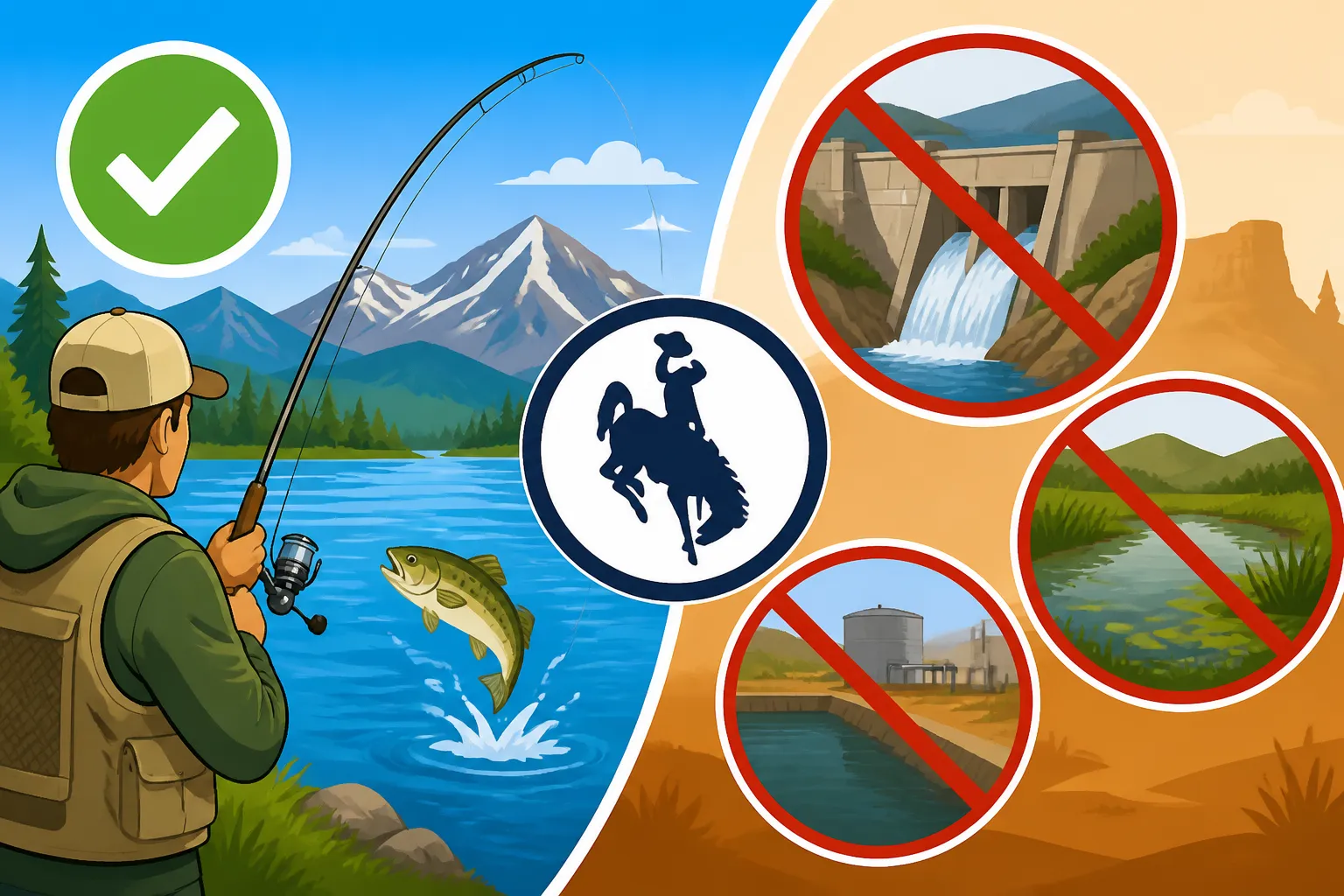
This is where many anglers, especially those new to Wyoming or visiting from out of state, can get into a bind. The "free" aspect only applies to state licensing requirements, not to the additional permits or rules that govern federal lands, tribal reservations, or private waters. It’s a common misconception that all public waters are fair game, and unfortunately, that can lead to fines and frustration. It's really important to understand these boundaries before you head out, because ignorance of the law is never an excuse.
Federal Lands and National Parks
Perhaps the most significant and frequently misunderstood exclusion relates to federal lands, specifically our iconic National Parks. If you're dreaming of casting a line in the pristine waters within Yellowstone National Park or Grand Teton National Park on Free Fishing Day, you'll be disappointed. These lands operate under their own distinct sets of regulations and permitting systems, which are separate from Wyoming state law.
For instance, fishing inside Yellowstone National Park requires a specific Yellowstone National Park fishing permit, which you must purchase separately. Your Wyoming state fishing license, even if you normally carry one, is not valid within the park boundaries, and neither is the "free" aspect of Wyoming's Free Fishing Day. The same goes for Grand Teton National Park; while some waters within the park might look accessible, they still require adherence to federal park regulations and often a separate permit. It's crucial to consult the park's specific rules before planning a trip. For detailed information, you can read up on (Fishing Rules Inside Yellowstone National Park) or(Fishing Rules Inside Grand Teton National Park) to understand what's required there. Imagine driving all the way to Yellowstone, excitedly grabbing your rod, only to be told you can't fish without buying a federal permit! That's a real bummer, so always plan ahead.
Tribal Reservations and Special Management Areas
Wyoming is home to various tribal lands, most notably the Wind River Indian Reservation, which is managed by the Eastern Shoshone and Northern Arapaho Tribes. Fishing on these lands requires a tribal fishing permit, which is completely separate from a state fishing license and, naturally, is not covered by Wyoming's Free Fishing Day. The tribes have sovereign authority over their lands and resources, and they set their own regulations, seasons, and permit fees to manage their fisheries.
Attempting to fish on the Wind River Reservation without the proper tribal permit, even on Wyoming's Free Fishing Day, is a serious violation and can lead to significant penalties. This isn't just a matter of different rules; it's about respecting tribal sovereignty and their management practices. If you're interested in exploring these unique and often productive waters, you must purchase the appropriate tribal permit. For more comprehensive information on this topic, refer to Fishing Wyoming's Tribal Waters and Wind River Reservation Rules. It’s always best to be overly cautious and ensure you have the correct documentation for any water you intend to fish.
Private Waters and Commercial Operations
While most people understand that private property generally requires permission to access, it's worth reiterating for fishing, especially on Free Fishing Day. If a lake, pond, or stream is entirely enclosed within private land and not open to public access through easements or state agreements, you absolutely need the landowner's explicit permission to fish it. Wyoming's Free Fishing Day does not grant you the right to trespass on private property, nor does it override any existing private water access rules.
Beyond private land, there are also commercial fishing operations, private fishing clubs, or pay-to-fish ponds. These ventures often operate outside the typical state licensing structure by charging a fee for access and fishing privileges. Just like with private land, Free Fishing Day doesn't grant free access to these commercial enterprises. Their business model relies on charging for the fishing experience, and a statewide free day doesn't change that. Always be aware of signs indicating private property or commercial operations, and when in doubt, assume you need permission or a specific fee to fish. This includes many of the exclusive fishing lodges and resorts that offer private water access as part of their package; the free day won't apply there.
Why These Exclusions Exist
Understanding why certain waters are excluded from Free Fishing Day isn't just about memorizing rules; it helps you appreciate the complex tapestry of land management and conservation in Wyoming. It's not about being restrictive for the sake of it, but rather about maintaining ecological balance, respecting diverse authorities, and funding critical conservation efforts.
Jurisdictional Authority and Management
The primary reason for these exclusions boils down to who has the legal authority to manage a specific piece of land or water. The Wyoming Game and Fish Department has jurisdiction over state-owned and state-managed public waters. Their regulations, including the Free Fishing Day waiver, apply within these defined boundaries.
However, when you step onto federal lands like National Parks, the authority shifts to federal agencies (e.g., the National Park Service). These agencies have their own mandates, often focusing on preservation, and their own fee structures to support park operations and wildlife management. Similarly, sovereign tribal nations, like the Eastern Shoshone and Northern Arapaho Tribes on the Wind River Reservation, have the inherent right to govern their own territories and resources. They manage their fisheries independently, with their own conservation goals and revenue generation systems. The state of Wyoming simply cannot unilaterally impose its fishing regulations or license waivers on these separate jurisdictions. It’s a matter of respecting distinct legal frameworks and ensuring coordinated, rather than conflicting, management of natural resources.
Conservation and Revenue Generation
Fishing licenses, permits, and stamps are not just bureaucratic hurdles; they are vital tools for conservation. The revenue generated from the sale of Wyoming fishing licenses, for instance, directly funds the WGFD's efforts in fish stocking, habitat improvement, population surveys, law enforcement, and educational programs. When you purchase a license, you're directly contributing to the health and sustainability of Wyoming's fisheries for future generations.
Similarly, federal park permits and tribal permits contribute to the management and conservation efforts within those specific jurisdictions. If all waters were "free" all the time, or even on a single designated day without these specific exclusions, the financial resources necessary to maintain healthy fish populations and habitats would dry up. Free Fishing Day is a targeted event, a calculated balance between promoting angling and ensuring that the vast majority of fishing activities continue to generate the essential funds needed for ongoing conservation work. It’s a way to offer a taste of fishing without undermining the long-term financial stability of resource management. In fact, many anglers who enjoy Free Fishing Day might then be encouraged to buy a full license, recognizing the value it provides.
Protecting Special Fisheries
Many of the excluded waters, particularly within National Parks or some tribal lands, often contain unique or sensitive fisheries. For example, Yellowstone National Park is a critical stronghold for native Yellowstone Cutthroat Trout, a species that requires careful management and protection from invasive species like Lake Trout. The park's specific permit requirements and regulations are often designed with these sensitive ecosystems and species in mind, ensuring that fishing pressure is managed, and conservation goals are met.
Introducing a blanket "free fishing" policy to these areas, even for a single day, could inadvertently put these delicate populations at risk or complicate ongoing conservation projects. The specific rules for these waters, which you can usually find in sections like (Wyoming Fishing Regulations Every Angler Should Know) or(Where to Find Current Wyoming Fishing Regulations), are often more stringent precisely because the resources they protect are so valuable and vulnerable. By maintaining separate rules and requiring specific permits, these authorities can ensure tailored management that serves their unique conservation priorities, rather than a one-size-fits-all approach that might not be suitable for such precious natural assets.
How to Ensure You're Fishing Legally on Free Fishing Day
It can feel overwhelming sometimes, trying to keep track of all the different rules and regulations. But don't let the thought of navigating the nuances of Wyoming's Free Fishing Day deter you from enjoying it! A little bit of preparation goes a long way to ensure your day on the water is filled with enjoyment, not legal woes. The key is proactive research and having a healthy respect for the rules.
Consulting the Official Wyoming Fishing Regulations Booklet
Your absolute best friend when it comes to understanding Wyoming's fishing rules is the official Wyoming Fishing Regulations booklet. This isn't just some dry government document; it's a comprehensive guide packed with all the information you need, including specific rules for various waters, bag limits, and, crucially, details about Free Fishing Day. The WGFD publishes a new booklet every year, typically in January, which outlines all the current regulations.
You can usually pick up a physical copy at any WGFD office, most sporting goods stores, or even places like Walmart that sell fishing licenses. Many anglers also find it convenient to download the digital version from the WGFD website, which you can keep on your phone or tablet. Before heading out on Free Fishing Day, take some time to really read through the sections on general regulations and any specific waters you plan to visit. It will clearly state which waters are exempt from the general state license requirement for that particular day. You can also gain some great insights by checking out Reading the Wyoming Fishing Regulations Booklet for tips on how to navigate this important document. Having this resource at your fingertips, even if it's just a PDF, is invaluable for legal and ethical angling.
Checking Specific Water Restrictions
While the general regulations booklet is excellent, sometimes specific waters have unique rules that are called out within the booklet itself or on the WGFD's website. For example, a particular reservoir might have a special slot limit for Walleye, or a certain river stretch might require barbless hooks. Even if Free Fishing Day waives the license requirement, it doesn't waive other specific regulations for that body of water.
This is especially true for waters that might border different jurisdictions or have sensitive fish populations. Always check for any signs posted at public access points, as these will often highlight critical local rules. If you're planning to fish a popular spot, a quick search on the WGFD website for that specific water body can often reveal any special provisions. For instance, the New Snake River Trout Limits Near Jackson Lake Dam article highlights how rules can change for very specific areas. Don't assume that because it's Free Fishing Day, all other rules are suspended. They are not. Bag limits, tackle restrictions, and species-specific rules still apply. It's your responsibility as an angler to know these details to avoid potential citations.
When in Doubt, Get a License
This is perhaps the most straightforward and stress-reducing advice: if you have any doubt whatsoever about whether a particular water body is covered by Free Fishing Day, or if you're planning an extended trip beyond just that one day, just buy a license. Seriously, a Wyoming fishing license is an investment in your peace of mind and the state's incredible fisheries.
For residents, an annual license is incredibly affordable, and even for nonresidents, there are options like a daily or five-day license that can be very reasonable, especially if you plan to fish for a few days or multiple times a year. Getting a license ensures you're covered for virtually all state-managed waters, regardless of the date. You can purchase one online through the WGFD website or at numerous vendors across the state, including many sporting goods stores and even some grocery or convenience stores. The process is usually quick and painless. Don't let the potential for a small cost overshadow the risk of a citation and fine, which will undoubtedly be much more expensive and much less fun. You can easily find information about (Wyoming Nonresident Fishing License Cost) or(Wyoming Resident Fishing License Cost) to see just how affordable a license can be. Plus, it's a direct contribution to conservation, which is something we can all feel good about. Even if you're just picking up a new tackle box or some extra lures from a place like Amazon, you can also easily grab your license online to ensure you're squared away for the season.
Summary of Free Fishing Day Exclusions
To help you quickly reference what's what, here's a handy table outlining the general status of different water types on Wyoming's Free Fishing Day. Remember, this is a general guide, and specific regulations always supersede general information.
| Water Type | Free Fishing Day Applies? | Additional Permits/Licenses Needed? | Primary Governing Authority | Common Examples |
|---|---|---|---|---|
| Wyoming State Public Waters | YES | No (for state license) | Wyoming Game and Fish Department | Most rivers, streams, lakes, reservoirs |
| Yellowstone National Park | NO | Yes (NPS Fishing Permit) | National Park Service | Yellowstone Lake, Yellowstone River |
| Grand Teton National Park | NO | Yes (NPS Fishing Permit) | National Park Service | Jackson Lake, Snake River within GTNP |
| Tribal Reservation Waters | NO | Yes (Tribal Fishing Permit) | Tribal Governments | Wind River Indian Reservation |
| Private Waters | NO | Yes (Landowner Permission) | Private Landowner | Any lake or stream on private land without public access |
| Commercial/Pay-to-Fish Areas | NO | Yes (Operator Fee) | Commercial Operator | Private fishing clubs, pay ponds |
| Designated Wilderness Areas | YES (if state-managed) | No (for state license), but may require special access permits for the area | Varies (WGFD, USFS, BLM) | High-alpine lakes in National Forests (check specifics) |
Disclaimer
The information provided in this article is for general guidance and informational purposes only. While we strive to be accurate and up-to-date, fishing regulations can change. Always consult the official Wyoming Game and Fish Department regulations booklet or their website for the most current and specific rules and requirements before engaging in any fishing activities.