Fishing Wyoming’s Tribal Waters and Wind River Reservation Rules
One of the trickiest parts about planning a fishing trip in Wyoming isn't just picking the right fly or finding that secret spot; it's navigating the maze of regulations, especially when you venture beyond state-managed waters. Many anglers, myself included, have felt a pang of uncertainty when considering fishing on tribal lands, wondering if their standard Wyoming license is valid, where to get a permit, and what rules actually apply. This comprehensive guide is here to clear up that confusion, focusing specifically on the Wind River Reservation and its unique fishing opportunities and regulations.
Understanding the Sovereignty of Tribal Lands
It’s easy to think of Wyoming as one big state with one set of fishing rules, but that's simply not the case. Within its borders lie sovereign Native American tribal lands, and these areas operate under their own distinct legal frameworks and governance. This distinction is absolutely crucial for any angler planning to cast a line there.
The Legal Framework: State vs. Tribal Authority
The concept of tribal sovereignty means that Native American tribes possess inherent rights of self-governance, predating the formation of the United States. While they exist geographically within state boundaries, their lands are not "state land" in the typical sense. This includes the management of natural resources like fish and wildlife. The Wyoming Game and Fish Department (WGFD) has jurisdiction over most public and private waters throughout Wyoming, but tribal lands are a significant exception.
On tribal lands, it's the tribal government, through its own fish and game departments, that sets the rules. This means that your standard Wyoming Fishing Regulations Every Angler Should Know and your Wyoming Fishing License Guide for Nonresidents or resident license do not grant you permission to fish on reservation waters. It's a completely separate system, designed to manage resources for the benefit of tribal members and, often, to offer controlled access to non-tribal anglers. Failing to understand this fundamental difference can lead to serious legal consequences and a profound lack of respect for tribal customs and laws.
Why Separate Regulations Exist
The reasons for separate regulations are deeply rooted in history, tribal culture, and resource management. Tribes have a long-standing connection to their land and its resources, often managing them for subsistence, cultural practices, and economic development. Their regulations are tailored to specific conservation goals, traditional uses, and often reflect a deeper, holistic approach to ecosystem health.
For instance, certain species might hold particular cultural significance, leading to different harvest limits or seasons than those found off-reservation. The management goals might also prioritize the health of specific fisheries, like the native cutthroat populations, in ways that differ from statewide strategies. It's not just about rules for the sake of rules; it's about protecting heritage, ensuring sustainability for future generations, and maintaining sovereign control over their territory. When you fish on tribal lands, you are not just buying a permit; you are entering into an agreement to respect these unique principles and contribute to their conservation efforts.
Focusing on the Wind River Reservation
When we talk about tribal fishing in Wyoming, the conversation invariably turns to the Wind River Reservation. It's the largest Indian reservation in Wyoming, covering a vast and incredibly diverse landscape that ranges from high mountains and pristine alpine lakes to fertile river valleys and arid plains. This expansive territory, shared by the Eastern Shoshone and Northern Arapaho Tribes, offers some truly remarkable fishing opportunities that are distinct from those found elsewhere in the state.
Who Manages Wind River Reservation Fisheries
Unlike the rest of Wyoming, where the Wyoming Game and Fish Department calls the shots, fishing within the Wind River Reservation is managed by the Shoshone and Arapaho Fish and Game Department. This tribal agency is responsible for everything from setting fishing seasons and bag limits to stocking fish and enforcing regulations. They operate independently, with their own wardens and permit system.
Their mission is to conserve, protect, and enhance the fish, wildlife, and natural resources for the benefit of the Eastern Shoshone and Northern Arapaho people, while also providing recreational opportunities for the public. This dual focus means that while they welcome non-tribal anglers, they do so under specific conditions that prioritize the long-term health of the fisheries and the rights of tribal members. It's important to remember that these are not simply "additional" rules; they are the rules for these waters, and they are enforced just as rigorously as state regulations, if not more so.
Key Differences from State Regulations
The most immediate and critical difference is, of course, the license. As mentioned, your Wyoming state fishing license, whether it's an annual or a Wyoming's Annual, Daily and Five-Day License Options, is not valid on Wind River Reservation waters. You need a separate tribal permit. But the differences don't stop there.
For example, How Bag and Possession Limits Work in Wyoming details statewide rules, but on the Reservation, these limits can vary significantly by water body and species. Some popular waters might have more restrictive limits to protect prized native fish, while others might encourage harvest of invasive species. The Wyoming Fishing Seasons and Water-Specific Closures that apply to state waters do not directly translate to the Reservation. Instead, the Shoshone and Arapaho Fish and Game Department sets its own seasons, which might open or close at different times based on tribal resource management needs, specific spawning patterns, or even cultural events. Bait restrictions, gear limitations, and even areas open to fishing can all diverge from what you're used to in other parts of Wyoming. Always assume the rules are different until you confirm otherwise with the tribal regulations booklet.
Obtaining Permits for Wind River Reservation Waters
So, you're convinced that exploring the unique fishing of the Wind River Reservation is a must-do. The next logical step is figuring out how to get your hands on the necessary permits. This isn't always as straightforward as buying a state license online, but with a little planning, it's totally manageable.
Where to Purchase Wind River Permits
The primary way to get your Wind River Reservation fishing permit is directly through the Shoshone and Arapaho Fish and Game Department. Their main office is located in Fort Washakie, which is often the most reliable place to get the most current information and purchase permits in person. However, they also have authorized vendors in other nearby towns.
You can often find permits at various sporting goods stores, gas stations, and general stores in communities like Lander and Riverton. It’s always a good idea to call ahead to these vendors to confirm they currently have permits available, especially if you're traveling a long distance. A quick web search for "Wind River Reservation fishing permits" will usually bring up a list of current vendors and contact information. While some states have robust online purchasing systems for tribal permits, the Wind River Reservation has historically relied more on in-person sales, though online options may be developing. Always check the official Shoshone and Arapaho Fish and Game website for the most up-to-date information before you head out.
Types of Permits and Associated Costs
Just like state licenses, the Wind River Reservation offers different permit types to suit various angling plans. These typically include:
- Annual Permits: Great for those planning multiple trips throughout the year. These usually run for a calendar year, similar to many state licenses.
- Daily Permits: Perfect for a quick, spur-of-the-moment trip or for anglers just passing through. These are usually valid for a single 24-hour period.
- Family Permits: Sometimes available, offering a slightly discounted rate for multiple anglers from the same household.
- Youth Permits: Often available at a reduced cost or even free for younger anglers, though age cut-offs can differ from Youth Fishing License Rules in Wyoming.
The costs for these permits are generally comparable to, or sometimes slightly higher than, Wyoming state licenses, especially for non-tribal members. For example, a non-tribal adult annual permit might cost around $100-$150, while a daily permit could be in the $20-$30 range. These fees go directly back into funding the Shoshone and Arapaho Fish and Game Department's conservation efforts, including fish stocking, habitat improvement, and enforcement. It's a direct contribution to maintaining these unique fisheries. Remember, these prices can change, so always verify the current rates when you plan your trip.
Age and Residency Requirements
The Shoshone and Arapaho Fish and Game Department has its own definitions for age and residency, which may differ from the state’s. Generally, tribal members often fish for free or at a significantly reduced rate, reflecting their inherent rights to the land and its resources.
For non-tribal members, age requirements for needing a permit typically start around 14 or 15 years old, though this can vary. For example, How Old You Have to Be to Fish Without a License in Wyoming states 14, but tribal rules might be slightly different. It's critical to check the current Wind River Reservation regulations booklet for the exact age at which a permit becomes mandatory. There’s no blanket rule for Do Kids Need a Fishing License in Wyoming? that applies across both state and tribal waters. Similarly, while Wyoming has specific criteria for What Counts as a Wyoming Resident for Licensing, the tribal definition of a "resident" would apply only to tribal members, not necessarily to someone who simply lives in the state but isn't a member of the Eastern Shoshone or Northern Arapaho Tribes. There's no such thing as a "non-tribal resident permit" for reduced rates based on your Wyoming residency; you'll typically fall under the "non-member" category for pricing.
Specific Fishing Regulations on the Wind River Reservation
Once you have your permit, it’s not just a free-for-all. The Shoshone and Arapaho Fish and Game Department has detailed regulations designed to protect their unique fisheries and ensure sustainable angling for everyone. These rules need to be understood just as thoroughly as state regulations, if not more so, because ignorance is no excuse when a tribal game warden checks your creel.
General Rules and Species-Specific Limits
Just like statewide rules that cover Wyoming's Combined Possession Limit Explained or specific Wyoming Trout Stream Daily Limit versus Wyoming Trout Lake Daily Limit, the Wind River Reservation has its own distinct daily and possession limits. These can vary dramatically from one water body to another within the reservation, reflecting the specific management goals for each lake, river, or stream. For instance, a high mountain lake known for its native cutthroat trout might have a very restrictive limit, perhaps even mandating Catch-and-Release Rules on Wyoming Waters for certain sizes or species, to protect the spawning population. Conversely, a reservoir with an overabundance of certain panfish might have a generous limit.
You might encounter different slot limits or length restrictions, particularly for trout species like rainbow, brown, or cutthroat. It's essential to read the Wind River Reservation regulations booklet carefully before heading to any specific fishing spot. The species present might also differ; while you’ll find trout, you might also find other species managed under unique rules. Don't assume that if you can keep X number of trout over 16 inches on a state stream, the same applies to the reservation.
Gear Restrictions and Bait Rules
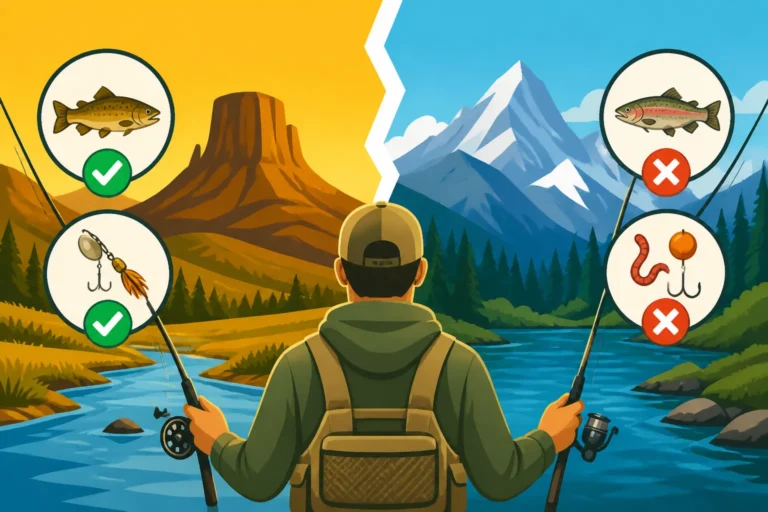
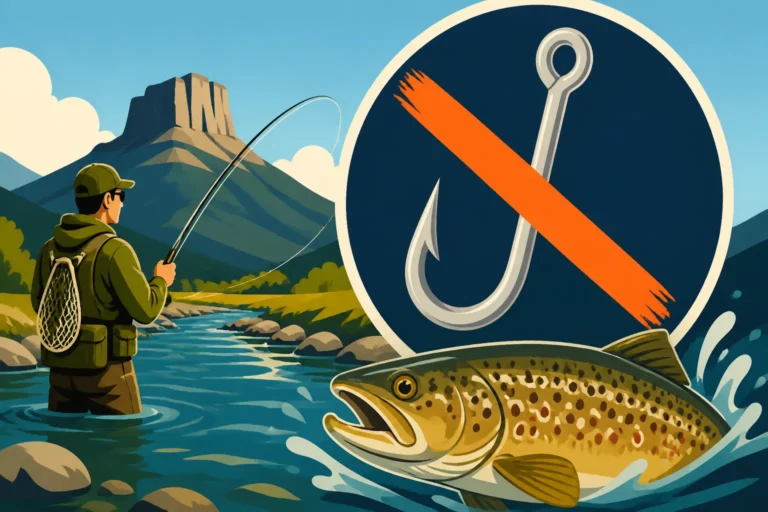
This is an area where tribal regulations often diverge significantly from state rules. While Wyoming has general rules about bait, like the legality of Are Live Minnows Legal Bait in Wyoming? in some waters or Where Bait Fishing Is Restricted in Wyoming, the Wind River Reservation can be much stricter, especially on its pristine mountain waters. Many popular trout streams and lakes within the reservation, particularly those managed for native trout populations, are designated fly-fishing or artificial lure only, and may even require single, barbless hooks. This is similar to some of the specific restrictions you might find on blue-ribbon state waters like certain sections of the North Platte, which might have Barbless Hook Requirements on the North Platte River.
It's common for bait, including live minnows, worms, and even scented artificial baits, to be completely prohibited in these sensitive areas. The reasoning is clear: to minimize harm to fish, prevent the introduction of invasive species, and ensure a more sporting experience. Anglers accustomed to bait fishing will need to adapt or seek out waters within the reservation where bait is expressly permitted. Always double-check the specific rules for your chosen destination within the reservation. Furthermore, while Two-Pole and Multiple-Rod Rules in Wyoming generally apply statewide, the tribal rules might have their own stipulations on the number of rods an angler can use at one time.
Catch-and-Release Guidelines and Special Areas
Just like in other prized fisheries, catch-and-release is a vital conservation tool on the Wind River Reservation. Where it's not explicitly required, practicing responsible catch-and-release helps ensure healthy fish populations for the future. The tribal regulations booklet will often provide guidance on proper handling techniques to minimize stress and mortality for released fish.
Beyond general regulations, the Shoshone and Arapaho Fish and Game Department might designate certain waters as "Special Regulation Areas." These are typically very sensitive fisheries, perhaps home to rare native species or critical spawning grounds, and will have even more stringent rules. These might include reduced or zero bag limits, specific seasons, or enhanced gear restrictions. For example, some tribal waters might have rules similar to the state's efforts to protect native species, such as the New Snake River Trout Limits Near Jackson Lake Dam or specific management on Why Jackson Lake Now Stays Open Through October. Anglers should pay extremely close attention to any signage at access points or specific descriptions in the regulations booklet for these special areas.
| Feature | Wyoming State Waters (General) | Wind River Reservation Waters (Example) |
|---|---|---|
| Governing Authority | Wyoming Game and Fish Department (WGFD) | Shoshone and Arapaho Fish and Game Department |
| Required License | Wyoming State Fishing License (Annual, Daily, etc.) | Wind River Reservation Permit (Annual, Daily, etc.) |
| Conservation Stamp | Required for most annual/daily licenses (e.g., Who Needs Wyoming's Conservation Stamp) | Not required; permit fee supports tribal conservation |
| General Bag Limits | Statewide default, specific water exceptions, e.g., 6 trout total daily | Varies widely by specific tribal water; can be more restrictive or lenient |
| Bait Use | Generally allowed, with water-specific restrictions (e.g., Are Live Minnows Legal Bait in Wyoming?) | Often more restrictive; many waters are "artificial lure/fly only" |
| Access Information | WGFD website, regulations booklet, access maps | Shoshone and Arapaho Fish and Game office, tribal regulations booklet, local vendors |
| Law Enforcement | WGFD Game Wardens, local law enforcement | Shoshone and Arapaho Game Wardens, tribal police |
| Residency Rates | Resident vs. Nonresident WGFD rules | Tribal member vs. Non-member rates |
Navigating Access and Respect on Tribal Lands
Fishing on the Wind River Reservation is not just about understanding the rules; it's about respecting the land, the people, and their customs. This includes understanding the nuances of access and conducting yourself in a way that is appreciative of the privilege you've been granted.
Public vs. Private Access within the Reservation
Unlike state lands where "public access" often implies open entry, access within a reservation can be more complex. While your tribal fishing permit allows you to fish in designated areas, it doesn't necessarily grant you free reign over all lands. Much of the reservation land is privately owned by tribal members, or held in trust by the federal government for tribal benefit, meaning you cannot trespass. Always stick to established roads, designated fishing access points, and clearly marked public areas.
Camping may also be restricted or require separate permits. It's crucial to consult the Shoshone and Arapaho Fish and Game Department's regulations for specific access rules and any areas that are off-limits. Using mapping apps can be helpful, but they don't always accurately distinguish between tribal public access and private tribal lands. When in doubt, err on the side of caution or seek clarification from the tribal fish and game office. Treating all land as potentially private and seeking permission or clarity is always the safest and most respectful approach.
Ethical Angling and Cultural Sensitivity
Beyond simply following the letter of the law, ethical angling on tribal lands involves a deeper level of cultural sensitivity. Remember, you are a guest on sovereign territory. This means being mindful of your actions, your waste, and your interactions with tribal members.
- Leave No Trace: Pack out everything you pack in, and perhaps even more. This includes all trash, fishing line, and any other refuse. The land is sacred, and showing respect for it is paramount. Many helpful items for this, like small trash bags or even portable fishing nets, can be found on Amazon.
- Respect Sacred Sites: Be aware that certain areas may hold cultural or spiritual significance to the tribes. If you see signs indicating a restricted area or an area of cultural importance, respect those boundaries without question.
- Be Polite and Courteous: If you encounter tribal members, offer a friendly greeting. Understand that this is their home, and their way of life may be different from yours. Avoid loud behavior or anything that could be perceived as disrespectful.
- Support Local Businesses: Whenever possible, consider purchasing your supplies, food, or gas from businesses on the reservation. This helps support the local tribal economy.
Following these guidelines not only enhances your experience but also helps foster positive relationships between anglers and the tribal community, ensuring continued access for future generations.
Staying Safe and Informed on Tribal Lands
Safety is always a priority when fishing in Wyoming's vast landscapes, and the Wind River Reservation is no exception. In fact, some areas can be quite remote, requiring extra preparedness.
- Carry Up-to-Date Maps: While a GPS is invaluable, a physical map (perhaps one you sourced from Amazon) is a great backup, especially since cell service can be spotty to non-existent in many areas.
- Be Aware of Wildlife: The reservation is home to a wide array of wildlife, including bears, mountain lions, and moose. Carry bear spray and know how to use it. Make noise while hiking, especially in dense vegetation, and store food properly.
- Inform Someone of Your Plans: Let a friend or family member know exactly where you are going and when you expect to return.
- Understand Jurisdiction: In an emergency, tribal law enforcement and emergency services will be the primary responders. Know how to contact them if needed.
- Check Weather Conditions: Mountain weather can change rapidly. Be prepared for all four seasons in a single day, even in summer.
- Keep up with Regulations: Fishing regulations, even tribal ones, can change. Always check the Shoshone and Arapaho Fish and Game website or contact their office for the most current rules before each trip. This proactive approach will save you from potential Fines and Penalties for Common Fishing Violations.
Other Tribal Waters in Wyoming
While the Wind River Reservation is undoubtedly the most prominent tribal fishing opportunity in Wyoming, it's worth briefly touching on the broader context of tribal lands and fishing across the state. However, the reality is that the vast majority of regulated tribal fishing for non-tribal members is concentrated on the Wind River Reservation.
Are There Other Major Tribal Fisheries?
For most non-tribal anglers, when you hear "fishing tribal waters in Wyoming," it almost exclusively refers to the Wind River Reservation. While other tribal lands may exist within Wyoming's borders, they typically do not offer public fishing permits or opportunities for non-tribal members in the same way. The Eastern Shoshone and Northern Arapaho Tribes have a well-established system for managing their fisheries and offering access.
It’s crucial not to conflate this with other situations, such as fishing the portions of national parks that might technically overlap with tribal ancestral lands. For example, while Fishing Rules Inside Yellowstone National Park and Fishing Rules Inside Grand Teton National Park have their own specific regulations and require federal permits (in addition to state licenses in certain areas outside park boundaries), these are managed by the National Park Service, not directly by a tribal fish and game department with a separate permit system for non-tribal members. Understanding these nuances is key to knowing what license you actually need.
The Importance of Checking Specific Tribal Rules
This point cannot be stressed enough: always assume rules are different and check directly with the specific tribal entity if you are considering fishing on any land that you suspect might be tribal territory. Never rely on assumptions or information meant for state waters. Even if another tribal nation were to offer fishing access in Wyoming, their rules would likely be entirely unique to that tribe and their specific waters.
The best source for information will always be the official fish and game department of the tribe that holds jurisdiction over the land you wish to visit. A simple internet search for the tribal nation's name along with "fish and game" or "fishing permits" should lead you to their official resources. If you can't find clear information about public access and permits, it's safest to assume that fishing by non-tribal members is either not permitted or requires a direct inquiry. This due diligence ensures you comply with local laws and respect tribal sovereignty.
Consequences of Violating Tribal Fishing Regulations
Thinking you can just fish on tribal lands with your state license, or ignoring their specific regulations, is a serious mistake. The consequences for violating tribal fishing laws can be significant, far-reaching, and often more complex than state-level infractions. It’s not just about a fine; it’s about respecting sovereignty.
Penalties and Enforcement
Tribal game wardens and tribal police have full authority to enforce the regulations of their respective nations. If you are caught fishing without a valid tribal permit, exceeding bag limits, using illegal bait, or trespassing on private tribal lands, you could face:
- Significant Fines: These can be comparable to, or even exceed, state fines for similar violations. For example, the Average Fine for Fishing Without a License in Wyoming can be hundreds of dollars, and tribal fines can be just as steep.
- Confiscation of Gear: Your fishing rods, tackle, and even your vehicle or boat could be confiscated.
- Arrest and Incarceration: Serious violations, especially repeat offenses or those involving trespassing, can lead to arrest and potential jail time in a tribal detention facility.
- Loss of Future Privileges: You could be banned from fishing on the reservation indefinitely, losing access to these unique and valuable fisheries.
It's important to understand that tribal legal systems operate under their own jurisdiction. This means dealing with tribal courts and legal processes, which can be unfamiliar and challenging for non-tribal members. These are not minor inconveniences; they are serious legal matters.
The Importance of Compliance for Future Access
Beyond the legal penalties, there’s a broader, ethical implication. When non-tribal members violate tribal regulations, it can erode trust and negatively impact the relationship between the tribes and the angling public. This can lead to more restrictive access policies, higher permit fees, or even the complete closure of waters to non-tribal anglers in the future.
The tribes generously open their waters to outsiders, providing incredible opportunities for unique fishing experiences. This privilege comes with the responsibility to adhere to their rules and respect their land and culture. Every angler who fishes responsibly and ethically on the Wind River Reservation helps to demonstrate that this trust is well-placed, ensuring that these waters remain accessible and healthy for generations to come. When you buy a permit and follow the rules, you're not just avoiding a ticket; you're actively contributing to the conservation efforts of the Eastern Shoshone and Northern Arapaho Tribes and helping to preserve a unique part of Wyoming's fishing heritage.
Disclaimer
Please note that fishing regulations, including those on tribal lands, are subject to change. While every effort has been made to provide accurate and up-to-date information, it is the angler's sole responsibility to consult the most current regulations directly from the Shoshone and Arapaho Fish and Game Department or the relevant tribal authority before engaging in any fishing activities. This guide is for informational purposes only and should not be considered legal advice.