Does the Gray Reef Section Require Single-Point Hooks?
It can be incredibly confusing trying to keep up with all the specific fishing regulations, especially when you're targeting a world-renowned fishery like the Gray Reef section of the North Platte River. Anglers often wonder if the same rules apply everywhere, or if certain blue-ribbon waters have their own unique mandates. This guide will dive deep into the specific hook requirements for the Gray Reef section, clarifying exactly what you need to know before you cast a line.
Understanding Gray Reef's Unique Hook Regulations
When you plan a trip to a legendary fishing spot like Gray Reef, located just south of Casper, Wyoming, you're stepping into a truly special fishery. This section of the North Platte River is famous for its prolific trout population and the chance at a true trophy, but with that prestige comes a responsibility to adhere to some very specific regulations designed to protect these incredible fish. It’s not enough to just have a valid license, you also need to know the nuances of the gear you're using.
The Specifics of the Single-Point Hook Rule
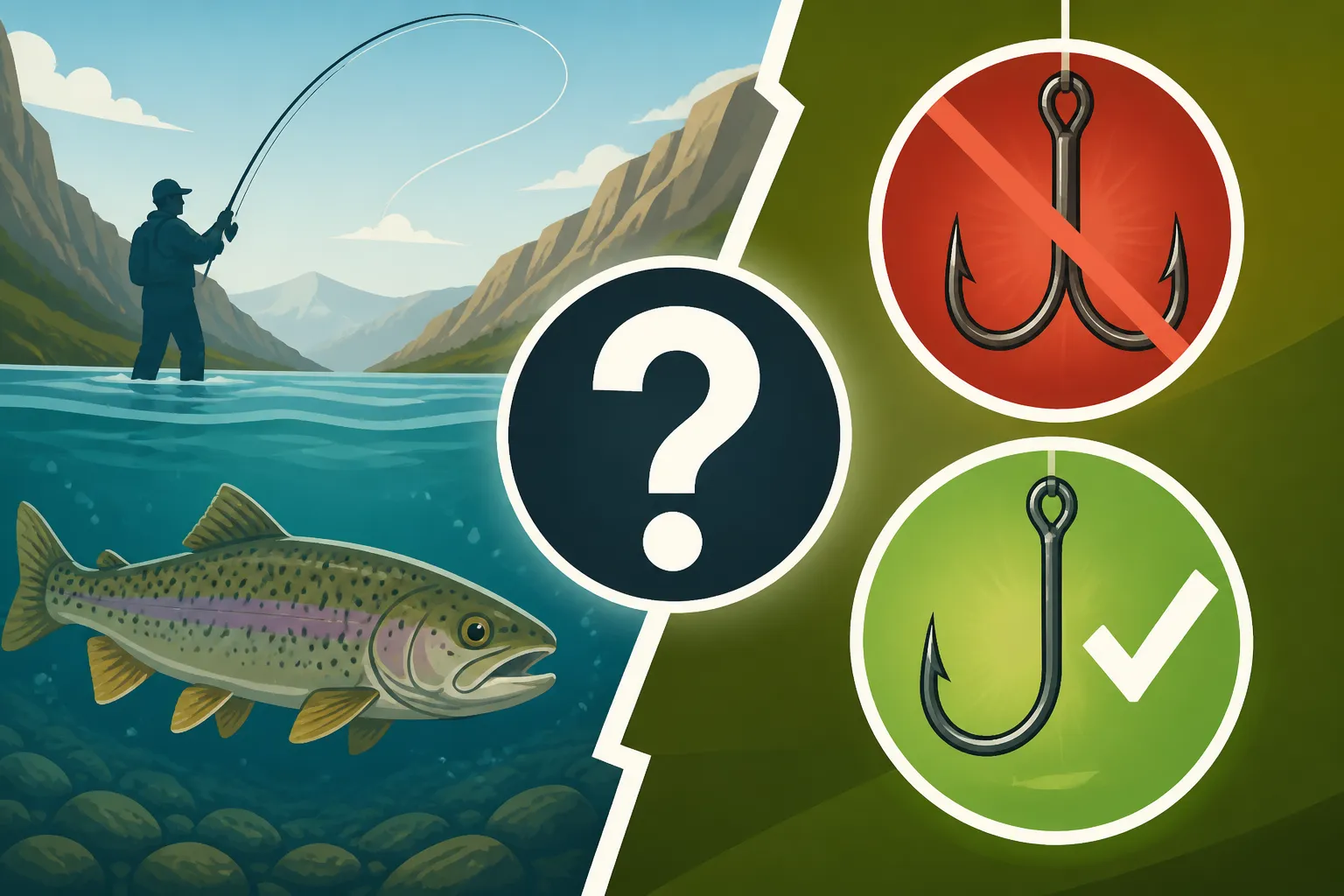
So, let's get right to the heart of the matter: Yes, the Gray Reef section of the North Platte River does require the use of single-point, barbless hooks for all artificial lures and flies. This isn't a suggestion; it's a mandatory regulation you absolutely must follow. This rule typically applies to the stretch of the North Platte River from the Gray Reef Dam downstream to the first Interstate 25 bridge. This specific area is heavily managed to maintain its status as one of the country's premier trout streams.
Many anglers arrive assuming that "artificial lures and flies" covers a broad spectrum, and while it does, the single-point, barbless modifier is the critical detail often overlooked. This means no treble hooks, no double hooks, and no barbed hooks of any kind, even if they are otherwise compliant artificial lures. It’s a strict rule enforced by Wyoming Game and Fish Department wardens, and ignorance is rarely accepted as an excuse. This particular regulation helps ensure that the river's robust trout population remains healthy and vibrant for future generations of anglers.
What "Artificial Lures and Flies" Really Means
The term "artificial lures and flies" can sometimes cause confusion, especially for those new to trout fishing or coming from areas with less stringent regulations. On Gray Reef, it means any man-made imitation designed to attract fish, whether it's a fly, a spinner, a spoon, or a hard plastic bait. The key is that it cannot be live bait, dead bait, or any organic material. This distinction is vital because the single-point, barbless rule only applies to artificial lures and flies, not to bait fishing if it were permitted in this section (which it generally isn't for trout).
For instance, if you're throwing a small spinnerbait, it must have a single, barbless hook. If you're drifting a nymph pattern, that nymph must also be tied on a single, barbless hook. Even if your fly pattern has two hooks, like some articulated streamers, it would not be legal on Gray Reef. It’s all about minimizing harm to the fish, as these waters see immense angling pressure throughout the year. For a more comprehensive overview of state-wide rules, you might find our guide on Wyoming Fishing Regulations Every Angler Should Know helpful.
Why Single-Point, Barbless Hooks Matter on Gray Reef
These specific hook requirements aren't arbitrary. They are a direct result of careful fisheries management designed to protect the very resource that makes Gray Reef so exceptional. The emphasis here is heavily on catch-and-release, which is fundamental to sustaining a world-class wild trout fishery.
Protecting Wyoming's Trophy Trout
Gray Reef is known for producing incredibly large rainbow and brown trout. These aren't just any fish; they are often mature, strong, and highly sought after by anglers. The sheer volume of fishing pressure on these waters means that individual fish can be caught multiple times throughout their lives. A barbed hook, especially a treble hook, can cause significant damage to a fish's mouth, gills, or eyes during the fight and subsequent unhooking. This damage can lead to infection, impede feeding, or even be fatal.
By requiring single-point, barbless hooks, the Wyoming Game and Fish Department is dramatically reducing the trauma inflicted on these fish. A barbless hook slides out much more easily and quickly, minimizing the time a fish is out of water or struggling. This quick release capability is critical for increasing the survival rate of caught fish, ensuring that those trophy trout continue to thrive and grow, making Gray Reef a sustainable destination for generations to come. It’s a small change in tackle that makes a huge difference in the long-term health of the fishery.
Catch and Release Ethics and Best Practices
The single-point, barbless hook rule on Gray Reef goes hand-in-hand with a strong ethic of catch-and-release. While keeping fish is permitted in some Wyoming waters, on sections like Gray Reef, the focus is squarely on conservation. This means every angler has a responsibility to handle fish with the utmost care. It’s not enough to simply use the right hook; you also need to employ best practices when landing and releasing your catch.
For example, minimizing air exposure is paramount. Try to keep the fish in the water as much as possible while unhooking it. Wet your hands before touching the fish to protect its protective slime coat. If the fish is deeply hooked, which is less common with barbless hooks, cut the line rather than trying to rip the hook out. Using a net with a rubberized mesh can also help protect the fish's fins and scales. These ethical considerations ensure that even if a fish is caught multiple times in a day, its chances of survival remain high. For more detailed information on responsible angling, check out our piece on Catch-and-Release Rules on Wyoming Waters.
Gear Considerations for Fishing Gray Reef
Since the hook regulations are so specific, preparing your tackle for a Gray Reef trip requires a little extra thought. You can't just grab any old lure out of your box and expect it to be compliant. Having the right gear not only keeps you on the right side of the law but also enhances your fishing experience by allowing for quicker releases.
Recommended Lures and Flies
For fly anglers, the world is your oyster, as long as your flies are tied on single, barbless hooks. Popular patterns on Gray Reef often include various nymph imitations like Pheasant Tails, Hare's Ears, and Prince Nymphs, especially when fished under an indicator or as part of a tandem rig. Streamers like Woolly Buggers or other baitfish patterns, when retrieved with an aggressive strip, can also entice larger browns. Dry flies come into play during specific hatches, and again, must be barbless. You'll find that many reputable fly shops in Casper or online sell flies specifically tied for these regulations. For more on successful patterns, explore Best Wyoming Fly Patterns for Cutthroat Trout.
Spin anglers have excellent options too. Small inline spinners, like those from Panther Martin or Mepps, can be highly effective, but you absolutely must remove the factory treble hook and replace it with a single, barbless hook. Soft plastic grubs rigged on a jig head with a single, barbless hook are another fantastic choice. Similarly, small spoons or hard plastic jerkbaits can work, but require the same hook modification. Remember, the rule isn't just about the type of lure, but the type of hook on that lure. It’s a good idea to dedicate a specific section of your tackle box just for Gray Reef-compliant gear.
Preparing Your Tackle Box and Where to Find Compliant Gear
Before you head out to Gray Reef, take the time to go through your tackle box. This isn't a suggestion; it's a necessity. Remove any lures or flies that don't meet the single-point, barbless standard. For many lures, converting them is quite simple. You can use a pair of pliers to firmly pinch down the barb on existing hooks. For treble hooks, you'll need to use split ring pliers to remove the treble and replace it with a new, single barbless hook. It's often easier to buy pre-barbless hooks or flies from a specialty shop.
When it comes to purchasing new gear, many tackle shops, both brick-and-mortar and online, are well aware of these regulations. Reputable brands often sell hooks and lures specifically designed for catch-and-release, or at least with easily pinched barbs. You can certainly find a wide array of single, barbless hooks and fly-tying materials on platforms like Amazon. Just be sure to double-check the product descriptions to confirm they are indeed barbless. Look for terms like "catch and release hooks" or "barbless fly hooks." Stock up on various sizes and styles to match the conditions you might encounter.
Here's a quick comparison of general statewide regulations versus Gray Reef's specific rules:
| Regulation Aspect | General Wyoming Statewide Rules (for artificial lures/flies) | Gray Reef Section Specific Rules (for artificial lures/flies) |
|---|---|---|
| Hook Points | Single, double, or treble hooks generally allowed, unless specified otherwise. | Strictly Single-Point Hooks Only. No double or treble hooks allowed. |
| Barbs | Barbs generally allowed, unless specified otherwise for certain waters (e.g., North Platte). | Strictly Barbless Hooks Only. Barbs must be completely crimped down or removed. |
| Bait | Bait fishing often permitted, unless specified as "artificial flies/lures only" waters. | Artificial Flies and Lures Only. Bait fishing is typically prohibited for trout. |
| Species Emphasis | Varies by water and species; some areas allow harvest. | Heavy emphasis on Catch-and-Release for wild trout species. |
This table clearly highlights the stricter requirements on Gray Reef, underscoring the importance of being prepared.
Navigating Wyoming's Broader Hook Regulations
While Gray Reef has its specific rules, it's essential to remember that Wyoming's fishing regulations can vary significantly from one water body to another. Understanding the general framework will help you avoid accidental violations, whether you're on the North Platte or exploring other fantastic fishing opportunities across the state.
Statewide Barbless vs. Specific Waters
It's a common misconception that all of Wyoming requires barbless hooks, or that none do. The truth is somewhere in the middle. Most of Wyoming's general fishing regulations do not require barbless hooks. Anglers are generally permitted to use barbed hooks unless a specific water body or section of a river is designated as "artificial flies and lures only" and specifies "barbless hooks required." This is precisely the case for the Gray Reef section.
Other notable sections that might have barbless hook requirements or "artificial flies and lures only" designations include stretches of the North Platte River, like the famous Miracle Mile, or certain blue-ribbon sections of the Snake River. It’s critical to always consult the current year’s Wyoming Fishing Regulations Booklet, which you can usually find online via the Wyoming Game and Fish Department website or at any license vendor. This booklet will detail all water-specific regulations, making it your go-to source for planning any fishing trip in the state. Don't assume; always verify. Our article on Reading the Wyoming Fishing Regulations Booklet offers practical tips for navigating this essential document.
Exceptions and Enforcement
Understanding when and where these rules apply is crucial. The single-point, barbless rule on Gray Reef is not an exception to a general barbless rule, but rather a specific regulation for a specific section of river. If you move upstream or downstream outside of the designated Gray Reef section, the regulations might change. For example, some stretches of the North Platte might allow barbed hooks or even bait fishing, depending on the management goals for that particular area.
Enforcement of these regulations is taken seriously by the Wyoming Game and Fish Department. Wardens frequently patrol popular fishing areas like Gray Reef, checking licenses, creel limits, and tackle compliance. If you're caught using barbed hooks or multiple-point hooks on Gray Reef, you could face fines and penalties. The consequences for common fishing violations can range from monetary fines to confiscation of gear or even loss of fishing privileges. It’s simply not worth the risk. Always make sure your tackle is compliant before you start fishing to ensure a pleasant and legal day on the water.
Disclaimer
Please note that fishing regulations are subject to change. While this guide provides the most current information available at the time of writing, it is always your responsibility to consult the official Wyoming Game and Fish Department regulations booklet for the most up-to-date and complete rules before heading out to fish.