How Nonresident Rules Differ From Resident Rules in Wyoming
Navigating the world of fishing regulations can feel like trying to untangle a snarled fishing line, especially when you're not sure if the rules apply to you the same way they do to someone who lives here year-round. It's a common frustration for folks visiting our beautiful state, or even those who are just moving in and trying to understand the nuances of becoming a local angler. This comprehensive guide is designed to cut through that confusion, clearly outlining how Wyoming's fishing rules and license requirements differentiate between residents and nonresidents, ensuring you're always on the right side of the law and ready to enjoy our incredible waters.
Understanding Residency in Wyoming for Anglers
Before we even get to the different licenses or costs, the foundational question for many is: Am I considered a resident for fishing purposes in Wyoming? It's not always as straightforward as you might think, and misunderstanding this can lead to fines or invalid licenses, which nobody wants when they're just trying to enjoy a peaceful day on the water.
Defining Wyoming Residency for Fishing Licenses
For the Wyoming Game and Fish Department (WGFD), residency isn't just about owning property here or having a Wyoming driver's license. It's a bit more involved. To be considered a resident for fishing license purposes, you generally need to have resided in Wyoming for at least one full year (180 consecutive days immediately preceding the application for a license), and your primary domicile must be in the state. This means it's where you genuinely live, where your mail goes, where your car is registered, and where you file your state income taxes (if applicable). It's all about demonstrating a clear intent to remain a Wyoming resident.
For example, if you moved to Cody from out of state in July and want to buy an annual fishing license in September, you wouldn't qualify for resident rates yet, even if you’ve got a Wyoming address and a job here. You’d have to wait until the following July to meet that 180-day threshold. This rule helps protect the state's resources and ensures that those who contribute to the state's tax base year-round receive the benefit of lower-cost licenses.
Common Misconceptions About Residency Status
One of the biggest misconceptions I hear from folks is, "I own a vacation home in Jackson Hole, so I'm a resident, right?" Unfortunately, no. Owning property in Wyoming, even a substantial amount, doesn't automatically grant you resident status for a fishing license. Your primary domicile must be here. Another common one is that having a Wyoming P.O. Box is enough. While helpful for mail, it doesn't prove residency if your physical address and primary living arrangements are still out of state.
Even having a Wyoming driver's license isn't the sole determinant. The WGFD looks at a combination of factors. This includes voter registration, vehicle registration, and whether you claim residency in another state for tax or other licensing purposes. The WGFD is quite diligent in verifying these details, and they have good reason to be; protecting the integrity of our resident fees helps fund crucial conservation efforts. So, if you're unsure, it's always best to check the official WGFD guidelines or contact them directly before making a purchase. You can read more about what counts as proof of residency for a fishing license directly from the WGFD's criteria.
License Types and Costs: A Tale of Two Anglers
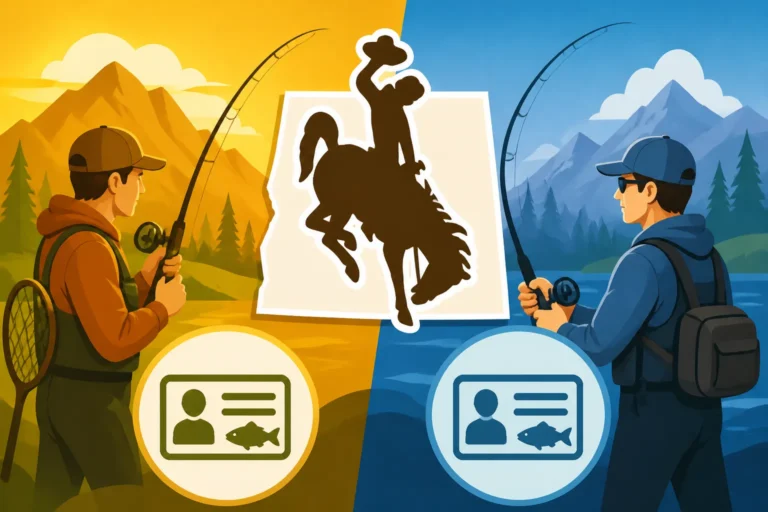
Here's where the most significant differences between residents and nonresidents truly come into play: the cost of a fishing license and the various options available. It’s pretty understandable that lifelong residents, whose taxes often contribute to the upkeep of these fisheries, get a better deal. But don't worry, nonresidents still have plenty of flexible and affordable options to enjoy Wyoming's world-class fishing.
Annual License Costs and What They Include
For Wyoming residents, an annual fishing license is quite affordable, often making it a no-brainer for anyone who plans to wet a line more than a couple of times a year. This license typically covers you for the entire calendar year, from January 1st to December 31st. It allows you to fish all public waters in Wyoming (barring any specific closures or exceptions) and usually includes the option to purchase a "Two-Pole Stamp," which allows you to fish with two rods simultaneously. If you're wondering about the exact numbers, you can easily look up the current Wyoming Resident Fishing License Cost.
Nonresidents, on the other hand, face a higher price tag for an annual license. This is a common practice across states with exceptional natural resources, and it helps to manage pressure on fisheries while generating revenue for conservation from those who visit to enjoy them. A nonresident annual license offers the same broad access to Wyoming waters as a resident annual license, but at a significantly higher cost. Like residents, nonresidents also have the option to add a Two-Pole Stamp. This annual option is fantastic for those who plan extended stays or multiple trips throughout the year. For current figures, check out the Wyoming Nonresident Fishing License Cost.
Daily and Short-Term Options for Nonresidents
This is where Wyoming shines for our visiting anglers, offering flexibility that’s truly appreciated. While residents primarily rely on the annual license, nonresidents have several convenient short-term options that cater to different trip lengths.
The most popular choice for a quick trip is the daily fishing license. This license is valid for one day and is perfect if you're just passing through or plan a single outing. It's cost-effective for a short experience. For those planning a slightly longer adventure, perhaps a weekend getaway or a few days exploring one of our national parks, the five-consecutive-day nonresident license is an absolute godsend. This license covers you for five days straight, starting from the day you specify at purchase. It often provides a good savings compared to buying five individual daily licenses, making it a popular choice for vacations. You can dive deeper into these choices by looking at Wyoming's Annual, Daily and Five-Day License Options.
It's important to remember that these short-term licenses are designed to be used by nonresidents. Residents typically find the annual license to be the most economical choice for their fishing needs, rather than opting for daily or short-term licenses.
The Conservation Stamp Requirement for Both
Regardless of whether you're a resident or a nonresident, almost every angler over the age of 14 fishing in Wyoming needs a Conservation Stamp. This stamp is an additional fee tacked onto your license purchase, and it's absolutely vital. The revenue generated from these stamps goes directly to the WGFD for critical habitat improvement projects, wildlife management, and access programs. It's how we ensure that the incredible wildlife and fisheries we enjoy today will still be here for future generations.
There are some very specific exemptions, like children under 14 who don't need a fishing license at all, or those participating in Wyoming's Free Fishing Day. However, if you're buying any kind of fishing license – annual, daily, or five-day – you will almost certainly need to purchase a Conservation Stamp alongside it. You can learn more about The Wyoming Conservation Stamp and What It Covers and also find detailed information on Who Needs Wyoming's Conservation Stamp.
Specific Regulations and Privileges
Once you have your license in hand, you might wonder if the actual fishing rules on the water differ between residents and nonresidents. For the most part, Wyoming keeps it simple and equitable: the same regulations apply to everyone once they're licensed. However, it's always good to be clear on what those entail.
Daily Bag and Possession Limits: Are They Different?
This is a big one, and thankfully, the answer is generally no. Wyoming’s daily bag and possession limits are uniform for both residents and nonresidents. The WGFD sets these limits based on species, water body, and sometimes specific seasons, to ensure the sustainability of our fish populations. Whether you're a local or just visiting, everyone plays by the same rules to protect our resources.
For instance, if the daily limit for trout on a particular stretch of the North Platte River is two fish, with only one over 16 inches, that rule applies equally to a Wyoming resident from Casper and a nonresident visiting from Texas. The same goes for the statewide possession limit, which dictates how many fish you can have in your cooler, freezer, or vehicle at any given time. These rules are designed for conservation, not to differentiate between who lives here. Understanding Possession Limits vs Daily Limits in Wyoming is key for all anglers. Always consult the current regulations booklet or the WGFD website for the most up-to-date and water-specific rules, as these can change.
Two-Pole and Multiple-Rod Fishing Rules
In Wyoming, the ability to fish with more than one rod, typically two, requires a special stamp often called a "Two-Pole Stamp." This isn't automatically included with your basic license. The good news is that this stamp is available to both residents and nonresidents alike. The cost for the Two-Pole Stamp is the same for everyone, and it’s a great option if you want to try different baits or techniques simultaneously, increasing your chances of a catch, especially in stillwaters like reservoirs.
Without this stamp, you are limited to using only one fishing rod at a time. This rule applies universally. So, if you're planning to troll for lake trout on Flaming Gorge with one rod and jig for kokanee with another, you’ll need that Two-Pole Stamp, whether you're a local or just visiting. It's a privilege that enhances your fishing experience, available to all properly licensed anglers. For more details on this, check out Two-Pole and Multiple-Rod Rules in Wyoming.
Special Seasons or Access Considerations
Generally, Wyoming does not differentiate between residents and nonresidents when it comes to open seasons or general public access to fishing waters. If a lake or stream is open for fishing, it's open to all licensed anglers, regardless of their residency. Similarly, specific closures, like those sometimes enacted during spawning seasons or due to environmental factors, apply to everyone.
However, it's worth noting that some regulations can be highly specific to certain waters. For example, specific sections of rivers like the North Platte might have special fly-fishing-only regulations or barbless hook requirements, and these rules apply universally. There are no "resident-only" fishing holes or seasons in Wyoming. Any restrictions or special opportunities are typically based on the specific fishery and its management needs. This ensures fairness and consistent conservation efforts across the state's diverse aquatic ecosystems.
Buying and Carrying Your Wyoming Fishing License
The process of actually getting your hands on a fishing license and what you need to do with it once you have it is pretty similar for everyone, but there are some minor practical differences and important considerations to keep in mind.
Where Residents and Nonresidents Can Purchase Licenses
Both residents and nonresidents have several convenient options for purchasing their Wyoming fishing licenses.
The easiest and often preferred method for many is to buy online through the Wyoming Game and Fish Department's website. This allows you to purchase your license from the comfort of your home, print it out immediately, or store it digitally. It's a seamless process that ensures you have your license before you even arrive at the fishing spot. Many anglers find this particularly helpful, as they can also review regulations and plan their trip without added stress.
Beyond online purchases, licenses are widely available throughout the state at numerous vendor locations. These include:
- WGFD Offices: Every regional WGFD office sells licenses. This can be a great option if you have questions or need personalized assistance, as the staff are incredibly knowledgeable.
- Retailers: Sporting goods stores, bait shops, and even some general stores or gas stations act as authorized license vendors. Major chains like Amazon might not sell the licenses directly, but they can certainly provide you with gear like a portable printer or a waterproof license holder to protect your paper copy once you’ve printed it at home. These local vendors are often invaluable sources of local fishing information too!
- Walmart and Kmart: Yes, you can often pick up a Wyoming fishing license at the sporting goods counter of a Walmart or Kmart. This is a super convenient option for many, especially those traveling through larger towns. You can definitely find information on Can You Buy a Wyoming Fishing License at Walmart? to help plan your trip.
The key takeaway is that access to license purchase points is universal. Whether you're a local buying your annual pass or a visitor picking up a five-day permit, the channels for acquisition are the same.
Physical vs. Digital License Requirements
Wyoming has embraced modern technology, which is a huge convenience for anglers. While traditionally you had to carry a physical paper license, the WGFD now allows you to carry proof of your license digitally on your smartphone or other electronic device. This means you can show a clear image or PDF of your license to a game warden if requested.
However, a word of caution: technology can fail. Phones run out of battery, screens crack, and reception can be nonexistent in remote areas. Because of this, many seasoned anglers, myself included, still recommend carrying a physical copy of your license as a backup. You can print it at home after an online purchase, or the vendor will provide one if you buy in person. It’s always better to be safe than sorry when a game warden asks to see your license. After all, fishing without a valid license, or without being able to produce proof of one, can result in a citation. Knowing Carrying Your Wyoming Fishing License in the Field is essential for all anglers.
Navigating Special Waters and Exemptions
Wyoming is home to a vast array of fishing opportunities, including iconic national parks and tribal lands. These areas sometimes operate under their own specific sets of rules, which can add another layer of complexity for both residents and nonresidents. Understanding these exceptions is crucial for a smooth and enjoyable trip.
Fishing in National Parks and Tribal Waters
This is a critical area where general Wyoming state fishing licenses, whether resident or nonresident, do not universally apply.
National Parks: If you plan to fish within Yellowstone National Park or Grand Teton National Park, you will need a separate, specific fishing permit issued by the National Park Service (NPS) for that specific park. Your Wyoming state fishing license is not valid inside these national park boundaries. These park permits often have their own unique regulations concerning seasons, tackle, and catch limits, which are designed to protect the delicate ecosystems within the parks. For instance, Yellowstone has very strict rules about lead-free tackle and requires the immediate kill of any non-native lake trout caught. You can find more specific details on Fishing Rules Inside Yellowstone National Park and Fishing Rules Inside Grand Teton National Park. It's absolutely essential to consult the park's official regulations before casting a line within their borders.
Tribal Waters: Similarly, fishing on tribal lands, most notably the Wind River Indian Reservation (which includes significant portions of the Wind River and Boysen Reservoir), requires a separate tribal fishing permit. Your Wyoming state fishing license is not valid on these tribal waters. These permits are issued by the Shoshone and Arapaho Tribes, and the revenue supports tribal fish and wildlife management programs. The tribes also set their own regulations, which can differ from state regulations. If you're interested in fishing these waters, you'll need to research and purchase the appropriate tribal permit. This is a common question, and you can find more information about Fishing Wyoming's Tribal Waters and Wind River Reservation Rules.
The bottom line here is that your Wyoming state fishing license covers you for state waters. Always verify if the specific water body you plan to fish falls under state jurisdiction, national park rules, or tribal authority.
Youth and Senior Exemptions for Nonresidents
Wyoming is fairly generous when it comes to encouraging youth participation in fishing, and these rules apply universally, with a couple of nuances for nonresidents.
Youth Anglers: Children 13 years of age and under do not need a fishing license to fish in Wyoming, regardless of whether they are a resident or a nonresident. This is a fantastic initiative to get young folks hooked on the sport. Once they turn 14, they will need to purchase the appropriate license for their residency status (e.g., a nonresident child age 14 or 15 would need a nonresident youth fishing license, which is a specific, lower-cost option). To fully understand the rules, check out Do Kids Need a Fishing License in Wyoming?.
Senior Anglers: For Wyoming residents, there are often discounted or even free lifetime fishing licenses available for senior citizens, typically starting at age 65. This is a well-deserved benefit for long-time residents. However, for nonresidents, there is generally no specific senior discount on fishing licenses. Nonresident seniors are required to purchase the standard nonresident annual, daily, or five-day license options at the regular prices, just like any other adult nonresident angler. While it might seem a bit unfair to some, these resident senior benefits are tied directly to lifelong residency and tax contributions to the state. You can learn more about whether Do Seniors Need a License to Fish in Wyoming?.
In summary, while youth under 14 get a free pass regardless of where they live, senior discounts are a perk reserved primarily for Wyoming residents.
Wyoming Fishing License Comparison
To help clarify the core differences in licensing options and costs, here's a handy comparison table. Please note that these are approximate costs and can change, so always verify the most current prices on the official Wyoming Game and Fish Department website before purchasing.
| License Type | Resident (Approx. Cost) | Nonresident (Approx. Cost) | Includes Conservation Stamp? | Valid For | Notes |
|---|---|---|---|---|---|
| Annual Fishing License | $27 | $102 | No, typically separate | Calendar year (Jan 1 – Dec 31) | Best value for frequent anglers, requires 180-day residency. |
| Daily Fishing License | N/A | $14 | No, typically separate | 1 Day | Ideal for short visits or single outings. |
| 5-Consecutive-Day License | N/A | $50 | No, typically separate | 5 Consecutive Days | Good for multi-day trips, offers savings over multiple daily licenses. |
| Two-Pole Stamp | $18 | $18 | N/A | Valid with base license | Allows use of two rods simultaneously, must be purchased in addition to base license. |
| Conservation Stamp | $12.50 | $12.50 | N/A | Calendar year (Jan 1 – Dec 31) | Required for almost all licensed anglers over 14. |
| Youth Fishing License (Age 14-17) | $3.00 | $15.00 | No, typically separate | Calendar year (Jan 1 – Dec 31) | Reduced cost for eligible youth. |
| Youth (Under 14) | Free | Free | No | N/A (no license required) | No license or stamp needed for this age group. |
| Lifetime Fishing License | Varies by age | Not Available | No, typically separate | Lifetime | Only available to eligible Wyoming residents, often for seniors. |
This table highlights that daily and 5-day options are exclusively for nonresidents, while the annual and lifetime options favor residents in terms of cost and availability. The Two-Pole Stamp and Conservation Stamp costs are generally consistent for both.
Disclaimer
The information provided in this guide is for general informational purposes only and is subject to change. Fishing regulations in Wyoming are complex and can be updated annually or even seasonally. Always consult the official Wyoming Game and Fish Department website or their current printed regulations booklet before you go fishing to ensure you have the most accurate and up-to-date information.