What License You Need to Fish Inside Yellowstone
Navigating the myriad of fishing regulations can feel like trying to untangle a particularly stubborn knot in your fishing line, and when you add a national park like Yellowstone into the mix, it often gets even more complicated. Many folks assume their Wyoming or Montana state fishing license will cover them once they drive through the famous archways, but that's a common mistake that could lead to a hefty fine. This comprehensive guide is here to unravel all that confusion, detailing exactly what license you need to fish inside Yellowstone National Park and how to make sure you're fully compliant with all the park's unique rules.
Understanding Yellowstone's Unique Fishing Regulations
It’s easy to get caught up in the excitement of a trip to Yellowstone National Park, envisioning casting a line into pristine waters while bison graze nearby. But before you even think about setting up your rod, there's a fundamental truth you absolutely need to grasp: fishing in Yellowstone isn't like fishing anywhere else in Wyoming or Montana. The park operates under its own distinct set of federal regulations, separate from any state.
Why Yellowstone Isn't Like the Rest of Wyoming
The biggest misconception people have is believing that their state fishing license, whether it's from Wyoming or Montana, will suffice for fishing within Yellowstone's boundaries. This simply isn't the case, and it’s a mistake that can quickly turn a peaceful day of angling into a stressful encounter with a park ranger. Yellowstone National Park is managed by the National Park Service (NPS), a federal agency, which means its laws supersede state laws when it comes to activities within the park. This federal jurisdiction is in place to protect the park's unique ecosystems, native species, and overall wilderness character.
The reason for these distinct rules is multi-faceted. First and foremost, Yellowstone is home to several native fish species, most notably the Yellowstone Cutthroat Trout, which is a crucial part of the ecosystem, serving as a food source for grizzlies, otters, and raptors. The park's regulations are meticulously designed to protect these native populations from harm, disease, and invasive species. This often includes specific gear restrictions, catch-and-release mandates for certain species, and even outright closures on particular waters. You might want to check out our detailed article on Fishing Rules Inside Yellowstone National Park to get a broader overview of the park's angling specificities.
The Mandatory Yellowstone National Park Fishing Permit
So, if your state license won't work, what do you need? The answer is straightforward: a Yellowstone National Park Fishing Permit. This permit is a distinct document issued by the National Park Service and is the only valid license for fishing within the park's boundaries. It doesn't matter if you're a resident of Wyoming, Montana, another state, or even another country – everyone aged 16 and older who wishes to fish in Yellowstone must possess this specific permit.
Think of it this way: your Wyoming fishing license allows you to fish in, say, the North Platte River outside of Casper, or Flaming Gorge Reservoir in southern Wyoming. But the moment you cross into Yellowstone, you're entering a different legal zone entirely. It's not just a suggestion; it's a legal requirement. Trying to fish without one is considered a violation of federal law and can result in significant fines and the confiscation of your fishing gear. This permit isn't just a piece of paper; it’s your acknowledgment that you understand and agree to abide by the park's stringent conservation-focused fishing regulations, which are often much stricter than those found in surrounding states. It's a small price to pay for the privilege of fishing in such an iconic and wild place.
How to Obtain Your Yellowstone National Park Fishing Permit
Getting your Yellowstone fishing permit is generally a straightforward process, designed to be accessible to visitors. However, knowing your options and understanding the different types of permits available can save you time and hassle, ensuring you spend more time on the water and less time dealing with paperwork.
Where to Purchase the Permit
There are several convenient ways to acquire your Yellowstone National Park Fishing Permit. The most common and often easiest methods are directly within the park or through its official online channels.
- Inside the Park: You can purchase permits at most park visitor centers, general stores, and various Yellowstone Association bookstores located throughout Yellowstone. For example, popular spots like the Old Faithful Visitor Education Center, Canyon Village Visitor Education Center, and Mammoth Hot Springs Albright Visitor Center typically sell them. Many larger concessionaire-operated general stores, such as those run by Xanterra, also offer permits. This is a great option if you're already in the park or realize you forgot to purchase one beforehand. The staff at these locations can often provide you with the most current copy of the park's fishing regulations booklet and answer any immediate questions you might have about specific waterbody rules.
- Online: For those who like to plan ahead, purchasing your permit online is a fantastic option. The official Yellowstone National Park website typically links directly to the vendor responsible for selling these permits electronically. This allows you to print your permit at home before your trip, avoiding any potential lines or delays once you arrive at the park entrance. It also gives you ample time to review the regulations from the comfort of your home. Always ensure you are on the official National Park Service website or its authorized vendor site to avoid scams.
Remember, regardless of where you purchase it, you must have your permit in your possession while fishing. A digital copy on your phone is usually acceptable, but it’s always a good idea to have a printed backup in case of phone battery issues or lack of signal in remote areas. For general licensing information outside the park, our guide on Where and How to Buy a Wyoming Fishing License offers helpful contrasts.
Permit Options and Costs
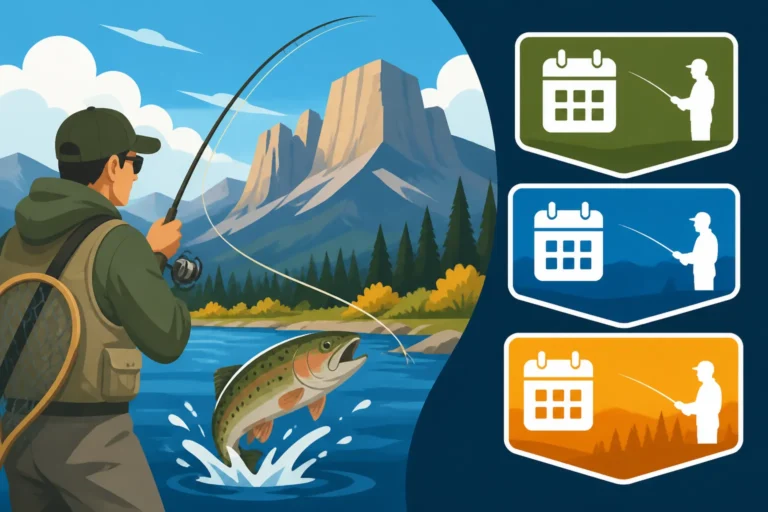
Yellowstone National Park offers a couple of different permit options to suit varying lengths of stay, keeping things flexible for anglers.
- Annual Permit: This permit is valid for the entire calendar year in which it is purchased. It’s ideal if you plan on visiting the park multiple times throughout the spring, summer, and fall, or if you’re staying for more than a week.
- 7-Day Permit: For shorter visits, the 7-day permit is a more cost-effective choice. It's valid for seven consecutive days from the date of purchase or the specified start date. This is perfect for a week-long vacation where fishing is just one part of your adventure.
Youth Fishing: Children under the age of 16 do not need to purchase a Yellowstone fishing permit, provided they are accompanied by a permitted adult and their catch is included in the adult's daily limit (if any species allow retention). However, it's still good practice for them to understand the regulations. This differs significantly from state laws; for instance, you might wonder Do Kids Need a Fishing License in Wyoming? when outside the park.
While costs can change, here’s a general idea of what you can expect, based on recent information:
| Permit Type | Current Cost (Approx. 2024) | Validity Period | Notes |
|---|---|---|---|
| Annual Permit | $55 | Calendar Year | Best for multiple visits or longer stays |
| 7-Day Permit | $40 | 7 Consecutive Days | Ideal for shorter trips |
| Youth (Under 16) | Free | N/A (with permitted adult) | Must fish under an adult's permit and regulations |
Please note that these costs are subject to change by the National Park Service, so it's always wise to check the official Yellowstone National Park website for the most up-to-date pricing before your visit.
Key Rules to Know Before Fishing in Yellowstone
Getting your permit is the first step, but it’s far from the only one. Yellowstone’s fishing regulations are designed with a primary focus on conservation, particularly the protection of native fish and the fight against invasive species. Understanding these rules isn't just about avoiding a ticket; it's about being a responsible steward of this irreplaceable natural wonder.
Catch-and-Release Requirements and Bait Restrictions
Yellowstone National Park employs some very specific rules to ensure the survival of its fish populations, especially the native ones.
- Barbless Hooks Only: This is a non-negotiable rule throughout the entire park. All hooks, regardless of whether you're fly fishing or spin fishing, must be barbless. The reason is simple: barbless hooks minimize injury to fish, making catch-and-release much more effective and less stressful for the fish. If your hooks have barbs, you must pinch them down with pliers. Trying to sneak by with barbed hooks is a serious violation.
- Artificial Lures and Flies Only: With very few exceptions (primarily for mandatory harvest of invasive species), fishing in Yellowstone is restricted to artificial lures and flies. This means no live bait, no dead bait, no salmon eggs, no powerbait, no worms, no grasshoppers you just caught, and absolutely no corn or bread. The rationale here is crucial: live or organic baits can introduce non-native species, diseases, or pollutants into the park's pristine waters, which could devastate native fish populations. For example, a common worm might carry a pathogen that native cutthroat have no immunity to, or it could introduce an invasive invertebrate species.
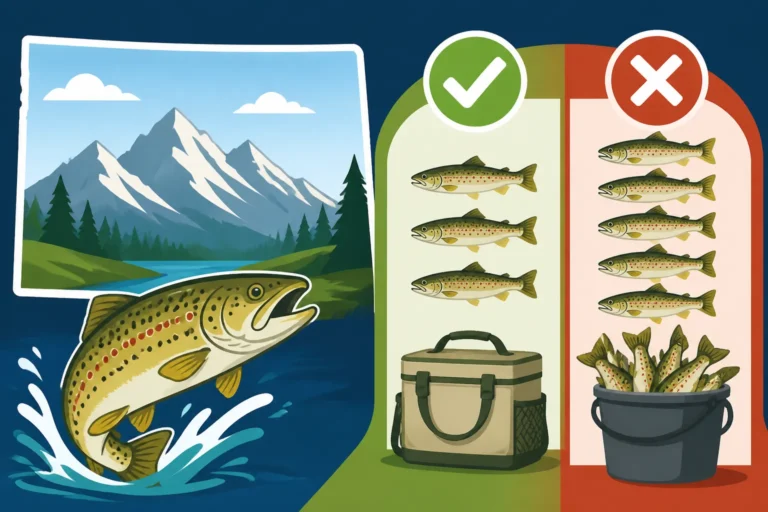
- Catch-and-Release for Native Species: While specific regulations vary by water and species, many of Yellowstone's waters, especially those with native trout like the Yellowstone Cutthroat, are strictly catch-and-release. This means you must release any native fish you catch immediately and with minimal harm. Understanding Catch-and-Release Rules on Wyoming Waters might give you a baseline, but Yellowstone's rules are often more stringent.
Special Regulations for Specific Waters and Species
Yellowstone’s vast and diverse aquatic environments mean that a one-size-fits-all approach to regulations wouldn’t work. Therefore, the park has implemented water-specific and species-specific rules that anglers must consult before heading out.
- Lake Trout and Yellowstone Lake: One of the most significant and often discussed special regulations concerns Lake Trout (Mackinaw) in Yellowstone Lake. Lake Trout are an invasive species in Yellowstone Lake and pose a severe threat to the native Yellowstone Cutthroat Trout, which are a cornerstone of the park’s ecosystem. Because of this, all Lake Trout caught in Yellowstone Lake (and its tributaries) must be immediately killed and cannot be released back into the water. This is a mandatory harvest effort to protect the native cutthroat population. The park actively encourages anglers to participate in this conservation effort. You can learn more about this by reading Why Lake Trout Are Considered a Problem in Yellowstone Lake and Wyoming's Lake Trout Removal Efforts in Yellowstone Lake. Also, it's not just about killing them; you must understand Do You Have to Kill Lake Trout Caught in Yellowstone Lake?.
- Other Closures and Restrictions: Beyond Lake Trout, certain rivers or sections of rivers might have specific closures due to spawning activity, sensitive habitat, or ongoing research. For instance, sections of the Yellowstone River, Gibbon River, and Soda Butte Creek often have unique rules or seasonal closures. Always, always refer to the most current Yellowstone National Park fishing regulations booklet for these details. These booklets are provided when you purchase your permit and are available online. They often include detailed maps highlighting specific regulations for each waterbody.
- Identifying Your Catch: It is absolutely critical to be able to accurately identify the fish you catch. Mistaking a native cutthroat for an invasive species, or vice versa, could lead to a violation or harm the native population. The regulations booklet provides excellent guides for fish identification.
Transporting Your Catch Out of the Park
If you successfully harvest Lake Trout from Yellowstone Lake, or if regulations allow you to keep other species from specific waters (which is rare), you need to know the rules for transporting your catch.
- Cleaning and Transport: Any fish you intend to keep must be cleaned before leaving the park. This helps prevent the spread of aquatic invasive species. Additionally, fish must be transported in a manner that allows park rangers to easily count and identify them. Typically, this means leaving the head or a portion of the skin attached to verify species and length, if applicable.
- Crossing State Lines: If you’re traveling outside of Wyoming or Montana after your Yellowstone trip, be mindful of the rules for Transporting Your Catch Across State Lines Legally. Each state has its own regulations regarding the transport of fish, especially cleaned or filleted fish, to prevent the spread of diseases or invasive species. While your Yellowstone permit allows you to harvest Lake Trout, those state-specific rules still apply once you're outside the park.
Common Misconceptions and Crucial Advice for Anglers
Even with the clearest regulations, national parks have a way of creating unique sets of challenges and misunderstandings for visitors. Yellowstone is no exception, especially when it comes to fishing. Let's clear up some common pitfalls and offer advice that will make your fishing adventure smoother and more responsible.
The Wyoming vs. Montana vs. Yellowstone License Confusion
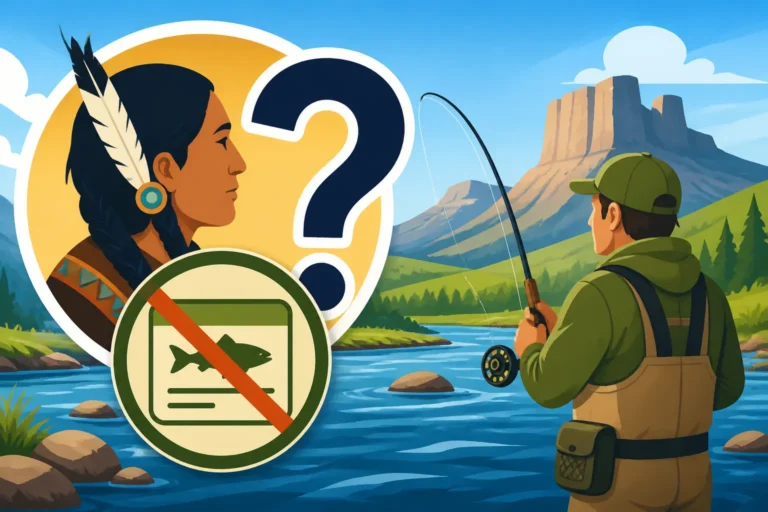
This is perhaps the most persistent source of confusion for anglers planning a trip to Yellowstone. Let's make it abundantly clear one last time: your Wyoming fishing license is NOT valid inside Yellowstone National Park. Your Montana fishing license is NOT valid inside Yellowstone National Park.
Yellowstone National Park is federal land, managed by the National Park Service. Therefore, fishing within its boundaries requires a specific Yellowstone National Park Fishing Permit, issued by the NPS. It's a fundamental distinction that trips up countless anglers every year. While you might hold a valid Wyoming Fishing License Guide for Nonresidents or a resident license, those are for state waters. The moment you enter the park, you enter a federal jurisdiction with its own rules and licensing requirements.
This separation of authority is a key aspect of how national parks operate. The NPS has its own mandates for resource protection, which may be different from the wildlife management goals of adjacent states. So, if you plan to fish Yellowstone and waters outside the park in Wyoming or Montana, you’ll need both the Yellowstone permit and the appropriate state license. There’s no reciprocity. You also can't fish on Wyoming's Free Fishing Day: What It Covers and assume it applies within Yellowstone. Spoiler alert: Can You Fish for Free in Yellowstone on Wyoming's Free Fishing Day? No, you cannot.
Essential Gear Beyond the Permit
Beyond your rod, reel, and the all-important Yellowstone fishing permit, there's other gear that is not just helpful but potentially critical for a safe and enjoyable trip. Yellowstone is wild country, and preparedness is paramount.
- Bear Spray: This isn't optional, it's essential. Yellowstone is prime grizzly and black bear country. Carrying bear spray and knowing how to use it can literally save your life. Keep it accessible, not buried in your pack. You can find reliable brands and holsters on platforms like Amazon before your trip, or purchase it at various retailers inside and outside the park.
- Appropriate Clothing: Weather in Yellowstone can change on a dime, even in summer. Layers are key. Think quick-drying fabrics, waterproof outer layers, and warm insulation, even in July. Waders are often necessary for stream fishing, but even bank anglers will appreciate waterproof boots.
- Waterproof Map and Compass/GPS: Cell service is notoriously spotty or nonexistent in much of the park. Don't rely solely on your phone for navigation. A physical, waterproof map of the fishing areas you plan to visit, combined with a compass or a reliable GPS device, is crucial for safety.
- Water and Snacks: Dehydration and hunger can quickly turn a fun day into a miserable one. Pack more water and high-energy snacks than you think you'll need.
- First-Aid Kit: A basic first-aid kit for cuts, blisters, and minor ailments is always a good idea.
- Sun Protection: Even on cloudy days, the high elevation means intense UV exposure. Sunglasses, a wide-brimmed hat, and sunscreen are absolute musts.
Remember, fishing in Yellowstone often involves hiking into remote areas. It's not like strolling along a stocked pond. Be prepared for varied terrain, wildlife encounters, and sudden weather shifts.
Resources for Up-to-Date Information
Regulations are living documents; they can change, sometimes annually, sometimes in-season due to unforeseen circumstances like wildfires, floods, or new biological discoveries. Staying informed is your responsibility as an angler.
- Official Yellowstone National Park Website: This is your primary and most reliable source for current fishing regulations, park alerts, closures, and permit information. Always check it before your trip and again just before you enter the park. The website will have the most current version of the regulations booklet available for download.
- Park Visitor Centers: The staff at any of Yellowstone's visitor centers are a wealth of information. Don't hesitate to ask questions about current conditions, recent closures, or clarifications on regulations. They are there to help ensure your visit is safe and compliant.
- Ranger Stations and Backcountry Offices: If you're heading into more remote areas, checking in at a ranger station can provide invaluable, localized information. They might have insight into specific trail conditions or recent wildlife activity that isn't widely publicized.
It's tempting to just glance at a general guide, but for a place as special and strictly regulated as Yellowstone, taking the time to truly understand the detailed rules, including bag and possession limits (or lack thereof for many species) as explored in How Bag and Possession Limits Work in Wyoming, is essential. Even when you're Carrying Your Wyoming Fishing License in the Field, if you're in Yellowstone, it's the park permit that matters most. Being a well-informed and responsible angler not only ensures you avoid penalties but also contributes to the conservation of this incredible natural resource for generations to come.
Disclaimer
The information provided in this guide is for general informational purposes only and is subject to change. While we strive to provide accurate and up-to-date content, fishing regulations, permit costs, and park rules can be modified by the National Park Service at any time. It is the angler's sole responsibility to consult the official Yellowstone National Park website and obtain the most current fishing regulations booklet directly from the park before engaging in any fishing activities within Yellowstone National Park. Failure to comply with all park regulations can result in fines, penalties, and forfeiture of equipment.