Is Jackson Lake Open for Fishing in October Now?
For years, anglers planning a fall trip to Grand Teton National Park or the surrounding Jackson Hole area faced a frustrating reality: prime fishing opportunities on Jackson Lake would abruptly end in October. It was a long-standing regulation that often left folks scratching their heads, wondering why such a beautiful, productive fishery was off-limits during a month many consider ideal for chasing big trout. Well, I’m thrilled to share some truly fantastic news that puts those old frustrations to rest and opens up a whole new world of autumn angling adventures on this iconic Wyoming lake.
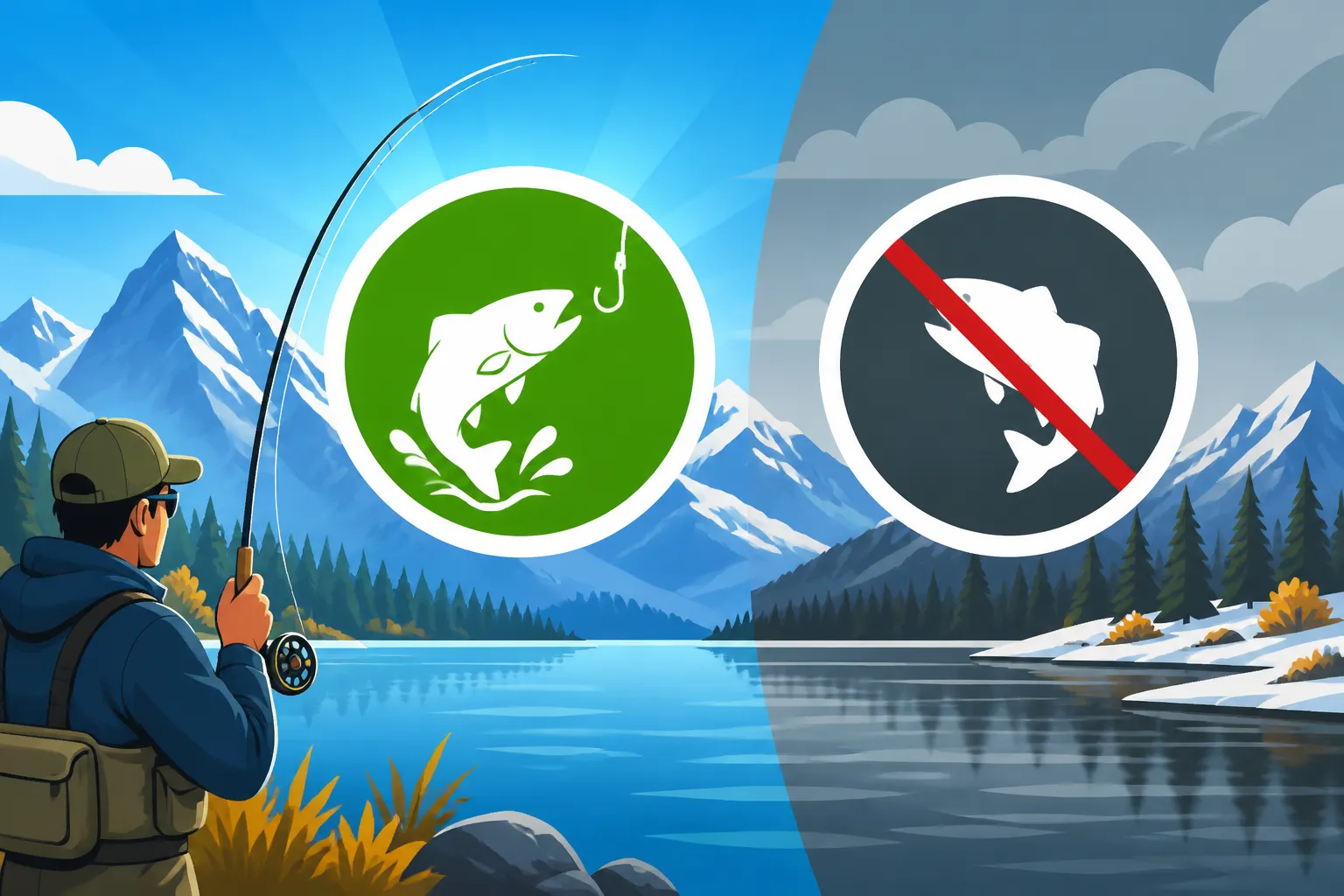
The Big News: Jackson Lake is Now Open for Fishing in October!
For what felt like an eternity, Jackson Lake in Grand Teton National Park had a hard and fast rule: fishing closed on September 30th. Many of us remember the rush to get those last September casts in, often battling the early hints of winter just to squeeze in a final outing. That's all changed, folks! The Wyoming Game and Fish Department, in cooperation with Grand Teton National Park, has officially extended the fishing season on Jackson Lake, making October a prime time to target its abundant fish populations. This is a game-changer for anyone who loves fall fishing in the Cowboy State.
Dispelling the Old Rumor: A Welcome Change
It's been a long time coming, and for many, the idea of fishing Jackson Lake past September might still feel a bit like breaking the rules. But rest assured, the long-standing closure is officially a thing of the past. This adjustment isn't just a minor tweak; it’s a significant shift that reflects evolving fishery management strategies and a responsiveness to what anglers truly want. Gone are the days of having to pack up your gear and leave one of Wyoming's most stunning lakes just as the autumn colors peaked and the lake trout started their aggressive pre-spawn feeding. This new regulation means you can now plan a full October trip, enjoying crisp air, fewer crowds, and some truly epic fishing.
What the New Regulations Mean for Anglers
The opening of Jackson Lake for October fishing means a vastly expanded window for enjoying one of Wyoming's premier fishing destinations. This isn't just about longer access; it's about accessing the lake during a unique and often highly productive period. Fall in Wyoming, particularly in October, sees cooler water temperatures that can really perk up fish activity. This is especially true for the lake trout (mackinaw) that call Jackson Lake home. They become more active and are often found in shallower water as they prepare for their spawning rituals. For anglers, this translates to excellent opportunities for both quantity and quality of fish. Of course, while the season is extended, it's always critical to consult the official Wyoming Fishing Regulations Every Angler Should Know to stay current on species-specific limits and any other special provisions.
Understanding Jackson Lake's Historical October Closure
To truly appreciate this new opportunity, it helps to understand why Jackson Lake used to close in October in the first place. It wasn't just some arbitrary date on a calendar; there were very specific, well-intentioned reasons behind it, rooted in conservation efforts and the natural life cycles of the lake's fish populations.
The Rationale Behind Past Restrictions
Historically, the closure of Jackson Lake to fishing in October was primarily implemented to protect the spawning lake trout population. Lake trout in Jackson Lake typically spawn in the fall, often congregating in shallower areas where they are more vulnerable to angling pressure. The thought was that by closing the lake to fishing, these vital spawning aggregations would be undisturbed, ensuring the continued health and reproductive success of the population. This approach was a common conservation strategy in many areas for various fish species. Additionally, the closure was sometimes tied into broader wildlife management within Grand Teton National Park, aiming to reduce human presence during sensitive periods for other species. You can read more about why Jackson Lake Used to Close in October in past discussions.
Impact on Fall Fishing Opportunities
For decades, this October closure meant a complete stop to fishing during what many considered prime fall conditions. Anglers who enjoyed the cooler weather, the vibrant autumn foliage, and the typically more aggressive feeding patterns of fish preparing for winter or spawning were simply out of luck on Jackson Lake. While nearby waters might have remained open, the allure of Jackson Lake's stunning scenery and potential for trophy fish was cut short. This often forced anglers to either shift their plans to other lakes or rivers, or simply hang up their rods for the year, missing out on a truly beautiful and productive time to be on the water. It also meant a lost opportunity for local businesses that cater to the angling community, from guides to tackle shops, during a shoulder season that could otherwise benefit from sustained visitor interest.
Why the Wyoming Game and Fish Department Changed Course
So, what prompted such a significant change after so many years? It's a combination of updated scientific understanding, ongoing population monitoring, and a careful balance of conservation goals with public recreational opportunities. The decision wasn't made lightly and involved extensive review by both Wyoming Game and Fish and Grand Teton National Park.
Ecosystem Management and Native Species Protection
A primary driver behind many regulation changes, including this one, is the ongoing effort to manage the delicate aquatic ecosystem of Jackson Lake. One of the major focuses in recent years has been the management of non-native lake trout, which have had a significant impact on the native cutthroat trout populations, particularly the Snake River Fine-Spotted Cutthroat. Lake trout are voracious predators, and their presence has contributed to the decline of native cutthroat populations in Yellowstone Lake and, to a lesser extent, potentially in Jackson Lake.
The extension of the fishing season into October is partly a management tool to encourage the harvest of lake trout. By allowing anglers more time to fish, especially during a period when lake trout are often more accessible and aggressive, the hope is to increase the harvest of these non-native predators. This, in turn, can help reduce predation pressure on native fish like the cutthroat. It’s a nuanced approach to conservation that recognizes the role anglers can play in maintaining ecological balance, allowing for more fishing while also supporting broader environmental goals. The efforts to mitigate the impact of non-native species are also evident in new regulations like the New Snake River Trout Limits Near Jackson Lake Dam, designed to protect the cutthroat populations in the river below the lake.
Responding to Angler Demand and Economic Benefits
Beyond ecological considerations, the Wyoming Game and Fish Department (WGFD) is also responsive to the desires of the angling public and the economic impact of recreational fishing. There has been a long-standing demand from anglers for extended access to popular waters, especially during prime shoulder seasons like fall. The WGFD, through surveys and public feedback, recognized the high value anglers place on fall fishing experiences.
By opening Jackson Lake in October, the state is providing a valuable recreational opportunity that was previously unavailable. This also translates into economic benefits for local communities in the Jackson Hole area. More days on the water mean more visitors purchasing fishing licenses, staying in accommodations, dining at local restaurants, and buying gear. Whether it's picking up some new cold-weather fishing gloves or a specific type of lure for lake trout, increased activity means more purchases, perhaps even from online retailers like Amazon, supporting the broader economy. It’s a win-win scenario where responsible angling can coexist with conservation, benefiting both the fish and the local economy.
What to Expect When Fishing Jackson Lake in October
Now that you know Jackson Lake is open, you’re probably wondering what kind of fishing you can expect during the beautiful, often crisp, month of October. It’s a truly special time to be on the water, offering unique opportunities that differ from the warmer summer months.
Targeting Fall Lake Trout and Other Species
October on Jackson Lake is often synonymous with chasing lake trout. As the water temperatures drop, these deep-dwelling char become more active and, crucially, will start moving into shallower areas to stage for their fall spawn. This makes them more accessible to anglers who might not typically target them in the warmer months when they retreat to the lake's deepest recesses. You might find them congregating around rocky points, humps, and shoals. These areas provide the perfect structure for spawning and offer easier access to food sources before winter truly sets in.
While lake trout are the main draw, you might also encounter cutthroat trout, especially near river inlets or areas with good forage. Knowing what Fish Live in Jackson Lake can help you prepare for a diverse fishing experience. The key is to be prepared for colder conditions and adapt your techniques accordingly. The lake can be a bit more unpredictable in October, but the rewards—especially for those targeting a trophy lake trout (mackinaw)—can be significant.
Essential Gear and Techniques for Cooler Waters
Fishing in October means dealing with cooler temperatures, and potentially some blustery conditions. Your gear should reflect this. Warm layers are non-negotiable. Think wool socks, insulated boots, waterproof outerwear, and a good hat and gloves. For the actual fishing, a stout rod and reel combo capable of handling larger lake trout is advisable. Many anglers opt for medium-heavy spinning or baitcasting setups.
When it comes to techniques, trolling is a highly effective method for covering water and locating active fish, especially for lake trout. Using downriggers or heavy weights to get your lures to depth is often necessary, even when fish are shallower than their summer haunts. Popular lures include large spoons, stickbaits, and tube jigs. For lake trout, big swimbait imitations can also be highly effective. If you're into jigging, heavy spoons or vertical jigs dropped over underwater structure can entice bites. Don't forget a good fish finder; it's practically essential for locating structure and marking fish in a lake as vast as Jackson. You can find a wide array of specialized trolling gear and high-quality electronics on platforms like Amazon, making it easy to prepare for your trip. For more specific guidance, check out our article on Trolling Techniques for Wyoming Reservoirs.
Navigating Grand Teton National Park Rules
Remember, Jackson Lake is entirely within Grand Teton National Park, which means there are specific regulations and rules you need to adhere to beyond just the fishing regs. This includes boat inspections for aquatic invasive species, which are mandatory before launching any vessel, and speed limits on the lake. You’ll also need to be mindful of wildlife; keeping a safe distance from moose, elk, and bears, which are often active along the shorelines in the fall.
It's crucial to obtain a park entrance pass, as well as your Wyoming fishing license and any necessary permits for your boat. Always check the official Grand Teton National Park website for the most up-to-date information on park access, road conditions, and any specific closures that might impact your trip. While you can fish, remember that the surrounding environment is a protected wilderness, so practice Leave No Trace principles diligently. To understand the broader context of permits and licenses, you may want to consult our guide, Do You Need a Wyoming License to Fish in Grand Teton National Park?
Key Regulations for October Fishing on Jackson Lake and the Snake River
While the big news is that Jackson Lake is open for fishing in October, it’s not a free-for-all. There are still specific regulations in place, and it’s critical for every angler to know and follow them to ensure the long-term health of the fishery. Ignorance of the rules is never an excuse, especially within a national park and on a vital water body.
Specific Limits and Considerations
The general statewide fishing regulations apply to Jackson Lake, but there are always water-specific rules that can supersede them. For Jackson Lake, you'll need to pay close attention to the daily bag and possession limits, especially for lake trout. As discussed, there's a strong management emphasis on increasing the harvest of non-native lake trout, so their limits might be quite generous. However, native cutthroat trout, if encountered, often have much stricter limits, or may even be subject to catch-and-release rules.
Always consult the most current Wyoming Fishing Regulations booklet available from the Wyoming Game and Fish Department, or check their online resources before you head out. These regulations are updated annually and sometimes even have in-season emergency changes, so what was true last year might not be this year. Understanding these specific limits is crucial, particularly if you’re hoping to keep some of your catch. Misidentifying fish or exceeding limits can lead to hefty fines and loss of fishing privileges, so educate yourself thoroughly. The article Wyoming Fishing Seasons and Water-Specific Closures provides valuable context for how seasons are managed across the state.
Access Points and Permitting within Grand Teton
Accessing Jackson Lake for fishing, especially with a boat, involves navigating the rules of Grand Teton National Park. There are designated boat ramps, such as Leeks Marina and Colter Bay, that offer public access. Before launching any vessel, including kayaks or paddleboards, you must undergo an aquatic invasive species inspection. This is a crucial step to protect Wyoming’s waters from harmful invasives like zebra mussels. You'll need to have your boat clean, drained, and dry before presenting it for inspection.
In addition to your Wyoming Fishing License Guide for Nonresidents (if you’re not a resident) and conservation stamp, any motorized boat will require a specific permit from Grand Teton National Park. These permits can typically be purchased at visitor centers or ranger stations. Planning ahead is key, especially during peak season or even a busy October weekend, to ensure you have all your necessary permits and your boat is ready for inspection. For those looking for quieter spots, exploring Jackson Lake's Best Shoreline Fishing Spots in Wyoming can offer alternative access, but always be mindful of park regulations on where you can park and access the shore.
| Feature / Aspect | Before Regulation Change (Pre-2023) | Current Regulation (2023 Onward) | Impact for Anglers |
|---|---|---|---|
| October Fishing | Closed after September 30th | Open through October 31st | Significantly extends fall fishing season |
| Primary Target Species | Limited to September opportunities | Lake Trout (Mackinaw), Cutthroat Trout | Excellent fall lake trout opportunities |
| Angler Pressure | No pressure in October | Increased pressure, especially for Lake Trout | More competition, but also more opportunities |
| Management Goal | Native trout protection, spawning | Lake Trout harvest, ecosystem balance, recreation | Supports native species, enhances angler experience |
| Park Permits | Required if fishing in Sept. | Still required (entrance pass, boat permits) | No change in park access requirements |
Disclaimer
The information provided in this guide is for general informational purposes only and is based on current available knowledge. Fishing regulations, season dates, and park rules are subject to change at any time by the Wyoming Game and Fish Department and Grand Teton National Park. It is the angler's responsibility to consult the most recent official regulations booklet or websites for the most accurate and up-to-date information before planning and undertaking any fishing trip. Adherence to all local, state, and federal laws is mandatory.