Do You Need a Separate License for Bowfishing in Wyoming?
Navigating the specifics of fishing regulations can feel like trying to untangle a particularly stubborn knot in your fishing line, and bowfishing often adds another layer of confusion. Many anglers wonder if this unique method requires a completely different permit from their standard fishing license. It's a valid question, because while Wyoming's approach is fairly straightforward, there are important details you absolutely need to understand before you string your bow and hit the water. This guide aims to clear up all that head-scratching and get you straight on what you need to legally bowfish in the Cowboy State.
The Core Rule for Bowfishing Licenses in Wyoming
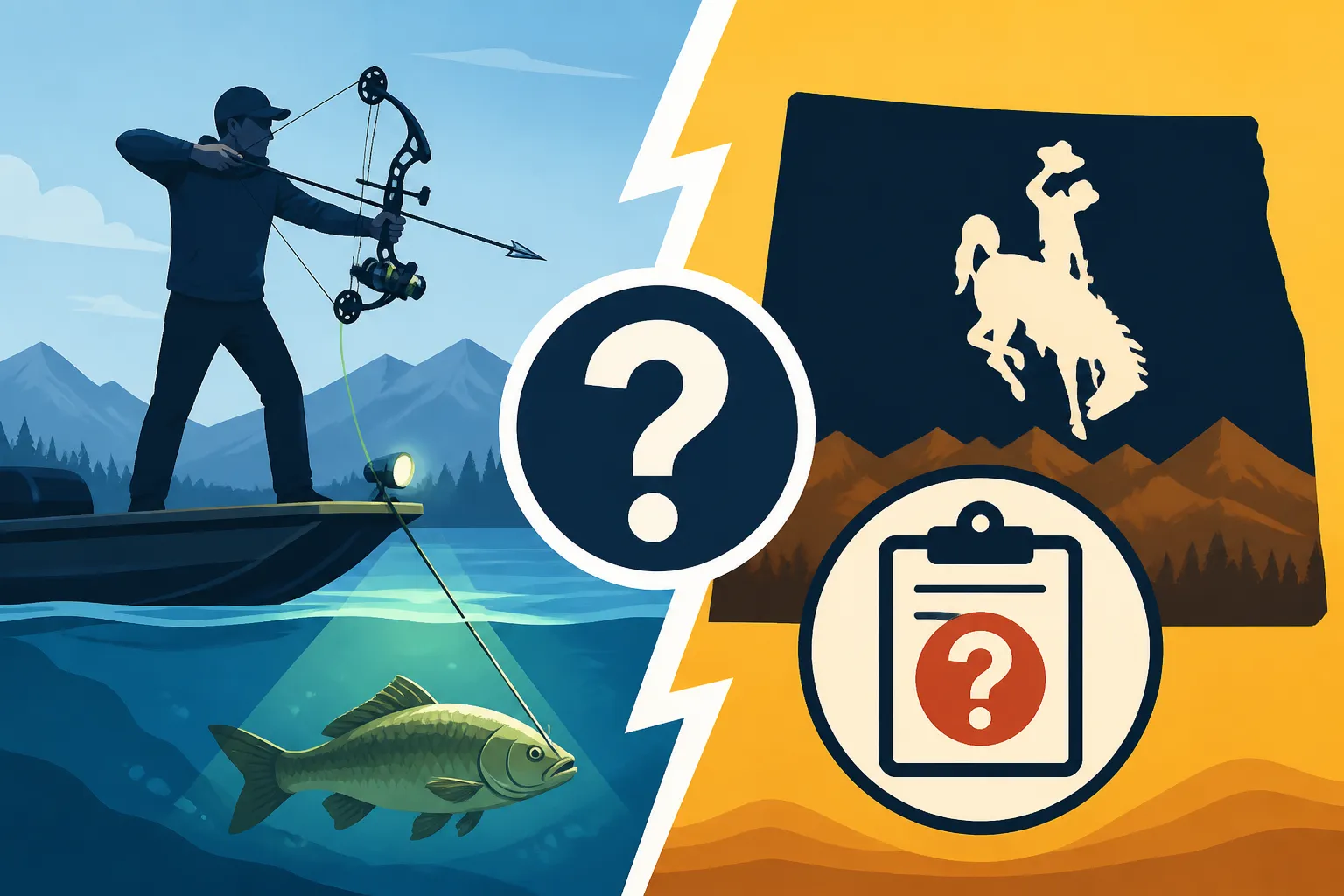
Let's cut right to the chase: in Wyoming, you generally don't need a separate, special bowfishing license. The act of taking fish with a bow and arrow is typically covered under your standard Wyoming fishing license, much like using a rod and reel or fly fishing gear. However, this isn't a blanket permission for anything that swims. The key lies in understanding what your regular license permits you to harvest and how bowfishing aligns with those allowances.
Understanding Wyoming's Unified Fishing License
Wyoming's Game and Fish Department (WGFD) works hard to keep things as streamlined as possible for anglers. Instead of requiring a different license for every method of fishing, they generally consolidate it under one umbrella: the fishing license. This means whether you're casting flies on the North Platte, dropping a jig through the ice on a frozen lake, or bait fishing from the bank, your valid fishing license covers you. This unified approach simplifies things greatly for most recreational anglers.
When it comes to bowfishing, the same principle usually applies. Your annual resident or nonresident fishing license, a daily license, or even a five-day nonresident fishing license are the primary permits you'll need. This covers the basic legal authority to "take" fish from public waters. It’s not about the tool, per se, but the activity of fishing itself. However, the crucial distinction, and where many people get tripped up, isn't about the type of license, but rather the species of fish you're allowed to target with a bow and arrow. You wouldn't, for example, be able to bowfish for the trophy trout that Wyoming is famous for, even with a valid fishing license. For more on the different options available, check out our guide on Wyoming's Annual, Daily and Five-Day License Options.
When a Standard Fishing License Covers Bowfishing
So, when exactly does your regular fishing license allow you to bowfish? It's all about the target species. In Wyoming, bowfishing is predominantly a method reserved for non-game fish, often referred to as "rough fish" or "nuisance species." This includes species like carp, suckers, chubs, and sometimes northern pike in certain waters. These fish are often abundant, can be invasive, or simply aren't managed as recreational game fish.
If you have a valid fishing license, you are generally authorized to use a bow and arrow to harvest these designated non-game species. This means if you're out on a reservoir aiming for a common carp, your regular fishing license is what makes that activity legal. It's important to remember that this does not extend to game fish like rainbow trout, brown trout, cutthroat trout, walleye, or bass. Those species are strictly regulated for traditional angling methods, and taking them with a bow is almost universally prohibited and carries significant penalties. Always consult the most current Wyoming Fishing Regulations Every Angler Should Know to confirm which species are legal targets for bowfishing in the specific waters you plan to visit.
Specific Species and Water Regulations for Bowfishing
While a standard fishing license generally covers bowfishing for certain species, the devil is in the details, as they say. Wyoming has very clear guidelines about what you can bowfish for and where. Misunderstanding these can quickly turn a fun day on the water into a costly encounter with Game and Fish wardens.
Target Species for Bowfishing in Wyoming
The primary targets for bowfishing in Wyoming are non-game species. These are fish that aren't typically pursued with a rod and reel for sport or are present in numbers that warrant management through methods like bowfishing. Common species that are legal to take with a bow and arrow in many Wyoming waters include:
- Common Carp: These are perhaps the most popular bowfishing target. They're often abundant, grow to large sizes, and can be challenging to stalk in shallow water.
- Suckers: Various species of suckers (like longnose or white suckers) are also fair game for bowfishing.
- Chubs and Dace: Smaller, less desirable species can also be targeted.
- Northern Pike: In some waters where northern pike are considered a management concern, bowfishing may be permitted. This is highly water-specific, so verification is critical.
It cannot be stressed enough: bowfishing for trout, salmon, walleye, bass, or other designated game fish is almost always prohibited. These species are managed for sport fishing, and their harvest is strictly controlled by daily bag and possession limits, size restrictions, and season dates, none of which typically align with bowfishing. The ecological rationale behind this is to protect valuable game fish populations while providing a recreational outlet for managing overabundant or invasive species. If you're unsure if a species is considered "game fish," always assume it is and stick to clearly defined non-game targets for bowfishing. Understanding Wyoming's Daily Bag Limits by Species is key for traditional angling, but for bowfishing, you're usually targeting species without specific bag limits, or whose harvest is encouraged.
Water-Specific Rules and Restrictions
Even if a species is generally legal for bowfishing, you still need to know if it's allowed in the specific body of water you're visiting. Wyoming's regulations can be highly localized, with rules varying dramatically from one lake or river segment to another. This is often due to unique ecological factors, local fish management goals, or public safety concerns.
For instance, bowfishing might be perfectly acceptable on a large, open reservoir like Boysen Reservoir or Glendo Reservoir, but completely prohibited on a popular trout stream like the North Platte River. Some waters might have specific "Special Regulations" that prohibit the use of spears, gigs, or bows. You might find a lake where carp are overpopulated and bowfishing is encouraged, while a nearby river might be designated as a "Trout Only" water where such methods are strictly forbidden.
It is absolutely your responsibility to check the current Wyoming Fishing Regulations booklet before heading out. This booklet is available online through the WGFD website and at license vendors. Pay close attention to the "Special Regulations" section for each drainage or specific water body you intend to bowfish. A quick call to your local WGFD office or checking their online resources for Where to Find Current Wyoming Fishing Regulations can save you a lot of trouble. This careful review will tell you exactly which waters are open to bowfishing and for what species.
Essential Gear and Additional Permits Beyond the License
Once you've confirmed that your standard fishing license covers bowfishing for your target species in your chosen location, it's time to consider the gear. While your primary license is usually sufficient for the act of bowfishing itself, there are other considerations, like equipment and potential additional permits (like a Conservation Stamp or boat registration), that are crucial for a legal and successful outing.
Recommended Bowfishing Equipment
Bowfishing isn't just about grabbing your hunting bow and a fishing arrow. While you can certainly adapt a regular compound or recurve bow, specialized equipment makes the experience much more enjoyable and effective. Here's a rundown of what you'll typically need:
- Bow: While many hunting bows can be adapted, dedicated bowfishing bows are often simpler, lighter, and designed for quick, instinctive shooting. They usually have a lower draw weight, which is beneficial for rapid follow-up shots.
- Bowfishing Reel: This is crucial. Unlike hunting arrows, bowfishing arrows are tethered to a line. There are a few main types:
- Spincast Reels: Similar to a conventional spin-fishing reel, these mount to the bow and allow for easy line retrieval. Brands like AMS Bowfishing or Cajun Bowfishing offer great options. You can often find a good selection on platforms like Amazon.
- Retriever Reels: These are typically bottle-shaped and manually retrieve the line. They're robust and less prone to tangles.
- Bowfishing Arrows: These are heavy, solid fiberglass or carbon arrows with a specialized barbed point designed to penetrate a fish and hold it securely without passing completely through. The barbs often pivot for easy removal. They do not have fletchings, as they are shot underwater or into the water.
- Fishing Line: Heavy-duty braided line (e.g., 150-250 lb test) is essential for battling strong fish.
- Rest: A simple, rugged arrow rest designed for bowfishing arrows is needed.
- Safety Slide/Stop: This is a critical safety component that keeps the line in front of the bow and prevents it from wrapping around the bowstring, which can cause severe injury.
Beyond the core equipment, consider polarized sunglasses for spotting fish in the water, waterproof gear if you'll be wading, and a sturdy stringer or cooler for your catch. Having the right tools, readily available from retailers like Amazon, can make all the difference in your bowfishing adventures.
Boat Registration and Access Considerations
While your fishing license covers you, if you plan to use a watercraft for bowfishing, that vessel needs to be properly registered. All motorboats and sailboats over 16 feet in length operated on Wyoming waters must be registered with the WGFD. Even smaller craft like kayaks or canoes might require a Conservation Stamp decal if they're not manually propelled or are used on specific waters, though generally, small manually propelled vessels are exempt from boat registration.
Furthermore, consider where you'll be accessing the water. Most bowfishing happens from a boat or by wading in shallow areas. Always ensure you are on public land or have explicit permission from private landowners if crossing or fishing from private property. Public access points are plentiful on many Wyoming reservoirs and rivers, but it's important to respect property boundaries.
Finally, don't forget the Wyoming Conservation Stamp and What It Covers. If you're a resident or nonresident purchasing an annual fishing license (or many other types of annual hunting/fishing licenses), you'll also need to buy a Conservation Stamp. This stamp contributes to wildlife management and habitat conservation efforts across the state. While it's not a "bowfishing permit," it's a mandatory add-on for most annual licenses. There are specific exemptions, for instance, if you are only buying a daily or five-day license, you typically don't need the stamp. For more detailed information on who needs one, our guide on Who Needs Wyoming's Conservation Stamp can clarify.
Navigating the Regulations and Avoiding Violations
Successfully bowfishing in Wyoming means not just having the right gear and a valid license, but also being fully informed about the rules. The Wyoming Game and Fish Department takes its regulations seriously, and ignorance is rarely an excuse for violations. It's on you, the angler, to know and abide by the law.
Where to Find the Most Current Information
The single most important resource for any angler in Wyoming, especially for something as specific as bowfishing, is the official Wyoming Game and Fish Department (WGFD). Here’s how to ensure you're always operating with the most up-to-date information:
- WGFD Website: Their website is a treasure trove of information. You can download the current year's fishing regulations booklet, find updates on emergency closures, and access interactive maps that often show specific regulations for different water bodies.
- Annual Fishing Regulations Booklet: This printed or downloadable booklet is your bible. Make it a habit to review it thoroughly at the start of each fishing season, as rules can change. Pay close attention to the general rules and then scour the water-specific regulations for the areas you plan to visit. Our article on Reading the Wyoming Fishing Regulations Booklet offers tips on how to effectively navigate this essential document.
- Local WGFD Offices: Don't hesitate to call or visit a regional WGFD office. Their staff are incredibly knowledgeable and can provide clarity on complex or ambiguous regulations.
- License Vendors: Most authorized license vendors will also have copies of the regulations booklet and can answer basic questions. For information on where to purchase your license, see Where and How to Buy a Wyoming Fishing License.
Remember, regulations can change, especially with in-season emergency closures due to drought, disease, or other factors. Always check for the latest information just before your trip.
Common Misconceptions and Penalties
It's easy to make assumptions, but with bowfishing, those assumptions can lead to significant trouble. Here are some common misconceptions and what happens if you violate regulations:
- Misconception 1: "A fishing license means I can fish for anything, any way I want."
- Reality: Your fishing license permits you to take certain species using certain methods during specific seasons in designated waters. Bowfishing is highly restricted in terms of legal target species (primarily non-game fish) and sometimes by location. Bowfishing for game fish like trout, walleye, or bass is generally illegal.
- Misconception 2: "I saw someone else bowfishing, so it must be okay here."
- Reality: Never rely on what you see others doing. They might be breaking the law, or they might be targeting a different species that is legal. Always verify the rules for yourself for that specific body of water and species.
- Misconception 3: "It's just a non-game fish, so it doesn't matter if I don't have a license."
- Reality: You need a valid Wyoming fishing license to harvest any fish, game or non-game, in public waters. Fishing without a license is a violation.
Violations of Wyoming fishing regulations can carry serious consequences. Fines for common offenses, like fishing without a license or taking protected species, can range from hundreds to thousands of dollars, depending on the severity and nature of the offense. In addition to monetary penalties, you could face confiscation of your gear, suspension of your fishing privileges, and even jail time for severe or repeat offenses. Our guide on Fines and Penalties for Common Fishing Violations elaborates on this. It's a risk simply not worth taking. Always carry your license (digital or physical, as detailed in Carrying Your Wyoming Fishing License in the Field) and be knowledgeable about the rules to ensure a legal and enjoyable bowfishing experience.
Here's a quick comparison of what your standard fishing license covers regarding bowfishing:
| Feature/Activity | Standard Wyoming Fishing License (Annual/Daily/5-Day) | Separate Bowfishing Permit Needed? | Notes |
|---|---|---|---|
| Taking Non-Game Fish | Yes | No | Primarily targets like carp, suckers, chubs. These are the main legal bowfishing species. |
| Taking Game Fish | No (generally) | No (and prohibited) | Bowfishing for trout, walleye, bass, etc., is almost universally illegal, even with a valid fishing license. This is a critical distinction. |
| Gear/Method Specific | Covers the act of fishing | No | The license covers the right to take fish, regardless of specific gear (rod/reel, fly, bow), but the regulations dictate what gear can be used for which species and where. |
| Water-Specific Rules | Subject to water regulations | No | Even if a species is generally legal, bowfishing might be prohibited on specific lakes, rivers, or sections. ALWAYS check the regulations for your chosen water body. |
| Conservation Stamp | Required with most annual licenses | No | The Conservation Stamp is an add-on to many annual licenses, not specific to bowfishing, but necessary if your primary license requires it. |
| Boat Registration | Separate requirement for motorboats | No | If using a motorboat for bowfishing, it must be registered. This is separate from your personal fishing license. |
Disclaimer
The information provided in this guide is intended for general informational purposes only and is not a substitute for the official Wyoming Game and Fish Department regulations. Fishing rules and regulations can change frequently, and it is the responsibility of each individual angler to consult the most current official WGFD regulations booklet and website before engaging in any fishing activity. Always verify specific rules for the waters you plan to fish.