Wyoming Fishing License Guide for Nonresidents
Navigating the ins and outs of fishing regulations in a new state can feel like deciphering a secret code, and for nonresidents planning a trip to Wyoming, the fishing license requirements often spark the most confusion. You want to focus on the thrill of the catch, the stunning landscapes, and the peace of the outdoors, not worry about whether you've got the right paperwork. This comprehensive guide will untangle all the complexities of securing your nonresident Wyoming fishing license, making sure you're fully prepared to hit the water legally and confidently.
Understanding Wyoming's Nonresident Fishing License Landscape
Stepping into the vast and beautiful fishing grounds of Wyoming as an out-of-state angler is an exciting prospect, but it's important to recognize that the rules of the game are a little different for you. Just like many other states, Wyoming has a system designed to manage its precious natural resources, and that often means varied regulations and pricing structures for residents versus nonresidents. It's not about being exclusive; it's about balancing conservation efforts with accessibility for all who wish to enjoy the state's incredible fisheries.
Why Nonresidents Have Different Rules
The primary reason nonresidents face different rules and costs for fishing licenses boils down to resource management and state funding. Wyoming's Game and Fish Department, like similar agencies across the country, relies heavily on license sales to fund critical conservation programs, habitat restoration, fish stocking, and law enforcement. Residents, through their taxes and other contributions, already contribute to the state's infrastructure and services, including those that indirectly benefit wildlife. Nonresidents, while welcome visitors, typically don't have the same ongoing financial contribution to the state's coffers. Therefore, a higher license fee helps ensure that out-of-state anglers contribute equitably to the preservation and enhancement of the fisheries they enjoy.
Think of it this way: when you buy a nonresident license, you're investing directly into the health of the very streams, rivers, and lakes you're about to fish. This financial support helps maintain the populations of species like the iconic Yellowstone Cutthroat Trout, funds studies on aquatic ecosystems, and ensures that wardens are on patrol to prevent illegal activities that could harm these resources. It’s a small but significant contribution to keeping Wyoming wild and wonderful for future generations of anglers, residents and nonresidents alike.
Key Differences from Resident Licenses
The most obvious difference for nonresidents is the price tag. While a Wyoming resident might pay a certain amount for an annual license, a nonresident will find their annual equivalent to be significantly higher. This is standard practice in virtually every state for the reasons mentioned above. Beyond cost, nonresidents also have specific short-term license options that residents might not typically utilize or need, such as the one-day or five-day consecutive licenses, which cater perfectly to vacationers or those passing through for a quick fishing trip.
Another key distinction, particularly for those bringing their own watercraft, often involves the Aquatic Invasive Species (AIS) decal and inspection requirements. While residents also need to comply, the process and enforcement can sometimes feel more pointed for out-of-state vehicles and boats. Moreover, understanding residency itself is crucial. The state has clear guidelines on what constitutes a Wyoming resident for licensing purposes, and attempting to claim residency without meeting the criteria can lead to serious penalties. For a deeper dive into these specifics, it's worth exploring the nuances of Wyoming Resident vs Nonresident License Rules.
The Importance of Compliance
It cannot be stressed enough: fishing without a proper, valid license in Wyoming is a serious offense. This isn't just about a slap on the wrist; fines can be substantial, and in some cases, you could even face confiscation of your fishing gear or vehicle. Game wardens in Wyoming are highly dedicated and knowledgeable, and they patrol remote areas as diligently as popular access points. They are there to enforce regulations that protect the state's wildlife and ensure fair play.
Imagine you've driven hundreds or even thousands of miles, spent money on lodging, food, and gear, only to have your trip cut short by a citation because you overlooked a detail on your license. It's an easily avoidable headache. Always double-check your dates, ensure your Conservation Stamp is valid, and carry your license as required. The peace of mind that comes with knowing you're fully compliant allows you to truly immerse yourself in the experience. Remember, ignorance of the law is generally not considered a valid excuse, so taking the time to understand your obligations is paramount for any nonresident angler. For a more detailed look at the consequences, check out Fines and Penalties for Common Fishing Violations.
Types of Nonresident Fishing Licenses Available
Wyoming Game & Fish understands that not all nonresident anglers visit for the same duration. Some might be passing through for a single day, others might dedicate a full week to exploring the state's legendary waters, and still others might make multiple trips throughout the year. To accommodate these varying schedules, the state offers a range of license options beyond just the standard annual pass. Choosing the right one can save you money and ensure you're covered for your entire adventure.
Annual Nonresident Fishing License
The annual nonresident fishing license is exactly what it sounds like: a permit that allows you to fish in Wyoming for an entire calendar year. This license is valid from January 1st through December 31st of the year it's purchased. It’s the go-to option if you're planning an extended stay, anticipate multiple trips to Wyoming within the same year, or simply prefer the convenience of buying one license and being done with it.
For example, if you typically visit Wyoming in the spring for the early trout bite on the North Platte and then return in the fall for the brown trout run, an annual license makes perfect sense. It’s also often the most cost-effective choice if your total days of fishing add up to more than what two or three five-day licenses would cost. Many serious nonresident anglers who frequent the state's renowned fisheries, from the Miracle Mile to Flaming Gorge Reservoir, find the annual license invaluable for its flexibility and comprehensive coverage. It eliminates the need to repurchase licenses for each individual trip, freeing you up to focus on the fishing itself.
Daily and Five-Consecutive-Day Licenses
For those who have a shorter window for their Wyoming fishing escapade, the daily and five-consecutive-day licenses are incredibly flexible and often more budget-friendly.
- Daily License: This license is valid for one specific 24-hour period. It's ideal for impromptu stops, a single day of fishing while on a road trip, or if you're just dipping your toe in Wyoming's waters for the first time. The cost is significantly less than an annual pass, making it perfect for a quick outing.
- Five-Consecutive-Day License: This is perhaps the most popular option for many nonresident visitors. As the name suggests, it covers five consecutive days of fishing. This is perfect for a week-long vacation centered around fishing, allowing you to hit several different spots like the Snake River one day and a high-alpine lake the next, all under one license. The cost per day typically works out to be less than buying five individual daily licenses, offering a nice balance between coverage and affordability.
Let's say you're planning a family trip to Grand Teton National Park and want to spend three days fishing Jackson Lake and the Snake River. A five-day license would cover you for those three days, plus give you two extra buffer days should your plans shift due to weather or another activity. These options provide fantastic flexibility, ensuring you're only paying for the time you actually plan to fish. You can find more details on these flexible options in Wyoming's Annual, Daily and Five-Day License Options.
The Wyoming Conservation Stamp Requirement
Beyond your basic fishing license, almost every nonresident angler will also need to purchase a Wyoming Conservation Stamp. This stamp is crucial and essentially acts as an additional permit that funds crucial wildlife conservation efforts across the state, not just for fish. It’s a tangible way that anglers contribute directly to the broader health of Wyoming's ecosystems.
Who Needs It: Generally, anyone aged 14 and older who is required to purchase a fishing license in Wyoming must also possess a Conservation Stamp. This applies equally to residents and nonresidents.
When You Don't Need It: There are a few key exceptions. If you are only purchasing a one-day fishing license, you are usually exempt from needing a Conservation Stamp. This is a great perk for very short visits. Additionally, certain types of limited licenses or those issued to specific groups (like pioneering residents over 70) might not require it, but for most nonresidents, it's a non-negotiable part of the purchase.
It's vital to remember that the Conservation Stamp is generally an annual purchase, meaning it's valid for the same calendar year as your annual fishing license. If you buy an annual fishing license, you’ll need an annual Conservation Stamp. If you buy multiple five-day licenses throughout the year, you only need to buy one annual Conservation Stamp. Don’t get caught without it! For all the specifics, delve into The Wyoming Conservation Stamp and What It Covers.
Costs Associated with Nonresident Fishing in Wyoming
Let's talk numbers, because budgeting for a nonresident fishing trip to Wyoming involves more than just gas and bait. Understanding the costs upfront for your fishing license and the mandatory Conservation Stamp will prevent any surprises and help you plan your finances effectively. Prices can fluctuate slightly from year to year, so always check the most current Wyoming Game & Fish Department regulations or website before your trip.
Breakdown of Annual License Costs
For the 2024 calendar year, a nonresident annual fishing license in Wyoming typically costs around $92.00. This covers you for fishing from January 1st through December 31st. As discussed, this is the best value if you plan to spend a significant amount of time in the state over the course of a year, or make multiple trips.
Consider a scenario: you're an avid fly fisherman from Colorado who comes up every spring to hit the Miracle Mile and again in the fall for the October brown trout run. You also might throw in a long weekend in summer to explore some high-alpine lakes. Instead of buying multiple short-term licenses, the annual pass at $92.00 provides seamless coverage. It's a single investment that grants you access to Wyoming's world-class fisheries for 365 days.
Daily and Multi-Day License Pricing
These options are designed for flexibility and can be a fantastic way to manage costs for shorter visits.
- Wyoming Daily Fishing License Cost: For a single day of fishing, a nonresident daily license usually runs about $14.00. This is perfect if you’re driving through, staying for just a day or two, or testing the waters before committing to a longer trip.
- Wyoming 5-Day Nonresident Fishing License Cost: The five-consecutive-day license is a popular choice and usually costs around $56.00. If you're planning a trip that lasts anywhere from 3 to 7 days, this often makes the most sense.
Here’s a quick comparison: If you were to fish for 5 separate days throughout the year, buying individual daily licenses would cost you 5 x $14.00 = $70.00. However, if those five days are consecutive, the 5-day license at $56.00 offers a savings of $14.00. Planning your fishing days consecutively can really pay off.
Conservation Stamp Price
As an essential add-on for most nonresident anglers over 13, the Conservation Stamp has its own price.
- The annual Conservation Stamp typically costs around $21.50.
Remember, if you buy an annual fishing license, you'll need one annual Conservation Stamp. If you opt for one or more five-day licenses, you’ll also need one annual Conservation Stamp to cover all your fishing within that calendar year (unless you are only purchasing a single one-day license, in which case the stamp is usually not required).
Total Cost Scenarios
To help illustrate, let's look at a few common scenarios for nonresidents:
-
Quick Weekend Trip (2 Days):
- One 5-day consecutive license: $56.00
- One annual Conservation Stamp: $21.50 (assuming you're over 13)
- Total: $77.50
- Note: While you only fish 2 days, the 5-day license is more economical than two daily licenses ($28.00) plus the stamp. If you only plan to fish one day, the cost would be $14 (no stamp needed), which is ideal for a single quick outing.
-
Full Week Vacation (7 Days):
- Two 5-day consecutive licenses: $56.00 x 2 = $112.00 (or one annual if it’s more cost-effective depending on exact trip length)
- One annual Conservation Stamp: $21.50
- Total: $133.50
- Alternatively, an annual license + stamp = $92.00 + $21.50 = $113.50. In this case, for 7 days, the annual license is the better value, and covers you for any other trips within the calendar year! This illustrates why considering the Total Cost of a Wyoming Nonresident Annual License and Stamp is vital.
-
Long-Term/Multiple Trips (Annual):
- One annual fishing license: $92.00
- One annual Conservation Stamp: $21.50
- Total: $113.50
These scenarios highlight the importance of planning and checking current prices. Always calculate the best option for your specific trip duration to maximize your fishing budget.
Where and How to Purchase Your Nonresident License
So, you've decided which license fits your plans – great! Now comes the practical step of actually getting your hands on it. Luckily, Wyoming offers several convenient ways for nonresidents to purchase their fishing licenses, whether you're a planner who likes to buy in advance or someone who needs to pick one up on the fly.
Online Purchase Process
For most nonresident anglers, buying your license online is by far the easiest and most recommended method. The Wyoming Game & Fish Department (WGFD) has a user-friendly website that allows you to complete the entire process from the comfort of your home, long before you even pack your bags.
Here’s a general step-by-step guide:
- Visit the Official WGFD Website: Navigate to the Wyoming Game & Fish Department’s official licensing portal. Be cautious of third-party sites; always ensure you're on the legitimate state government page.
- Create an Account (if you don't have one): If it's your first time buying a Wyoming license, you'll likely need to create a profile. This usually involves providing basic personal information like your name, address, date of birth, and contact details. You might also be asked for your driver's license number or another form of identification.
- Select License Type: Choose the "Fishing License" option and then specify "Nonresident." From there, you'll pick whether you want an annual, 5-day, or daily license.
- Add Conservation Stamp: The system will typically prompt you to add the necessary Conservation Stamp if your chosen license requires it. Make sure to select this.
- Review and Pay: Double-check all the details to ensure accuracy, especially your license dates and personal information. You'll then proceed to a secure payment gateway using a credit or debit card.
- Print or Download: Once purchased, you'll usually receive an email confirmation with a link to download and print your license. It's always a good idea to print a physical copy to carry with you, especially since cell service can be spotty in remote Wyoming fishing areas. However, digital copies displayed on a phone are also generally accepted.
The online system is available 24/7, making it incredibly convenient for planning ahead. Plus, it streamlines the process, so you don't have to waste valuable fishing time once you arrive. You can Renew a Wyoming Fishing License Online through this same portal in subsequent years.
Authorized License Selling Agents
If you prefer a face-to-face transaction or find yourself needing a license while already in Wyoming, numerous authorized selling agents are scattered across the state. These typically include:
- Sporting Goods Stores: Retailers like Bass Pro Shops or local tackle shops in towns such as Casper, Jackson, or Rock Springs are common places to purchase licenses. These locations often have knowledgeable staff who can also offer local fishing tips.
- Convenience Stores and Gas Stations: Many smaller towns or rural areas will have gas stations or general stores that are licensed to sell WGFD permits.
- Walmart: Yes, you can absolutely buy your Wyoming fishing license at Walmart! This is a popular option for many, as Walmart stores are widely available and often open longer hours than smaller tackle shops. Look for the sporting goods counter.
When purchasing from an agent, you'll need to provide the same personal information as you would online, so have your driver's license or other identification handy. They will print out your license and stamp for you on the spot. This option is great if you forgot to buy online or your plans changed last minute.
On-Site Purchases
While less common for nonresidents due to geographical spread, you can also purchase licenses directly from Wyoming Game & Fish Department regional offices. These offices are located in major hubs like Cheyenne, Casper, Cody, Jackson, Green River, Laramie, and Lander. This might be a good option if you have specific questions or need assistance that an online portal or retail clerk can't provide. However, their hours are typically standard business hours, so plan accordingly.
What Information You'll Need
Regardless of where you purchase your nonresident license, you'll generally need to provide the following information:
- Full Legal Name
- Physical Address
- Date of Birth
- Height and Weight (sometimes requested for identification purposes)
- Eye Color
- Driver's License Number or State ID Number
- Proof of Eligibility (if applying for any special permits or claiming an exemption, though less common for standard nonresident fishing).
Having this information readily available will make the purchase process much smoother, whether you're typing it into a computer or filling out a form at a counter. It's all part of the system to ensure accuracy and proper record-keeping for the WGFD.
Specific Rules and Considerations for Nonresident Anglers
Beyond simply purchasing the right license, there are several specific rules and considerations that nonresident anglers should be acutely aware of to ensure their Wyoming fishing trip is compliant and enjoyable. These cover everything from age requirements to where you carry your license, and even special rules for certain lands.
Youth and Senior Nonresident Licenses
Wyoming makes fishing accessible for all ages, but the rules differ slightly for nonresidents compared to residents, especially when it comes to youth and seniors.
- Youth Nonresidents: Children under the age of 14 do not need a fishing license in Wyoming, regardless of residency. This is fantastic news for family trips, as it means the youngest anglers can enjoy the thrill of the catch without any extra paperwork or cost. For children aged 14 through 17, a reduced-cost "Youth Fishing License" is available. This is a very affordable option and still requires the annual Conservation Stamp if the youth is over 13. So, while your 10-year-old might fish for free, your 15-year-old will need a specific youth license and stamp. This distinction is crucial and often overlooked, so be sure to check Do Kids Need a Fishing License in Wyoming? for the precise details.
- Senior Nonresidents: Unfortunately, unlike many states that offer discounted or free licenses for resident seniors, Wyoming typically does not provide special discounts for nonresident seniors. Nonresident anglers aged 65 and older will generally need to purchase the standard nonresident daily, five-day, or annual license and the accompanying Conservation Stamp, just like any other adult nonresident. It’s always best to verify the most current regulations, but don't assume a senior discount will apply if you're from out of state.
Carrying Your License in the Field
This might seem like a minor detail, but it's incredibly important. Wyoming Game & Fish regulations clearly state that you must have your fishing license on your person while actively fishing. This isn't just a suggestion; it's a requirement, and a game warden will certainly ask to see it.
- Physical Copy: The safest bet is always to carry a physical, printed copy of your license. Fold it, laminate it, put it in a waterproof wallet – whatever keeps it safe and legible. This is especially vital in areas where cell service is nonexistent, which describes a significant portion of Wyoming’s prime fishing spots.
- Digital Copy: Wyoming generally accepts digital copies of licenses displayed on your smartphone or other electronic device. However, you're responsible for ensuring your device has enough battery life and is protected from the elements. Imagine being asked for your license on the North Platte River in a driving rainstorm, only for your phone to be dead or soaked! While convenient, relying solely on a digital copy requires forethought. For further guidance on this, see Carrying Your Wyoming Fishing License in the Field.
Always be prepared to present your license immediately upon request from a WGFD official.
Special Tags and Permits
While most general fishing in Wyoming only requires your fishing license and Conservation Stamp, there can be very specific instances where additional permits or tags might be necessary, though these are less common for the average nonresident angler targeting trout or walleye. These might include:
- Special Fish Species Tags: For certain species or management areas, there might be specific tags or reporting requirements. Always consult the current Wyoming Fishing Regulations booklet thoroughly.
- Access Permits: While rare for fishing, some private lands or specific state parks might have their own access fees or permits. Public lands like National Forests and BLM land generally allow fishing with your state license.
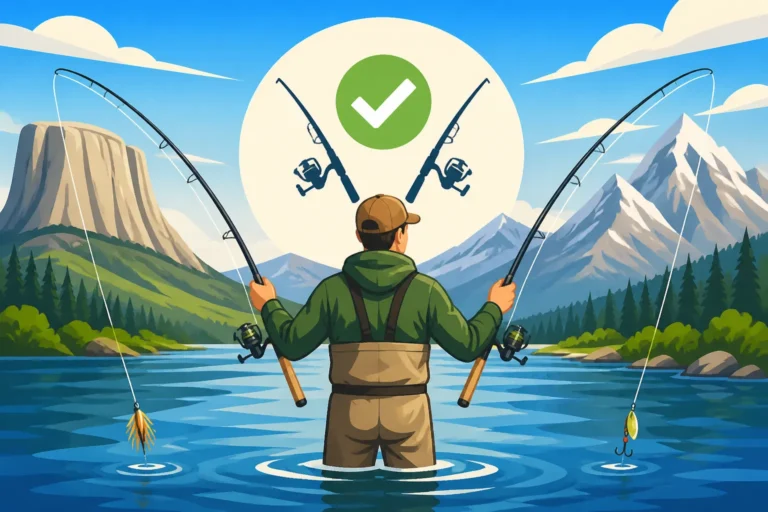
- Two-Pole Stamps: If you wish to use more than one fishing rod simultaneously (up to two rods are typically allowed), Wyoming requires a Two-Pole Stamp. This is an additional purchase, usually around $18 for nonresidents, that allows you to double your chances. This is often popular on large reservoirs for species like walleye or lake trout. If you're planning to use multiple rods, make sure you get this stamp!
Always check the current year's Wyoming Fishing Regulations Every Angler Should Know booklet for the most up-to-date information on any additional requirements.
Fishing on Tribal Lands
Wyoming is home to the Wind River Indian Reservation, which covers a vast and beautiful area with excellent fishing opportunities. However, it's crucial for nonresidents (and residents alike) to understand that Wyoming state fishing licenses are NOT valid on the Wind River Reservation.
If you plan to fish any waters within the boundaries of the Wind River Reservation, you must purchase a separate tribal fishing permit from the Shoshone and Arapaho Tribes. These permits fund tribal fish and game management and vary in cost and duration. You can typically purchase them at various retailers on or near the reservation, such as gas stations and convenience stores in towns like Fort Washakie or Lander.
Failing to acquire a tribal permit for fishing on these lands will result in serious penalties from tribal law enforcement. It's a distinct jurisdiction, and respect for tribal sovereignty and regulations is paramount. If your fishing plans include the Wind River Reservation, make this separate permit a top priority. For more information, refer to Fishing Wyoming's Tribal Waters and Wind River Reservation Rules.
Avoiding Common Pitfalls and Ensuring a Smooth Trip
After all the planning and purchasing, the last thing you want is a preventable snag in your Wyoming fishing adventure. Many common issues for nonresidents arise from simply not knowing or overlooking a small detail in the regulations. By being proactive and informed, you can steer clear of these pitfalls and guarantee a smooth, enjoyable trip focused on the fishing itself.
Understanding Season Dates and Closures
Wyoming's vast and diverse fisheries mean that not all waters are open year-round or have the same regulations. Stream sections might close for spawning, lakes might have specific dates for certain species, or emergency closures could occur due to environmental factors like low water or high temperatures. The single most important document to consult for this information is the annual Wyoming Fishing Regulations booklet.
- Water-Specific Rules: The booklet is organized by drainage and then by specific water bodies (rivers, streams, lakes, reservoirs). You absolutely must look up the specific water you plan to fish, as regulations can vary significantly even within the same river system. For example, one stretch of the North Platte River might be catch-and-release only with barbless hooks, while another stretch allows harvest.
- Emergency Closures: Beyond the printed booklet, the Wyoming Game & Fish Department maintains an online list of current emergency closures. Always check this before heading out, especially during hot summer months or periods of drought. A quick search on the WGFD website for "Wyoming emergency fishing closures" will usually take you directly to the most current information.
- Season Planning: Understanding these seasonal nuances is key to successful fishing. If you're targeting brown trout during their fall spawning run, for example, knowing which stretches might be closed or have special regulations is critical. You can learn more about this in Wyoming Fishing Seasons and Water-Specific Closures.
Bag and Possession Limits
Wyoming has very specific bag and possession limits for various fish species, and these are often different for streams versus lakes, and can even vary by individual water body.
- Daily Bag Limit: This is the maximum number of fish of a certain species you can keep in a single day. Once you reach your daily limit for a species, you must stop fishing for that species for the rest of the day.
- Possession Limit: This is the maximum number of fish of a certain species you can have in your possession at any given time, regardless of how many days you've been fishing. It's usually two times the daily bag limit. This includes fish at your campsite, in your cooler, or at your lodging.
- Size Restrictions: Many waters have minimum or maximum size limits, or "slot limits," where you can keep fish only within a certain size range. For example, some famous trout streams might have a rule that only one trout over 16 inches can be kept.
- Combined Limits: Wyoming also has a statewide combined possession limit for certain trout species. This means that while you might have individual species limits, there’s an overarching total number of trout you can possess regardless of species.
These limits are designed to protect fish populations and ensure sustainable angling. It's your responsibility to know and abide by them. Misinterpreting these limits is a common reason for citations. Familiarize yourself with How Bag and Possession Limits Work in Wyoming to avoid any issues.
Invasive Species Requirements
Wyoming takes the threat of Aquatic Invasive Species (AIS) very seriously, and for good reason. Species like zebra and quagga mussels can devastate ecosystems, clog waterways, and severely impact fisheries. As a nonresident, particularly if you're bringing a boat, you have specific obligations.
- Mandatory Inspections: All watercraft entering Wyoming, whether motorized or non-motorized (including kayaks, canoes, and float tubes), are required to undergo a mandatory AIS inspection by the WGFD if they have been in waters outside of Wyoming.
- Decal: You'll also need to purchase an AIS decal for your watercraft, which can be done online through the WGFD website or at any license agent.
- Clean, Drain, Dry: The fundamental principle is "Clean, Drain, Dry." Before launching, clean any visible mud, plants, or organisms from your boat, trailer, and fishing gear. Drain all water from the boat (livewells, bilge, motor). And most importantly, allow your boat and gear to thoroughly dry before moving to a new water body.
Even if you're not bringing a boat, it's good practice to clean and dry your waders, boots, and fishing nets between different waters to prevent the transfer of microscopic hitchhikers. This collective effort protects Wyoming's pristine waters for everyone. For boaters, ensure you understand why Wyoming Requires Boat Inspections for Invasive Species.
Penalties for Violations
Ignoring or accidentally breaking fishing regulations in Wyoming can lead to unpleasant consequences. Game wardens are enforcement officers, and they have the authority to issue citations, levy fines, and in severe cases, even confiscate property.
- Fines: Fines for fishing without a license or exceeding bag limits can range from a couple of hundred dollars to much higher amounts, depending on the severity and nature of the offense.
- Court Appearances: Some violations may require a mandatory court appearance, which can be incredibly inconvenient and costly if you're traveling from out of state.
- License Revocation: Repeat offenders or those committing serious violations could face temporary or permanent revocation of their fishing privileges in Wyoming, and potentially other states as well.
- Confiscation: In cases of egregious violations, fishing gear, boats, or even vehicles used in the commission of a crime can be confiscated.
The best way to avoid these penalties is simple: know the rules, follow them diligently, and always carry your valid license and Conservation Stamp. When in doubt, always refer to the official WGFD regulations booklet or website, or simply err on the side of caution.
Planning Your Wyoming Fishing Adventure as a Nonresident
You've got your license, you understand the rules, and now it's time to put it all together for an unforgettable Wyoming fishing trip. As a nonresident, planning can make all the difference, helping you maximize your time on the water and truly experience the magic of the Cowboy State's fisheries.
Best Times to Visit and License Planning
Wyoming offers fantastic fishing opportunities throughout the year, but "best" depends on what you're targeting and what kind of experience you're after. Your license choice should align with these plans.
- Spring (April-May): As ice thaws and rivers rise, spring offers excellent opportunities, especially for hungry trout on tailwaters like the North Platte River below Gray Reef. This is a great time for an annual license if you plan to return. If it's a quick trip, a 5-day license covers this shoulder season well.
- Summer (June-August): Peak fishing season, with access to high-alpine lakes, clear mountain streams, and productive reservoirs. This is when a 5-day license is very popular for vacationers. If you're staying for more than a week, or planning multiple summer trips, the annual license plus stamp becomes the most economical choice. Consider that rivers can experience spring runoff in early summer, which impacts conditions.
- Fall (September-November): Many consider fall to be the prime time, especially for trophy brown trout that become aggressive as they prepare to spawn. The crowds thin out, and the scenery is spectacular. An annual license ensures you can hit those key fall windows without re-purchasing. Even a couple of well-timed 5-day licenses can work if your trips are short.
- Winter (December-March): Ice fishing takes center stage on many lakes and reservoirs. This niche pursuit is fantastic, but often requires specialized gear and knowledge of ice safety. If ice fishing is your sole focus, a 5-day or even an annual license (if you plan multiple trips) would be appropriate.
Aligning your license purchase with your expected travel dates and fishing goals will optimize your investment. If you're considering multiple trips, even short ones, it's worth sitting down and doing the math to see if an annual license is actually cheaper than several short-term options.
Combining Licenses with Trip Logistics
Think holistically about your trip. Your license is one piece of a bigger puzzle.
- Route Planning: If you're driving across the state and want to fish multiple different areas (e.g., Snake River in the west, then Flaming Gorge in the south), ensure your license duration covers your entire journey. Don't let a license expire while you're still fishing.
- Accommodation: If you're staying in one area for a week, a 5-day license might be enough for your actual fishing days, leaving a couple of days for other activities without paying for unnecessary license coverage.
- Guided Trips: If you're hiring a fishing guide in Wyoming, remember that your guide will typically not provide your fishing license. You are responsible for purchasing your own valid nonresident license and Conservation Stamp prior to your guided trip. This is a common point of confusion, so always clarify with your outfitter. While they might provide all the gear, they can't provide your permit! For more info on this, see Do You Need Your Own Fishing License for a Guided Trip?.
Essential Gear Considerations
While your license grants you legal access, having the right gear ensures a comfortable and successful outing. As a nonresident, you're likely bringing most of your own equipment, but there are always those last-minute items or specialty pieces you might need.
- Layered Clothing: Wyoming weather can be notoriously unpredictable. Always pack layers, even in summer. A sunny morning can quickly turn into a windy, rainy afternoon.
- Waders and Boots: If you plan on wading rivers, good quality waders and sturdy wading boots are essential. Many retailers, including larger stores and online platforms like Amazon, offer a wide range of options suitable for Wyoming's varied conditions. Make sure they fit comfortably for long days on the water.
- Rod and Reel: Pack appropriate rods and reels for the species and techniques you'll be using. For trout, a 4- to 6-weight fly rod or a light-action spinning rod is common. For larger lake trout or walleye, heavier gear might be needed.
- Tackle: This is where local knowledge really helps, but a good starter kit of assorted flies, lures (spinners, spoons, jerkbaits), and bait will cover most situations. Again, Amazon can be a great place to stock up on standard tackle items before your trip, or you can support local tackle shops once you arrive for regionally specific recommendations.
- Sun Protection: The Wyoming sun, especially at higher elevations, is intense. Bring sunscreen, a wide-brimmed hat, and polarized sunglasses.
- Safety Gear: A first-aid kit, bear spray (if in bear country), a whistle, and plenty of water are non-negotiable, especially when venturing into more remote areas.
- Map and GPS: Cell service is unreliable in many areas. A physical map or a downloaded offline map on a GPS device is crucial for navigation. Even simple things like a headlamp or a multi-tool can make a big difference.
By preparing thoughtfully and understanding the nuances of nonresident regulations, your Wyoming fishing trip will be nothing short of legendary. Tight lines!
Disclaimer
The information provided in this guide is intended for general informational purposes only and is subject to change. Wyoming fishing regulations, license costs, and specific rules are updated annually and may be subject to emergency changes throughout the year. Always consult the most current official Wyoming Game & Fish Department (WGFD) Fishing Regulations booklet or their official website (wgfd.wyo.gov) for the most accurate and up-to-date information before engaging in any fishing activities. Compliance with all state and federal regulations is the sole responsibility of the angler.