Does Wyoming Game and Fish Patrol Popular Fishing Spots?
It's a common thought for any angler, especially when you're out on a beautiful, quiet stretch of water in Wyoming, to wonder if anyone from Game and Fish is actually out there patrolling. You might be carefully checking your regulations booklet, double-checking your license, and suddenly a boat comes by, or a truck pulls up, and there they are. This guide will take a deep dive into the realities of Wyoming Game and Fish's enforcement efforts, explaining how and where wardens patrol, what they're looking for, and why their presence is absolutely vital to keeping Wyoming's fisheries healthy and enjoyable for everyone.
The Visible Presence of Wyoming Game and Fish Wardens
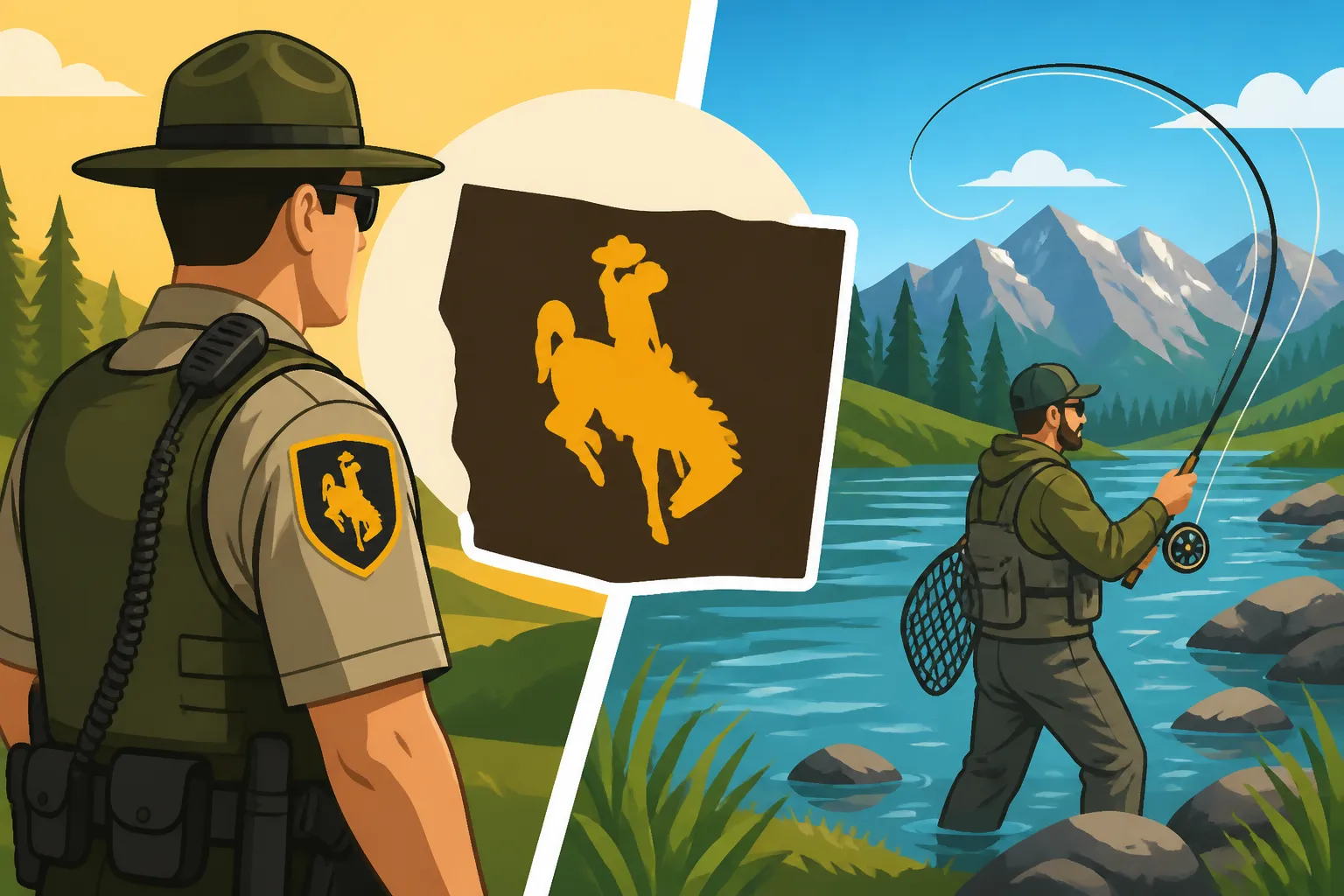
If you spend enough time fishing in Wyoming, especially on our more popular waters, you're bound to cross paths with a Game and Fish warden sooner or later. Their presence isn't just about catching rule-breakers; it's a critical part of maintaining the quality of our state's incredible fishing resources. They’re often quite visible, driving marked trucks, patrolling lakes in boats, or even walking riverbanks.
Why Patrols Are Necessary
Let's face it, nobody wants to be checked by law enforcement, but in the context of wildlife and fisheries, patrols by Wyoming Game and Fish wardens are truly essential. Think about it: without enforcement, it would be a free-for-all. People might keep more fish than allowed, use illegal bait, or fish in closed areas, quickly depleting fish populations and damaging delicate ecosystems. Their work directly supports:
- Conservation of Fisheries: Wardens ensure that anglers adhere to bag and possession limits, which are scientifically set to protect fish populations from overfishing. This proactive approach helps sustain healthy numbers of everything from trophy trout to panfish. They also enforce regulations designed to prevent the spread of aquatic invasive species, a huge threat to Wyoming's waters.
- Enforcement of Regulations: From making sure everyone has a valid license (like understanding the nuances of a nonresident license as detailed in the Wyoming Fishing License Guide for Nonresidents) to ensuring proper gear is used, wardens uphold the rules that keep fishing fair and sustainable. These rules aren't arbitrary; they're designed to protect the resource.
- Public Safety: Sometimes, their role extends to ensuring general safety on the water, especially on busy reservoirs or rivers. They might check boat registration, safety equipment, and address situations that could pose a risk to other recreationists.
- Data Collection and Observation: While patrolling, wardens are also often observing conditions, noting fish health, water levels, and angler success. This anecdotal data, combined with formal surveys, helps inform future management decisions.
Where You're Most Likely to See Them
It stands to reason that where the fish are, and where the anglers are, that's where Game and Fish will be. While wardens cover vast territories, their efforts are typically concentrated in areas with high angler pressure or known biological sensitivities.
- Popular Rivers and Tailwaters: Iconic rivers like the North Platte, particularly the Miracle Mile and Gray Reef sections, and the Snake River near Jackson Hole, see regular patrols. These are prime trout fisheries, often with special regulations like barbless hook requirements on the North Platte River. High fishing pressure in these areas necessitates a strong warden presence to ensure compliance with specialized rules and to educate anglers.
- Major Reservoirs: Large bodies of water like Flaming Gorge Reservoir, Boysen Reservoir, Glendo Reservoir, and Seminoe Reservoir are patrolled by boat. Wardens are often checking for proper licensing, bag limits, and boat safety equipment. Boat ramps, in particular, are common checkpoints, especially during peak seasons when everyone is heading out at once.
- Developed Public Access Points: Any designated public access site, be it a fishing access area, a state park, or a Bureau of Land Management (BLM) river access point, is a likely spot to encounter a warden. These locations are easy for them to monitor and offer convenient points to interact with a larger number of anglers.
- Special Regulation Waters: Some waters in Wyoming have very specific or unique regulations, such as certain catch-and-release only sections or areas with modified bag limits. These spots are often closely monitored to ensure adherence to these critical rules, which are in place to protect fragile populations or specific trophy fish opportunities.
- During Specific Seasons or Events: Think about opening days, ice fishing season, or even Wyoming's Free Fishing Day. These are times of increased angler activity, and wardens will often be out in force to answer questions and ensure regulations are followed, especially on waters that host special events.
It's not uncommon to see a warden's vehicle parked discreetly near a river access point, or their boat making passes on a lake. They are truly out there, ensuring that everyone plays by the rules for the benefit of all.
What Wardens Look For During Patrols
When a Wyoming Game and Fish warden approaches you, it's typically for a routine check. This isn't usually about suspicion; it's about making sure everyone is contributing to conservation and following the rules. Being prepared and knowing what they're looking for can make these interactions smooth and brief.
Checking for Proper Licensing and Stamps
This is probably the most fundamental check a warden will perform. Every angler, with a few specific exceptions (like very young children, as outlined in Do Kids Need a Fishing License in Wyoming?), needs a valid license to fish in Wyoming.
- License Validity: They'll confirm you have the correct type of license for your residency status (resident vs. nonresident), and that it's current. Remember, Wyoming licenses are valid for a calendar year, from January 1st to December 31st, not 12 months from the purchase date. Whether you bought it online, at a licensed vendor, or picked it up at a Game and Fish office, they'll verify its authenticity.
- Conservation Stamp: For most annual licenses, you also need a Wyoming Conservation Stamp. Wardens will check for this alongside your fishing license. There are specific instances where the Conservation Stamp Is Not Required in Wyoming, but for the majority of anglers, it's a mandatory purchase that supports wildlife management. You can grab your licenses and stamps easily online, or if you prefer a physical copy, many outdoor retailers or even places like some Amazon affiliate partners in towns across Wyoming will have them. It's smart to keep them in a waterproof holder.
- Accessibility: The rules explicitly state you must be Carrying Your Wyoming Fishing License in the Field. While a digital copy on your phone is usually acceptable, having a clear, legible version is key. Make sure your phone is charged, or better yet, carry a printed copy as a backup. No one wants to be caught with a dead phone when a warden asks for their license.
Enforcing Bag and Possession Limits
These limits are set for very specific reasons, primarily to manage fish populations for long-term health and to ensure a fair distribution of the catch among anglers. Wardens are vigilant about ensuring these limits are respected.
- Daily Bag Limits: This refers to the number of fish of a particular species you can keep in a single day. For instance, the Wyoming Trout Stream Daily Limit might be different from the Wyoming Trout Lake Daily Limit. Wardens will ask to see your cooler or stringer, count your fish, and verify they are within the specified daily limits for the water you are fishing. They're also often checking size restrictions, like the one-over-16-inch rule on some trout streams.
- Possession Limits: This is often misunderstood. While a daily limit dictates what you can keep in a day, a possession limit (often twice the daily limit) dictates the total number of fish you can have in your possession, including those at your campsite, vehicle, or home, from one or more fishing trips. Wardens might inquire about fish you have from previous days to ensure you're not exceeding the Wyoming's Combined Possession Limit Explained. For example, recent changes like the New Snake River Trout Limits Near Jackson Lake Dam are crucial for wardens to enforce to protect specific fisheries.
- Species Identification: Sometimes, distinguishing between similar species, like a cutthroat and a rainbow, can be tricky for anglers. Wardens are trained in fish identification and will help clarify if needed, but ultimately, it's the angler's responsibility to know what they've caught and if it's legal to keep.
Observing Legal Fishing Methods and Bait Use
Wyoming has regulations not just on how many fish you can keep, but how you catch them. These rules aim to ensure fair chase, reduce harm to fish, and prevent the spread of diseases.
- Gear Restrictions: Wardens will observe your fishing setup. Are you using the correct number of rods (generally two, unless you have a valid two-pole permit where applicable)? Are your hooks legal for the specific water you're on? For example, the Barbless Hook Requirements on the North Platte River are strictly enforced in certain stretches to minimize damage to trout, and wardens will certainly be checking this. Using a setup like a standard spinning rod with a single hook is usually fine, but complex rigs or multiple unattended rods might draw attention.
- Bait Regulations: Live bait regulations are a big one. Certain waters are fly-fishing only, artificial lure only, or restrict the use of live bait, especially live fish, to prevent the introduction of invasive species. Wardens may ask what bait you're using or even check your bait container. Being caught with illegal bait can lead to significant Fines and Penalties for Common Fishing Violations.
- Illegal Methods: Snagging fish, using nets (other than for landing a legally hooked fish), or other unlawful methods are strictly prohibited. Wardens are trained to spot signs of these activities, even if it means observing from a distance.
Aquatic Invasive Species Prevention
This is a growing and incredibly important aspect of a warden's duties. Aquatic Invasive Species (AIS) like zebra and quagga mussels pose an enormous threat to Wyoming's waterways, infrastructure, and native fish.
- Boat Inspections: If you're launching a boat, especially at reservoirs, expect to encounter AIS check stations. These are often staffed by technicians, but wardens oversee the process. They're looking for boats that haven't been properly cleaned, drained, and dried. This isn't just a suggestion; it's mandatory for all motorized boats and many non-motorized vessels entering Wyoming waters.
- Angler Awareness: Wardens also educate anglers about the "Clean, Drain, Dry" protocol for all fishing gear, including waders, nets, and even kayaks. They might ask if you've cleaned your gear between different waters. Carrying a small brush and a spray bottle for cleaning your waders is a good habit. You can even find specific gear cleaning kits on Amazon that are designed for AIS prevention.
- Reporting: They'll also provide information on How to Report an Invasive Fish Species in Wyoming if you encounter something unusual in the water.
This detailed scrutiny by wardens, while sometimes feeling inconvenient, is crucial. It ensures that the state's natural resources are protected for future generations of anglers.
Beyond the Obvious Patrols: Other Enforcement Methods
While the visible presence of a Game and Fish warden is common, it's important to remember that their enforcement efforts extend far beyond just uniformed patrols. The Wyoming Game and Fish Department (WGFD) employs a variety of strategies to ensure compliance and protect the state’s valuable natural resources. It’s a comprehensive approach that includes community involvement and less overt investigative techniques.
Citizen Reporting and Anonymous Tips
One of the most powerful tools in wildlife enforcement is the active participation of the public. Anglers, hunters, and outdoor enthusiasts often act as extra eyes and ears for Game and Fish, reporting suspicious activities or clear violations.
- Reporting Suspicious Activity: If you witness someone clearly breaking fishing regulations – whether it’s exceeding bag limits, using illegal methods, or poaching – you have a responsibility to the resource to report it. Wyoming Game and Fish has a dedicated program, "Stop Poaching," which allows individuals to anonymously report violations. You can find out more about How to Report a Fishing Violation in Wyoming, usually through a toll-free hotline or an online portal.
- The Power of Observation: Even small details can be helpful. Note the location, time, a description of the individuals involved, their vehicle (license plate if possible), and the nature of the violation. Never confront individuals you suspect are breaking the law; it can be dangerous. Instead, observe from a safe distance and report.
- Why It Matters: These citizen reports are invaluable. Wardens can't be everywhere at once, and tips from concerned citizens often lead to investigations and successful prosecutions, directly contributing to the conservation of fish populations. It's a testament to the community's commitment to preserving Wyoming's wild heritage.
Undercover Operations and Surveillance
While not something you'd typically encounter or even be aware of, Wyoming Game and Fish does employ more covert methods when dealing with serious or repeat offenders, or organized poaching rings. This isn't about catching a casual angler who accidentally kept one too many panfish; it's about addressing significant threats to wildlife.
- Targeting Serious Violations: These operations are usually reserved for cases involving commercial poaching, habitual offenders, or situations where traditional patrol methods are ineffective. Think of individuals who are intentionally taking large numbers of fish illegally, or those trafficking in poached wildlife.
- Evidence Gathering: Undercover wardens blend in with the public, gather intelligence, and build cases through surveillance and other investigative techniques. This can lead to arrests and significant legal consequences for those who flagrantly disregard wildlife laws.
- Deterrent Effect: The knowledge that such operations could be happening serves as a deterrent to those considering serious violations, reinforcing the message that all wildlife laws are taken seriously in Wyoming.
Public Education and Outreach
It’s easy to view wardens solely as law enforcement, but a huge part of their job is also education and outreach. They are often the first point of contact for anglers with questions, and they play a vital role in helping people understand complex regulations.
- Answering Questions in the Field: Don't hesitate to approach a warden with a genuine question about regulations or local fishing conditions. They are a wealth of knowledge and prefer to educate rather than cite. For instance, if you’re unsure about the difference between a daily and a possession limit, or if a particular type of bait is legal on the water you're fishing, they can provide clear, accurate answers.
- Community Engagement: Wardens frequently participate in community events, youth fishing days, and educational programs. They often speak at local fishing clubs and offer insights into local fisheries and current regulations. This proactive engagement helps foster a culture of responsible angling.
- Distributing Information: They're also on the front lines when it comes to disseminating critical information, such as when Wyoming Game and Fish Announces Emergency Closures due to high water temperatures or disease outbreaks. This immediate, on-the-ground communication is crucial for angler safety and resource protection. Sometimes, they'll even have spare copies of the most recent Wyoming Fishing Regulations Every Angler Should Know, which is a handy thing to keep in your tackle box, along with your license. You can even find waterproof regulation holders on Amazon that keep your booklet dry.
This multi-faceted approach, combining visible patrols with citizen involvement, covert investigations, and extensive public education, demonstrates Wyoming Game and Fish's commitment to preserving the state's exceptional fishing opportunities for everyone.
How to Interact with a Wyoming Game and Fish Warden
Encountering any law enforcement officer can be a bit nerve-wracking, but interacting with a Wyoming Game and Fish warden should ideally be a calm and informative experience. They are generally approachable and passionate about their work, which is protecting the resources you love to enjoy. Knowing how to react appropriately can make all the difference.
Be Prepared and Cooperative
When a warden approaches you, whether on the river, at a boat ramp, or in a remote backcountry spot, your cooperation and preparedness will make the interaction quick and painless.
- Stay Calm and Courteous: The first rule of thumb is always to be polite and respectful. A warden is simply doing their job to ensure that Wyoming's fish and wildlife are managed sustainably. A positive attitude goes a long way.
- Have Your Documents Ready: Just as you would for a traffic stop, have your identification and fishing license readily accessible. This means your Wyoming Resident vs Nonresident License Rules and your The Wyoming Conservation Stamp and What It Covers should be on your person. If you're using a digital license on your phone, make sure your phone is charged and ready to display it clearly. It's always a good idea to have a printed backup, especially in areas with spotty cell service.
- Follow Instructions: If a warden asks you to stop fishing, show them your catch, or perform an AIS inspection on your boat, comply promptly and without argument. They have the authority to make these requests, and resistance will only complicate matters.
- Answer Questions Honestly: Wardens will typically ask about your catch, where you've been fishing, and what methods you're using. Provide honest and direct answers. If you're unsure about a regulation, it's better to admit it and ask for clarification than to guess and potentially give incorrect information. They are often there to educate as much as they are to enforce.
- Show Your Catch: Be ready to show them any fish you've kept. They will count them, and sometimes measure them, to ensure compliance with Understanding Wyoming's Daily Bag Limits by Species and any size restrictions, especially on waters with special rules like The One-Over-16-Inch Rule on Wyoming Trout Streams. Keep your fish easily accessible, whether in a cooler or on a stringer.
Remember, wardens are there to protect the resource, which ultimately protects your ability to continue fishing in Wyoming. A brief, courteous interaction is the goal for everyone involved.
What to Do If You Encounter a Violation
While you hope to never witness someone breaking fishing laws, it's an unfortunate reality in the outdoors. If you do see a violation, knowing how to respond is important for protecting the resource without putting yourself at risk.
- Do NOT Intervene or Confront: This is the most crucial piece of advice. Never confront individuals you suspect are violating fishing regulations. You don't know who you're dealing with, and confrontations can quickly escalate into dangerous situations. Your safety is paramount.
- Observe and Document: From a safe distance, try to gather as much information as possible without drawing attention to yourself. Key details include:
- Location: Be as specific as possible (e.g., "North Platte River, approximately 1 mile downstream from the Gray Reef access," or "Flaming Gorge Reservoir, near Lucerne Marina, south side").
- Time and Date: Crucial for any investigation.
- Description of Individuals: Number of people, approximate age, gender, clothing.
- Vehicle Description: Make, model, color, and most importantly, license plate number (including state).
- Nature of the Violation: What exactly did you see? Exceeding limits, illegal bait, snagging, fishing in a closed area, etc.
- Report Promptly: As soon as it's safe to do so, report the violation to Wyoming Game and Fish. You can do this through their dedicated "Stop Poaching" hotline (usually 1-877-WGFD-TIP or 1-877-943-3847) or via their online reporting system. The sooner you report, the better the chance for wardens to respond effectively. Be prepared to provide the details you observed.
- Anonymity: Most reporting systems allow you to remain anonymous if you wish. However, providing your contact information can sometimes be helpful for wardens if they need further clarification, though this is entirely your choice.
By following these guidelines, you can contribute positively to the conservation efforts of Wyoming Game and Fish, helping to ensure that our cherished fishing spots remain vibrant for years to come.
Here's a quick summary of what wardens are often checking for:
| Item Checked | Why It's Important | What Anglers Should Do |
|---|---|---|
| Fishing License & Conservation Stamp | Ensures legal participation and funds conservation efforts. | Have valid documents readily accessible, physical or digital. |
| Bag & Possession Limits | Prevents overfishing and ensures sustainable fish populations. | Know and adhere to species-specific limits for the water being fished. |
| Legal Fishing Methods & Gear | Ensures fair chase, minimizes harm, prevents illegal practices. | Use approved tackle and bait for the specific water; know hook restrictions (e.g., barbless). |
| Aquatic Invasive Species (AIS) | Prevents spread of harmful organisms that damage ecosystems. | Clean, Drain, Dry all boats and gear between waters; comply with inspections. |
| Boating Safety Equipment | Ensures safety for all recreationists on the water. | Have required safety gear (life jackets, fire extinguisher, horn) onboard. |
| Fish Identification | Confirms angler adherence to species-specific regulations. | Be able to identify your catch, especially regulated species. |
Disclaimer
The information provided in this guide is for general informational purposes only and is not intended as legal advice. Fishing regulations in Wyoming can be complex and are subject to change. Always consult the most current official Wyoming Game and Fish Department regulations booklet or website before heading out to fish. Adherence to all state and local laws is the angler's responsibility.