Does Wyoming Have a Statewide Catch-and-Release Season?
It’s easy to get a bit turned around when trying to understand fishing regulations, especially in a state as vast and diverse as Wyoming. Many anglers, seasoned and new alike, often wonder if there's a universal catch-and-release rule or a specific statewide "season" for it. It’s a common and completely valid question, given how often regulations can change from one body of water to the next. This guide aims to clear up any confusion surrounding Wyoming's catch-and-release rules, ensuring you can enjoy your time on the water with confidence and respect for the fishery.
Wyoming's Approach to Catch-and-Release: No Statewide Season
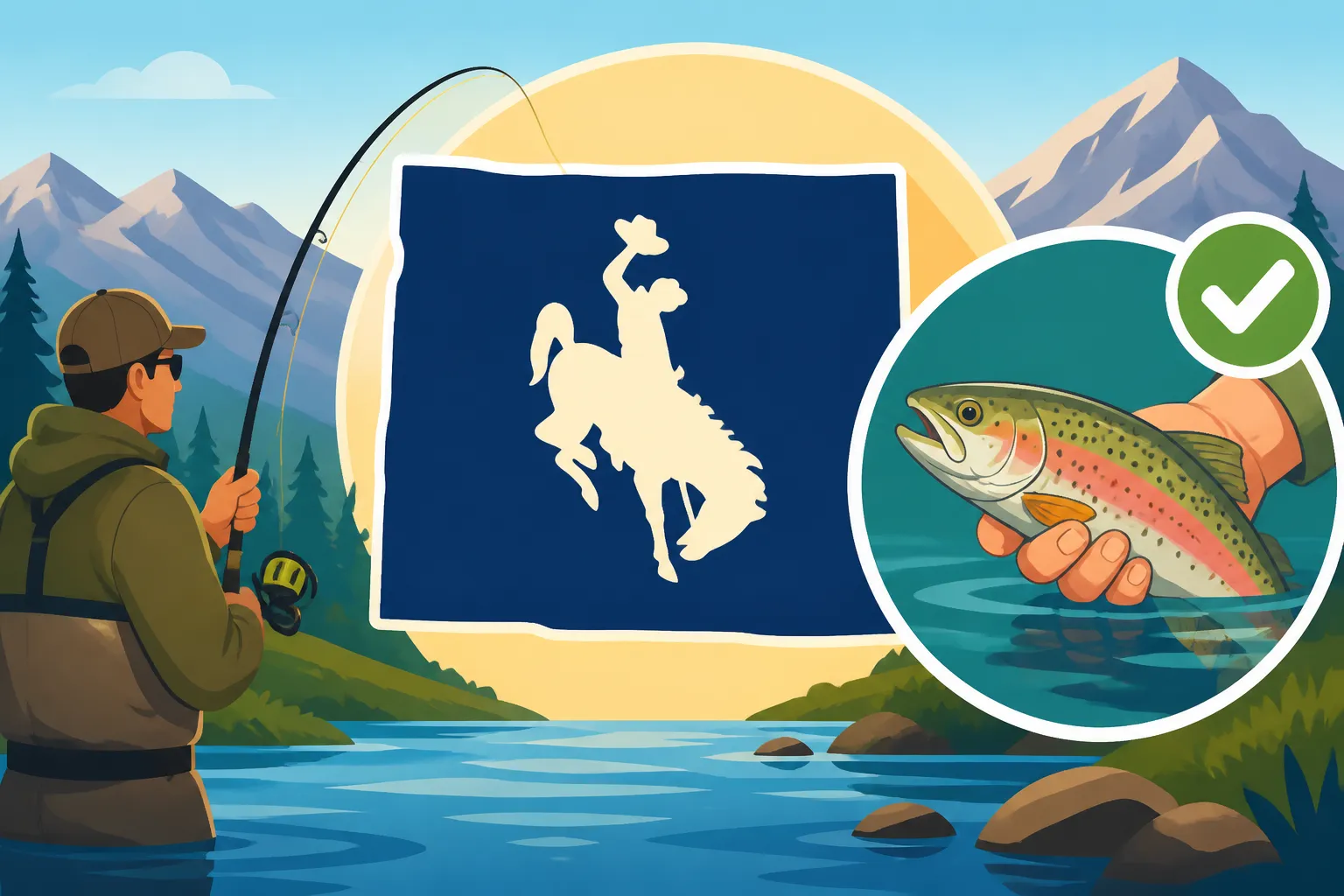
Let's cut right to the chase: Wyoming does not have a blanket statewide catch-and-release season that applies to all waters at all times. Instead, the state's fishing regulations are incredibly specific, often varying by individual river, lake, or even a particular section of a river. While many anglers choose to practice catch-and-release voluntarily for personal reasons, it is only legally required in designated waters or during specific times as outlined by the Wyoming Game and Fish Department (WGFD).
This nuanced approach means that while you might be able to keep a limit of trout from a reservoir one day, you could be fishing a different stream the next where releasing all fish, or all fish of a certain size, is mandatory. It's less about a general season and more about precise, water-specific management goals designed to protect specific species, promote trophy fisheries, or allow populations to recover. Ignoring these specific rules, even if you’re just trying to be a good steward of the resource, can lead to serious fines and penalties for common fishing violations.
Understanding the General Creel Limits
For the vast majority of Wyoming's waters, anglers operate under what are called "creel limits" or "bag and possession limits." These limits specify the maximum number of fish, by species, that you can keep in a single day (daily limit) and the total number you can have on hand, including those already at home or in your cooler (possession limit). For example, a common statewide general regulation might allow you to keep six trout per day, with no more than three being over 16 inches. However, even these general rules have numerous exceptions.
This is where the idea of a "statewide" rule can get tricky. While there might be general guidelines, almost every popular fishing spot has its own set of rules. You'll find sections of rivers, like parts of the North Platte, where the daily limit is significantly reduced, or where only one fish over a certain size can be kept, or where all fish must be released. It's a patchwork quilt of regulations, which is why having a current copy of the Wyoming Fishing Regulations Every Angler Should Know is absolutely essential every time you head out.
Voluntary Catch-and-Release Practices
Even when not legally required, many anglers in Wyoming choose to release their catch, especially when targeting popular species like trout. This voluntary practice is a cornerstone of responsible angling and helps maintain healthy fish populations for future generations. It’s particularly common on productive trout streams where the focus is often more on the experience of catching fish than on harvesting them for the table.
Adopting good catch-and-release practices is always a great idea. This includes using appropriate gear, minimizing handling time, keeping the fish in the water as much as possible, and using barbless hooks. If you're passionate about preserving the quality of Wyoming's fisheries, whether it's the famed North Platte River or a quiet high-alpine lake, practicing careful catch-and-release ensures that those fish live to fight another day, contributing to the overall health and vitality of the ecosystem. Many anglers also find specialized tools like long-nose pliers or forceps, easily found on Amazon, invaluable for quick and safe hook removal.
Identifying Waters with Mandatory Catch-and-Release Rules
Since there isn't a statewide catch-and-release season, the key is knowing which specific waters have these requirements. The Wyoming Game and Fish Department meticulously details these areas in their annual regulations booklet. These rules are usually in place for very good reasons, often involving the protection of native species or the creation of renowned trophy fisheries.
Specific Rivers and River Sections
Some of Wyoming's most famous rivers and their sections are well-known for their mandatory catch-and-release or highly restrictive harvest regulations. A prime example is certain stretches of the North Platte River, particularly the trophy sections like the Miracle Mile or Gray Reef. Here, you'll often encounter regulations that mandate the release of all trout or allow for the harvest of only one fish within a very specific size slot, usually to protect larger, spawning fish. These rules are put in place to ensure these waters remain world-class fisheries, allowing fish to grow to impressive sizes and contribute to future generations. For instance, you might find specific instructions like "Trout: 0 per day, possession limit 0," which clearly means all trout must be released. This is a crucial distinction from general statewide rules. It’s also common in these areas to find barbless hook requirements on the North Platte River to further reduce harm to fish during release.
Another critical example is the Snake River. While general limits might apply to some parts, other sections, especially those managed for specific populations like the Snake River Fine-Spotted Cutthroat, can have extremely tight restrictions or outright catch-and-release rules. The WGFD frequently implements these types of regulations in areas where conservation of native species is paramount. Always double-check the water-specific rules, as they can even vary based on the tributary or even how far upstream or downstream you are on a given river.
Designated Lakes and High-Altitude Fisheries
It’s not just rivers; certain lakes and high-altitude waters also have mandatory catch-and-release rules or heavily reduced limits. These are often remote, pristine high-alpine lakes where fish populations grow slowly and are particularly vulnerable to overharvest. Golden Trout fishing in Wyoming's high country, for example, often comes with very specific rules to protect these beautiful and often fragile populations.
Sometimes, lakes are designated catch-and-release to help establish a fishery, or to manage invasive species. For instance, if a lake is stocked with a particular species and managers want to allow that species to establish a strong breeding population, catch-and-release might be temporarily enforced. Similarly, in areas where non-native or invasive species are present, there might be opposite rules – encouraging harvest to reduce their numbers, such as in the ongoing efforts to manage Lake Trout in Yellowstone Lake. This highlights the complexity of Wyoming's regulations; they are always a reflection of specific biological and management objectives for each individual water body.
Locating and Interpreting Wyoming's Fishing Regulations
The most common frustration anglers face isn't typically the existence of rules, but rather finding and understanding them. The good news is that the Wyoming Game and Fish Department does an excellent job of compiling all the necessary information, but it’s up to us as anglers to seek it out and interpret it correctly.
The Essential Regulations Booklet
Your absolute best friend when fishing in Wyoming is the current year's Wyoming Fishing Regulations Every Angler Should Know booklet. This is not just a suggestion; it's a necessity. These booklets are updated annually and are available digitally on the WGFD website, or in physical form at license vendors, WGFD offices, and many sporting goods stores across the state. They are incredibly detailed, breaking down regulations by drainage, specific river sections, and individual lakes.
When you open that booklet, don't just skim. Look for the "General Fishing Regulations" section first, which provides the baseline rules for most waters. Then, immediately flip to the "Water Specific Regulations" section, which is often organized by drainage or region. This is where you’ll find those critical exceptions and mandatory catch-and-release rules. Pay close attention to any highlighted text, bolded sections, or specific notes regarding special seasons, gear restrictions (like barbless hooks), or size limits. You can even find previous versions of the booklet if you wanted to check on Wyoming's 2026 Fishing Regulation Changes Explained, but always make sure you're looking at the current year's rules. I always grab a physical copy, but I also keep a PDF version on my phone for quick reference out on the water.
Utilizing Online Resources and Maps
Beyond the printed booklet, the WGFD website is an invaluable tool. They often have interactive maps that can help you pinpoint specific regulations for the water you plan to fish. These online resources are particularly useful for checking for any in-season emergency closures or temporary regulation changes that might not have made it into the printed booklet. Sometimes, a section of a river might experience a sudden fish kill or disease outbreak, leading to an immediate temporary closure or a shift to mandatory catch-and-release. How Wyoming Sets In-Season Emergency Closures is something every angler should be aware of, and the WGFD website is the primary place to find these updates.
When planning a trip, I usually consult the online map first to get a general overview of the area and any special regulations. Then, I cross-reference it with the detailed text in the digital booklet. If you're heading to a new area, a quick search for "Where to Find Current Wyoming Fishing Regulations" will quickly lead you to the official WGFD page. This dual approach ensures you have the most up-to-date information before you even tie on your first fly or cast your first lure.
Responsible Catch-and-Release Practices
Even when catch-and-release isn't mandated, practicing it with care is crucial for the health of Wyoming's fish populations. The goal is always to release a fish in such a way that it has the best possible chance of survival.
Minimizing Stress and Handling
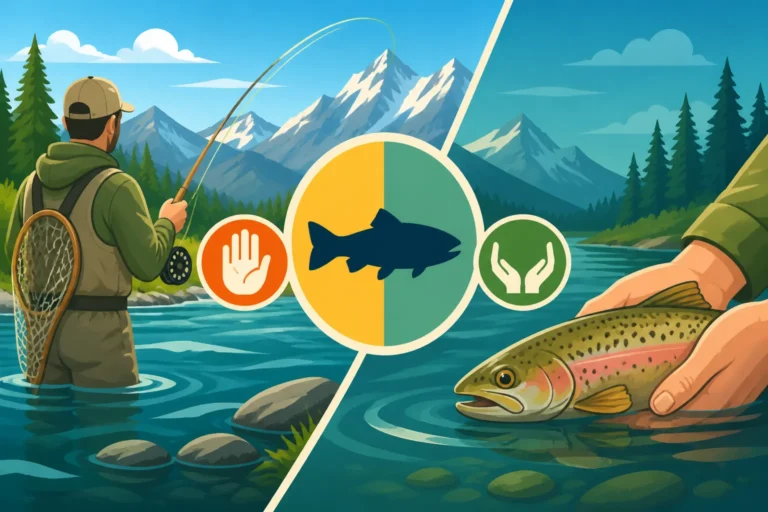
The less stress a fish experiences during the catching and releasing process, the better its chances of survival. This starts with using appropriate tackle that allows you to land the fish relatively quickly, rather than excessively prolonging the fight, which can exhaust the fish. When you do land the fish, keep it in the water as much as possible. If you need to handle it, wet your hands thoroughly before touching the fish. Dry hands can remove the protective slime layer, leaving the fish vulnerable to disease. Avoid squeezing the fish, especially around its belly or gills.
For larger fish that you want to photograph, try to keep the fish partially submerged and support its entire body horizontally. Never hold a large fish vertically by its jaw or tail, as this can damage internal organs and its spine. Quick photos are fine, but prioritize the fish's health over the perfect shot. A quick release is often the best release, so familiarize yourself with How to Handle a Trout to Keep It Alive After Release.
The Importance of Barbless Hooks
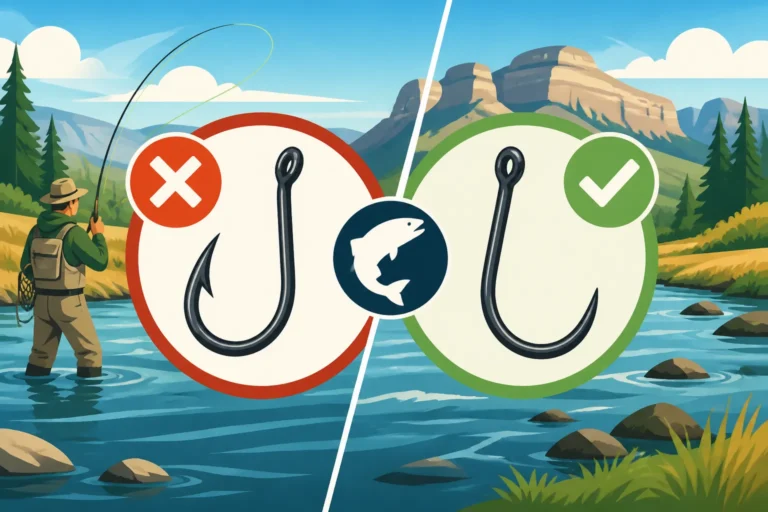
Barbless hooks are a game-changer for catch-and-release fishing. They penetrate less deeply and, most importantly, are far easier to remove from a fish's mouth without causing extensive tissue damage. Many of Wyoming's special regulation waters that require catch-and-release also mandate the use of barbless hooks. This isn't just a suggestion in those areas; it's a legal requirement designed to enhance post-release survival. You can easily find barbless hooks for sale, or you can crimp down the barb on any standard hook with a pair of pliers. This simple act can make a huge difference in a fish’s chances of survival.
If you find a hook deeply embedded in a fish's throat or gills, it's often best to cut the line as close to the hook as possible rather than trying to forcefully remove it. The hook will often rust out or be expelled by the fish over time, and this causes less trauma than a prolonged, invasive extraction attempt. Keeping a pair of small, sharp scissors or line clippers (like those you can find on Amazon for a few bucks) handy is always a good idea.
Gear for Safe Release
Having the right tools makes responsible catch-and-release much easier. A good pair of long-nose pliers or forceps is essential for quickly and safely removing hooks, especially when a fish has swallowed the hook a bit deeper. A soft, knotless landing net can also be incredibly helpful. These nets minimize damage to a fish's fins and slime coat compared to traditional knotted nets. If you plan to weigh a fish, use a fish-friendly measuring tape and a scale that supports the fish horizontally, such as a lip gripper with an integrated scale.
Investing in these few pieces of gear is a small price to pay for ensuring the long-term health of the fisheries we all enjoy. They are readily available at most sporting goods stores or online retailers like Amazon, and they demonstrate a commitment to ethical angling that benefits everyone who cherishes Wyoming's incredible fishing opportunities.
Here’s a quick overview of some common regulation types you might encounter:
| Regulation Type | Description | Common Application |
|---|---|---|
| Statewide General | Default rules applied unless specific water regulations supersede them. | Most common lakes and streams without special designations. |
| Catch-and-Release Only | All fish of a specific species (or all species) must be immediately released. | Trophy sections of rivers (e.g., North Platte), sensitive native trout waters. |
| Reduced Bag Limit | Daily and/or possession limits are lower than the statewide general limits. | Rivers with high fishing pressure, certain reservoirs with fluctuating populations. |
| Slot Limit | Only fish within a certain size range can be kept. Fish outside this range must be released. | Often used to protect spawning-size fish or encourage growth of trophy fish. |
| One-Over-X-Inches | Only one fish over a certain length (e.g., 16 inches) can be harvested. | Many trout streams, including sections of the Green River or Salt River. |
| Barbless Hooks Required | Only artificial flies or lures with barbless hooks may be used. | Frequently paired with catch-and-release or slot limits to minimize fish injury. |
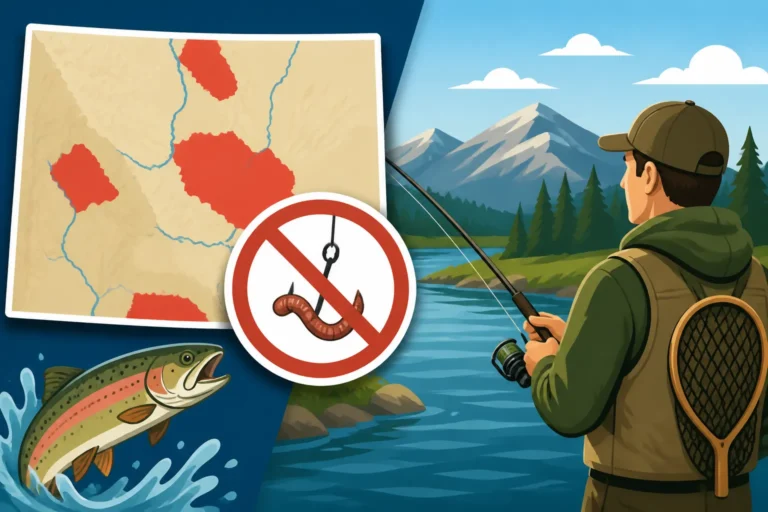
| Artificial Lures Only | Only artificial flies or lures (no bait) are permitted. | Common on blue-ribbon trout streams to reduce accidental deep hooking and promote sport. |
Disclaimer
The information provided in this guide is intended for general informational purposes only and is subject to change. Fishing regulations in Wyoming are complex and can be updated annually or even in-season. Always consult the most current official Wyoming Game and Fish Department fishing regulations booklet and their official website before heading out to fish to ensure compliance with all applicable rules and laws.