When Yellowstone Lake Ice Out Usually Happens
One of the biggest questions on every angler's mind when planning a trip to Yellowstone National Park, especially if you're dreaming of fishing the majestic Yellowstone Lake, is "When will the ice finally be gone?" It's a question that can make or break an early-season fishing adventure, leading to frustration if you arrive only to find vast expanses of frozen water. This guide will dive deep into understanding the phenomenon of ice out on Yellowstone Lake, what factors influence its timing, and how you can best plan your trip around this crucial natural event.
Understanding Yellowstone Lake's Ice Out Phenomenon
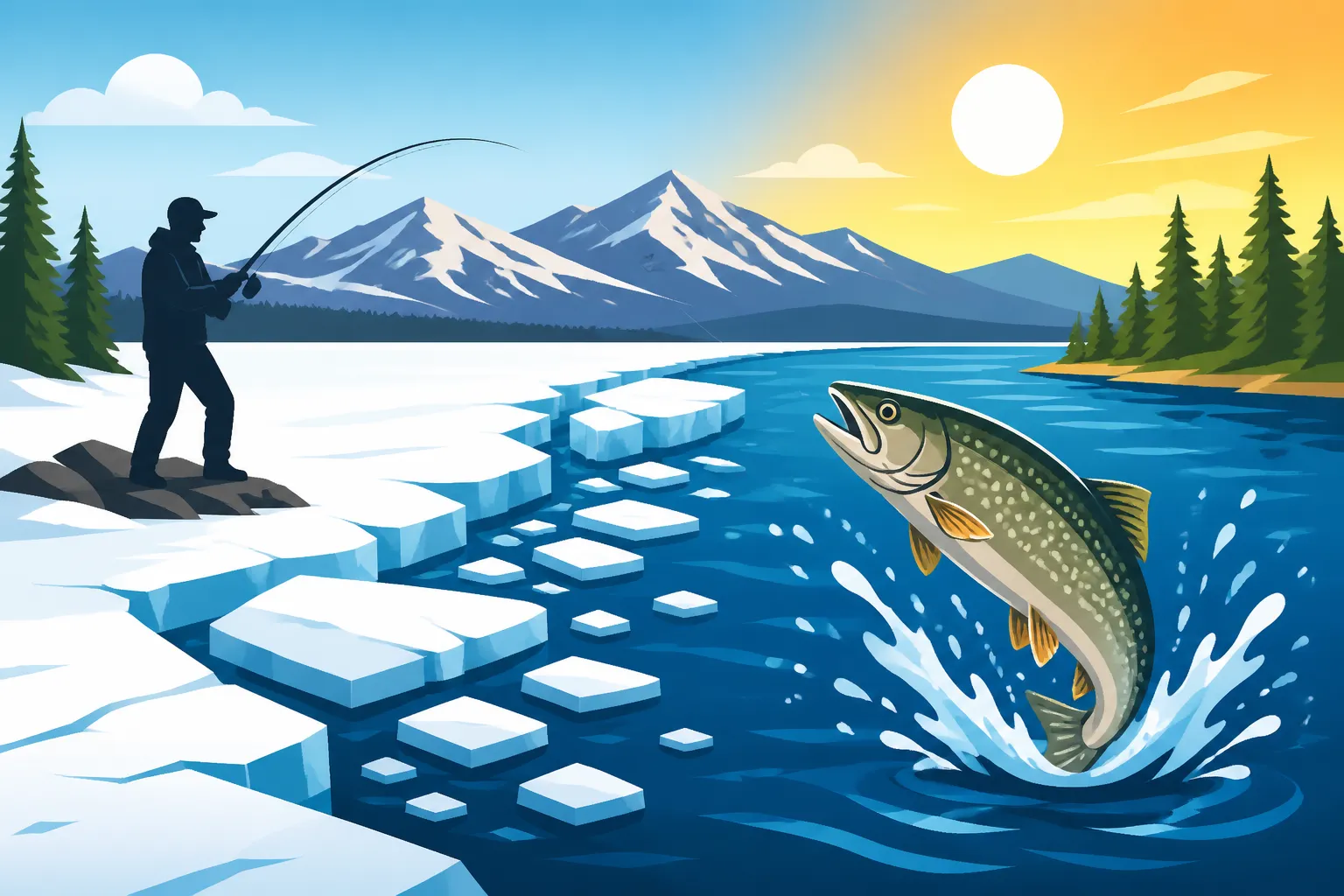
The term "ice out" isn't just a casual saying among anglers; it's a critical environmental marker that dictates everything from boat access to fish behavior. On a massive body of water like Yellowstone Lake, which is the largest high-elevation lake in North America, ice out is a significant event. It marks the transition from a winter wonderland, often locked under several feet of ice and snow, to an accessible, teeming fishery.
What Exactly is "Ice Out"?
For Yellowstone Lake, "ice out" isn't merely the first day you see open water. The official declaration usually comes from the National Park Service when their research vessel, the RV Cutthroat, can safely navigate from the marina at Fishing Bridge to Stevenson Island. This generally signifies that the main body of the lake is mostly clear of ice, allowing for boating and broader fishing access. Prior to this, smaller bays and the West Thumb area might open up, offering limited access, but the full "ice out" means the lake is largely navigable. This distinction is crucial because while some areas may open early, the vast majority of the lake could still be covered, making your fishing options quite restricted. Think of it as the grand opening for the entire fishery, not just a partial unveiling.
Why the Timing of Ice Out Matters for Anglers
The precise timing of ice out is paramount for several reasons. Firstly, access. Until the ice has receded sufficiently, boat ramps remain unusable, and shore fishing opportunities are limited to the very edges of melting ice, often requiring careful navigation over slippery banks. Secondly, fish behavior. After a long winter under the ice, fish like the native Yellowstone Cutthroat Trout become more active and start feeding aggressively as the water warms and insect hatches begin. Early post-ice out can be prime time for targeting these hungry fish. However, arriving too early means you might miss this window or find the fish still lethargic under near-freezing water. Knowing when the ice is out helps you align your trip with the best possible conditions for your chosen fishing technique, whether you're fly fishing for eager cutthroats or trolling for other species in different parts of the park.
Historical Trends and Average Ice Out Dates
Yellowstone Lake’s ice-out date is not fixed; it shifts annually, sometimes by weeks. However, historical data provides a valuable pattern, helping us understand when to generally expect the lake to open up. This data, often compiled by the National Park Service, is essential for anyone trying to plan a trip to this iconic fishing destination.
What the Data Tells Us About Yellowstone Lake
Looking back over decades, Yellowstone Lake typically experiences its ice out sometime between late May and mid-June. The average date often hovers around June 1st to June 10th. However, it’s not uncommon for ice out to happen as early as mid-May in exceptionally warm, windy years, or as late as the third week of June during cold, snowy springs. For instance, in 2023, the lake was largely free of ice by June 3rd, while in contrast, the deep snowpack and cool spring of 2011 pushed the ice out all the way to June 16th. These fluctuations highlight why checking current conditions is always more reliable than relying solely on averages when planning your trip.
You can often find detailed historical ice out records on the Yellowstone National Park official website, which are a fascinating look at the lake's seasonal rhythm. This data also influences when the park can begin its crucial Yellowstone Lake Trout Removal Efforts in Yellowstone Lake to protect the native cutthroat populations, making it an ecological benchmark as much as an angling one.
Comparing Yellowstone Lake to Other Wyoming Waters
While Yellowstone Lake is unique in its elevation and size, comparing its ice-out patterns to other large, high-elevation lakes in Wyoming can offer some context. For example, Jackson Lake, located further south in Grand Teton National Park, generally sees its ice out earlier, often in mid-May. This is due to its slightly lower elevation and often different weather patterns, though it still experiences significant year-to-year variability. Smaller, shallower lakes at similar elevations often clear earlier as well. However, lakes higher in the Wind River Range, often requiring significant hikes to access, can remain frozen much later, sometimes even into July, depending on their depth and surrounding topography. This comparison underscores Yellowstone Lake's specific characteristics and why its ice-out period is often later than many other accessible waters. Understanding these differences can help anglers decide when to target Wyoming's High-Alpine Lakes Worth the Hike or other major reservoirs.
Factors Influencing Ice Out Timing
The ice on Yellowstone Lake doesn't just vanish overnight; it's a gradual process influenced by a complex interplay of environmental factors. Understanding these elements can give you a better predictive edge when trying to estimate the timing of ice out each year.
The Role of Snowpack and Spring Temperatures
The amount of snow that falls in the Yellowstone region over the winter is one of the most significant factors. A deep, heavy snowpack in the surrounding mountains, especially in the tributaries feeding into Yellowstone Lake, means more cold water runoff in the spring, which can delay warming and ice melt. This prolonged cold input keeps the lake cooler for longer.
Compounding this is the spring air temperature. A consistently warm spring, with daytime highs in the 60s and 70s and mild nights, will accelerate ice melt significantly. Conversely, a spring characterized by cold snaps, late-season snowfalls, and overcast days will retard the melting process. It's not just the average temperature, but the sustained warmth that really makes a difference. If you have a massive snowpack followed by a cool, cloudy spring, you can almost guarantee a later ice out. This is a common pattern in the Northern Rockies, where late spring storms aren't unusual.
The Impact of Wind and Solar Radiation
While temperature and snowpack set the stage, wind often plays the starring role in the final act of ice out. Persistent, strong winds can break up large ice sheets, create currents that move the ice around, and expose more open water to solar radiation and warmer air. Wind-driven waves literally chew away at the ice edges and help to quickly fracture weakened sections. A week of calm, sunny weather might only slowly melt the ice, but add in sustained 20-30 mph winds, and you'll see dramatic changes in a matter of days.
Solar radiation, the direct sunlight hitting the ice, is also crucial. As the sun gets higher in the sky, it delivers more energy. This energy penetrates the ice, creating a honeycomb structure that weakens it from within. Darker areas on the ice, where dust or debris have accumulated, absorb more solar radiation and melt faster, creating weak points that the wind can then exploit. Once large areas of dark, honeycombed ice form, even a moderate breeze can shatter them into smaller, more rapidly melting floes.
Long-Term Climate Trends and Variability
It's also worth noting that long-term climate trends are showing some shifts in ice-out patterns across many northern lakes. While Yellowstone Lake is a resilient system, extended periods of warmer winters and earlier springs could potentially shift the average ice-out date earlier over the coming decades. However, this is not a linear progression; natural variability, driven by El Niño/La Niña cycles and other large-scale weather patterns, still causes significant year-to-year differences.
For example, a strong La Niña year might bring a colder, snowier winter and a cooler spring to the Northern Rockies, pushing ice out later. Conversely, an El Niño year might lead to milder, drier conditions and an earlier ice out. These broader climate patterns add another layer of complexity to predicting the exact date, making it a guessing game right up until the last few weeks of spring.
Monitoring Current Conditions and Planning Your Trip
Given the variability of Yellowstone Lake’s ice out, planning your fishing trip requires more than just picking a date on the calendar. Savvy anglers know that staying informed about real-time conditions is the key to a successful early-season adventure.
Reliable Sources for Ice Out Updates
The most authoritative source for Yellowstone Lake ice-out updates is always the Yellowstone National Park website. They often provide updates on road conditions, facility openings, and major lake conditions, including ice status. You can usually find these announcements in their news releases or on dedicated status pages. Local fishing shops and marinas around the park, particularly those in West Yellowstone, Gardiner, and Cody, are also excellent resources. Businesses like Parks’ Fly Shop or Jack Dennis Fishing Trips, which cater to anglers, often have the most up-to-date ground-level observations from guides and early-season visitors.
Additionally, webcams can provide visual confirmation. While Yellowstone Lake itself may not always have a direct, publicly accessible webcam focused on the ice, checking webcams in other parts of the park that show weather conditions can give you a general idea of how quickly spring is progressing. Social media groups dedicated to Yellowstone fishing can also be surprisingly informative, as fellow anglers often share photos and reports from their trips.
Preparing for Early Season Fishing Around Ice Out
If you're planning a trip for late May or early June, it's wise to be flexible. Have a Plan B and even a Plan C. If Yellowstone Lake is still iced over, consider other accessible waters in the park that might be open and fishable. For instance, sections of the Yellowstone River or other smaller streams often clear earlier. The fishing season in Yellowstone National Park typically opens on the Saturday of Memorial Day weekend, regardless of Yellowstone Lake's ice status, so there will always be some options.
When it comes to gear, always pack for cold weather and rapidly changing conditions. Even if the ice is out, the water will be frigid, and spring weather in Yellowstone can deliver snow, rain, and bright sunshine all in one day. Layers are essential. As for fishing techniques, post-ice out fishing on Yellowstone Lake often involves targeting depths where water is beginning to warm and baitfish are becoming active. Some anglers focus on tributary mouths where fresh water enters the lake, drawing fish. If you're planning to target the lake itself, it’s advisable to consult with local guides or tackle shops about current conditions and effective patterns or lures. You can often find guides specializing in Yellowstone fishing through services like FishingBooker, which allows you to filter by location and species, and many guides will have the most current intel on lake conditions. They can advise on whether Trolling Techniques for Wyoming Reservoirs will be effective or if shore fishing is still the primary option.
Booking a Trip with Flexibility
When booking accommodations and guided trips, inquire about their cancellation policies or options for rescheduling if ice conditions aren't favorable. Many outfitters and lodges in the region understand the unpredictable nature of spring in the Rockies. A reputable guide service, for instance, might be able to shift your trip to a different river system if the lake isn't ready. Knowing What a Guided Wyoming Fishing Trip Costs and what's included can help you weigh these options.
Remember, Yellowstone Lake is a truly special fishery, particularly for its native Yellowstone Cutthroat Trout. Experiencing its transformation from ice-bound to open water is part of the adventure. With careful planning and a realistic understanding of nature's timeline, you can still have an incredible early-season fishing trip, even if the ice out doesn't happen exactly when you hoped.
Disclaimer
The information provided in this guide is for general informational purposes only and does not constitute official regulations or legal advice. Fishing regulations in Wyoming and Yellowstone National Park can change frequently. Always consult the most current official Wyoming Game and Fish Department regulations and Yellowstone National Park fishing regulations before planning and undertaking any fishing activities. Adherence to all local, state, and federal laws is the responsibility of the angler.