Is Yellowstone Lake Good for Shore Fishing?
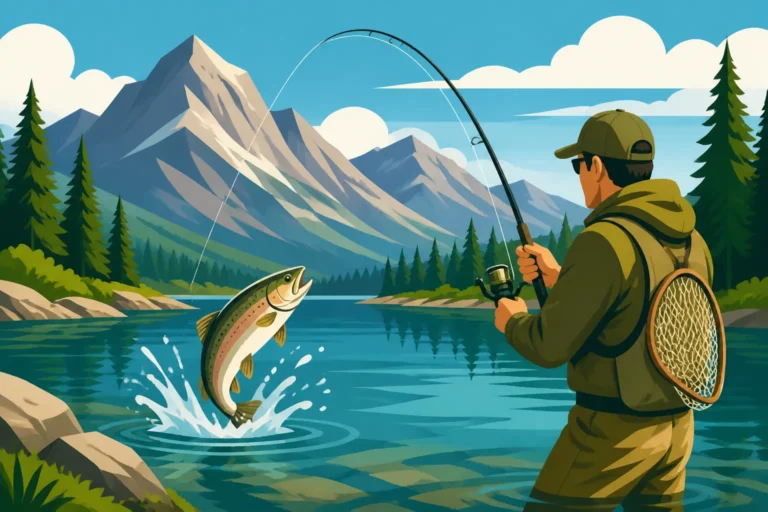
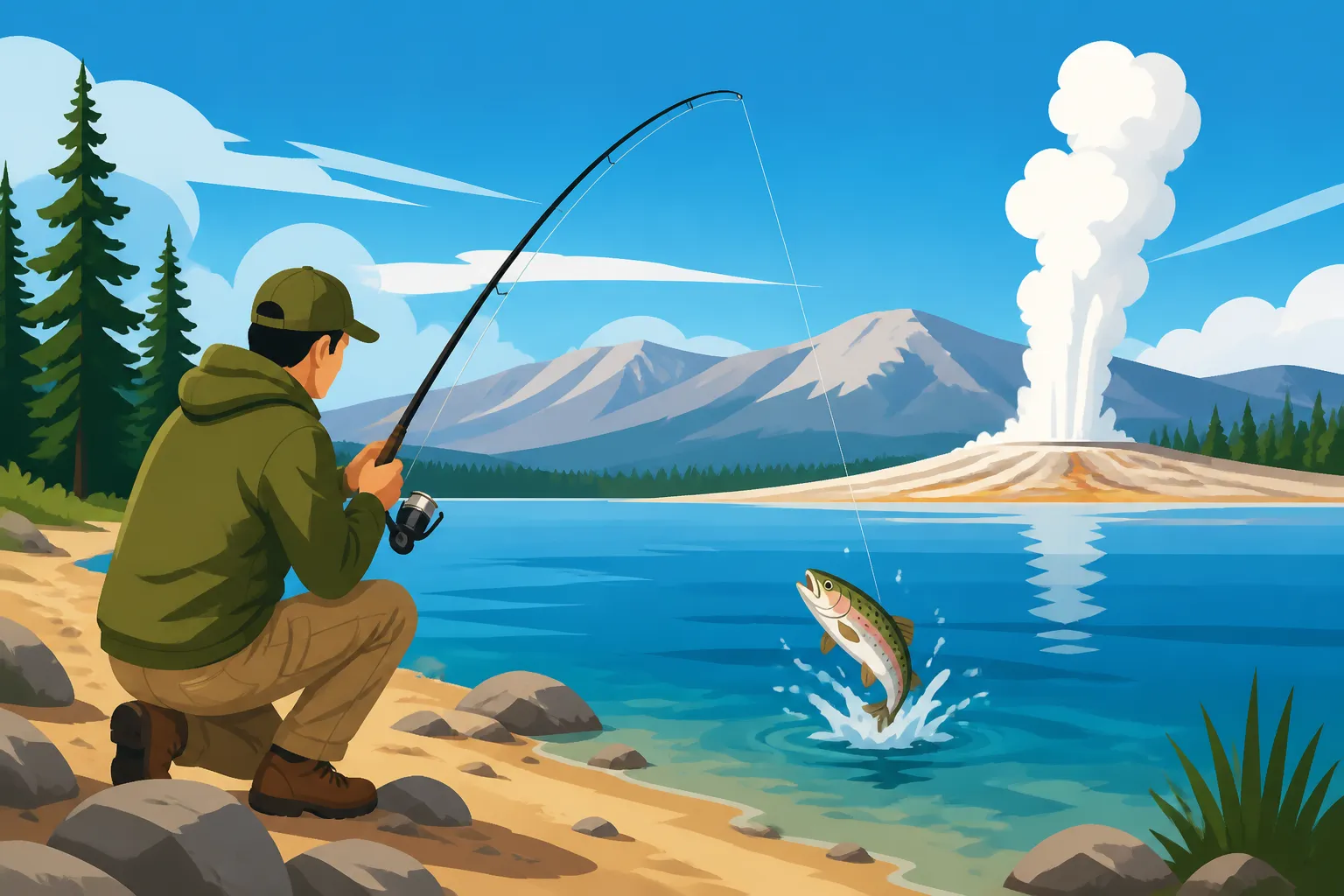
Many anglers dream of fishing Yellowstone Lake, picturing themselves casting into its pristine, vast waters. However, the reality of fishing such a massive, unique body of water, especially from shore, often brings a dose of confusion and a question: "Is Yellowstone Lake actually good for shore fishing?" This guide will deep-dive into that very question, helping you understand the nuances, challenges, and surprisingly rewarding opportunities that await those willing to explore the lake's extensive shoreline.
The Shore Fishing Reality on Yellowstone Lake
Yellowstone Lake isn't just any large lake; it's a high-altitude, geothermally active inland sea within a national park, presenting a distinct set of circumstances for shore anglers. While it might not offer the same easy access or prolific shore-based action as some smaller, more accessible fisheries, it certainly has its moments. The key is to understand its unique characteristics and adapt your approach.
Understanding Yellowstone Lake's Unique Challenges
First off, let's acknowledge the sheer scale of Yellowstone Lake. With a surface area of 136 square miles and a maximum depth exceeding 400 feet, it's the largest high-elevation lake in North America. This vastness means that fish aren't always concentrated near shore, especially the native Yellowstone Cutthroat Trout, which tend to roam widely.
Then there are the thermal features. While fascinating to behold, these can create unpredictable water temperatures and conditions along the shoreline. Some areas might have warm pockets from geysers and hot springs, while others remain icy cold. This variability affects fish behavior and where they might congregate. The lake's clear, cold waters also mean that fish can be spooky, especially in shallower areas, and often hold deeper offshore. This is further complicated by the presence of invasive Lake Trout, which prefer deeper, colder water and have had a detrimental impact on the native cutthroat population. The park actively works on Wyoming's Lake Trout Removal Efforts in Yellowstone Lake to protect the native species.
Why Shore Fishing Can Be Tricky But Not Impossible
The "tricky" part of Yellowstone Lake shore fishing often boils down to access and fish location. Much of the shoreline is undeveloped, requiring long hikes through bear country to reach prime spots. Where there is road access, you might find more crowds, particularly in popular areas like Bridge Bay or West Thumb. Heavy boat traffic in these developed areas can also disturb fish, pushing them further from shore.
However, calling it "not impossible" is a massive understatement for those willing to put in the effort. The lake is teeming with fish, primarily Yellowstone Cutthroat Trout, and even some non-native Lake Trout. Early mornings and late evenings, especially during the spring and fall, can offer incredible opportunities. Focusing on areas with structure – submerged logs, rocky points, or stream inlets – can significantly increase your chances. The lake's incredible beauty also means that even if the fishing is slow, the experience of being there is truly unparalleled. It’s an experience that really makes you appreciate Yellowstone Lake Fishing Guide.
Best Spots for Shore Fishing on Yellowstone Lake
While the entire shoreline of Yellowstone Lake offers potential, some areas are undeniably better than others, largely due to a combination of accessibility, fish habitat, and specific regulations. Knowing where to start can save you a lot of time and effort.
Developed Access Points and Campgrounds
For most anglers, the easiest entry points are the developed areas around the lake. These spots offer parking, facilities, and generally more accessible shoreline.
- West Thumb: This iconic area is famous for its geothermal features that extend into the lake, creating fascinating fishing conditions. There are several spots along the boardwalks and adjacent shoreline where you can cast. The underwater thermal activity here can attract baitfish, which in turn attract cutthroat. It’s also a fantastic spot for sightseeing, but be mindful of tourists. The fishing pressure can be higher here, but the unique environment makes it worth exploring.
- Bridge Bay: Home to a marina and a large campground, Bridge Bay offers extensive shoreline access. The bay itself is relatively shallow, especially compared to the rest of the lake, making it more amenable to shore casting. Look for drop-offs near the marina or where the bay narrows. This area can be particularly good during spring and fall when fish are more active in shallower water. You might even consider a boat rental from the marina if shore fishing proves challenging, to get out to where Best Time of Day to Fish Yellowstone Lake is truly prime.
- Grant Village: Similar to Bridge Bay, Grant Village provides numerous access points, including parts of its campground shoreline. The deeper waters here mean that you might need to cast further or focus on periods when fish move closer to shore for feeding, like early morning. Check maps for areas where small creeks or rivers flow into the lake, as these can be natural aggregation points for trout.
- Lake Village: While much of Lake Village is developed with lodges and cabins, there are public access points and shoreline near the historic Lake Hotel. The area offers panoramic views and potential for fishing, especially around the mouth of the Yellowstone River, though specific regulations apply to river mouths.
Backcountry Opportunities
For the adventurous angler seeking solitude and potentially less pressured fish, the backcountry surrounding Yellowstone Lake offers immense, albeit demanding, opportunities.
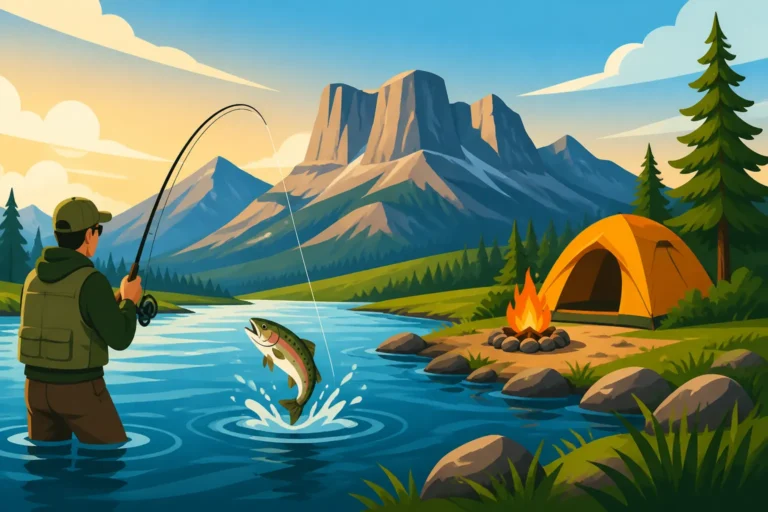
- Hiking Trails along the North and East Shores: Miles of hiking trails extend along the north and east arms of the lake, away from the paved roads. Accessing these spots often means a multi-mile hike, potentially involving overnight camping (with a backcountry permit). These remote areas offer unspoiled wilderness and a chance to truly immerse yourself in the Yellowstone experience. Specific points of interest include areas near Stevenson Island or along the Southeast Arm. When fishing these areas, you're more likely to encounter undisturbed fish populations, and the solitude is its own reward. Just remember to carry bear spray and know how to use it, as you are in prime grizzly habitat.
- The Thorofare: This extremely remote region, accessible via a long hike or horseback trip, leads to the headwaters of the Yellowstone River and the very southern end of the lake. It's an expedition in itself, often taking multiple days, but offers some of the most pristine and rewarding fishing in the Lower 48. If you're planning such a trip, ensure you have all necessary permits and are well-prepared for true wilderness. For any multi-day trips, consulting with a knowledgeable outfitter can be incredibly beneficial.
Specific Target Areas for Shore Anglers
Beyond general access points, certain features reliably concentrate fish and are worth seeking out when fishing from shore.
- Inlets and Estuaries: Wherever a river or stream flows into Yellowstone Lake, you'll find an ecosystem that attracts fish. These inlets bring in nutrients, cooler water during warmer months, and often provide structure and cover. Fish will stage in these areas, particularly during migratory periods or when insects are hatching. The mouth of the Yellowstone River, Pelican Creek, and Bridge Creek are prime examples, though always check specific regulations for these areas, as some might have closures or special rules.
- Points and Submerged Structure: Rocky points that jut out into the lake often create current breaks and deeper water access close to shore, making them ideal ambush points for predatory trout. Similarly, any visible submerged structure like old logs or rock piles can hold fish seeking cover or food. Casting parallel to these structures or letting your lure swing past them can be very effective.
| Shore Fishing Spot | Accessibility | Primary Target Fish | Key Features / Tips |
|---|---|---|---|
| West Thumb | Easy (paved roads) | Cutthroat Trout | Geothermal features, clear water, can be crowded. |
| Bridge Bay | Easy (paved roads, marina) | Cutthroat Trout | Relatively shallow bay, good for spring/fall. |
| Grant Village | Easy (paved roads) | Cutthroat Trout | Deeper access, focus on inlets and early mornings. |
| Lake Village | Easy (paved roads) | Cutthroat Trout | Near Yellowstone River mouth, check regulations. |
| North/East Shore Trails | Moderate (long hikes) | Cutthroat Trout | Solitude, less pressured fish, bear country. |
| The Thorofare | Very Difficult (expedition) | Cutthroat Trout | Ultimate wilderness experience, multi-day trip. |
Essential Gear and Techniques for Shore Fishing Yellowstone Lake
Effective shore fishing on Yellowstone Lake demands not just knowing where to go, but also what to bring and how to present your offerings. You're trying to reach fish that often prefer deeper water, so distance and presentation are key.
Rods, Reels, and Line Recommendations
When casting from shore on a large lake like Yellowstone, you'll want gear that can handle distance and potentially larger fish.
- Rod: A medium-heavy spinning rod, 7 to 9 feet in length, is ideal. The extra length aids in casting distance, which is crucial for reaching deeper water or fish further from the bank. It also helps with line control and keeping your line off submerged snags. For fly anglers, an 8-weight, 9-foot rod is a good all-around choice, capable of handling larger flies, sinking lines, and windy conditions.
- Reel: Pair your spinning rod with a reliable spinning reel in the 3000-4000 series size. This provides sufficient line capacity and a smooth drag system, essential when a large cutthroat decides to make a run. For fly fishing, a large arbor reel with a strong drag is important, especially for handling the runs of larger fish.
- Line: For spinning setups, 8-12 lb monofilament or fluorocarbon is a good general-purpose choice. If you prefer braided line, use 15-20 lb braid with a 6-10 lb fluorocarbon leader. The braid offers excellent casting distance and sensitivity, while the fluorocarbon leader provides invisibility and abrasion resistance. For fly fishing, a weight-forward floating line is versatile, but a sinking tip or full sinking line can be incredibly effective for reaching deeper fish, especially when working streamers or nymphs from shore.
Baits and Lures That Work from Shore
Yellowstone Cutthroat Trout are the primary target, and they respond well to a variety of presentations. Lake Trout are also present, and while often found deeper, can occasionally be caught from shore with specific tactics.
- Spinning Lures:
- Spoons: Classic metal spoons like Kastmasters, Daredevls, or Little Cleos in silver, gold, or flashy colors are excellent for casting long distances and imitating baitfish. Sizes ranging from 1/4 to 3/4 oz are suitable.
- Spinners: In-line spinners such as Mepps or Panther Martins with a dressed treble hook can be very effective, especially in moving water near inlets. Choose sizes #2 to #4.
- Jigs: Soft plastic paddle tail or curly tail jigs, rigged on a 1/4 to 1/2 oz jig head, can be bounced along the bottom or retrieved with a steady swim to imitate baitfish. White, chartreuse, or natural baitfish colors work well.
- Crankbaits/Stickbaits: Small to medium-sized crankbaits or suspending jerkbaits that imitate baitfish can be very productive, especially those designed to dive to 5-10 feet. Consider brands like Rapala or Berkley.
- Fly Fishing Flies:
- Streamers: Woolly Buggers (black, olive, brown), Sculpzillas, and Clouser Minnows are fantastic for imitating baitfish and crayfish. Strip these with varying retrieves to entice aggressive strikes.
- Nymphs: Larger stonefly nymphs (Pat's Rubber Legs, Copper Johns) and prince nymphs can be fished under an indicator or stripped slowly, especially near drop-offs or river mouths.
- Dry Flies: While less common for long casts from shore on a large lake, if you observe a hatch or fish rising, classic dry flies like Parachute Adams, caddis patterns, or attractor patterns can be effective in calmer bays or near inlets. Knowing Matching the Hatch on Wyoming Rivers can guide your selection.
Best Practices for Success
Successful shore fishing on Yellowstone Lake goes beyond just gear; it involves strategy, observation, and safety.
- Time of Day: Early morning (dawn) and late evening (dusk) are almost always the most productive times. Fish are more active, often moving into shallower water to feed under the cover of low light, and there's less boat traffic and fewer tourists.
- Reading the Water: Look for structure – points, submerged rocks, fallen trees, and weed lines (though weeds are less common in the deep, clear lake). Pay attention to changes in water color or depth, which can indicate drop-offs. Observe the surface for rises or baitfish activity. Inlets are always a good bet.
- Vary Your Retrieve: Don't just cast and reel in at a constant speed. Experiment with fast retrieves, slow retrieves, pauses, twitches, and jerks. Try different depths. Sometimes a slow, methodical retrieve is key, other times an aggressive, erratic retrieve can trigger a strike.
- Safety First: Yellowstone National Park is wild country. Always carry bear spray and know how to use it. Be aware of your surroundings – wildlife, thermal features, and rapidly changing weather are all real considerations. Dress in layers, as temperatures can fluctuate wildly. For specific rules regarding thermal areas, refer to official park guidelines.
- Minimizing Your Impact: Practice Leave No Trace principles. Pack out everything you pack in, including all fishing line and waste. Handle fish with care, especially the native cutthroat trout. If you're planning to Catch-and-Release Rules on Wyoming Waters, minimize their time out of water. Dispose of any Lake Trout caught as per park regulations (they are an invasive species and typically must be killed).
Regulations and Considerations for Shore Anglers
Fishing in Yellowstone National Park comes with specific rules and regulations that differ from those of the state of Wyoming. It's crucial to understand these distinctions before you even wet a line.
Yellowstone National Park Fishing Regulations
The rules within the park are designed to protect its unique aquatic ecosystems, particularly the native Yellowstone Cutthroat Trout, which face threats from non-native species like Lake Trout.
- Fishing Permit: You must purchase a Yellowstone National Park fishing permit. A Wyoming fishing license is not valid within the park boundaries. These permits can be purchased at visitor centers, general stores, and various concessionaire locations throughout the park. They are available for 3-day, 7-day, or annual periods.
- Native Species Protection: Catch-and-release is required for native Yellowstone Cutthroat Trout in many areas, and specific tackle restrictions (like barbless hooks) are often in place. Always consult the most current Yellowstone National Park fishing regulations guide, available online or at park visitor centers, as rules can change annually.
- Lake Trout Management: Due to their predatory impact on native cutthroat, Lake Trout management is a high priority. Anglers are often encouraged, and sometimes required, to keep all legally caught Lake Trout and report their catches. Releasing Lake Trout in Yellowstone Lake is prohibited. Familiarize yourself with how to identify Lake Trout from Cutthroat to comply with these rules.
- Bait Restrictions: The use of live bait, especially live fish, is strictly prohibited to prevent the introduction of invasive species. Artificial lures and flies are generally permitted.
- Seasonal Closures: Certain waters or sections of the lake and its tributaries may have seasonal closures to protect spawning fish or for other wildlife management reasons. For example, some stream mouths might be closed to protect spawning cutthroat. Always check for Wyoming Fishing Seasons and Water-Specific Closures, and specifically for Yellowstone.
Safety First
Beyond fishing regulations, safety in Yellowstone National Park is paramount. The natural environment is powerful and demands respect.
- Wildlife Encounters: Yellowstone is prime habitat for grizzly bears, black bears, wolves, and bison. When fishing, especially in backcountry areas, make noise to avoid surprising animals, carry bear spray, and know how to use it. Store food and scented items properly to avoid attracting wildlife. Never approach wildlife, and always maintain a safe distance.
- Thermal Hazards: The park's geothermal areas are beautiful but can be deadly. Stay on marked trails and boardwalks. Boiling mud pots, scalding hot springs, and unstable ground are prevalent. Never fish in or near active thermal areas in the lake or on its shore unless specifically designated as safe and legal. These waters can be extremely hot and acidic.
- Weather Changes: Mountain weather can change rapidly and dramatically. Sunny mornings can quickly turn into afternoon thunderstorms, hail, or even snow, even in summer. Pack rain gear, extra layers, and be prepared to seek shelter if conditions worsen. Hypothermia is a real risk, even in summer.
- Navigation: While fishing from accessible shorelines, it's easy to get disoriented in the vastness of the lake. Carry a map, compass, or GPS device, especially if you venture away from developed areas. Tell someone your plans and expected return time.
Minimizing Your Impact
As stewards of this incredible place, anglers have a responsibility to leave Yellowstone Lake as pristine as they found it.
- Leave No Trace: This means packing out all trash, human waste, and even organic waste like apple cores. Avoid building new fire rings or disturbing vegetation. Stay on established trails.
- Respect Wildlife: Observe wildlife from a distance. Do not feed animals. Be aware of nesting birds or spawning fish and avoid disturbing them.
- Invasive Species Prevention: Clean, drain, and dry all fishing gear, waders, and boats (if applicable) before entering and after leaving any body of water to prevent the spread of aquatic invasive species. This practice is crucial for protecting the fragile ecosystems of Yellowstone. This is also Why Wyoming Requires Boat Inspections for Invasive Species.
- Ethical Angling: Practice responsible catch-and-release techniques for native species. Use barbless hooks to minimize harm. Avoid over-handling fish.
Fishing Yellowstone Lake from shore might not be the easiest fishing experience you'll ever have, but it is certainly one of the most memorable. With the right preparation, respect for the environment, and a little perseverance, you can absolutely enjoy the challenge and beauty of casting a line into America's most iconic lake.
Disclaimer
Please remember that fishing regulations and conditions can change. Always consult the official Wyoming Game and Fish Department and Yellowstone National Park websites or local ranger stations for the most current and accurate information before planning your fishing trip. Safety should always be your top priority.