Wyoming’s Jackson Lake Fishing Guide
There's nothing quite like the allure of fishing in Wyoming, but trying to navigate the sheer size and diverse waters of a place like Jackson Lake can feel incredibly overwhelming. Many anglers arrive eager to cast a line, only to be daunted by its vastness, the unknown depths, and the mystery of what lies beneath its pristine surface, often leaving them unsure where to even begin. This comprehensive guide will strip away that uncertainty, providing you with everything you need to know to successfully plan and execute a memorable fishing adventure on Jackson Lake, from understanding its unique ecosystem to mastering the techniques that bring in the big ones.
A Deep Dive into Jackson Lake's Unique Character
Jackson Lake isn't just a body of water; it's an experience. Nestled in the heart of Grand Teton National Park, its stunning beauty often overshadows its incredible potential as a fishery. But to truly fish it effectively, you first need to understand the forces that shaped it and continue to define its aquatic environment.
Geological Formation and Grand Teton Backdrop
Imagine a colossal landscape carved by ancient glaciers, and you're starting to picture Jackson Lake's origins. This natural lake was significantly enlarged by the construction of Jackson Lake Dam in the early 20th century, primarily to store water for irrigation in Idaho. This means it has a complex identity, part natural wonder, part man-made marvel. The dam's presence allows for controlled water levels, which can impact fish behavior and access points, an important consideration for any angler. The towering Teton Range provides an undeniable, breathtaking backdrop, but it's more than just scenery. These majestic peaks influence weather patterns, water temperatures from snowmelt, and the very composition of the lakebed, creating a unique, cold-water environment. If you're looking for more details on the fishing opportunities in the surrounding area, check out this guide on Fishing Spots Inside Grand Teton National Park, Wyoming.
The lake itself is quite deep in many areas, particularly near the dam, reaching depths of over 400 feet. This deep, cold water is crucial for the large, predatory fish that thrive here. The glacial origins are evident in the steep drop-offs and varied bottom structure, from rocky ledges to sandy flats. This diverse topography means that fish can be found at various depths and in different habitats depending on the season and time of day. Knowing these geological nuances helps you anticipate where fish might be holding and what techniques might be most effective.
Hydrology and Water Dynamics
Jackson Lake's hydrology is primarily driven by the Snake River, which flows into and out of the lake, making it a critical part of the greater Snake River watershed. The water is incredibly clear, often offering visibility down to 20 or 30 feet, which can be both a blessing and a curse for anglers. Clear water means you can often spot fish, but it also means the fish can spot you and your offerings much more easily, requiring finesse and stealth.
The dam operation also plays a significant role in the lake's dynamics. Water releases can affect current, water levels, and even temperatures downstream, influencing where fish concentrate. During peak irrigation season, water levels might fluctuate, impacting boat ramp accessibility and shoreline fishing. Understanding these cycles, often communicated by the Wyoming Game and Fish Department, is key to planning your trip. The constant influx of cold, oxygen-rich water from mountain streams helps maintain the lake's pristine, cold-water environment, ideal for trout species.
Key Habitats and Ecosystem
Jackson Lake boasts a variety of critical habitats that support its diverse fish populations. Along the shoreline, you'll find rocky points, submerged timber, and sandy beaches. These areas often attract baitfish and, consequently, hungry predators. The numerous islands, such as Elk Island and Moran Bay's smaller islands, provide structure and cover, acting as magnets for various species.
The deeper basins, particularly in the southern end near the dam, are prime real estate for the lake's larger, deeper-dwelling fish. These areas often feature significant underwater structure, like ledges and humps, that provide ambush points and thermal refuge. Inlets from smaller streams and rivers also create unique fishing opportunities, especially during spawning runs or when cooler water flows in during warmer months. The entire ecosystem is a delicate balance, with a rich invertebrate base providing forage for smaller fish, which in turn become prey for the lake's formidable game fish.
The Magnificent Fish Species of Jackson Lake
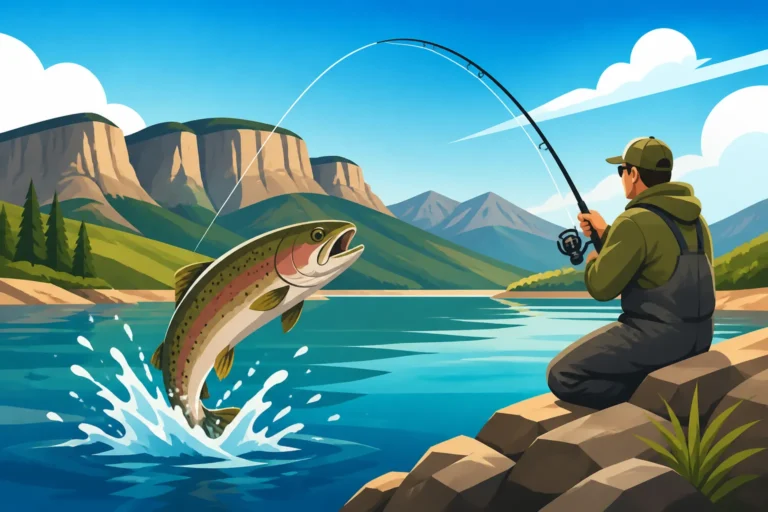
Jackson Lake is celebrated for its incredible fishing opportunities, primarily due to a few star species that truly thrive in its cold, deep waters. While it might not boast the sheer diversity of some other Wyoming waters, the size and quality of its main game fish are second to none. If you're wondering What Fish Live in Jackson Lake, you've come to the right place.
Lake Trout Mackinaw: The Apex Predator
Without a doubt, the Lake Trout, often called Mackinaw, is the reigning monarch of Jackson Lake. These formidable fish can grow to immense sizes, with individuals weighing 20, 30, or even over 40 pounds being caught here. They are true apex predators, cruising the deep, cold waters in search of smaller fish, particularly the abundant kokanee salmon and smaller cutthroat. Anglers specifically target these giants, and the challenge of hooking and landing a trophy Mackinaw is a major draw to the lake. The pursuit of these colossal fish requires specialized techniques and equipment, which we'll delve into later. For a broader perspective on these magnificent fish, you might want to read our guide on Lake Trout (Mackinaw) Fishing in Wyoming.
Lake Trout are most active in the colder months, but they can be caught year-round. During the summer, they retreat to the cooler, deeper parts of the lake, often holding near underwater structure or deep points. In spring and fall, they might move shallower, particularly during their spawning periods, offering different angling opportunities. Their sheer power and size make them an incredible adversary, and landing one is a true test of an angler's skill and patience. The deep, clear waters of Jackson Lake provide the perfect habitat for these long-lived, slow-growing giants, making it a premier destination for trophy hunters.
Cutthroat Trout: Native Charm and Hybrid Challenges
Jackson Lake is also home to cutthroat trout, specifically the Snake River Fine-Spotted Cutthroat, which is a native subspecies. These beautiful fish, identifiable by their distinctive red or orange "cutthroat" markings under their jaw, offer a different kind of angling experience. They tend to be found in shallower waters, especially near inlets and along the shorelines, and are more responsive to traditional fly fishing and light tackle. However, the presence of non-native rainbow trout and the hybridization that occurs when the two species interbreed poses an ongoing challenge to the genetic purity of the native cutthroat population. The Wyoming Game and Fish Department (WGFD) actively works to manage these populations to protect the native strains. For more on these iconic fish, explore our in-depth article on Cutthroat Trout Fishing in Wyoming.
While not reaching the same monstrous sizes as the lake trout, cutthroat in Jackson Lake can still be impressive, often exceeding 18-20 inches. They provide exciting action, especially for those who prefer sight fishing or fly casting to rising fish. Targeting cutthroat requires a different approach, often focusing on their diet of insects and smaller baitfish closer to the surface. Anglers must also be aware of specific regulations regarding cutthroat, which often include catch-and-release rules or slot limits to protect spawning populations and support conservation efforts.
Other Notable Species: Brook Trout and Kokanee
Beyond the headline acts, Jackson Lake also hosts other interesting fish species. Brook Trout, another char species, are often found in the colder, smaller tributaries flowing into Jackson Lake, and occasionally in the lake itself, particularly near these inlets. While generally smaller than lake trout or cutthroat, they are vibrant and aggressive, offering a fun challenge on lighter gear. They are characterized by their distinctive worm-like markings (vermiculations) on their backs and colorful spots.
Kokanee Salmon, a landlocked sockeye salmon, are also present and form a crucial forage base for the giant lake trout. While not typically targeted by many anglers in Jackson Lake as a primary species, they are a blast to catch when you find them, often providing fast-paced action. Their runs in the fall can be spectacular, as they turn brilliant red before spawning. They are typically caught by trolling small flashy lures or flies in open water. Understanding the presence and behavior of these supporting species can enhance your overall fishing strategy on Jackson Lake, sometimes even inadvertently leading to a mixed bag of exciting catches.
Navigating Jackson Lake's Fishing Regulations and Seasons
Fishing in Jackson Lake, like any part of Grand Teton National Park, comes with a specific set of rules and seasons that are crucial to understand before you even cast a line. Ignoring them can lead to hefty fines or worse, so let's break down what you need to know.
Understanding General Wyoming Fishing Regulations
First and foremost, you need a valid Wyoming fishing license. It might seem obvious, but it's the first step for anyone over the age of 14, whether resident or nonresident. These licenses can be purchased online through the Wyoming Game and Fish Department website, at authorized vendors like sporting goods stores, or even some convenience stores in nearby towns. Always make sure to carry your license with you, either a physical copy or an electronic version on your phone, as wardens frequently patrol the area. You can find a comprehensive overview of the general rules in our Wyoming Fishing Regulations Every Angler Should Know guide.
Beyond the license, it’s vital to be familiar with statewide regulations regarding legal fishing methods, bait restrictions, and general possession limits. While Jackson Lake has specific rules, they operate within the broader framework of Wyoming's fishing laws. For instance, using live baitfish is generally prohibited in Wyoming waters to prevent the spread of disease and invasive species, and Jackson Lake is no exception. Always double-check the current year's regulations booklet, often available online or wherever licenses are sold, as rules can change from year to year.
Specific Jackson Lake Rules and Limits
Jackson Lake, being within Grand Teton National Park, has some very specific regulations that are paramount to follow. The most notable rule involves Lake Trout. The park and WGFD actively encourage the harvest of Lake Trout in Jackson Lake, primarily due to their impact on the native cutthroat populations. This often means there are generous or even unlimited possession limits for Lake Trout, and there might be specific guidelines about keeping all legally caught Lake Trout rather than releasing them. This is a critical conservation measure aimed at protecting the native Yellowstone Cutthroat Trout. Our guide on How Bag and Possession Limits Work in Wyoming can help clarify the terminology.
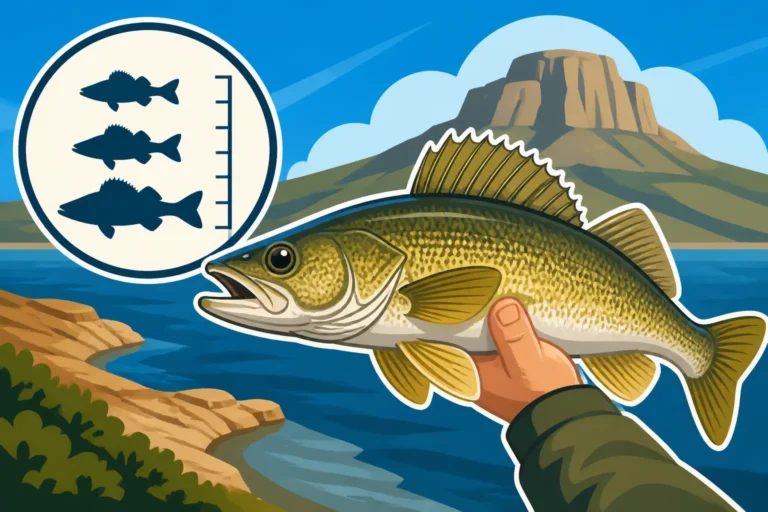
For Cutthroat Trout, regulations are typically much stricter. Often, there will be length restrictions (slot limits) or a reduced daily creel limit to protect and promote the native population. Catch-and-release is strongly encouraged or even mandated for certain sizes or in certain areas. It is absolutely essential to consult the current Grand Teton National Park fishing regulations pamphlet, as these can differ from general state regulations and are updated annually. Pay close attention to any water-specific closures, especially near spawning grounds or stream inlets.
Seasonal Considerations and Best Times to Fish
Jackson Lake is open for fishing year-round, offering distinct experiences in each season. However, different times of the year are more productive for specific species and techniques. Spring, from late April to June, sees the lake thawing out and fish becoming more active in shallower waters. This is a great time for targeting cutthroat near inlets and for lake trout beginning to move up from the deep.
Summer, July and August, is prime time for visitors, but the warmer surface temperatures push lake trout deeper. This means trolling deep is the go-to method for Mackinaw, while cutthroat can still be found in cooler areas and in the morning/evening. Fall, from September through October, is often considered the best time for trophy lake trout, as they become very active before their spawning period. It's also a fantastic time for cutthroat, with fewer crowds and aggressive feeding as winter approaches. This is also when Jackson Lake Now Stays Open Through October, a recent change that has extended the fall fishing window. Ice fishing is also popular in winter once the lake freezes over, providing unique access to deepwater species.
Effective Fishing Techniques for Jackson Lake's Diverse Waters
Jackson Lake offers a smorgasbord of fishing opportunities, but to really succeed, you need to adapt your techniques to the target species and the unique characteristics of this vast body of water.
Trolling for Deepwater Lake Trout
Trolling is undeniably the most effective and popular method for targeting the large Lake Trout in Jackson Lake. Given that these fish often inhabit depths from 50 to over 200 feet, getting your lure down to them is key. This usually involves using heavy weights, downriggers, or lead core line. Downriggers allow you to precisely control the depth of your lure, which is crucial when fish are holding at a specific thermal layer or structure. Many anglers will set up multiple lines at different depths to cover the water column effectively. For more detailed insights into this technique, consult our guide on Trolling Techniques for Wyoming Reservoirs.
Typical lures for trolling include large spoons (like the Wiliams Wabler or Doctor Spoon), large plugs (Rapala Deep Divers, Kwikfish), or tube jigs tipped with sucker meat or herring. The retrieve speed is usually slow to moderate, mimicking the natural movement of a wounded baitfish. Focus your trolling efforts over known deep structure, drop-offs, or along the old river channel that runs through the lake. Fish finders are invaluable tools for locating schools of baitfish, deep structure, and even individual lake trout. Trolling at first light or dusk can often yield the best results, as lake trout may move slightly shallower during these periods.
Shore Fishing and Wade Fishing Strategies
While Jackson Lake is famed for its boat fishing, shore fishing and wade fishing can still be incredibly productive, especially for cutthroat trout, and occasionally for smaller lake trout near accessible areas. Public access points like Colter Bay, Leeks Marina, and areas around the dam or in Signal Mountain Lodge area offer good opportunities. Look for areas with structure, such as submerged logs, rocky points, or the mouths of feeder creeks.
For shore fishing, standard spinning gear with medium action rods is usually sufficient. Lures like Kastmasters, Pixie spoons, or small spinnerbaits (Mepps, Panther Martin) can work wonders, especially in silver or gold finishes that mimic baitfish. If bait fishing is allowed (always check current regulations!), PowerBait, worms, or even dead minnows (again, confirm legality) can be effective, particularly for rainbow and cutthroat trout. Wade fishing is best pursued in the spring and fall when water levels are lower and trout are more active in shallower areas. Stealth is vital; approach the water slowly and keep a low profile to avoid spooking fish in the clear water. Casting parallel to the shore or into current seams can be productive.
Fly Fishing Opportunities in Inlets and Outlets
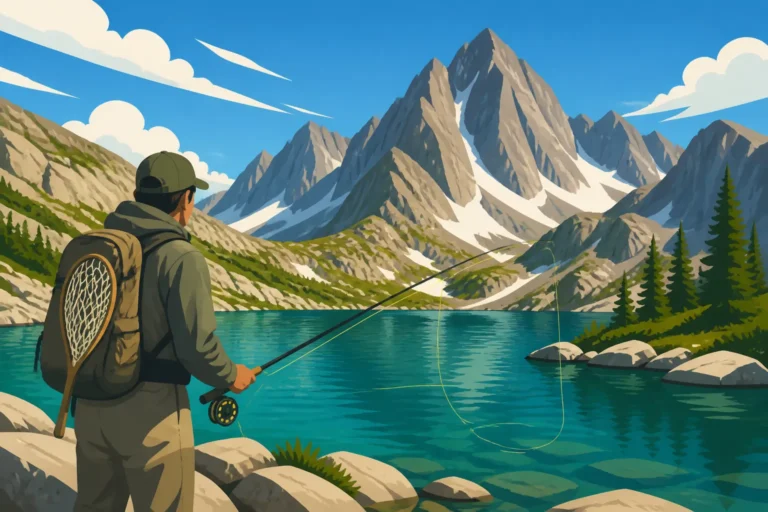
Jackson Lake's primary draw for fly anglers isn't necessarily the open lake itself, but rather the numerous inlets, particularly the Snake River as it enters the lake, and the Snake River below the dam. These areas provide classic moving-water fly fishing opportunities for cutthroat trout, and sometimes even a stray brown trout or brook trout. Nymphing with imitations of stoneflies, caddis larvae, or mayfly nymphs can be highly effective in the deeper runs and pockets. Popular patterns include Prince Nymphs, Hare's Ears, and Pheasant Tails.
During periods of active insect hatches, dry fly fishing can be spectacular, especially in the calmer sections of the inlets or along the lake's edges where insects gather. Large terrestrials like grasshoppers and hoppers can also tempt hungry cutthroat in late summer. Streamer fishing with patterns like Woolly Buggers, Sculpzillas, or small baitfish imitations can also entice aggressive cutthroat and even smaller lake trout that venture into shallower water. A 5 or 6-weight fly rod is generally versatile enough for these conditions, paired with a floating or sink-tip line depending on the chosen technique. Remember to respect private land boundaries and any special regulations for these specific river stretches.
Essential Gear and Equipment for a Successful Trip
Preparing for a fishing trip on Jackson Lake means thinking big. The fish are big, the lake is big, and the conditions can be variable. Having the right gear isn't just about catching fish; it's about comfort, safety, and making the most of your adventure.
Rods, Reels, and Line for Lake Trout and Cutthroat
For targeting the behemoth Lake Trout, you'll want heavy-duty gear. A medium-heavy to heavy action trolling rod, typically 7 to 9 feet in length, is ideal. Pair this with a robust baitcasting or level-wind reel capable of holding a significant amount of line – often 200-300 yards of 20-30 pound monofilament or braided line. When using downriggers, a shorter, stiffer rod helps absorb the shock of the release and fight the fish. Braid is often preferred for its sensitivity and low stretch, but a fluorocarbon leader is a must for its invisibility in clear water.
For Cutthroat Trout, lighter gear is more appropriate. A medium-light to medium action spinning rod, around 6 to 7 feet, with a matching spinning reel spooled with 6-10 pound monofilament or braided line, will offer plenty of sport. Fly anglers targeting cutthroat will typically opt for a 5-weight or 6-weight fly rod, paired with a floating fly line for dry flies and nymphs, or a sink-tip line for streamers. A reliable reel with a smooth drag is essential for both species, as even a feisty cutthroat can put up a good fight.
Lures, Baits, and Flies That Produce Results
When it comes to lures for Lake Trout, think big and flashy. Large spoons (5-7 inches) in silver, gold, or combination patterns like silver/blue or silver/green are classics. Plugs and stickbaits, particularly those designed to dive deep, are also very effective. Think Rapala, Kwikfish, or Flatfish in natural baitfish colors or bright fluorescent options. Tipping these lures with a strip of sucker meat or herring can significantly increase their appeal to Lake Trout. Tube jigs, from 3 to 6 inches, in white, chartreuse, or black, are excellent for vertical jigging when you've located fish on your sonar.
For Cutthroat Trout, a smaller, more varied selection is needed. Spin anglers should carry an assortment of smaller spoons (Kastmaster, Little Cleo), spinners (Mepps, Panther Martin), and small jerkbaits or grubs in natural colors. Fly anglers will need a full fly box. This should include a range of nymphs like Prince Nymphs, Copper Johns, and Pheasant Tails in sizes 12-18, along with dry flies such as Elk Hair Caddis, Parachute Adams, and various hopper patterns (Chubby Chernobyl, Stimulator) in sizes 10-16. Streamers like Woolly Buggers, Sculpzillas, and Clouser Minnows in olive, black, or white are also essential.
Boating and Safety Gear
Given the size and potential for unpredictable weather on Jackson Lake, a boat is almost a necessity for serious lake trout fishing. A sturdy powerboat or a large enough fishing boat equipped with a reliable motor is recommended. Kayaks and canoes are great for exploring shallower bays and inlets, but they require extreme caution in open water, especially if winds pick up. Always ensure your boat is registered and meets all state and national park requirements.
Safety gear is non-negotiable. This includes personal flotation devices (PFDs) for everyone on board, a sound-producing device (horn or whistle), navigation lights if operating before sunrise or after sunset, a fire extinguisher, and a first-aid kit. A marine radio or cell phone with a waterproof case is also advisable, though cell service can be spotty in parts of the park. A high-quality fish finder/GPS unit is also an invaluable piece of equipment, helping you locate fish and navigate the vast lake safely, especially in foggy or low-light conditions.
Accessing Jackson Lake: Ramps, Shorelines, and Guides
Getting onto Jackson Lake is usually straightforward, but understanding your options, from launching your own boat to hiring a professional, is key to a smooth and enjoyable trip. The sheer size of the lake means knowing your access points can save you a lot of time and frustration.
Public Boat Ramps and Marinas
Jackson Lake offers several public boat ramps and marinas, making it relatively accessible for boaters. The two main full-service marinas are Colter Bay Marina and Signal Mountain Marina. Both offer boat rentals, fuel, supplies, and designated launch ramps. Colter Bay, located on the northeastern side of the lake, is typically very busy during peak season and offers great access to the northern reaches of the lake and its numerous islands. Signal Mountain Marina, further south, provides excellent access to the deeper, central, and southern parts of the lake, often favored by those targeting larger lake trout.
In addition to these, there's also a smaller ramp at Leeks Marina on the western shore, which is convenient for those staying in that area. Always check the current operating status and any potential fees for using these ramps, especially within a National Park setting. During periods of low water, some ramps might be closed or have restricted access, so it's wise to check the Grand Teton National Park website or call ahead for the most up-to-date information. Remember that all boats entering Grand Teton National Park waters require an Aquatic Invasive Species (AIS) inspection and permit, which can usually be obtained at the park entrances or designated inspection stations.
Shoreline Access and Hike-in Spots
For anglers without a boat, or those preferring a more tranquil experience, Jackson Lake still offers plenty of shoreline access, particularly in certain areas. Colter Bay village and the areas around Signal Mountain Lodge offer easily accessible shoreline fishing spots, often targeting cutthroat trout. These are popular areas and can get crowded, especially during peak summer months. Look for rocky points, sandy beaches that drop off quickly, or areas near stream inlets.
For a more adventurous experience, there are numerous hike-in spots along the lake's extensive perimeter. While many areas are remote and require significant effort, they often yield more secluded fishing opportunities. Some popular backcountry trails offer access to the lake's quieter coves and less-pressured waters. Always check trail conditions, carry bear spray, and inform someone of your plans when venturing into the backcountry. The rewards can be stunning views and uncrowded fishing, but preparation is essential. Be aware that specific regulations may apply to fishing from docks or within certain designated swimming areas at marinas.
Hiring a Professional Guide
If you're looking to maximize your chances of success, especially when targeting trophy Lake Trout, or simply want to learn the ropes from an expert, hiring a professional fishing guide is an excellent option. Guides who operate on Jackson Lake are intimately familiar with its nuances, including seasonal patterns, productive depths, and the best techniques for each species. They provide all the necessary gear, often including specialized trolling setups for Mackinaw, and can greatly enhance your overall experience. You can find many reputable outfitters and guides specializing in Jackson Lake through online platforms like FishingBooker, or by checking with local fly shops and marinas in Jackson Hole or Moose. For a more general overview, consider reading our guide on Hiring a Fishing Guide in Wyoming.
When booking a guide, make sure they are properly licensed to operate within Grand Teton National Park, as this is a strict requirement. Discuss your target species and preferred fishing style beforehand so they can tailor the trip to your expectations. While guides provide invaluable expertise and equipment, remember that you are still responsible for purchasing your own Wyoming fishing license and any necessary park passes. Tipping your guide is also customary and much appreciated for a job well done. You can learn more about this by checking out Tipping Etiquette for Wyoming Fishing Guides.
Beyond the Catch: Conservation and Responsible Angling
Fishing on Jackson Lake is an incredible privilege, and with that comes the responsibility to protect its pristine environment and unique fish populations. Responsible angling practices are paramount to ensuring this world-class fishery remains vibrant for generations to come.
Protecting Jackson Lake's Ecosystem
Jackson Lake is a vital part of the Grand Teton National Park ecosystem, a truly special and protected area. This means adhering to "Leave No Trace" principles is essential. Pack out everything you pack in, including all trash, fishing line, and any discarded bait containers. Avoid disturbing wildlife, and maintain a respectful distance from nesting birds or animals along the shoreline. The lake's clear waters are a testament to its health, and preventing pollution from fuel spills, human waste, or chemicals is crucial.
Anglers also play a critical role in preventing the spread of aquatic invasive species (AIS). Always "Clean, Drain, Dry" your boat and gear before launching into Jackson Lake and before moving to any other body of water. This means thoroughly cleaning all mud, weeds, and debris from your boat, trailer, and fishing equipment, draining all water from your bilge, live wells, and engine, and allowing everything to completely dry before your next outing. Wyoming Game and Fish and National Park Service require mandatory inspections for all watercraft entering Grand Teton National Park, so be prepared for this important step to protect this fragile ecosystem.
Catch and Release Best Practices
While Jackson Lake's regulations encourage the harvest of Lake Trout, catch and release is often the rule for native Cutthroat Trout and other species, or for any fish you don't intend to keep. Practicing proper catch and release techniques is critical to minimizing stress and ensuring the survival of released fish. Use appropriate gear that allows you to land fish quickly, and avoid prolonged fights that exhaust them. Consider using single, barbless hooks to reduce injury, as these can be removed much more easily.
When handling fish, keep them in the water as much as possible. If you must remove a fish for a photo, do so quickly, support its entire body weight, and avoid touching its gills or eyes. Wet your hands before touching the fish to protect its slime coat, which is a vital defense against disease. For larger Lake Trout that are to be released, revive them by holding them gently in the water, facing into the current, until they swim away under their own power. Understanding these practices ensures that future anglers can also enjoy the thrill of catching these magnificent creatures.
Understanding Invasive Species Threats
Aquatic Invasive Species (AIS) pose one of the most significant threats to Jackson Lake and Wyoming's other precious fisheries. Organisms like Zebra Mussels, Quagga Mussels, and various aquatic plants can quickly spread, outcompeting native species, altering habitat, and even damaging infrastructure. The introduction of non-native fish species can also disrupt the delicate balance of the ecosystem, as seen with the impact of Lake Trout on native cutthroat in Yellowstone Lake.
The mandatory AIS inspections for all watercraft entering Wyoming waters, especially those within national parks, are a direct response to this severe threat. Cooperation from anglers is not just appreciated, it's essential. By being diligent with "Clean, Drain, Dry" protocols, reporting any suspected invasive species sightings, and understanding why specific regulations (like bait restrictions or harvest encouragement for certain species) are in place, you become a guardian of Jackson Lake's future. The health of this incredible fishery depends on every angler doing their part.
Disclaimer
Please note that fishing regulations and conditions can change rapidly. Always consult the most current Wyoming Game and Fish Department regulations and Grand Teton National Park specific fishing guidelines before planning your trip. This guide is for informational purposes only and does not constitute legal advice.