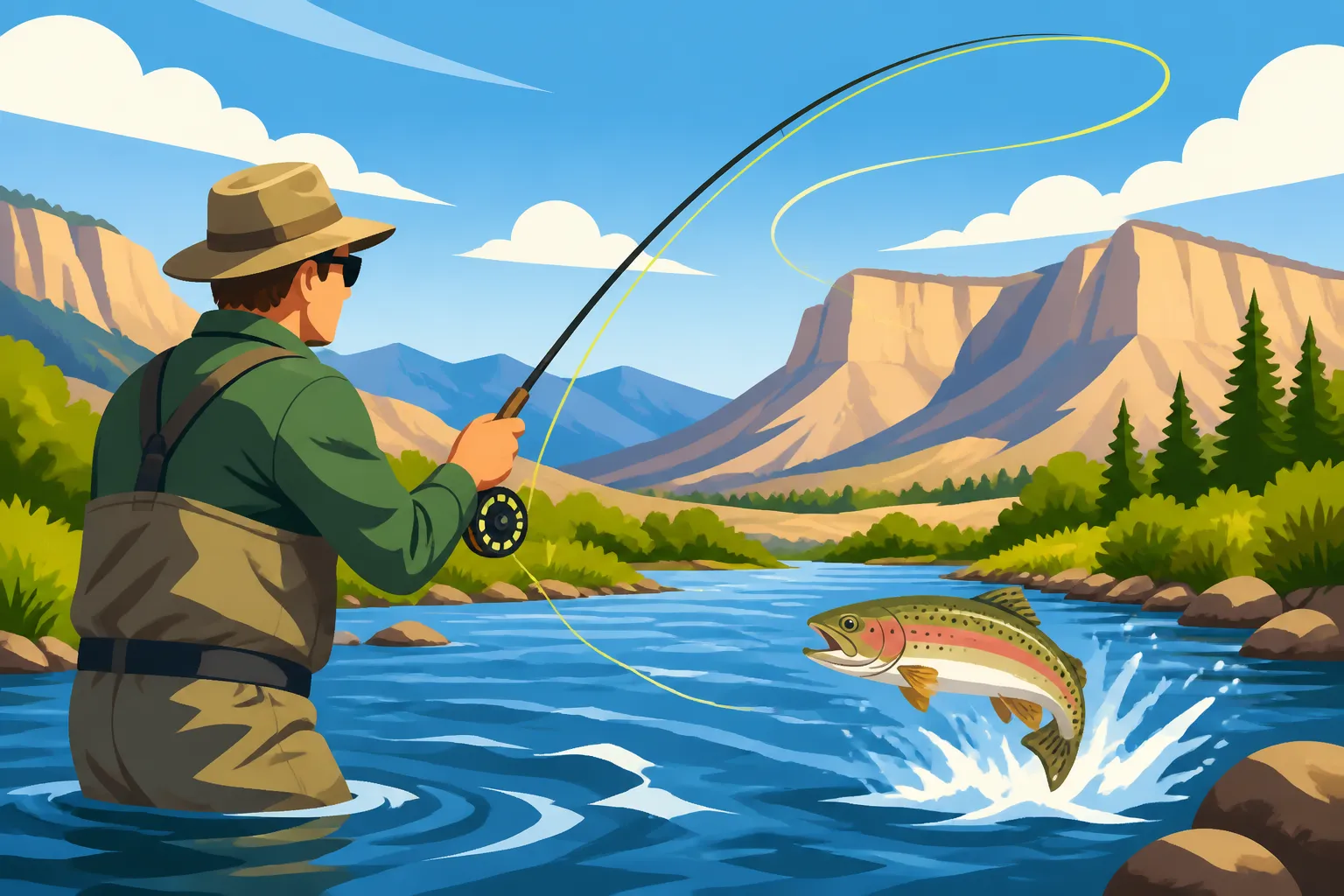
Fishing the Sweetwater River
Venturing out to fish new waters can sometimes feel overwhelming, especially when you're dreaming of a remote, wild Wyoming river that isn't splashed across every postcard or fishing magazine cover. The Sweetwater River is one of those places—a truly rugged, lesser-known gem that demands a bit of planning and self-reliance. This guide is here to cut through the mystery, offering a deep dive into what you can expect when you cast a line into the remarkable, often elusive, Sweetwater River.
Unraveling the Character of the Sweetwater River
The Sweetwater River isn't your typical well-trodden, easily accessible trout stream. It's a river that defines remote Wyoming, flowing through vast sagebrush country, rugged canyons, and often, over private lands. Its character is as diverse as the landscape it traverses, demanding a different kind of angling approach and a deeper appreciation for solitude.
A River of Contrasts and Seclusion
Originating high in the southern Wind River Range, the Sweetwater starts as a vibrant, cold mountain stream, carving its way through pristine wilderness. As it descends, it transforms, becoming a classic high plains river—meandering through ranch lands, then plunging into dramatic granite canyons, only to re-emerge into a broad, sweeping valley. This constant change means you'll encounter everything from fast-moving pocket water to slow, deep bends, and even stretches that can dry up during particularly arid years or disappear into its own sandy bed.
What truly sets the Sweetwater apart is its profound sense of seclusion. You won't find bustling guide shops or crowded access points here. Instead, you'll discover miles of untamed river that often require some serious driving down primitive roads, a good map, and a willingness to hike. This isn't just a physical challenge; it's a mental one, too. You'll be largely on your own, responsible for your own safety and navigation. For those who yearn for true wilderness fishing, far from the madding crowds, the Sweetwater delivers in spades. It’s an experience that really connects you to the raw, untamed spirit of Wyoming.
Target Species and Their Habits
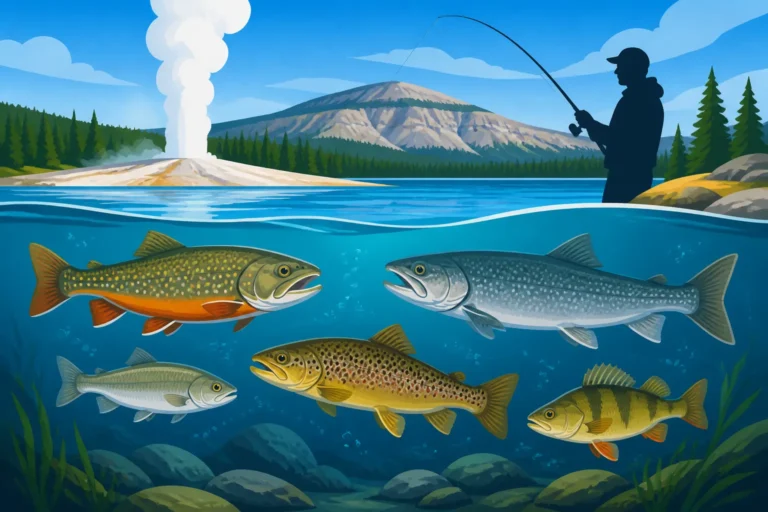
While not known for trophy-sized fish in every bend, the Sweetwater River holds a healthy population of wild trout that are perfectly adapted to its varied conditions. You'll primarily be targeting brown trout, rainbow trout, and in the upper reaches, you might even find some brook trout. Cutthroat trout, while less prevalent than in other Wyoming systems, can also be encountered, especially closer to the headwaters.
These fish are wild and wary, accustomed to clear, often low water conditions and minimal human pressure. This means they can be incredibly spooky. Stealth and careful presentations are paramount. Brown trout, the dominant species in many stretches, are particularly opportunistic feeders, often lurking in undercut banks, deep pools, and beneath brush piles. Rainbows tend to favor faster, oxygenated riffles and runs. Due to the river's sometimes-spartan food sources, these fish are often lean, feisty, and put up a surprisingly strong fight for their size. They’ve had to earn their survival in this tough environment, and that makes catching one all the more rewarding.
Navigating Access Points and Public Lands
This is arguably the most challenging aspect of fishing the Sweetwater River. While portions of the river flow through Bureau of Land Management (BLM) and State Trust Lands, vast sections are privately owned, predominantly by ranches. Respect for private property is not just a courtesy; it's the law, and trespassing can lead to serious legal consequences. Getting caught fishing where you shouldn't be can result in significant Fines and Penalties for Common Fishing Violations.
To navigate this patchwork, a good detailed map (like a Forest Service map, BLM map, or even a robust GPS app like onX Hunt) is absolutely essential. These resources will show you the land ownership boundaries, allowing you to identify public access points and follow designated public roads and easements. Many of the legal access points will involve driving on rough, unmaintained roads, sometimes for many miles. A high-clearance vehicle, preferably with 4×4, is highly recommended. Always be prepared to walk considerable distances to reach the river from public road access. Remember, just because you can see the river from a public road doesn't mean you can access it without crossing private land. It's critical to know where you are at all times. If you're unsure, err on the side of caution or consider exploring new fishing spots using tools like How to Find a New Fishing Spot Using Wyoming Game and Fish Maps.
Essential Techniques for Sweetwater Success
Fishing the Sweetwater River requires a blend of adaptability, stealth, and an understanding of trout behavior in often challenging conditions. It’s not a place for throwing huge, noisy presentations; precision and a lighter touch will yield far better results.
Fly Fishing Strategies for Diverse Waters
For many anglers, fly fishing is the quintessential way to experience the Sweetwater. The river's wild nature and often smaller size lend themselves perfectly to a fly rod. Given the variety of water types, you'll want to be versatile in your approach.
In the upper, more mountainous reaches, where the river is tighter and faster, a short, accurate fly cast is key. Dry flies are often effective here, especially during prime hatch periods. Think smaller parachute Adams, caddis, or even terrestrial patterns like hoppers and ants in late summer. As the river broadens, nymphing becomes incredibly productive, particularly when fish aren't visibly rising. Focus on drifting small, naturalistic nymphs like pheasant tails, hare's ears, and various midge patterns through deeper runs and seams. A light indicator and appropriate split shot will help get your flies down to where the fish are holding. For a deeper dive into techniques, check out Fly Fishing Techniques for Wyoming Trout Streams. Streamer fishing, particularly with smaller patterns like olive or black Woolly Buggers, can also entice aggressive brown trout lurking in deeper pockets or undercut banks, especially on cloudy days or during migratory periods.
Spin Fishing Approaches for the Adventurous
Don't let anyone tell you that spin fishing can't be incredibly effective on the Sweetwater. For anglers who prefer a spinning rod, the key is finesse and using the right tackle. Ultra-light or light action rods (5-6 feet) paired with thin, low-visibility line (4-6 lb test) are ideal. This lighter setup allows for longer, more accurate casts and helps you feel the subtle takes of wary trout.
Small inline spinners (like Panther Martins, Mepps, or Rooster Tails in sizes 0-2) in natural colors like silver, gold, or black are often irresistible to Sweetwater trout. Cast upstream or across-stream and retrieve just fast enough to get the blade spinning, allowing it to tumble naturally through pools and runs. Small spoons or even tiny soft plastics rigged on a jig head can also be deadly. When it comes to bait, worms or salmon eggs can be very effective, especially in deeper, slower pools, but always check the local regulations to ensure bait fishing is permitted on the specific stretch you're targeting. Keep your tackle minimal and be prepared to cover ground. For beginners looking to get into spin fishing, reading up on Spin Fishing Techniques for Beginners can be a great starting point.
Reading the Water: Pockets, Riffles, and Runs
Understanding where fish hold is crucial on any river, and the Sweetwater is no exception. Because of its remote nature and varying flows, fish will concentrate in specific areas where they feel safe and have access to food. Pockets of slower water behind large rocks, logs, or brush piles are prime real estate, especially for brown trout. Undercut banks provide excellent cover and current breaks. Deeper runs and pools, particularly those with complex bottom structure, are also high-percentage spots.
Riffles, where the water is faster and more oxygenated, will often hold rainbow trout, particularly at the seams where fast water meets slow. Don't overlook the tail-outs of pools, where food washes through and fish often stage to feed. Also, pay close attention to any confluence with smaller tributaries, as these can be fish magnets, offering cooler water or additional food sources. A comprehensive understanding of How to Read Water When Trout Fishing will significantly increase your success on the Sweetwater, helping you identify these prime holding lies even in unfamiliar territory.
Seasonal Considerations for Your Sweetwater Adventure
The Sweetwater River transforms throughout the year, with each season presenting its own unique challenges and rewards. Planning your trip around the natural ebb and flow of the river is key to a successful outing.
Spring Runoff and Early Season Opportunities
Spring on the Sweetwater typically means rising water levels and, often, significant runoff from the melting snowpack in the mountains. This period, usually from late April through June, can make fishing challenging due to high, turbid water. However, it's not impossible. During runoff, fish will often move to slower, clearer water near the banks, in eddies, or behind large obstructions, seeking refuge from the heavy current. This can create concentrated feeding opportunities.
Larger, darker nymph patterns or streamers that create a strong profile can be very effective in off-color water. Early spring, before the main runoff, can offer some fantastic fishing as water temperatures begin to rise and fish become more active. Look for warmer, sunny days and target slower, deeper pools. Always check the Wyoming Game & Fish Department's streamflow reports before heading out, as conditions can change rapidly. Understanding Wyoming Spring Fishing: What to Expect will help you prepare for these dynamic conditions.
Summer's Bounty and Low Water Challenges
By late June or early July, runoff typically subsides, and the Sweetwater settles into its summer flows. This is often a prime time for dry fly fishing, with various insect hatches bringing trout to the surface. Caddis, mayflies, and especially terrestrials like grasshoppers, ants, and beetles become important food sources. Fishing during morning and evening hatches can be spectacular.
However, summer also brings the challenge of low water, particularly in late July and August. As the river drops, fish become incredibly wary and can be easily spooked. Stealth is absolutely critical. Approach the river carefully, stay low, and make accurate, delicate casts. In these conditions, small, precise patterns and lighter tippets are often necessary. Finding deeper pools and targeting shaded areas during the heat of the day can also pay off. Learn more about making the most of this season with tips on Wyoming Summer Fishing: Peak Season Tips. Always carry plenty of water and be aware of rattlesnakes, which are common in the sagebrush country during warm months.
Fall's Golden Hour and Spawning Runs
Autumn is a truly magical time to fish the Sweetwater. As temperatures cool and the days shorten, the landscape bursts into color, and the brown trout begin their annual spawning migration. This is when some of the largest brown trout in the river become more aggressive and vulnerable, often moving into shallower runs and riffles.
Streamer fishing can be incredibly effective during the fall, imitating baitfish that these larger, predatory browns are hunting. Larger nymph patterns, especially those mimicking eggs or larger insects, can also produce strikes. While it's tempting to target spawning fish directly, practicing good catch-and-release etiquette and avoiding disturbing redds (spawning beds) is essential for the long-term health of the fishery. Focus on fish holding just off the redds. For specific strategies, look at Wyoming Fall Fishing for Migrating Browns and learn about Brown Trout Fishing in Wyoming.
Winter's Chill and Ice Fishing Potential
Winter fishing on the Sweetwater is primarily for the most dedicated and hardy anglers. Many stretches of the river can freeze over, and access can become extremely difficult due to snow-covered roads. Where the river remains open, fishing can be slow, but rewarding for those who brave the cold. Fish will congregate in deeper, slower pools, seeking thermal refuge. Small nymphs, midges, and tiny streamers presented slowly are your best bet.
While the river itself isn't a renowned ice fishing destination, some of the smaller, connected ponds or reservoirs in the Sweetwater drainage might offer opportunities for ice fishing, depending on ice thickness and local regulations. Always prioritize safety and check ice conditions before venturing out.
Planning Your Trip to the Sweetwater River
A successful trip to the Sweetwater River isn't just about fishing techniques; it's about preparation. Because of its remote nature, you need to be self-sufficient and well-informed.
Gear Essentials and Packing Smart
When heading to the Sweetwater, think robust and versatile. A good pair of waders and wading boots (felt soles are often best for slippery rocks, but rubber is fine) are essential, as you'll likely be doing a lot of wading and walking. Dress in layers, as Wyoming weather can change dramatically throughout the day, even in summer. Bring rain gear, a warm hat, and gloves, regardless of the forecast.
Beyond your fishing tackle, crucial items include:
- Detailed Maps & GPS: As mentioned, absolutely vital for navigation and identifying public land.
- First Aid Kit: Comprehensive enough for minor injuries in a remote setting.
- Water & Food: Carry more than you think you'll need. There are very few services near the river.
- Sun Protection: High altitude sun is intense. Sunscreen, a wide-brimmed hat, and polarized sunglasses are a must.
- Bear Spray: Especially in the upper reaches near the Wind River Range, bear encounters are possible.
- High-Clearance Vehicle: With good tires, and ideally 4×4, as roads can be primitive.
- Spare Tire & Repair Kit: Punctures are a real possibility on rough roads.
- Emergency Satellite Communicator: Cell service is virtually non-existent in many areas.
Securing Licenses and Understanding Regulations
Before you even think about casting a line, you need the proper documentation. All anglers 14 years and older must possess a valid Wyoming fishing license. Non-residents have various options, including annual, daily, or 5-consecutive-day licenses. Make sure you understand the Wyoming Nonresident Fishing License Cost if you're visiting, or the Wyoming Resident Fishing License Cost if you call Wyoming home. Additionally, nearly every angler needs a Wyoming Conservation Stamp, which helps fund vital wildlife and habitat conservation efforts. It's a small fee that goes a long way, and you can learn more about The Wyoming Conservation Stamp and What It Covers.
Beyond the license and stamp, it's absolutely critical to familiarize yourself with the current Wyoming Fishing Regulations Every Angler Should Know. Pay particular attention to any water-specific regulations for the Sweetwater River drainage, including bag and possession limits, tackle restrictions (e.g., fly fishing only, bait restrictions), and any seasonal closures. These regulations are designed to protect the fishery and can change annually. The Wyoming Game & Fish Department website is your best source for the most up-to-date information.
Finding Accommodation and Local Resources
The Sweetwater River is truly off the beaten path, so don't expect luxury resorts or bustling towns right on its banks. Your primary accommodation options will likely be primitive camping on public lands (BLM or State Trust Lands where permitted) or finding small motels in nearby towns.
Towns like Rawlins (to the south) or Lander (to the northwest) are your closest hubs with services like gas stations, grocery stores, and basic lodging. Jeffrey City, a very small and isolated community, sits somewhat central to the lower Sweetwater, offering extremely limited services. Always fuel up and stock up on supplies before leaving these towns.
If you're interested in a guided experience, which can be invaluable for navigating the complex access and understanding the river's nuances, you'll likely need to search for guides operating out of Lander or Rawlins. Platforms like FishingBooker can sometimes help connect you with local outfitters and guides specializing in more remote or lesser-known waters in Wyoming, but finding one specifically for the Sweetwater might require a more direct inquiry due to its niche status. Engaging with local tackle shops in Lander or Rawlins can also provide invaluable on-the-ground intelligence, including current conditions and any recent success stories. For general advice on finding a professional, refer to Hiring a Fishing Guide in Wyoming.
Here’s a quick overview of what to expect seasonally on the Sweetwater:
| Season | Typical Conditions | Target Species | Recommended Techniques | Key Challenges |
|---|---|---|---|---|
| Spring (Apr-Jun) | High water, runoff, colder temps | Brown, Rainbow, Brook | Larger nymphs, streamers, bait (check regs) | High turbidity, difficult access, unpredictable weather |
| Summer (Jul-Aug) | Clear water, low flows, warm temps | Brown, Rainbow | Dry flies (terrestrials), small nymphs, light spinners | Spooky fish, heat, rattlesnakes, minimal shade |
| Fall (Sep-Nov) | Cooler temps, consistent flows, colorful foliage | Brown (spawning), Rainbow | Streamers, larger nymphs, dries (midge) | Spawning fish (handle with care), shorter days |
| Winter (Dec-Mar) | Freezing temps, ice cover, snow | Brown, Rainbow | Small nymphs, midges (slow presentation) | Harsh weather, extremely limited access, slow fishing |
Disclaimer
Please be aware that fishing conditions and regulations in Wyoming can change. Always consult the most current Wyoming Game & Fish Department regulations before heading out on your fishing trip. The information provided here is for general guidance and informational purposes only.