Helicopter-Stocked Backcountry Lakes Near Dubois
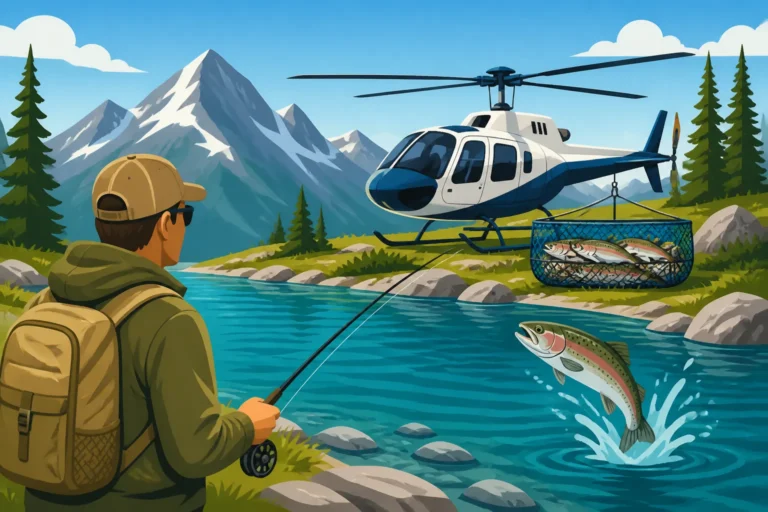
Imagine craving a fishing experience so pure, so untamed, that the only way in is by a roaring helicopter, dropping you off into an emerald-green basin ringed by granite peaks. It sounds like something out of a dream, right? But for anglers seeking true solitude and the thrill of pristine waters, the logistical hurdles of reaching Wyoming's high-alpine lakes can be a real headache. This comprehensive guide will unravel the mysteries of those incredible, often helicopter-stocked backcountry lakes near Dubois, equipping you with the knowledge to plan an unforgettable, remote fishing adventure.
The Unique Allure of Wyoming's Helicopter-Stocked Lakes
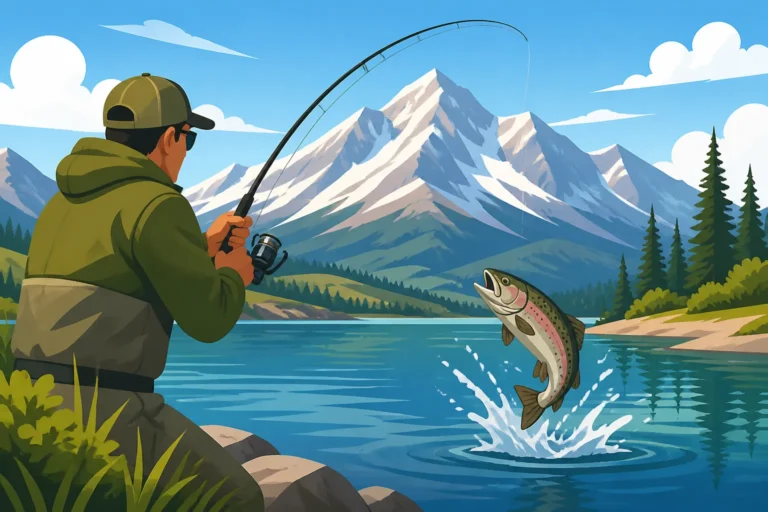
There's something truly magical about casting a line into a lake where the only sounds are the whisper of the wind and the occasional splash of a rising trout. These aren't your typical roadside ponds or easily accessible reservoirs. Wyoming's helicopter-stocked lakes represent a frontier for the adventurous angler, offering an unparalleled connection with nature and a chance at some truly special fish.
Why Helicopter Stocking is Necessary and Special
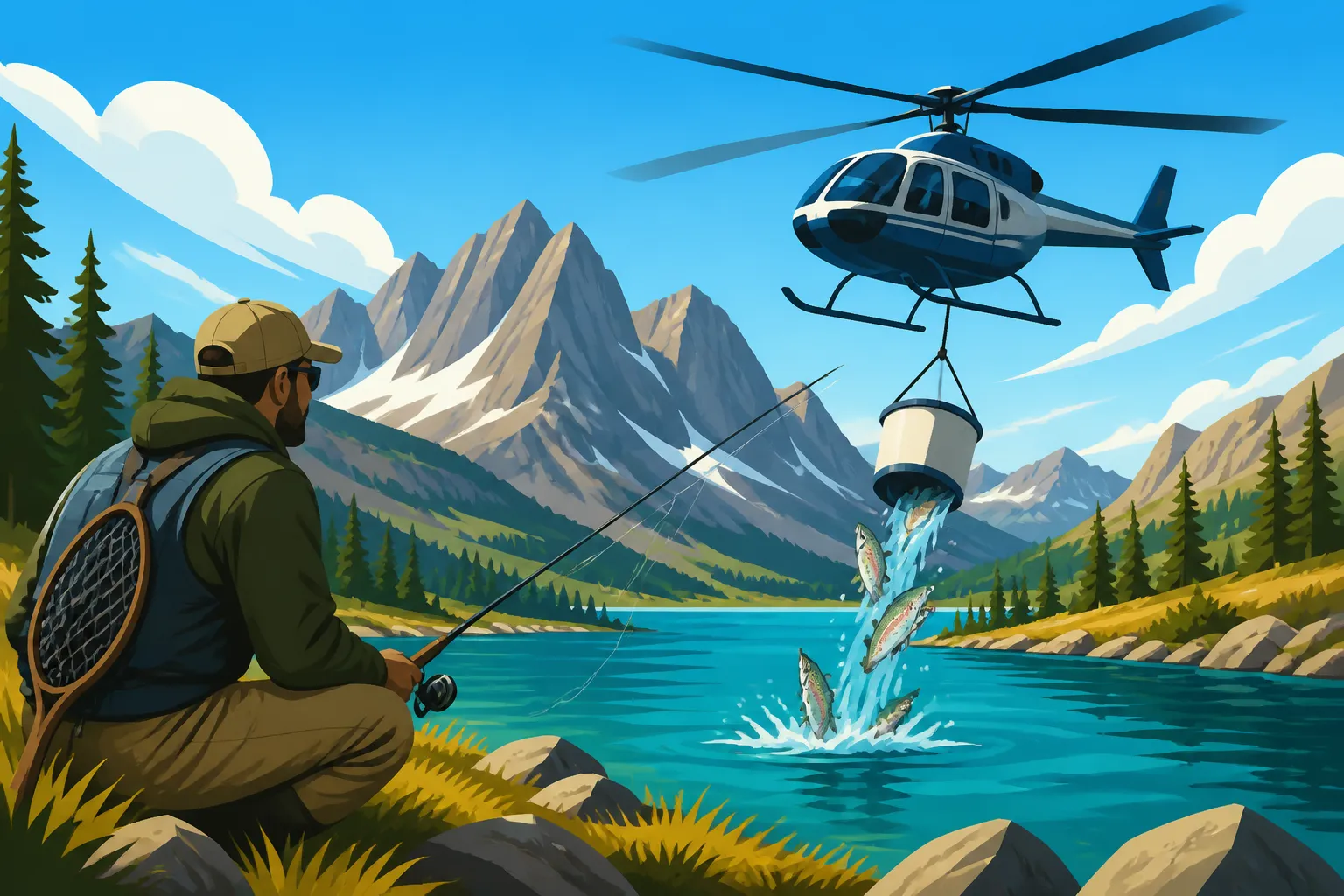
Many of Wyoming's most breathtaking high-altitude lakes are naturally barren or have very limited fish populations due to their isolated locations, harsh winter conditions, and lack of natural spawning habitat. These remote jewels, nestled high in ranges like the mighty Wind River Mountains, are often cut off by sheer cliffs, dense forests, or miles of rugged, trail-less terrain. Without a lifeline from the sky, stocking these waters by traditional means would be impossible.
The Wyoming Game and Fish Department (WGFD) employs helicopter stocking for several crucial reasons. Firstly, it allows them to maintain viable, self-sustaining fisheries in areas that would otherwise remain fishless. This provides unique recreational opportunities in places that feel truly wild. Secondly, it's a strategic way to introduce or bolster populations of specific, hardy species that thrive in these cold, oxygen-rich environments, such as Golden Trout and various cutthroat subspecies, or even the robust Brook Trout. These operations are meticulously planned, ensuring the fish are transported safely and released without undue stress, often through specialized equipment that minimizes impact on both the fish and the delicate alpine environment below. It's a testament to the state's commitment to providing diverse fishing experiences, even in its most remote corners.
The Thrill of Remote Backcountry Fishing
Let's be honest, we all love a good day on the North Platte River or a family outing at a local pond. But there's a different kind of satisfaction that comes from earning your fish in the backcountry. The sheer effort involved in getting to these High-Elevation Lakes in the Wind River Mountains adds immense value to every cast. Imagine hiking for hours, perhaps even days, carrying everything you need on your back, to arrive at a shimmering lake that reflects the untouched wilderness.
The solitude is often the biggest draw. You won't be battling crowds for prime spots, nor will you hear the hum of distant traffic. Instead, you'll be immersed in an environment where wildlife roams freely, and the only competition is with your own skills and determination. For many, this isn't just a fishing trip; it's a wilderness pilgrimage, a chance to disconnect from the modern world and reconnect with something primal. The fish themselves often seem wilder, stronger, and more vibrant, perhaps a reflection of their pristine habitat and the challenge they present.
Navigating the Logistics of Remote Access
Getting to these helicopter-stocked havens isn't as simple as driving up to a boat ramp. It requires careful planning, a good understanding of wilderness travel, and often, the assistance of experienced professionals. The "helicopter" part is intriguing, but it's usually the WGFD doing the stocking, not a taxi service for anglers! Your access will still involve significant effort.
Understanding Helicopter Access and Permits
While the Wyoming Game and Fish Department utilizes helicopters for stocking, it's generally not an option for individual anglers to charter a flight directly into these high-alpine zones for personal fishing trips. The cost would be astronomical, and wilderness regulations often restrict private helicopter landings to designated areas or for emergency purposes only. This means that your "helicopter access" comes indirectly, by knowing that these waters are stocked, making the long hike or pack trip worthwhile.
Instead, access typically involves a multi-day backpacking or horse-packing trip into designated wilderness areas. You'll need to be aware of the specific regulations for the wilderness area you plan to enter, as these often include limits on group size, campfire restrictions, and specific Leave No Trace requirements. Permits might be required for overnight stays in certain areas, particularly within National Forests or designated wilderness. Always check with the local U.S. Forest Service or Bureau of Land Management office covering your target region before you head out. These agencies are your best resource for current regulations, trail conditions, and any specific permit requirements for things like overnight camping or even bear canisters, which are increasingly mandatory in some high-use wilderness zones.
The Role of Outfitters and Guides
For many anglers, especially those new to multi-day backcountry trips or high-altitude environments, hiring a professional outfitter or guide is not just helpful—it's almost essential. These experts possess invaluable knowledge of the terrain, weather patterns, and, most importantly, the fisheries themselves. They know which lakes are fishing well, which species are active, and the best techniques to employ.
A reputable guide or outfitter will handle the complex logistics, from securing necessary permits and planning routes to providing pack animals (if desired), cooking, and ensuring your safety. They understand the nuances of What Gear to Pack for a Backcountry Fishing Trip, and can often provide specialized equipment, like lightweight fishing setups or bear-resistant food containers. When you're looking for someone to lead your adventure, seek out outfitters with strong wilderness experience, a deep understanding of local ecology, and all the proper licenses and insurance. Websites like FishingBooker can sometimes help you identify outfitters who specialize in Overnight Pack Trips for Backcountry Fishing or guided trips in the Wind River Range, though specific helicopter-supported angler trips are rare. They often have detailed profiles of guides who operate in Wyoming's backcountry, allowing you to read reviews and compare expertise. Don't be shy about asking for references or inquiring about their experience specifically with high-alpine, stocked lakes near Dubois. This kind of trip is a significant investment, both of time and money, so you want to ensure you're in capable hands. For more details on finding the right fit, check out our guide on Hiring a Fishing Guide in Wyoming.
Planning Your Backcountry Trek Beyond the Drop-off
Even if you're hiking in, the "drop-off" mentality applies. Once you're beyond the trailhead, you are on your own, and thorough preparation is paramount.
- Navigation is Key: Don't rely solely on your phone. Bring detailed topographic maps, a compass, and know how to use them. A GPS device or satellite communication device (like a Garmin inReach or Zoleo) is also highly recommended for tracking your route and emergency communication, as cell service will be nonexistent.
- Physical Conditioning: These trips are physically demanding. Be honest about your fitness level. You'll be carrying a pack at high altitudes, often on uneven terrain. Training beforehand with weighted hikes is a smart move.
- Wildlife Awareness: You're entering bear country. Carry bear spray, know how to use it, and practice proper food storage techniques. Being alert for other wildlife encounters is also crucial.
- Leave No Trace: This isn't just a suggestion; it's a code of conduct for wilderness travel. Pack out everything you pack in (including human waste in some areas), minimize campfire impacts, respect wildlife, and stay on designated trails where they exist. Preserving the pristine nature of these lakes is everyone's responsibility.
Prime Lakes and Target Species Near Dubois
The areas around Dubois offer fantastic access points to the Wind River Range, which is home to many of these incredible high-alpine waters. While specific lake names are often kept somewhat close to the vest by seasoned locals and guides to preserve their solitude, the types of fisheries and the species you'll encounter are well-documented.
Key Lakes in the Wind River Range Region
The Wind River Range is a vast wilderness, part of the Bridger-Teton and Shoshone National Forests. It boasts an incredible number of glacial lakes, many of which are targets for WGFD's aerial stocking efforts. While pinpointing exact helicopter-stocked lakes without detailed WGFD stocking reports (which aren't always public and specific for conservation reasons) is difficult, the general principle applies to countless basins.
Areas like the Fitzpatrick Wilderness, accessible from the Dubois side, are renowned for their rugged beauty and numerous small lakes and tarns. The headwaters of the Wind River and its tributaries, often requiring significant effort to reach, feed many of these high-elevation bodies of water. These basins, sculpted by ancient glaciers, provide the perfect cold-water habitat once fish are introduced. When researching your trip, look for information on the general fishing opportunities within the Wind River Range itself, often highlighting the species present in its numerous lakes. Many guides who operate in this region will have their preferred destinations, developed over years of exploration and experience. For specific details on where to find these gems, researching Best Backpacking Fishing Lakes in the Wind Rivers can provide a good starting point for your personal adventure.
Focus on Golden Trout and Brook Trout
Two species often shine in these high-alpine, helicopter-stocked waters: Golden Trout and Brook Trout. They are perfectly adapted to the cold, clear, nutrient-poor conditions found at these elevations.
- Golden Trout: These are true gems of the high country, famed for their brilliant golden flanks, red lateral stripes, and distinctive parr marks. Originally native to California's Sierra Nevada, they've been successfully introduced into many of Wyoming's highest lakes. They are notoriously challenging to catch, requiring a stealthy approach and delicate presentation. They typically feed on small insects, making tiny dry flies, nymphs, and emergers effective. Golden Trout usually don't grow to massive sizes in these high lakes, often ranging from 8-14 inches, but their beauty and the effort to catch them make every one a trophy. Learn more about targeting these incredible fish in our Golden Trout Fishing in Wyoming guide.
- Brook Trout: Known for their striking worm-like markings (vermiculations) on their backs, red spots with blue halos, and white-leading fins, Brook Trout are another high-country favorite. They are incredibly hardy and often thrive in even the most barren alpine lakes, frequently establishing self-sustaining populations after initial stocking. While they can be found in larger sizes in some waters, most high-lake brookies are in the 6-12 inch range. They tend to be less selective than Golden Trout, often eagerly taking small spinners, spoons, and a variety of fly patterns. For more insights into these feisty fish, check out our piece on Brook Trout Fishing in Wyoming.
Here's a quick comparison of these two high-lake specialists:
| Feature | Golden Trout | Brook Trout |
|---|---|---|
| Appearance | Brilliant gold, red lateral stripe, fine spots | Dark green/brown, worm-like markings, red spots |
| Size (High Lakes) | 8-14 inches | 6-12 inches (can be larger in some waters) |
| Temperament | More selective, cautious | Less selective, often aggressive feeders |
| Preferred Diet | Small insects (nymphs, midges, dries) | Broader diet (insects, small crustaceans, baitfish) |
| Habitat | Pristine, high-altitude, cold, clear lakes | Similar, often more tolerant of varying conditions |
| Native To | Sierra Nevada, California | Eastern North America |
Other Potential Species and Surprises
While Golden and Brook Trout are the stars of these super high-elevation, helicopter-stocked lakes, some slightly lower-elevation backcountry lakes might hold other species. You could encounter various subspecies of cutthroat trout, such as Yellowstone Cutthroat or Snake River Fine-Spotted Cutthroat, particularly in waters that have natural stream connections. Rainbow Trout might also be present in some lakes, especially those that are slightly more accessible or where conditions allow them to thrive.
The WGFD's stocking programs are diverse, and the specific species stocked in What Trout Species Are Stocked in Wind River High Lakes often depends on the specific characteristics of the water, its elevation, and management goals. For instance, in some lakes, they might be trying to establish a trophy fishery, while in others, they might prioritize a sustainable population for general recreation. Always check the current Wyoming Fishing Regulations Every Angler Should Know booklet for the specific drainage or even lake name if it's listed, as regulations can vary wildly from one water body to the next.
Essential Gear and Techniques for High-Altitude Fishing
Fishing in the Wyoming backcountry, especially at high altitudes, demands a different approach than your typical day trip. The environment is unforgiving, and being unprepared can quickly turn an adventure into a dangerous situation.
Packing Smart for the Backcountry
Every ounce counts when you're carrying your life on your back for multiple days. This isn't the time for a heavy tackle box or your heaviest wading boots.
- Lightweight Fishing Setup: A compact, breakdown fly rod (3-5 weight) or a small spinning rod is ideal. Pair it with a lightweight reel and a selection of versatile flies or small lures. Think about multi-piece rods that can easily fit into your pack. For flies, focus on patterns that mimic common high-alpine insects: small attractor dry flies (Parachute Adams, Royal Wulff), various nymph patterns (Prince Nymph, Pheasant Tail, Hare's Ear), and perhaps some midge patterns. Small spinners (Panther Martin, Mepps) or tiny spoons are excellent for spin fishing.
- Layered Clothing: Mountain weather is famously unpredictable. Even in summer, you can experience all four seasons in a single day. Pack moisture-wicking base layers, an insulating mid-layer (fleece or puffy jacket), a waterproof and windproof outer shell, and a warm hat and gloves.
- Navigation and Safety: As mentioned, maps, compass, and a GPS/satellite communication device are non-negotiable. Add a headlamp with extra batteries, a comprehensive first-aid kit, a water filter or purification tablets, a small repair kit for gear, and a fire starter. A lightweight shelter (tent or bivy) and a warm sleeping bag rated for colder temperatures are also crucial.
- Food and Water: Pack high-energy, non-perishable food. Plan for more calories than you think you'll need. Always carry enough water for immediate needs and have a reliable way to filter or treat water from streams and lakes.
- Sun Protection: At high altitudes, the sun's rays are much more intense. Bring a wide-brimmed hat, sunglasses, and high-SPF sunscreen.
- Bear Spray: Absolutely essential in bear country. Make sure it's accessible and you know how to use it.
Remember, the goal is to be self-sufficient and safe. Every item should have a purpose. Our detailed guide on What Gear to Pack for a Backcountry Fishing Trip offers even more specific recommendations.
Fly Fishing vs. Spin Fishing in Remote Lakes
Both fly fishing and spin fishing can be incredibly effective in these remote lakes, and your choice often comes down to personal preference and skill level.
- Fly Fishing: This is often the preferred method for the discerning angler targeting the typically selective Golden Trout. The delicate presentation of a fly can be key to fooling wary fish in crystal-clear water. Techniques vary:
- Dry Fly Fishing: When fish are rising, small dry flies mimicking midges, caddis, or mayflies can be incredibly exciting.
- Nymphing: Often the most consistent method, using small nymphs suspended under an indicator or fished Euro-nymphing style.
- Streamer Fishing: Can be effective for larger, more aggressive Brook Trout or even opportunistic Goldens, especially near drop-offs or submerged structure.
- For more advanced techniques specific to these waters, check out How to Fish Wyoming's High-Alpine Lakes and Best Wyoming Fly Patterns for Cutthroat Trout (many of which will cross over for Goldens and Brookies).
- Spin Fishing: For anglers who prefer a spinning rod or are looking for a more accessible method, spin fishing is highly productive. Small spoons, inline spinners, and even tiny jigs tipped with a piece of worm or Gulp! bait can entice strikes from both Golden and Brook Trout. The key is using light line (2-4 lb test) and making accurate, quiet casts. Don't underestimate the effectiveness of a small Rapala or similar minnow imitation in these clear waters.
Adapting to Mountain Weather and Conditions
The mountains have a mind of their own, and weather can change dramatically in minutes. A sunny morning can quickly give way to a violent thunderstorm, hail, or even snow, even in the height of summer.
- Rapid Weather Changes: Always check the forecast before heading out, but be prepared for anything. Pack rain gear and extra layers even if the sky is blue. High winds are also common, making casting a challenge and requiring extra care on exposed ridges or shorelines.
- Temperature Fluctuations: Daytime temperatures can be pleasant, but nights often dip below freezing, especially at higher elevations. Hypothermia is a real risk if you're not properly insulated.
- Altitude Sickness: Many of these lakes are above 10,000 feet, and some even higher. If you're coming from sea level, give yourself time to acclimatize. Drink plenty of water, avoid excessive exertion, and be aware of symptoms like headache, nausea, and dizziness. Descend immediately if symptoms worsen.
- Reading Water: In these clear, cold alpine lakes, fish often hold near structure like submerged rocks, fallen timber, or drop-offs. Look for subtle signs of activity—a dimple on the surface from a rising fish, or the shadows of cruising trout. Often, the best fishing is around inlets and outlets, where food sources are concentrated. The water is often so clear that stealth is critical; approach the water's edge slowly and keep a low profile to avoid spooking fish.
Conservation and Ethical Angling in Pristine Waters
The very reason these lakes offer such incredible fishing is because they are remote and relatively untouched. It's our responsibility as anglers to keep them that way. Ethical angling and strict adherence to conservation principles are paramount.
Practicing Leave No Trace Principles
This is more than just a polite suggestion; it's a critical component of enjoying and preserving wilderness areas. The seven Leave No Trace principles are your guide:
- Plan Ahead and Prepare: Research the area, pack appropriately, and know the regulations.
- Travel and Camp on Durable Surfaces: Stick to existing trails and camp in established sites. If off-trail, spread out to minimize impact. Avoid fragile vegetation.
- Dispose of Waste Properly: Pack it in, pack it out—every single piece of trash, including food scraps. Bury human waste in catholes 6-8 inches deep, at least 200 feet from water, camp, and trails.
- Leave What You Find: Don't collect souvenirs or alter natural features.
- Minimize Campfire Impacts: Use established fire rings or avoid fires altogether in sensitive areas. Better yet, use a stove for cooking.
- Respect Wildlife: Observe from a distance, never feed animals, and store food properly to prevent wildlife access.
- Be Considerate of Other Visitors: Yield to others on trails, keep noise levels down, and respect solitude.
Adhering to these principles ensures that the next person to visit these magnificent lakes finds them just as pristine and awe-inspiring as you did.
Catch and Release Best Practices for Fragile Fisheries
While WGFD often stocks these lakes to provide fishing opportunities, the populations can still be fragile, especially for slower-growing species like Golden Trout. Practicing responsible catch and release helps ensure these fisheries remain healthy for years to come.
- Minimize Handling: Try to keep the fish in the water as much as possible. If you must handle it, wet your hands first to protect its delicate slime coat.
- Use Barbless Hooks: Barbless hooks greatly reduce injury to the fish and make removal much easier and quicker. If your hooks aren't barbless, simply crimp down the barb with pliers.
- Quick Release: Unhook the fish quickly and gently. If the hook is deep, cut the line as close to the hook as possible rather than tearing the fish's throat.
- Revive Carefully: If the fish is lethargic, hold it gently in the water, facing upstream, until it regains its strength and can swim away on its own. Avoid squeezing or putting pressure on its internal organs.
- Know the Regulations: Always consult the current regulations booklet. Some lakes may have specific catch-and-release rules for certain species or size limits. For a deeper dive into responsible angling, check out our guide on Catch and Release Best Practices for Trout.
Reporting and Protecting These Unique Resources
Protecting Wyoming's unique high-alpine fisheries is a collective effort. You can play a vital role by being an observant and responsible angler.
- Report Invasive Species: Keep an eye out for any non-native fish or aquatic organisms that seem out of place. This could include species like illegally introduced perch, or signs of aquatic invasive species like zebra mussels (though less likely in high alpine, it's a general vigilance rule). If you suspect an invasive species, document it with photos if possible, note the location, and report it immediately to the WGFD. This swift action can prevent ecological disaster. Our article on Invasive Fish Species Wyoming Anglers Should Report provides more details on what to look for and how to report.
- Report Violations: If you witness illegal fishing activity, such as exceeding bag limits, fishing without a license, or using prohibited gear, report it to the WGFD. These violations directly undermine the health and sustainability of these precious fisheries.
- Participate in Conservation: Support organizations dedicated to conserving cold-water fisheries and wilderness areas. Your voice, and even small contributions, can help ensure these breathtaking fishing spots endure for future generations.
These helicopter-stocked backcountry lakes near Dubois represent some of the most extraordinary fishing opportunities in Wyoming. They demand respect, preparation, and a commitment to conservation, but the rewards—solitude, stunning scenery, and the chance to catch truly wild trout—are immeasurable.
Disclaimer
Please note that fishing regulations, conditions, and access points can change frequently. Always consult the most current Wyoming Game and Fish Department regulations, maps, and local ranger district advisories before planning any fishing trip. Safety in the backcountry is your responsibility.