Best Ice Fishing Lakes in Wyoming
There’s nothing quite like the crisp, still air of a Wyoming winter morning, the vast landscape covered in a blanket of white, and the promise of a big fish lurking beneath the ice. But let’s be real, finding the best spots to go ice fishing in a state as vast and wild as Wyoming can feel overwhelming. You don’t want to drive for hours only to find thin ice or barren waters. This guide is here to cut through the guesswork, helping you pinpoint the most productive and rewarding ice fishing lakes across the Cowboy State, ensuring your winter angling adventures are etched in your memory for all the right reasons.
Navigating Wyoming's Winter Waters for Ice Fishing
Wyoming's winter landscape transforms its abundant lakes and reservoirs into a whole new world for anglers. It’s a completely different game than summer fishing, demanding patience, preparation, and a keen understanding of ice conditions and fish behavior under the freeze. You're not just casting a line; you're engaging with an environment that's as beautiful as it is challenging.
The Allure and Challenges of Wyoming Ice Fishing
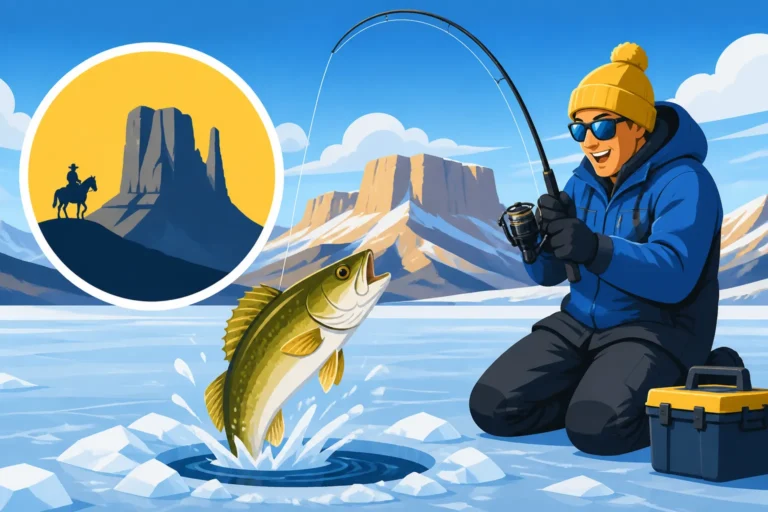
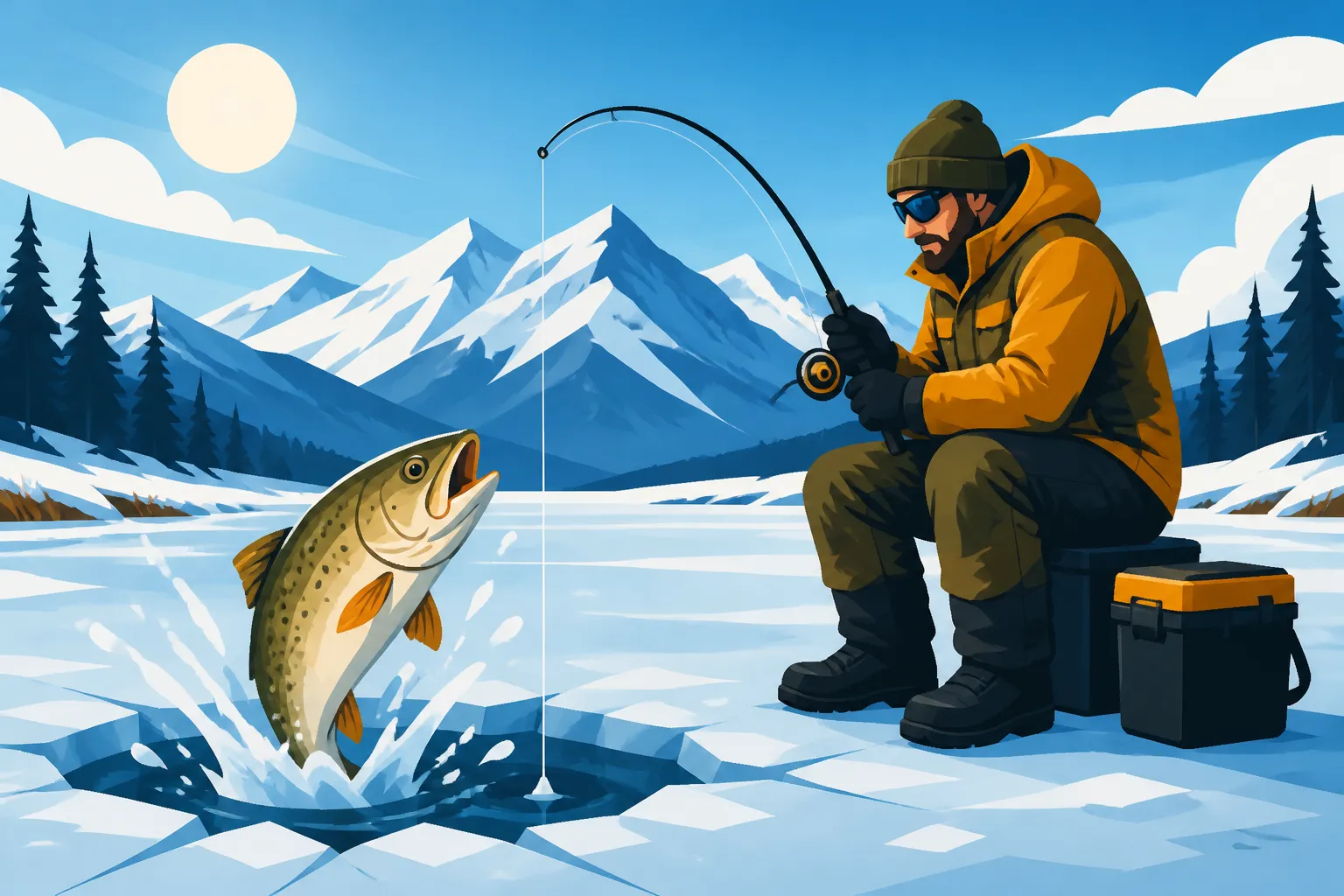
The quiet solitude of ice fishing is a huge draw for many. Imagine being out on a frozen expanse, the only sounds being the gentle creak of the ice, the whisper of the wind, and maybe the distant call of a raven. It’s a chance to truly disconnect and immerse yourself in nature. Plus, some of Wyoming's biggest fish are often caught during the hardwater season. Lake trout, walleye, rainbow trout, and even burbot become more concentrated as their habitat shrinks, making them prime targets for those willing to brave the cold. It’s a unique opportunity to target species that might be harder to reach in open water, often holding to deep structure or congregating in specific areas.
However, it's not without its challenges. The cold, wind, and unpredictable nature of ice can be formidable. You need to be prepared for drastic temperature swings and sudden weather changes. Safety is paramount, and understanding How Thick Ice Needs to Be to Fish Safely is crucial before you even step foot on the ice. Access points can be limited, and navigating snow-covered roads to your favorite fishing hole requires a reliable vehicle and often, four-wheel drive. The fish can also be finicky, requiring different strategies and presentations compared to open-water fishing. It's a sport that truly tests your mettle and rewards those who are well-prepared.
When to Expect Prime Ice Conditions
The ice fishing season in Wyoming typically kicks off in late November or early December, particularly in higher elevation areas or the northern reaches of the state. These early season conditions, often referred to as "first ice," can be incredibly productive as fish are still relatively active and haven't seen much pressure. However, it’s also when ice can be most unpredictable, so extreme caution is advised. As winter progresses into January and February, the ice usually becomes thick and stable on most major reservoirs, offering the safest and most reliable conditions for anglers. This mid-season period is often considered prime time.
By March, especially in lower elevation lakes, the ice can start to break down and become "rotten" as warmer temperatures and increased sunlight take their toll. This "last ice" can also be fantastic for fishing as fish begin to become more active, but it’s arguably the most dangerous time to be on the ice. Always check local conditions with the Wyoming Game and Fish Department (WGFD) or reliable local bait shops before heading out. Conditions can vary widely even between lakes just a few miles apart, and it's always better to be safe than sorry. Remember, the general rule of thumb for safe ice is at least 4 inches for ice fishing on foot, but this can vary depending on factors like currents and underlying springs. You might even find local guides on platforms like FishingBooker who can give you up-to-the-minute reports.
Top Picks for Ice Fishing Lakes Across Wyoming
Wyoming boasts an incredible array of fisheries, and many of its best lakes and reservoirs offer fantastic ice fishing opportunities. While each lake has its unique characteristics, these spots consistently deliver for hardwater enthusiasts, targeting everything from trophy lake trout to abundant walleye.
Flaming Gorge Reservoir: A Mackinaw Haven
When you talk about trophy lake trout (or Mackinaw) through the ice, Flaming Gorge Reservoir immediately comes to mind. This massive reservoir, straddling the Wyoming-Utah border, is famous for producing behemoth mackinaw, with some fish pushing well over 20 pounds. In Wyoming, key access points like Buckboard Crossing and Lucerne Marina offer good starting points for ice anglers. The ice here can be thick and reliable through the heart of winter, though strong winds are a constant companion, so a good ice shelter is non-negotiable.
Anglers here typically target lake trout in deep water, often from 40 to over 100 feet, using heavy jigs tipped with sucker meat or large tube jigs. You'll need a stout rod and reel combo capable of handling these heavy fish. While mackinaw are the stars, Flaming Gorge also offers excellent fishing for kokanee salmon, rainbow trout, and burbot (ling). Many anglers specifically target burbot at night, often setting up tip-ups with cut bait. For those less familiar with the area, checking out Fishing Wyoming's Flaming Gorge Reservoir Fishing Guide can provide invaluable insights for planning your trip. For serious anglers looking for a guided trip to maximize their chances, searching for local guides on FishingBooker could be a great starting point, as many specialize in deep-water lake trout techniques.
Boysen Reservoir: Walleye and More
Boysen Reservoir, located near Shoshoni, is another Wyoming ice fishing hotspot, especially revered for its outstanding walleye fishery. This large reservoir also hosts robust populations of crappie, perch, sauger, and rainbow trout, making it a diverse destination for ice anglers. Walleye are often found relating to structure, humps, and points, and aggressive jigging with spoons or jigs tipped with minnows or plastics can be very effective. Early ice and late ice tend to be particularly productive for walleye, but consistent catches can be made throughout the season.
The sheer size of Boysen means there's always new water to explore, but it also means checking local conditions is vital, especially for How to Find Fishable Ice on a Wyoming Reservoir. Access points like the main boat ramps and various shoreline areas become walk-on opportunities once the ice is safe. Winds can be a factor here as well, so prepare accordingly. Aside from walleye, the crappie fishing can be phenomenal, with anglers using small jigs and wax worms. Perch are also abundant and provide steady action, especially for kids or new ice anglers. If you're looking for an in-depth look at this popular spot, the Fishing Wyoming's Boysen Reservoir Fishing Guide offers extensive details for all seasons.
Lake Hattie: Close to Home, Big Rewards
Just west of Laramie, Lake Hattie offers incredibly convenient access and some truly fantastic ice fishing, especially for rainbow trout, brown trout, and sometimes even kokanee salmon. Its proximity to a major town makes it a popular spot for both locals and those just passing through, seeking a quick and productive outing. While not as massive as Flaming Gorge or Boysen, Hattie is a substantial lake with good depth and structure, supporting a healthy fish population.
Anglers here often find success with a variety of techniques. Small spoons tipped with a piece of corn or mealworm, or jigging Rapalas, are popular choices for trout. Setting up a tip-up with a live minnow (where legal) can also be highly effective for cruising trout and browns. Because of its relatively high elevation, Lake Hattie usually sees good, solid ice earlier in the season than some other, lower elevation lakes. However, it's also prone to heavy winds, so a portable shelter or windbreak is a wise investment. The lake can sometimes be a bit of a mystery, with fish moving around, but persistence usually pays off with some chunky rainbows.
Glendo Reservoir: A Diverse Winter Fishery
Glendo Reservoir, located in southeastern Wyoming, is another excellent option for ice fishing, particularly for those targeting walleye, crappie, and northern pike. While it’s also known for its summer boating, in winter, Glendo transforms into a hotspot for hardwater anglers seeking diverse opportunities. The reservoir is quite large, so spreading out and trying different depths and structures is key. Walleye, similar to Boysen, will often be found on points, humps, and along old river channels. Jigging spoons and blade baits, often tipped with a minnow head, are go-to presentations.
Crappie fishing can be outstanding, especially in shallower bays or areas with submerged timber. Small jigs and soft plastics, fished patiently, can yield limits of these tasty panfish. For the more adventurous, northern pike lurk in Glendo’s waters, offering a chance at a much larger, more aggressive fight. Large dead baits under tip-ups are the preferred method for these toothy predators. Always check Wyoming Fishing Regulations Every Angler Should Know as specific rules, like bait restrictions or special limits, can apply to individual waters. Knowing these details can be the difference between a great day and a citation.
Essential Preparations for a Successful Ice Fishing Trip
Venturing out onto the ice in Wyoming means being ready for anything Mother Nature throws your way. A successful and enjoyable trip hinges on proper planning, the right gear, and an unwavering commitment to safety.
Prioritizing Ice Safety
Seriously, this cannot be stressed enough: ice safety is paramount. Every year, despite warnings, people fall through the ice. The WGFD constantly reminds anglers to "Know Before You Go" – meaning, check ice thickness and conditions locally before venturing out. General guidelines suggest at least 4 inches of clear, solid ice for individual foot travel, 5-7 inches for a snowmobile or ATV, and 8-12 inches for a small car or truck. However, always consider that ice thickness can vary dramatically across a single body of water due to currents, springs, underwater structures, and recent weather.
Always fish with a buddy, and let someone know your plans and expected return time. Carry safety gear like ice picks (worn around your neck for quick access), a throw rope, and a fully charged cell phone. Dress in layers, including a waterproof outer shell, and wear a life vest, especially during early or late ice. Avoid areas around inlets, outlets, bridges, or anything that could create currents or unstable ice. If the ice looks suspicious, or if you hear cracking, retreat immediately. It’s better to miss a day of fishing than to risk your life. For a deeper dive into staying safe, consult How Thick Ice Needs to Be to Fish Safely.
Recommended Gear for Wyoming Conditions
Wyoming winters are no joke, so your gear needs to be up to the task. Beyond your fishing license (which you should always carry, digitally or physically, along with your ID – see Do You Need ID to Buy a Wyoming Fishing License?), here’s a breakdown of what you’ll need:
- Shelter: A portable ice fishing shelter is invaluable. Whether it's a flip-over or a hub-style, it provides crucial protection from the relentless Wyoming wind and cold, making your time on the ice far more enjoyable. Some even come with heaters, which can be a game-changer.
- Auger: You’ll need a way to get through the ice. A hand auger is fine for shallower, thinner ice, but for the thick ice often found on Wyoming's larger reservoirs, a powered auger (gas, propane, or electric) is a must-have. A 6-inch or 8-inch auger is typical, with 8-inch being preferred for larger fish like lake trout.
- Rods and Reels: Specialized ice fishing rods are shorter and more sensitive, designed for jigging in a confined space. Pair them with small spinning reels. For targeting bigger fish, a medium-heavy action rod is recommended.
- Tackle: Pack a variety of jigs, spoons, and soft plastics. Best Ice Fishing Jigs for Wyoming Trout will highlight great options. Don't forget live bait like wax worms, mealworms, or minnows (check regulations for specific water bodies regarding live bait usage).
- Warm Clothing: Layers are key! Start with a moisture-wicking base layer, add insulating mid-layers (fleece, down), and top it off with waterproof, windproof outer gear. Insulated boots, warm gloves or mittens, and a good hat that covers your ears are essential.
- Electronics: A fish finder or flasher is a huge advantage. It shows you the depth, structure, and most importantly, where the fish are in the water column, allowing you to present your bait precisely. A GPS unit or a mapping app on your phone can help you navigate to productive spots and avoid hazards.
- Miscellaneous: Buckets (for carrying gear and as seats), a sled for transport, a lantern or headlamp for low light, a first-aid kit, and plenty of snacks and hot drinks are all crucial components of your Ice Fishing Gear Checklist for Wyoming Lakes.
Reading the Signals and Finding the Fish
Success on the ice often comes down to understanding fish behavior and knowing how to interpret the signals around you. Fish, even under ice, still relate to structure, depth, and forage. On a new lake, start by looking for prominent points, humps, drop-offs, or areas where the bottom transitions from soft to hard. These are natural fish highways and ambush points. Often, you'll find concentrations of anglers, which can be a good indicator of where fish are biting, but don't be afraid to venture out on your own (safely, of course!) to find less pressured fish.
Your electronics are your best friend. A good fish finder will not only show you fish but also their depth, allowing you to adjust your presentation. Pay attention to how fish react to your lure – are they aggressive, or just curious? Adjust your jigging retrieve accordingly. Sometimes a subtle lift, other times a more aggressive flutter. Keep an eye on the time of day; early mornings and late afternoons often provide peak feeding windows. On many Wyoming lakes, especially those with trout, Fishing Wyoming During a Heat Wave might seem irrelevant, but understanding how temperature changes affect fish behavior, even beneath the ice, is key. Even slight fluctuations in water temperature or light penetration can influence where fish hold and when they bite.
Ice fishing can be an incredibly rewarding experience in Wyoming, connecting you to the wild beauty of winter and offering the thrill of the catch. Stay safe, be prepared, and enjoy the silence of the frozen frontier.
| Lake Name | Primary Species | Key Features for Ice Fishing | Typical Ice-On/Off Duration | Notable Access Points |
|---|---|---|---|---|
| Flaming Gorge Reservoir | Lake Trout, Kokanee, Burbot | Deep water, vast size, trophy potential | Dec – March (earlier higher up) | Buckboard Crossing, Lucerne Marina |
| Boysen Reservoir | Walleye, Crappie, Perch, Sauger | Varied structure, diverse fishery, often windy | Dec – March | Main boat ramps, shoreline areas |
| Lake Hattie | Rainbow Trout, Brown Trout | Convenient access from Laramie, consistent trout | Nov – March | Main parking areas off Hwy 230 |
| Glendo Reservoir | Walleye, Crappie, Northern Pike | Large and diverse, good panfish, pike potential | Dec – March | State Park access points |
Disclaimer
The information provided in this guide is for general informational purposes only. Fishing regulations, ice conditions, and fish populations can change rapidly. Always consult the official Wyoming Game and Fish Department regulations, check local ice conditions with reputable sources, and prioritize safety before planning any ice fishing trip.