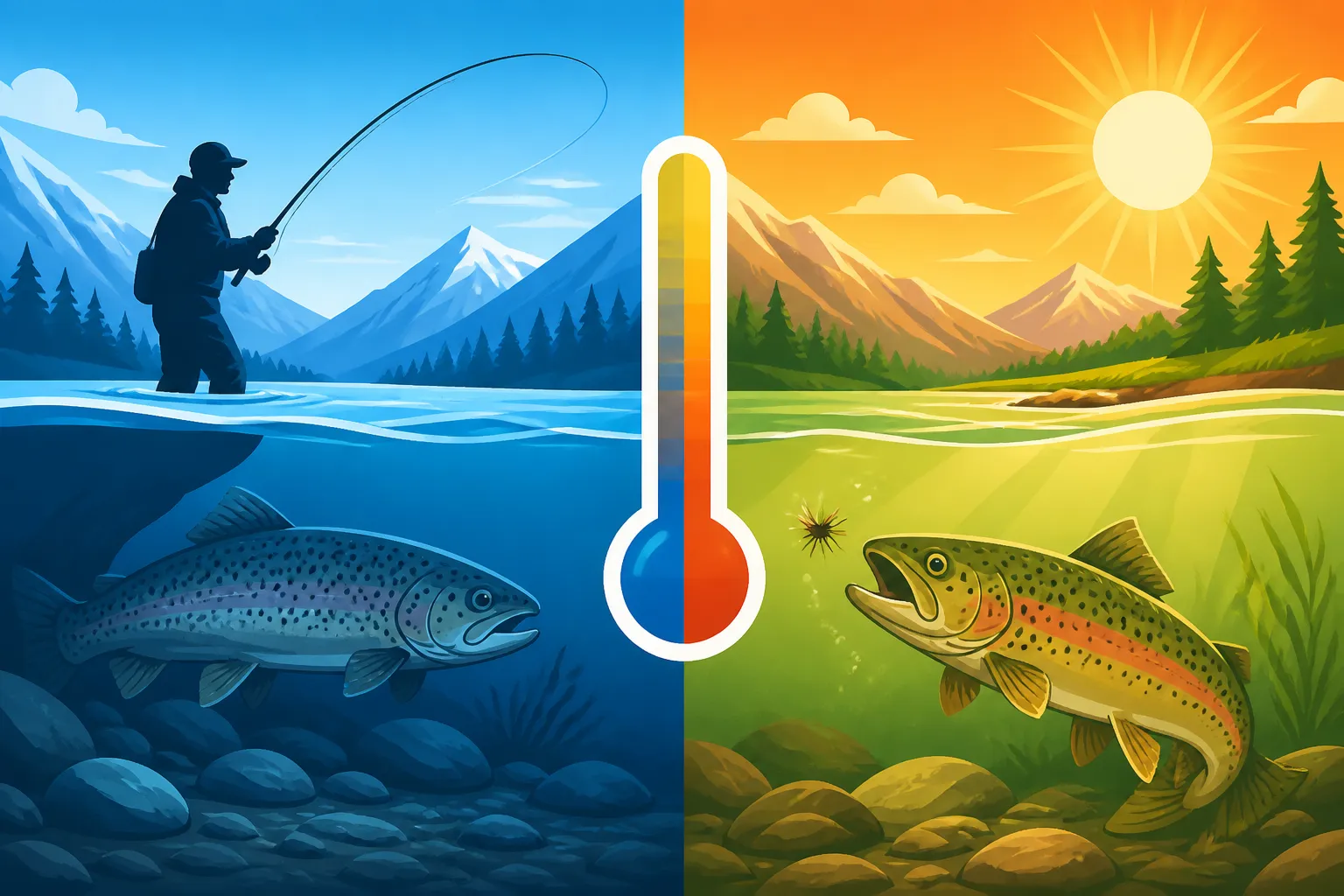
How Water Temperature Changes Wyoming Trout Behavior
It's incredibly frustrating when you arrive at your favorite Wyoming fishing spot, only to find the trout just aren't biting, and you can't figure out why. Often, the culprit isn't your fly choice or your casting technique, but something far more fundamental: the water temperature. Understanding how water temperature dictates trout behavior is absolutely crucial for success here in the Cowboy State, and this guide will break down everything you need to know to make sense of those sometimes subtle, sometimes drastic, shifts.
The Basics of Water Temperature and Trout Survival
Trout are cold-blooded creatures, meaning their body temperature, metabolism, and activity levels are directly tied to the temperature of the water around them. Unlike us, they can't just throw on a jacket or sip a cold drink to adjust. Their comfort zone is pretty narrow, and straying too far outside it can mean anything from lethargy to outright death. This is why paying attention to the thermometer, whether you carry a dedicated one or simply observe environmental cues, is so important.
Why Temperature is a Matter of Life and Death for Trout
Imagine trying to run a marathon in a sauna or a freezer. That's a bit like what trout experience when water temperatures shift dramatically. Each trout species has a preferred temperature range for optimal feeding, growth, and spawning. Outside this range, their metabolic processes slow down or speed up too much. For instance, cold water slows their metabolism, making them less active and requiring less food. Conversely, overly warm water can accelerate their metabolism to an unsustainable level, requiring more oxygen than the water can provide, especially when warm water holds less dissolved oxygen.
When temperatures become truly extreme, either too cold or too warm, trout face significant physiological stress. In frigid conditions, their movements become sluggish, and their immune systems can be compromised, making them susceptible to disease. In warm water, they struggle to breathe due to reduced oxygen, leading to stress, sickness, and eventually, death. This delicate balance is why events like summer heatwaves or prolonged cold snaps can be so devastating to a trout population.
How Different Trout Species Cope
While all trout are coldwater fish, there are subtle differences in their temperature tolerances, which can influence where and when you'll find them. Rainbow trout, for example, tend to be a bit more tolerant of slightly warmer water than their cutthroat cousins. You might find rainbows actively feeding in water a few degrees warmer than where a Yellowstone Cutthroat would start seeking cooler refuge. Brown trout are often considered the hardiest of the bunch, capable of tolerating a wider range of temperatures, including some surprisingly warm conditions, especially in the larger tailwaters like the North Platte River.
On the other end of the spectrum, brook trout and golden trout, often found in high-alpine lakes and small mountain streams, prefer colder, purer water. These species thrive in conditions that might be too chilly for other trout. Understanding these species-specific preferences, and knowing a bit about identifying a Yellowstone Cutthroat Trout, can help you target your efforts more effectively.
Cold Water Dynamics: Winter and Early Spring
When the mercury drops, both in the air and in the water, trout activity changes dramatically. This isn't necessarily a bad thing for anglers, but it certainly requires a shift in approach. Winter and early spring fishing in Wyoming demands patience, precision, and an understanding of where trout conserve energy when the water turns icy.
Winter Sluggishness and Deep Holds
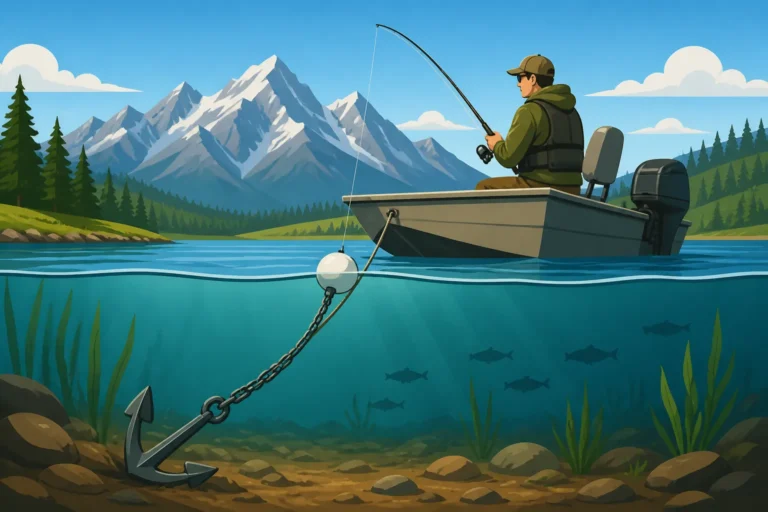
As winter sets in, and especially when ice forms on lakes and slower river sections, water temperatures plummet. This means trout go into a state of semi-hibernation. Their metabolism slows to a crawl, and they don't need to feed nearly as often or as aggressively. They'll seek out the deepest, slowest pools in rivers, often hugging the bottom where water temperatures are slightly more stable and currents are minimal. In lakes, they'll congregate near structure in deeper water. This is a survival mechanism; less movement means less energy expended, allowing them to conserve vital resources during periods of scarcity.
During these frigid months, an angler's strategy must adapt. Instead of chasing fast-moving fish, you're trying to coax a bite out of a lethargic one. Slower presentations, smaller baits or flies, and targeting those deep, still pockets become paramount. This is also when ice fishing really shines, allowing you to access these deeper haunts directly. If you're out on the hard water, a solid Ice Fishing in Wyoming: A Complete Guide is invaluable, and having a good ice fishing sonar, which you can often find on Amazon, can make all the difference in locating those deep-holding fish.
Spring Runoff and Temperature Shocks
Early spring can be a mixed bag for anglers in Wyoming. As the snowpack begins to melt, rivers swell with cold, silty water, a phenomenon known as spring runoff. This introduces a double whammy for trout: extreme cold and decreased visibility. The influx of snowmelt rapidly drops water temperatures, further slowing trout metabolism. The cloudy, turbulent water also makes it hard for fish to see prey, and for anglers to effectively present their offerings. This is a classic challenge for Fishing Wyoming During Spring Runoff.
Trout during runoff will often move to the edges of the main current, finding refuge in slower pockets, eddies, and side channels where the water is clearer and less turbulent. These areas might also warm up slightly faster on sunny days. While the fish might still be sluggish, the increased water levels can trigger some movement, and they'll take advantage of any small pockets of warmer, clearer water to feed. Anglers often find success by fishing these slower, clearer margins with heavier nymphs or streamers that can get down to the fish quickly.
The Sweet Spot: Optimal Temperatures for Trout Activity
Just like us, trout have a "happy place" when it comes to temperature. Hit this range, and you'll find them active, feeding aggressively, and generally easier to catch. This optimal zone is where their metabolism is at its peak without causing undue stress, allowing them to digest food efficiently and grow.
Ideal Feeding and Growth Ranges
Most trout species in Wyoming thrive when water temperatures are between 45°F and 65°F (7°C and 18°C). Within this range, their digestive systems work best, and they have plenty of energy to chase down prey. This is when you'll see strong insect hatches on rivers, and baitfish become more active in lakes, creating an abundance of food. The fish are comfortable, healthy, and on the hunt. For example, rainbow trout typically show peak activity in the mid-50s to low-60s. Cutthroat trout prefer the lower end of this range, often being most active when water temperatures are in the high 40s to low 60s. Brown trout can extend their comfort slightly higher, but they too thrive in this general band.
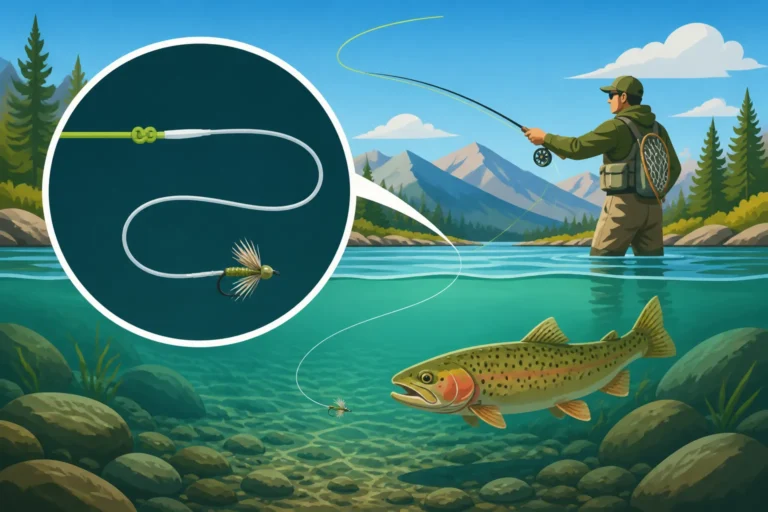
When water temperatures are in this "sweet spot," you'll often find trout spread throughout the water column and throughout a river or lake. They're not just hugging the bottom or hiding in cold springs; they're actively cruising, rising to dry flies, and aggressively striking at lures. This is when a variety of techniques, from dry fly fishing to streamer fishing, can be incredibly productive, and it's often the best time of year to target a trophy brown trout.
How Seasonal Warming Impacts Activity
As spring transitions into summer, or late summer into fall, water temperatures gradually move into and out of this optimal zone, influencing fishing conditions. In Wyoming Spring Fishing: What to Expect, you'll find that as waters slowly warm from their winter lows, trout activity steadily increases. They shake off their sluggishness and begin to feed more regularly. Insect hatches become more prolific, and the fish key into these emerging food sources.
Similarly, in the fall, as intense summer heat gives way to cooler nights and days, water temperatures start to drop back into the optimal range. This renewed comfort, combined with the instinct to feed heavily before winter, can lead to some of the most spectacular fishing of the year. Trout, especially brown trout, become incredibly aggressive during the fall, often gorging themselves in preparation for spawning and the lean winter months ahead. This makes for fantastic Wyoming Fall Fishing for Migrating Browns.
Here’s a quick overview of approximate optimal temperature ranges for common Wyoming trout species:
| Species | Optimal Temperature Range (°F) | Optimal Temperature Range (°C) | Notes |
|---|---|---|---|
| Rainbow Trout | 50-65°F | 10-18°C | Tolerates slightly warmer water than Cutthroats |
| Cutthroat Trout | 45-60°F | 7-16°C | Prefers cooler, oxygenated water |
| Brown Trout | 45-68°F | 7-20°C | Most tolerant of wider temperature swings, especially warmer water |
| Brook Trout | 40-60°F | 4-16°C | Prefers very cold, clear water; often found in high-alpine streams |
| Lake Trout (Mackinaw) | 40-55°F | 4-13°C | Always seeks cold, deep water, even in summer |
| Golden Trout | 40-55°F | 4-13°C | Similar to Brook Trout, thrives in cold, high-elevation waters |
Warm Water Stress: Summer Challenges for Trout
The Wyoming summer, while beautiful, can present significant challenges for trout, and by extension, for anglers. As temperatures rise, particularly in shallower rivers and lakes, trout start to feel the heat, literally. This warm water stress dictates where they can comfortably live and feed, and understanding these dynamics is key to ethical and successful summer fishing.
Thermal Refuges and Oxygen Depletion
When water temperatures climb above the mid-60s Fahrenheit, trout begin to experience stress. As water warms, its ability to hold dissolved oxygen decreases. This is a critical point: trout need oxygen to breathe, and if the water is too warm and oxygen-depleted, they can suffocate. This is especially true for species like cutthroat trout, which are less tolerant of warm water. During hot summer days, trout will seek out "thermal refuges"—places where cooler water is available. This could be the inflow of a cold spring, the shaded undercut bank of a river, a deep pool with groundwater seepage, or the cold thermocline layer in a deep lake.
You'll often find them stacked up in these small, isolated pockets of cool water, packed together as they struggle for survival. Casting into these areas, while tempting, can often do more harm than good. A trout that fights hard in warm, low-oxygen water is expending critical energy and has a much lower chance of survival after release. This is why practicing Catch-and-Release Best Practices for Trout is even more vital in summer, and knowing How to Handle a Trout to Keep It Alive After Release can make a huge difference.
The Dangers of Fishing in High Temperatures
For this reason, many areas of Wyoming, especially on popular trout rivers like sections of the Snake River or the North Platte River, often implement voluntary or even mandatory "hoot owl" restrictions during periods of sustained heat. These restrictions typically mean fishing is closed from noon or 2 PM until evening, when water temperatures have hopefully dropped. Even without formal restrictions, if water temperatures consistently hit the high 60s or low 70s Fahrenheit, it's generally best to give the trout a break.
Fishing in high temperatures not only stresses the fish but can also lead to fewer bites, as the trout are more focused on survival than feeding. If you do venture out during warmer periods, target the cooler parts of the day – early mornings and late evenings. Focus on areas where you know there's cold water input, like near tributary mouths or deep spring creeks. Always carry a small water thermometer (you can easily find good ones on Amazon for a reasonable price) to check the water temperature yourself. If it's consistently above 68°F (20°C), consider finding a higher-elevation lake or stream, or simply taking a break until conditions improve. This is a key consideration when planning your Wyoming Summer Fishing: Peak Season Tips.
Fall Transitions: Spawning Runs and Cooling Waters
Fall in Wyoming is a magical time for anglers, largely due to the changing water temperatures. As the relentless summer heat fades, and crisp autumn nights prevail, the waters begin to cool, re-energizing trout and triggering important biological events like spawning.
The Reinvigorated Trout of Autumn
As air temperatures drop and days shorten, stream and lake water temperatures begin to steadily decrease from their summer highs, settling back into that optimal 45-65°F range. This cooling trend provides a much-needed relief for trout that have been struggling through the warmer months. Their metabolisms normalize, oxygen levels in the water increase, and they regain their vigor. This resurgence in activity makes fall one of the most productive times to fish in Wyoming. Trout, especially brown trout, often go on a feeding frenzy, gorging themselves to build up fat reserves for the upcoming winter.
This means more aggressive takes, stronger fights, and often, larger fish moving into more accessible areas. If you've been wondering about Best Lures for Wyoming Rainbow Trout or what flies to use, fall often brings a wider range of effective options because the fish are simply more willing to eat. Many anglers consider fall the prime time for catching trophy-sized fish, as the largest individuals are actively feeding and moving.
Spawning Seasons and Brown Trout Migration
Beyond just general feeding activity, falling water temperatures trigger the spawning instinct in certain trout species. Brown trout, in particular, are fall spawners. As water temperatures drop into the 40s and 50s, they begin their annual migration from lakes and larger rivers into smaller tributary streams to reproduce. This makes for spectacular fishing opportunities on the main stem rivers as the "redds" (spawning beds) become active in the tributaries. The sight of these magnificent fish, often colored in brilliant oranges and reds, is truly a sight to behold.
Understanding the timing of these migrations, tied directly to water temperature, can help you intercept these fish as they move. However, it's incredibly important to exercise caution and ethical angling practices during these times. Disturbing spawning trout, or walking on active redds, can severely impact future generations. Always give spawning fish plenty of space and avoid targeting them directly on their redds. For more on this, checking out Wyoming Fall Fishing for Migrating Browns is a must-read for any angler.
Key Factors Beyond Just Temperature
While water temperature is undeniably one of the most critical factors influencing trout behavior, it's rarely the only factor at play. Think of it as part of a complex orchestra, where many instruments contribute to the overall melody. Ignoring these other elements can lead to missed opportunities, even when temperatures are seemingly perfect.
Dissolved Oxygen Levels
Closely linked to water temperature, but a distinct factor, is dissolved oxygen (DO) content. Cold water holds more oxygen than warm water. This is why trout struggle in warm conditions – not just because of the heat itself, but also because the water simply doesn't contain enough oxygen for them to breathe comfortably. Rivers with strong currents, rapids, and waterfalls tend to have higher DO levels because the water is constantly being agitated and aerated. Lakes, especially deep ones, can stratify in summer, with a cold, oxygen-poor layer at the bottom and a warmer, oxygen-rich layer closer to the surface.
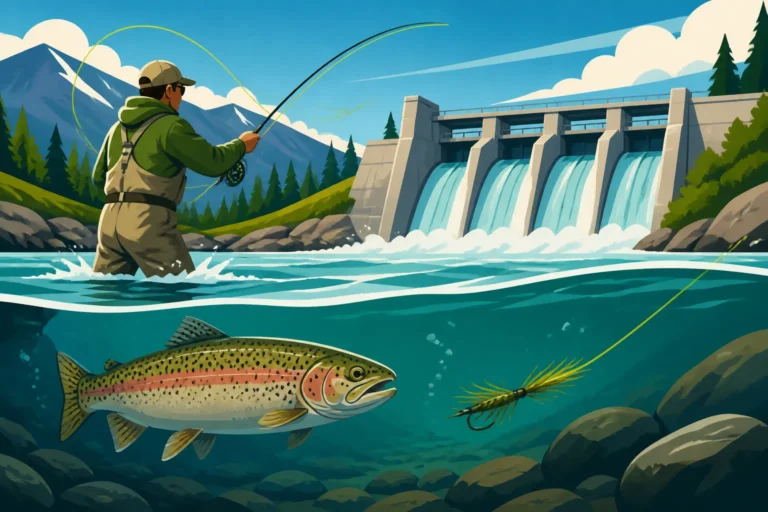
Trout will actively seek out areas with higher DO, even if the temperature isn't absolutely ideal. This is why you might find fish congregating below a waterfall or in the riffles of a river, where the water is turbulent and therefore well-oxygenated. Monitoring DO levels can be tricky for the average angler, but understanding the relationship between temperature, current, and oxygen is key. When in doubt, areas with good flow and cooler temperatures are usually your best bet for healthy, active trout.
Barometric Pressure and Weather Changes
Trout, like many fish, are sensitive to changes in barometric pressure, which often precedes major weather shifts. A rapidly falling barometer, indicating an approaching storm, can sometimes trigger a feeding frenzy. Fish might sense the impending change and feed aggressively before conditions turn sour. Conversely, a high, stable barometer often means clear skies and calm weather, which can sometimes lead to slower fishing, especially in clear, shallow waters where trout become more wary.
A sudden cold front after a warm spell, even if the water temperature doesn't drop drastically, can shut down the bite completely. The shock to their system, combined with a rising barometer (indicating clear, post-front conditions), can make trout lethargic and unwilling to feed. Understanding how these larger weather patterns intertwine with daily water temperature fluctuations helps you read the fishing conditions more holistically. It’s all part of learning how to Read Water When Trout Fishing, where you consider every environmental cue available.
Water Clarity and Flow Rates
Finally, water clarity and flow rates play an enormous role, often in conjunction with temperature. During spring runoff, as mentioned, cold, turbid water can make fishing tough. The lack of visibility means trout rely more on their lateral lines to detect prey, and they'll be less likely to chase. In these conditions, darker, more silhouetted lures or flies, often fished slowly and deep, tend to be more effective.
Conversely, extremely clear, low-flow water (often seen in late summer or fall in a low-water year, or during a drought where How Wyoming's Snowpack Affects Summer Fishing has been impacted) can also be challenging. While the temperature might be perfect, trout become incredibly spooky in gin-clear conditions. You'll need longer, lighter leaders and a much more stealthy approach to avoid alerting them to your presence. These conditions often demand smaller, more natural presentations. The ideal scenario is usually slightly stained water with a moderate flow, allowing trout to feel secure while still being able to see and ambush prey effectively.
Ultimately, by keeping an eye on your water thermometer, observing the behavior of the fish, and paying attention to the broader environmental context, you'll dramatically improve your chances of success and gain a deeper appreciation for the intricate world of Wyoming's trout.
Disclaimer
Fishing regulations, water access, and conditions can change rapidly in Wyoming. Always consult the latest Wyoming Game and Fish Department regulations booklet and check for any emergency closures or restrictions before heading out. Safety should always be your top priority.