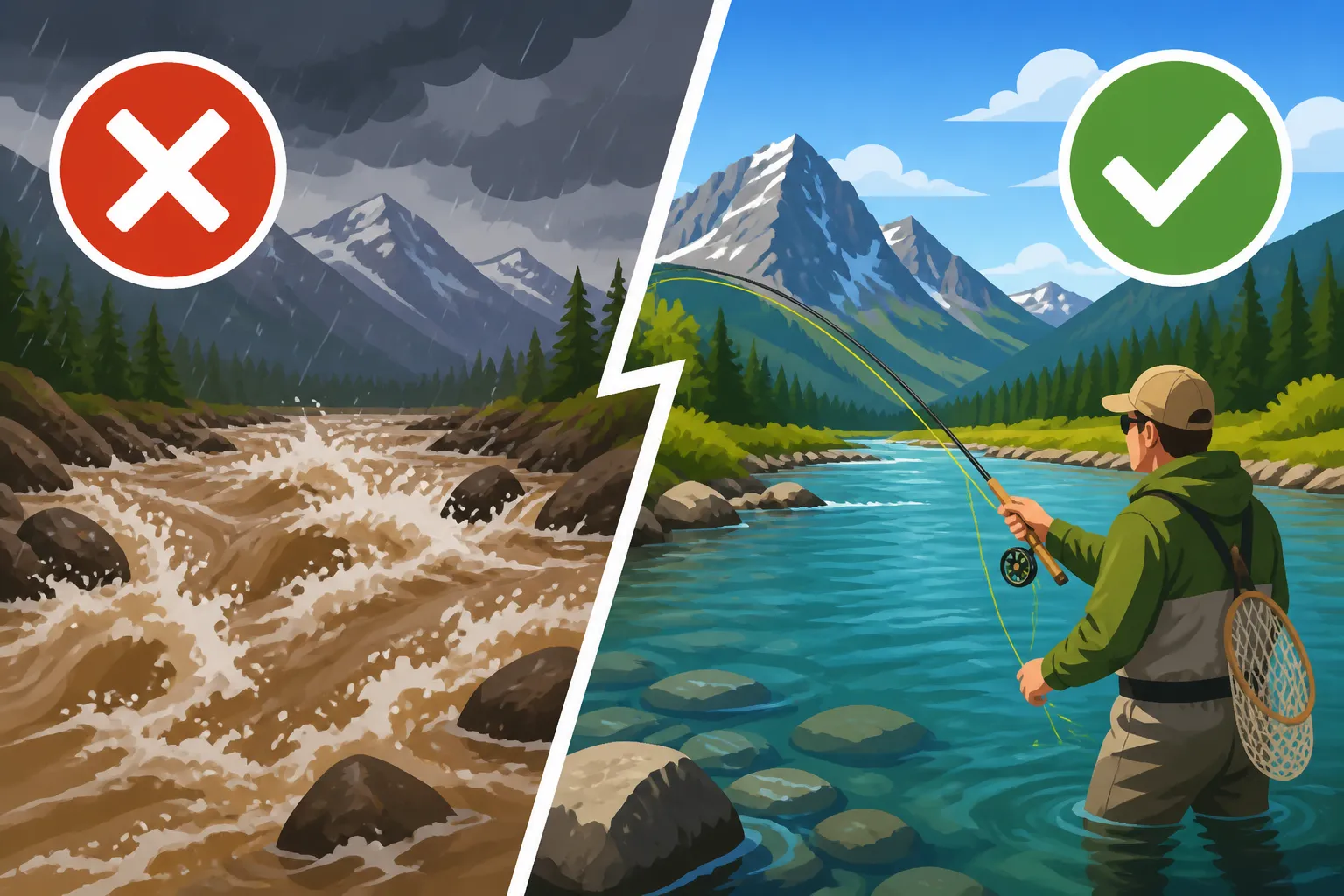
Is Runoff Season a Bad Time to Fish Wyoming Rivers?
It's a question that plagues every angler looking to hit Wyoming's incredible rivers in the spring: is runoff season actually a bad time to fish? The short answer is, not necessarily! While the swollen, murky waters can look intimidating and certainly change the game, runoff actually presents unique opportunities for dedicated anglers. This guide will dive deep into understanding Wyoming's runoff, debunking common myths, and equipping you with the strategies to find success when the rivers are raging.
Understanding Wyoming's Runoff Phenomenon
For many, the sight of a river turning into a chocolate milkshake can be disheartening. It feels like all your favorite fishing spots just vanished under a torrent of cold, fast water. But to truly understand why runoff isn't always "bad," we first need to grasp what's actually happening out there on the water.
What Causes Runoff in Wyoming's Rivers
Wyoming's fishing season is intimately tied to its unique geography and climate, primarily its massive snowpack. Runoff season is, quite simply, the period when the accumulated snow and ice from the high country mountains begin to melt rapidly, swelling streams and rivers. This isn't just a trickle; it's a significant hydrological event driven by rising temperatures, especially during late spring and early summer. The volume of water can be staggering, picking up sediment and debris along the way, which gives the water that characteristic "off-color" or muddy appearance. It's Mother Nature's way of replenishing the river systems after a long winter, and while it might look chaotic to us, it's a vital part of the ecosystem.
Timing and Regional Variations
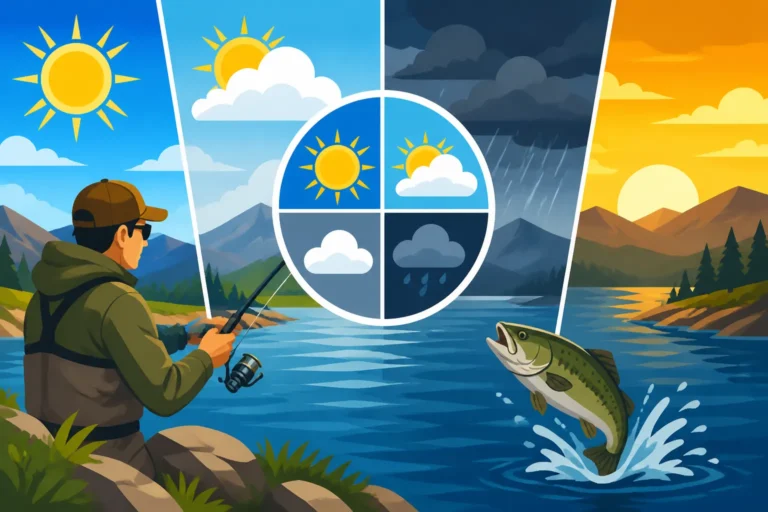
The exact timing of runoff can vary wildly across Wyoming, depending on the elevation, latitude, and the severity of the winter's snowpack. Generally, you'll see lower elevation rivers start to rise first, often as early as April, while high-alpine streams might not experience their peak runoff until late June or even July. For example, the North Platte River might experience its peak runoff in May or early June, while a stream high in the Wind River Range could be unfishable until the end of July. Factors like unusually warm spring days, sudden heavy rains, or even prolonged cold snaps that delay the melt can all influence the intensity and duration of the runoff. It's never a set schedule, which is why checking current river flows and conditions is absolutely paramount before heading out. The Wyoming Game and Fish Department website is an invaluable resource for this, along with local fly shops that have real-time reports. You can usually get a good sense of the annual patterns by looking at a Wyoming Fishing Seasons Month by Month guide.
Debunking the Myths: Why Runoff Isn't Always a Bust
It's easy to look at a high, turbid river and assume the fish have packed their bags and left for clearer waters. This common misconception often leads anglers to put away their rods until the water drops and clears. However, this couldn't be further from the truth. While the fishing certainly changes, it doesn't necessarily get "worse"—it just requires a different approach.
Fish Behavior During High Water
Trout and other game fish in Wyoming are incredibly resilient and adaptable creatures. They don't just disappear during runoff; they adjust their behavior to cope with the increased flows and turbidity. Instead of actively feeding in the main current, they'll seek refuge in slower pockets of water, behind large rocks, in eddies, or along the banks where the current is less strenuous. Crucially, the high water often dislodges a bounty of food, from worms and aquatic insects to small baitfish. This makes fish incredibly opportunistic feeders during runoff. They're often hunkered down, waiting for an easy meal to drift by. Their visibility might be reduced, but their sense of smell and lateral line (which detects vibrations) become even more critical, allowing them to hone in on food even in murky conditions. Understanding this shift in behavior is the first step to successful Fishing Wyoming During Spring Runoff.
Less Crowds and More Solitude
Let's be honest: Wyoming's blue-ribbon rivers can get crowded, especially during peak season. One of the undisputed advantages of fishing during runoff is the sheer lack of other anglers. Most fair-weather fishermen shy away from the challenging conditions, leaving vast stretches of water largely untouched. This means you can often find solitude in places that would normally be shoulder-to-shoulder with other anglers. For those who value the peace and quiet of the outdoors as much as the thrill of the catch, runoff offers a truly unique experience. You're not just fishing; you're often exploring, finding hidden pockets and seams that might be overlooked in clearer, lower flows. It's an opportunity to truly connect with the wildness of Wyoming's rivers without the constant pressure of other people.
Strategic Approaches to Runoff Fishing Success
Fishing during runoff demands a shift in tactics. What works on a clear, low-flow river will likely fail when the water is high and muddy. The key is to understand the challenges and adapt your presentation and fly or lure selection accordingly. It’s all about getting your offering to where the fish are holding and making it irresistible.
Reading the Water in Challenging Conditions
This is perhaps the most critical skill to master during runoff. The fast, churning water can make a river look featureless, but careful observation will reveal seams, eddies, and slower pockets where fish are likely to congregate. Look for areas where the main current meets slower water, creating a distinct "seam" – fish will often hold just out of the main current in these zones, waiting for food to drift by. Pay close attention to structure: large rocks, fallen trees, and undercut banks all provide excellent refuge from the swift current. Any place where the water slows down, even slightly, is a potential holding lie. This includes the inside bends of a river, gravel bars that break the current, and even small back channels. The slower water near the banks is often a prime spot, as fish don't have to fight the main flow as much. Learning How to Fish Muddy Water During Runoff requires a keen eye for these subtle changes in current speed and direction.
Bait and Lure Selection for Turbid Water
When visibility is low, fish rely more on scent and vibration. This means brightly colored, large, and sometimes noisy baits or lures can be incredibly effective.
- Natural Baits: Worms, especially large nightcrawlers, are a go-to during runoff. They emit strong scents, are easy for fish to detect, and are a natural food source dislodged by high water. Eggs are another fantastic option, whether in natural form (like salmon eggs) or artificial variations like PowerBait.
- Spinners and Spoons: For hardware anglers, larger, brighter spinners and spoons with plenty of flash and vibration are excellent choices. Brands like Mepps, Panther Martin, or Kastmaster spoons in gold, silver, or fluorescent colors can really stand out in murky water. The flash catches what little light penetrates the water, and the vibration alerts fish to their presence.
- Soft Plastics: Grubs, tubes, and paddle-tail swimbaits in bright colors (chartreuse, orange, white) or dark, silhouetted colors (black, purple) can be very effective. Jigging these along the bottom in slower water can trigger aggressive strikes.
- Fly Fishing: For fly anglers, forget the delicate dry flies. This is streamer and nymphing territory. Large, dark streamers like Woolly Buggers (black, olive, brown) or articulated patterns that push a lot of water are excellent. Nymphs should be heavily weighted and larger than usual, mimicking stoneflies, caddis larvae, or large annelids (worms). Glo-bugs or egg patterns can also be deadly. You can find a vast array of these specialized lures and flies on online retailers like Amazon, making it easy to stock up for runoff season.
Weighting and Presentation Techniques
Getting your offering down to the fish is paramount. With fast currents, lightweight presentations will simply be swept away above the fish's strike zone.
- Heavier Weights: Whether you're bait fishing or nymphing, use enough weight to get your bait or fly ticking along the bottom. This might mean larger split shot, heavier jig heads, or tungsten-beaded flies. The goal is to present your offering naturally at the depth where fish are holding, which is usually near the bottom.
- Short Leader/Tipper: In murky water, fish aren't as leader-shy. You can often get away with shorter, heavier leaders or tippets, which makes turning over heavier rigs easier and gives you more control.
- Slower Retrieve (Lures): When using lures, a slower, more deliberate retrieve allows the fish more time to locate and strike. Focus on bumping the bottom or maintaining contact with structure.
- High-Sticking/Tight-Line Nymphing: For fly fishermen, techniques like high-sticking or tight-line nymphing help maintain contact with your flies and control your drift, preventing them from being swept downstream too quickly. This is crucial for presenting your flies effectively in high and off-color water.
- Upstream Casts: Casting slightly upstream and allowing your offering to drift naturally downstream into holding water is a classic tactic that still works wonders in runoff. This gives your bait or lure time to sink and present itself to waiting fish.
Safety First: Navigating High and Fast Waters
This cannot be stressed enough: safety is paramount during runoff. High water can be incredibly dangerous, even for experienced anglers.
- Wading Staff: A sturdy wading staff is an absolute non-negotiable. It provides a crucial third point of contact and allows you to test depth and current strength before taking a step.
- Personal Flotation Device (PFD): If you're wading in deep or swift currents, consider wearing a PFD. It could save your life if you take an unexpected tumble.
- Buddy System: Never fish alone during runoff. Always go with a friend or let someone know exactly where you're going and when you expect to return.
- Footing: The bottom of a river can change dramatically during runoff, with currents shifting gravel and creating new holes. Shuffle your feet rather than taking big steps to avoid losing your balance.
- Avoid Unknowns: If a section of water looks too fast, too deep, or too muddy, err on the side of caution and find a safer spot. There's always another bend in the river. You should always be aware of Where to Check Current Wyoming Water Closures as high flows can sometimes lead to temporary fishing closures for safety reasons.
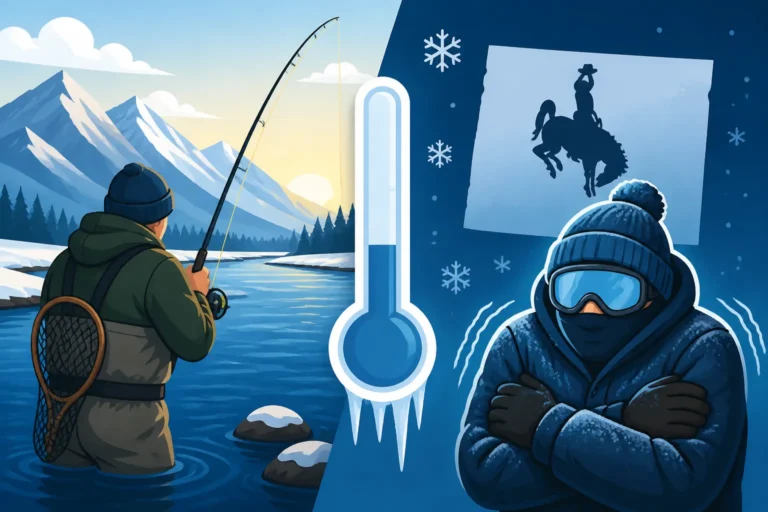
- Layers: Even if the air temperature is warm, the water will be cold. Wear insulating layers, even under waders, to protect against hypothermia if you do get wet. A good pair of waders and warm base layers, often found on Amazon, are essential for comfort and safety.
Best Bets for Runoff Fishing in Wyoming
While many rivers will be raging, some locations and species offer better opportunities during the runoff period. It's about knowing where to look and what to target.
Targeting Specific Rivers and Sections
Not all rivers, or even sections of the same river, respond to runoff in the same way.
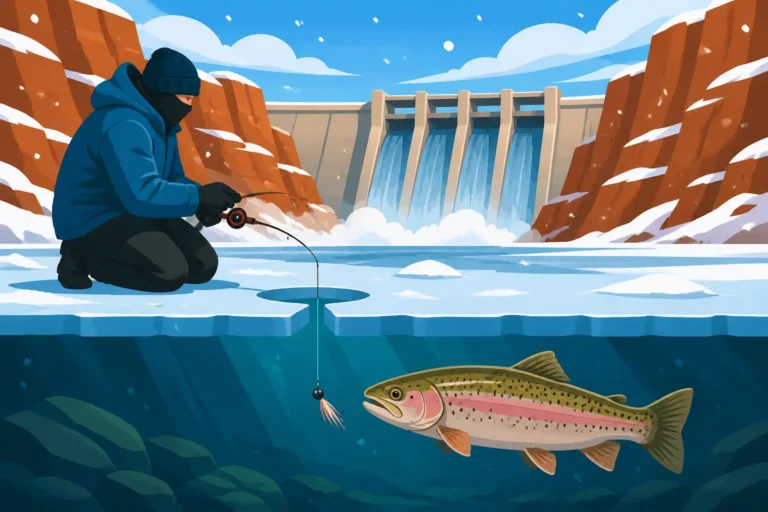
- Tailwaters: Rivers below large dams, often called "tailwaters," are frequently the best bet during runoff. Dams regulate water flow, meaning tailwaters often remain fishable (though still potentially high) even when upstream sections are raging. The water also tends to be clearer due as the dam acts as a massive settling pond. Good examples in Wyoming include sections of the North Platte River below Pathfinder or Seminoe Reservoir, and the Green River below Fontenelle Dam.
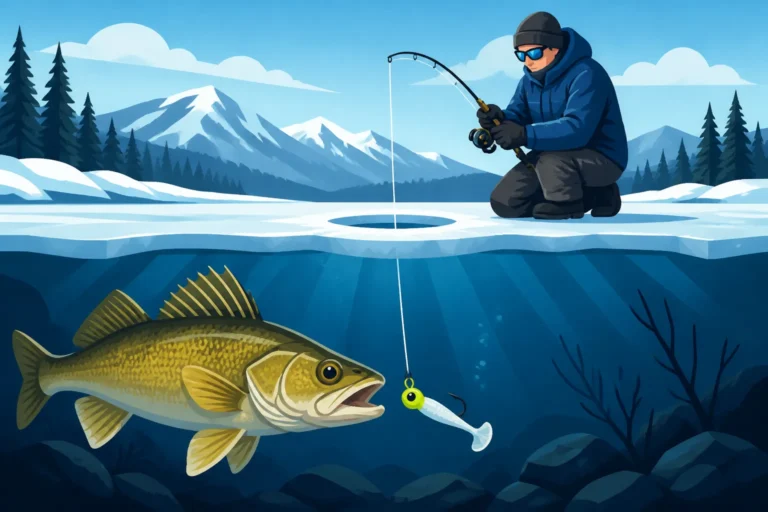
- Lakes and Reservoirs: Lakes and reservoirs are far less affected by river runoff. While tributary inlets might be muddy, the main body of water often remains clear and provides excellent fishing. As rivers dump nutrients into these larger bodies of water, it can actually stimulate fish activity. Large lake trout in Flaming Gorge Reservoir or walleye in Boysen Reservoir might be actively feeding in the transition zones where the incoming river water meets the main lake. This is a great alternative if rivers are simply too high.
- Small Tributaries: Sometimes, smaller tributaries that drain less snowpack or are at lower elevations will clear up faster than the main river. These can be hidden gems for eager trout.
- River Edges: Even on raging rivers, the very edges and back eddies can hold fish. Look for areas where the current is significantly slower, often close to the bank, and focus your efforts there. It can be challenging to access some of these spots safely, but they can be incredibly productive.
Resilient Species During Runoff
Certain fish species are more tolerant of high, cold, and turbid water, making them prime targets during runoff.
- Brown Trout: Known for being hardy and aggressive, brown trout often feed actively during runoff. They're opportunistic predators and will eagerly strike larger, darker flies and lures that represent dislodged baitfish or worms. Their tendency to hold tight to cover also makes them a good target in the slower, protected waters.
- Rainbow Trout: While some rainbows might be more sensitive, robust, wild populations and newly stocked rainbows (especially those from state hatcheries that are used to less-than-pristine conditions) can be found aggressively feeding in calmer pockets. They often key in on nymphs and worms. Many of Wyoming's stocked rainbow trout come from a robust program.
- Walleye and Smallmouth Bass (in Reservoirs): If you pivot to reservoirs during runoff, walleye and smallmouth bass can offer fantastic action. Walleye are often stimulated by the influx of nutrients and prey from swollen rivers, moving into shallower areas to feed. Smallmouth bass, too, will feed aggressively in rocky areas, often relating to submerged structure. For targeting these species, you might find specific gear or tips in guides like Best Lures for Smallmouth Bass in Wyoming Reservoirs.
Essential Gear for Runoff Adventures
You wouldn't go hiking in the high country without the right boots, and you shouldn't face runoff season without the right fishing gear. Being prepared makes a huge difference in comfort, safety, and success.
Protective Outerwear and Waders
- Breathable Waders: A good pair of chest waders is non-negotiable. Not only do they keep you dry, but they also provide an essential layer of insulation against the cold water. Look for durable, well-fitting waders that can withstand snags and provide comfort for long hours on the water. Many anglers find durable options from companies like Simms or Orvis, which are also often available on Amazon.
- Wading Boots with Good Traction: Felt soles are excellent for slippery rocks, but many areas prohibit felt to prevent the spread of invasive species. Rubber soles with studs or aggressive tread patterns are a great alternative. Safety is paramount when wading in swift, cold water.
- Waterproof Rain Jacket and Pants: Runoff season often coincides with unpredictable spring weather. A high-quality waterproof and windproof jacket is essential, and waterproof pants or bibs add an extra layer of protection, especially when wading in deeper water.
- Layering: Underneath your waders and waterproof shell, dress in layers. Start with moisture-wicking base layers, add a fleece or synthetic mid-layer for warmth, and adjust as needed. Avoiding cotton is key, as it loses its insulating properties when wet.
Rods, Reels, and Line
- Heavier Rods: For fly fishing, a 6 or 7-weight rod (9-10 feet) is often ideal for throwing larger, heavier flies and managing strong currents. For spin fishing, a medium to medium-heavy action rod (6.5-7.5 feet) with a strong backbone is best for casting heavier lures and fighting fish in current.
- Stronger Line: Monofilament or fluorocarbon lines in the 8-12 lb test range are suitable for spin fishing, offering strength and abrasion resistance. For fly fishing, heavier tippet (1X-3X) is often necessary to prevent break-offs from larger flies or aggressive takes.
- Reliable Reels: A reel with a smooth, strong drag system is crucial for handling powerful fish in fast currents. It needs to be able to stand up to the elements and any accidental bumps or drops that can occur on a slippery riverbank.
Essential Accessories
- Wading Staff: As mentioned, this is a must-have safety item.
- Forceps/Pliers: For safely removing hooks, especially from aggressively biting fish or in cold conditions.
- Net with a Long Handle: A net with a longer handle can be incredibly helpful for landing fish in higher water, keeping you further from the edge and reducing the risk of a fall.
- Hat and Polarized Sunglasses: A hat provides sun protection and helps reduce glare, while polarized sunglasses are essential for spotting fish and reading subtle changes in water structure, even in turbid conditions. You can often find great deals on these items on Amazon.
- Warm Gloves: Even if the air isn't freezing, hands can get painfully cold when repeatedly exposed to frigid water. Neoprene or wool gloves can make a huge difference in comfort.
By preparing for the conditions, understanding fish behavior, and adapting your techniques, you can turn what many perceive as a "bad" time into some of the most rewarding fishing experiences Wyoming has to offer. Just remember to prioritize safety above all else.
| Aspect | Common Perception (Negative) | Reality / Opportunity (Positive) |
|---|---|---|
| Water Clarity | Muddy, impossible to see fish | Fish rely on scent & vibration; use brighter/darker, larger baits |
| Current Speed | Too fast, can't hold fish | Fish seek refuge in slower pockets & eddies, concentrating them |
| Fish Activity | Shut down, not biting | Aggressive feeding on dislodged food; more opportunistic |
| Angler Crowds | Everyone is out | Significantly fewer anglers; more solitude and prime spots |
| Wading Safety | Too dangerous, easy to fall | Requires extra caution and gear (wading staff, PFD) but manageable |
| Gear Required | Same as always | Calls for heavier rods, stronger lines, specialized baits |
| Overall Value | Waste of time | Unique challenge, rewarding catches, less pressured fish |
Disclaimer
Fishing in Wyoming's rivers during runoff season carries inherent risks due to high water flows and cold temperatures. Always prioritize personal safety. This guide provides general information and should not replace local expert advice, current regulations, or common sense. Conditions can change rapidly, so always check local river flows and weather forecasts before heading out.