How to Fish a Tailwater Below a Dam
Stepping up to a tailwater below a dam can be both incredibly exciting and a little bit daunting, can't it? Many anglers find themselves staring at these seemingly perfect stretches of river, wondering why the fish aren't biting, despite the clear water and constant flow. This guide is here to demystify tailwater fishing in Wyoming, breaking down the unique characteristics of these fisheries and offering practical strategies to help you hook into some truly remarkable trout.
The Unique World of Tailwaters: Understanding Their Dynamics
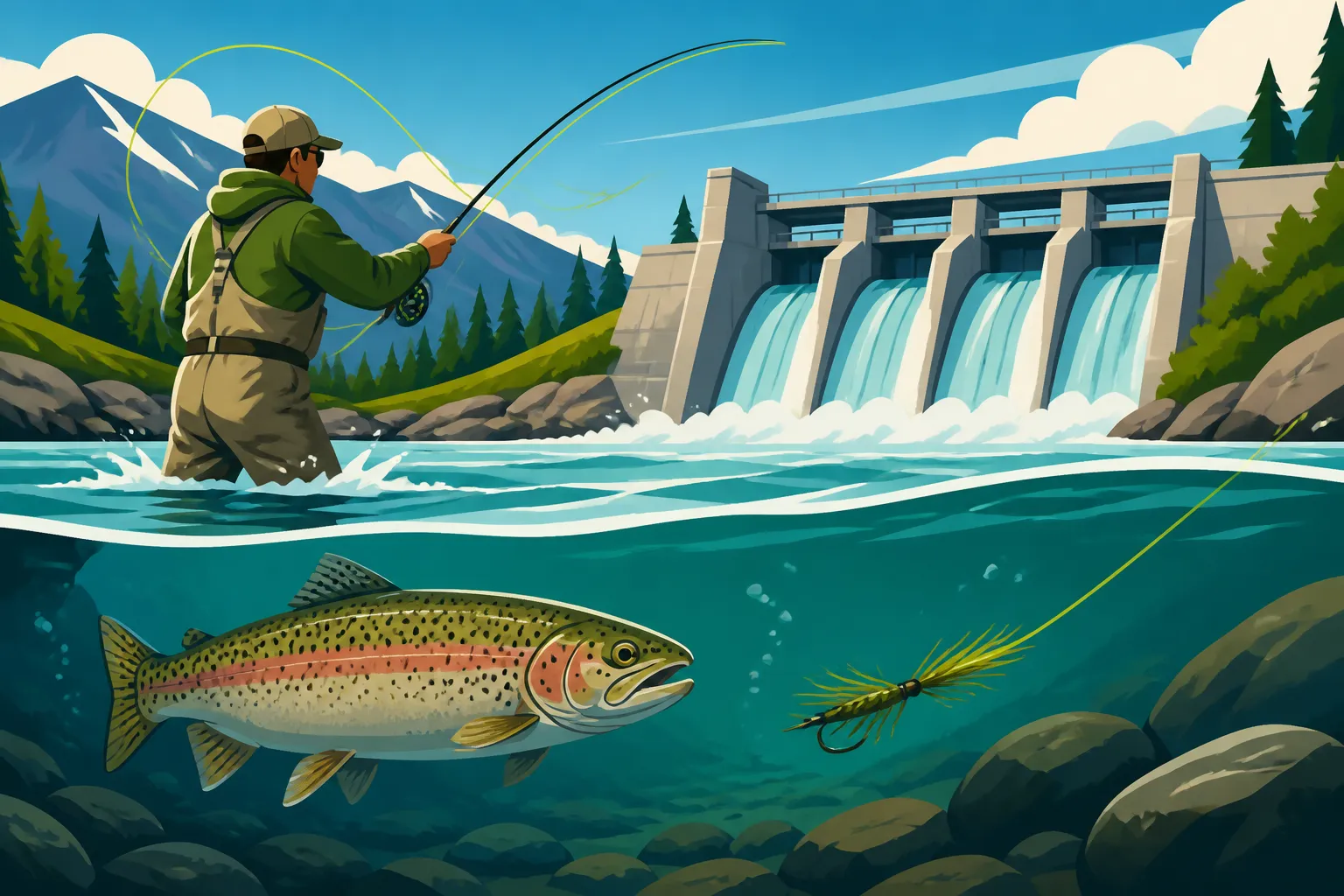
Tailwaters are those stretches of river directly downstream from a dam or reservoir. Unlike natural rivers that are at the mercy of seasonal snowmelt and rainfall, tailwaters have their flows and, critically, their temperatures largely regulated by the dam upstream. This manipulation creates a distinct aquatic environment, often a haven for trout, but one that demands a slightly different approach from the angler.
Consistent Water Flows and Temperatures
One of the most defining characteristics of a tailwater is its stability. While upstream sections of a river might fluctuate wildly with spring runoff or summer droughts, the water released from a dam tends to be much more consistent. This consistency is a huge boon for aquatic life, especially the insects that trout depend on. The water typically comes from the cooler, deeper parts of the reservoir, meaning it often stays cool even in the heat of summer, providing an ideal thermal refuge for cold-water species like trout. This stable temperature is a key factor in How Water Temperature Changes Wyoming Trout Behavior, keeping trout active and feeding year-round.
However, "consistent" doesn't mean "unchanging." Dams release water for various reasons: irrigation, power generation, or flood control. These releases can cause daily or even hourly fluctuations in water levels and flow rates, which drastically affect where fish position themselves and how they feed. A river that was perfectly wadeable in the morning might be a raging torrent by afternoon. Always be aware of the dam's release schedule if possible, or at least watch the water levels closely. These shifts, while sometimes inconvenient, can also trigger feeding frenzies as new food items are dislodged or currents bring meals closer. Understanding these subtle shifts is crucial to mastering how to fish a tailwater below a dam.
Rich Food Sources and Thriving Ecosystems
Because of their stable flows and cool temperatures, Wyoming's tailwaters are often incredibly productive fisheries. The regulated environment fosters dense populations of aquatic invertebrates – think scuds, sowbugs, midges, caddis, and mayflies. These insects don't get flushed out as easily as they might in a freestone river, allowing them to proliferate and become a steady food source for trout. This abundance of food means trout in tailwaters often grow larger and fatter than their counterparts in less stable environments.
Beyond the insect life, tailwaters can also support significant populations of other forage, such as baitfish like sculpins, and even small crayfish in some areas. This diverse menu allows trout to bulk up quickly. It's not uncommon to find truly impressive fish in these sections of river, making them prime destinations for trophy hunters. The steady diet often means the trout are less "picky" about what they eat, as long as it's presented correctly. The richness of these ecosystems is what makes stretches like The Miracle Mile Stretch of Wyoming's North Platte River so legendary.
Gearing Up for Wyoming Tailwater Success
Having the right equipment won't guarantee a fish, but it certainly puts the odds in your favor, especially when dealing with the nuanced conditions of a tailwater. You don't need to break the bank, but investing in a few key items tailored for this environment will make a huge difference in your enjoyment and success.
Rods, Reels, and Lines
For general tailwater fishing, especially if you're planning on nymphing (which you probably will be!), a longer fly rod is incredibly advantageous. Think a 9.5 to 10-foot rod in a 5 or 6-weight. The extra length helps with line control, mending, and keeping your flies drifting naturally without dragging. It also provides better leverage for fighting larger fish and picking up long lines. For instance, when you’re executing Nymphing Techniques for Wyoming Tailwaters, that extra reach can be a game-changer for precise drifts. If you prefer spin fishing, a sensitive medium-light action rod in the 6-7 foot range with a fast tip can detect subtle bites and handle lighter lines well.
Your reel should be reliable with a smooth drag system, especially if you're targeting those larger, hard-fighting tailwater trout. For fly fishing, a weight-forward floating line is standard for most applications, but consider having a sink-tip line if you plan on throwing larger streamers in deeper, faster currents. For spin anglers, braided line with a fluorocarbon leader is a popular choice, offering sensitivity and low visibility. You can find a great selection of reputable brands and specific weights on sites like Amazon.
Essential Terminal Tackle and Fly Selection
This is where the rubber meets the road. Tailwater trout can be incredibly discerning, so having a well-stocked fly or lure box is crucial.
For the Fly Angler:
- Nymphs: These are your bread and butter. Think about small patterns that imitate midges (zebra midges, larva), mayflies (pheasant tails, hare's ears, RS2s), and caddis (LaFontaine's Sparkle Pupa, caddis larva). Scuds and sowbugs are also huge in tailwaters. Have them in various sizes (16-22) and beadhead options for weight.
- Streamers: For targeting those aggressive, meat-eating brown trout, streamers are a must. Patterns like Woolly Buggers, Sculpzillas, and Articulated Streamers in olive, black, brown, and white can be incredibly effective. Make sure you have a good selection of these if you're going after Streamer Fishing for Wyoming Brown Trout.
- Dry Flies: While nymphing often dominates, don't neglect dry flies. During specific hatches, tailwaters can offer incredible dry fly action. Have small BWO (Blue-Winged Olive) and Trico patterns (size 18-24), along with caddis (size 14-18) and a few terrestrials for summer.
- Indicators & Weights: Strike indicators (both buoyant and lighter yarn styles) are essential for detecting subtle takes while nymphing. Non-toxic split shot or tungsten putty will help you get your nymphs down to the feeding zone.
- Leaders & Tippet: Fluorocarbon tippet in 4x-6x is preferred for its low visibility and abrasion resistance. Carry a range of sizes to match your fly and water conditions.
For the Spin Angler:
- Small Jigs & Soft Plastics: Micro jigs (1/32 to 1/16 oz) with small plastic bodies resembling scuds, worms, or minnows can be deadly.
- Spinners: Panther Martin, Mepps, and Roostertail spinners in sizes 0-2 are perennial favorites. Experiment with blade colors and body finishes.
- Small Spoons: Tiny Kastmasters or Dardevles can entice strikes, especially in deeper pools.
- Bait: If allowed, PowerBait, worms, or mealworms can be very effective, especially for stocked fish. Always check local regulations on bait use, as some tailwaters might have bait restrictions. You can often find great beginner kits for spin fishing tackle on Amazon that provide a good starting assortment.
Mastering the Techniques for Tailwater Trout
Tailwater fishing demands precision and a bit of finesse. While trout in these environments are often abundant, they can also be highly educated due to constant angling pressure. Presenting your offering naturally is paramount.
Nymphing: The Bread and Butter
Nymphing is, without a doubt, the most consistently effective method for catching trout in tailwaters. The vast majority of a trout's diet consists of subsurface insects, and nymphing allows you to imitate these critical food sources.
Indicator Nymphing: This is probably the most common approach. You'll use a buoyant strike indicator to suspend your nymphs at a specific depth, allowing them to drift naturally with the current. The key is to get your flies down to where the fish are feeding, which is often right on the bottom or just above it. This means using enough weight – whether it's beadhead flies, split shot, or tungsten putty – to achieve that deep, drag-free drift. A common setup involves a larger, heavier nymph (the "point fly") to get depth, and a smaller, lighter nymph (the "dropper") tied off the bend of the first fly. Pay close attention to your indicator; any pause, twitch, or unnatural movement usually signals a take. Learning to set up and fish various Nymphing Techniques for Wyoming Tailwaters is essential for consistent success.
Euro Nymphing (Contact Nymphing): For those looking for a more direct connection to their flies and incredibly sensitive strike detection, Euro nymphing is a powerful technique. Instead of an indicator, a brightly colored sighter line is used, and the angler maintains direct contact with the flies, feeling for subtle takes. This method excels in faster, shallower runs and allows for extremely precise depth control and presentation. It requires a slightly different rod (often longer and softer-tipped) and specialized line, but the results can be phenomenal, especially on picky fish.
Streamer Fishing for Aggressive Predators
While nymphs target the constantly feeding trout, streamers appeal to the predatory instincts of larger, more aggressive fish. This is particularly true for brown trout, which are abundant in many Wyoming tailwaters. Streamer fishing can be less about numbers and more about targeting that one, truly big fish.
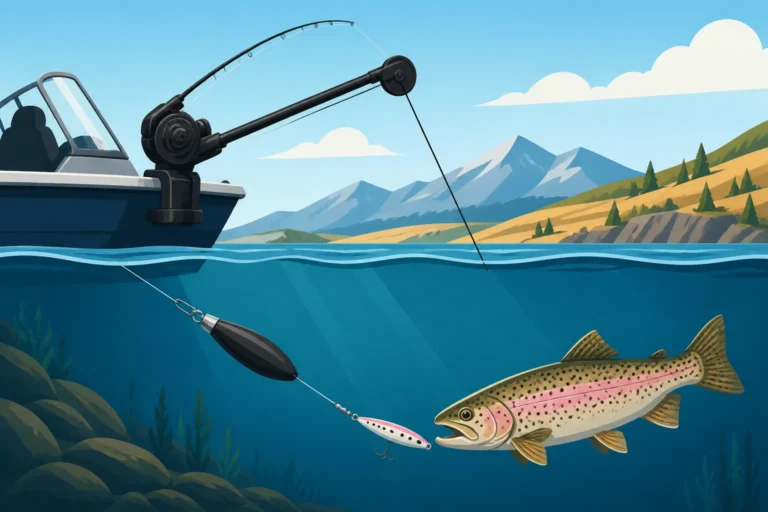
The technique involves casting a fly or lure that imitates a baitfish or sculpin and retrieving it in a way that suggests a wounded or fleeing meal. This often means stripping your fly line in short, erratic pulls, or jigging your lure, to create movement and trigger a strike. Vary your retrieve speed and depth until you find what the fish respond to. Early mornings, late evenings, or overcast days are often prime times for streamer fishing. When considering Brown Trout in Wyoming's Tailwaters, a well-presented streamer can often be the ticket to a trophy catch. Keep an eye on what local guides are using, as their knowledge of specific patterns for specific tailwaters can be invaluable.
Dry Fly Opportunities
While tailwaters are often associated with subsurface fishing, don't underestimate the potential for incredible dry fly action. When insect hatches occur, and they often do in prolific numbers, tailwater trout can rise enthusiastically. These hatches might be prolific swarms of tiny midges on a calm winter afternoon or dense clouds of Blue-Winged Olives in spring and fall.
The key to successful dry fly fishing in a tailwater is accurate identification of the hatching insect and a precise, drag-free presentation. Because the water is often clear and the fish can be educated, long, fine leaders and tippets are often necessary. Cast upstream of a rising fish, allowing your fly to drift naturally over its feeding lane. Sometimes, the trout will be incredibly focused on a specific stage of the hatch (e.g., emergers rather than fully adult flies), so having a variety of patterns in different sizes and stages is helpful. Even though they are often regulated, fish in tailwaters will still react strongly to the natural rhythms of insect life, and a well-timed dry fly presentation can be exhilarating.
Reading the Water and Seasonal Strategies
Knowing how to fish is only half the battle; knowing where to fish, and when, is just as important. Tailwaters, while stable, still have their nuances when it comes to fish behavior and seasonal opportunities.
Identifying Prime Holding Lies
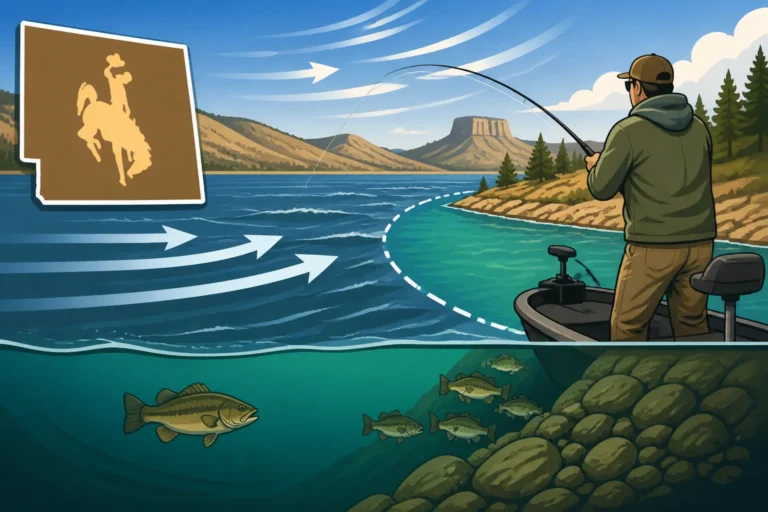
Reading the water in a tailwater is similar to reading any river, but with an emphasis on current seams, depth, and structure. Trout, being efficient predators, will position themselves in places where food is delivered directly to them, without expending too much energy.
- Current Seams: Look for the boundary where fast water meets slow water. Fish will often sit in the slower water, darting into the faster current to grab passing food. These seams are often found along banks, behind large rocks, or where two currents merge.
- Riffles and Runs: While trout might not be visible, riffles (shallow, turbulent water) and runs (deeper, smoother flows) are conveyor belts of food. Fish will often tuck into the deeper parts of these sections, particularly where the bottom provides structure or cover. Understanding Reading Riffles and Runs on Wyoming Trout Streams is crucial.
- Deep Pools: Tailwaters often feature significant deep pools, especially immediately below the dam or where the river bends sharply. These pools offer refuge, especially for larger fish, and can hold substantial numbers of trout. Learning How to Fish a Deep Pool for Big Trout often involves getting your flies down deep and slowly.
- Eddies and Backcurrents: These are spots where the current swirls and slows, collecting food. Trout will often hold in these areas, waiting for a meal to drift into their zone.
- Undercut Banks and Submerged Structure: Any form of cover offers protection from predators and current, making them prime holding lies. Cast your flies or lures tight to these areas.
Tailwater Fishing Through the Seasons
One of the great advantages of tailwaters is their year-round fishability, but each season presents unique opportunities and challenges.
Spring: As spring runoff typically swells natural rivers, many tailwaters remain relatively clear and fishable. This can be a fantastic time for nymphing, as trout are actively feeding and growing after the leaner winter months. Watch for early season hatches of midges and Blue-Winged Olives. However, don't forget that if the dam releases heavy flows to compensate for upstream runoff, the river can become unfishable. This is why Fishing Wyoming During Spring Runoff on tailwaters can be a safer bet than on freestone rivers, provided dam releases aren't extreme.
Summer: While many freestone rivers might get too warm or low in mid-summer, tailwaters often remain cool and productive due to the cold water releases from the reservoir. This means excellent fishing can continue through the hotter months. Dry fly action can pick up with caddis and terrestrial patterns (hoppers, ants, beetles) often becoming effective. Early mornings and late evenings are usually best, but nymphing is often consistent all day long. Tailwaters also tend to be less affected by the summer heat than other rivers.
Fall: Ah, fall! This is often considered prime time for many Wyoming tailwaters, particularly for targeting larger brown trout. As water temperatures begin to cool, brown trout become more aggressive, often going on the prowl for bigger meals in anticipation of their spawning run. This is when streamer fishing can be absolutely phenomenal. Nymphing remains highly effective, and strong BWO hatches can provide some superb dry fly opportunities. Many anglers consider a fall trip to Fishing Gray Reef on Wyoming's North Platte River to be a highlight of their fishing year.
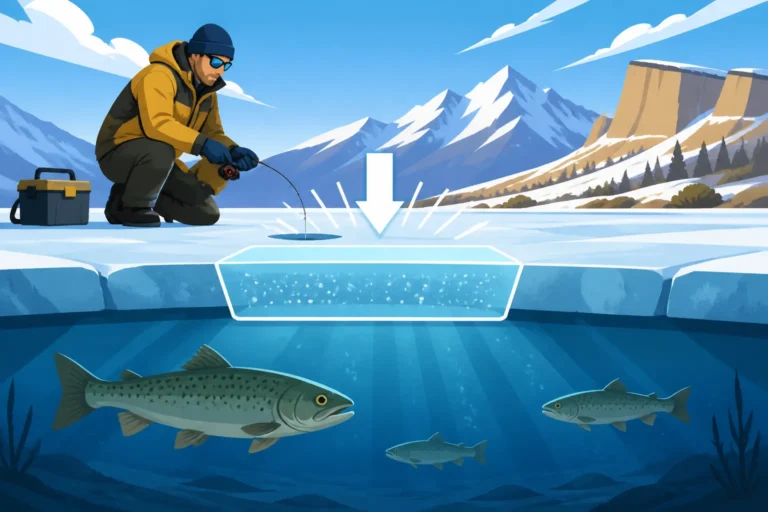
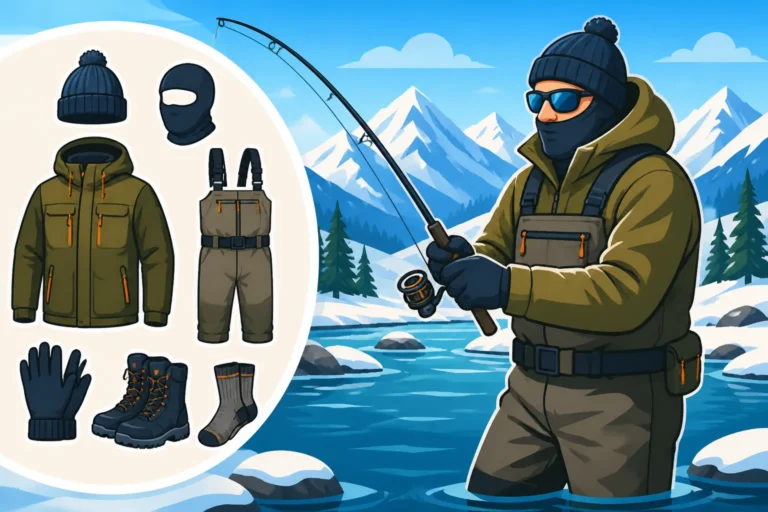
Winter: This is where tailwaters truly shine, especially compared to frozen or sluggish natural rivers. Thanks to the stable, often warmer-than-air temperatures of the released water, tailwaters can offer exceptional winter fishing. Midges are often the dominant insect, and ultra-small nymph patterns can lead to incredibly rewarding days. While the bites can be subtle and the takes soft, the sheer number of active fish can be surprising. Dress warmly, layer up, and be prepared for some surprisingly good action. There's a reason Why Tailwaters Fish Well in Winter, and if you combine that with knowing the Best Winter Fishing Technique Below Flaming Gorge Dam, you're in for a treat.
No matter the season, patience and persistence are your best friends on any tailwater. Pay attention to the subtle cues the river gives you, observe what others are doing (respectfully, of course!), and don't be afraid to experiment with different depths, weights, and fly patterns. Every tailwater, like Fishing Wyoming's Green River Below Flaming Gorge Dam, has its own personality, and discovering its secrets is part of the joy of the journey.
| Tailwater Fishing Technique | Best Conditions | Target Species | Key Gear | Tips for Success |
|---|---|---|---|---|
| Indicator Nymphing | Most consistent | Trout (all) | 10' 5wt rod, diverse nymphs, indicators, split shot | Achieve drag-free drift, watch indicator for subtle takes, vary depth |
| Euro Nymphing | Faster, shallower runs; picky fish | Trout (all) | Longer, sensitive rod, sighter line, tungsten nymphs | Maintain direct contact, use micro-movements, practice casting |
| Streamer Fishing | Overcast, low light, fall | Larger Brown Trout, aggressive Rainbows | 6wt-7wt rod, sinking line or heavy leader, variety of streamers | Vary retrieve speed & depth, target structure & current seams |
| Dry Fly Fishing | Active hatches, calm water | Trout (all) | 9' 4wt-5wt rod, fine tippet, specific hatch patterns | Match the hatch, present upstream with a drag-free drift, be stealthy |
Disclaimer
This article is for general informational purposes only and does not constitute professional advice. Laws, prices and regulations vary by location and change over time. Consult a qualified professional for guidance on your specific situation.