Least Crowded Trout Water in Wyoming
There’s nothing quite like the dream of a peaceful day on the water, the only sounds being the whisper of the wind, the rush of the current, and the splash of a rising trout. But let's be honest, that dream often crashes into the reality of crowded popular spots, elbow-to-elbow with other anglers. If you're tired of fighting for a spot on Wyoming's famous rivers and yearn for genuine solitude, this guide is for you. We'll dive deep into finding those less-pressured trout waters where you can truly connect with nature and, hopefully, some unpressured fish.
The Allure of Solitude: Why Uncrowded Waters Matter
For many of us, fishing isn't just about catching fish; it's about the experience, the escape, and the tranquility. When you find yourself casting over another angler's line or constantly worrying about someone walking up behind you, that peace can quickly vanish. Uncrowded waters offer a unique blend of benefits that can profoundly enhance your time on the river or lake.
Beyond the Crowds: The Benefits of Quiet Waters
First and foremost, less crowded waters often mean less pressured fish. Trout in heavily fished areas become incredibly wary. They've seen every fly, felt every hook, and are quick to spook. In contrast, trout in remote or less-visited spots can be more forgiving, more willing to rise to a dry fly, or chase a streamer. This isn't to say they're easy, but they tend to be more "naive," offering a more consistent and often more exciting fishing experience. You'll find yourself able to work a run thoroughly without feeling rushed, experiment with different techniques, and simply enjoy the rhythm of the cast.
Beyond the fish themselves, the psychological benefits are huge. There's a profound sense of accomplishment in finding and successfully fishing a secluded spot. You’re not just an angler; you’re an explorer. The quiet allows you to notice the subtle nuances of the stream, the wildlife around you, and the sheer beauty of the Wyoming landscape. It’s a chance to truly unwind and disconnect from the hustle and bustle of daily life, making the trip feel less like a competitive sport and more like a meditative retreat.
The Reality of "Secret Spots" and the Need for Research
Now, let’s get real for a moment. No seasoned angler is going to publicly broadcast their absolute "secret spots." Those places are earned through countless hours of exploration, maps, and sometimes, a little bit of luck. The idea of "least crowded trout water" is relative; what's uncrowded for one person might feel busy to another. It also depends heavily on the time of year, day of the week, and even the weather.
What we can do, however, is equip you with the knowledge and strategies to find your own quiet corners. This involves understanding water types that naturally see less traffic, learning how to interpret maps, and embracing the willingness to hike, explore, and put in the effort. The goal isn't to hand you a list of GPS coordinates, but to empower you to discover those serene places for yourself. Remember, part of the magic is the discovery. While platforms like FishingBooker are excellent for connecting with guides who know popular, productive waters, finding truly uncrowded spots often requires a more personal, boots-on-the-ground approach or careful consultation with local experts who might point you in the right direction without giving away all their secrets.
Decoding Wyoming's Less-Traveled Trout Rivers and Streams
Wyoming is famous for its blue-ribbon trout streams, but many of these – like sections of the North Platte or the Snake River – can see significant pressure, especially during peak season. To find solitude on moving water, you often need to look for specific characteristics: smaller tributaries, less accessible sections of larger rivers, or simply fishing at times when others aren't.
Seeking Solitude on Tributaries and Smaller Waters
Instead of focusing solely on the "main event" rivers, turn your attention to their tributaries. These smaller streams might not hold the massive trophy trout that the larger rivers are known for, but they often harbor abundant populations of eager brook, rainbow, or even native cutthroat trout. What they lack in size, they often make up for in sheer numbers and aggressive takes. The best part? Many of these streams are too small for drift boats or are located away from major road access points, meaning far fewer anglers.
To find these gems, start by looking at detailed topographic maps or even satellite imagery. Seek out streams that flow into larger, popular rivers but don't have obvious road crossings or developed access points. Public lands, especially National Forests or Bureau of Land Management (BLM) lands, are great places to explore. You might have to hike a bit, bushwhack through some willows, or even cross private land (always ask for permission!), but the reward of an unpressured stream with willing trout is often worth the effort. Learn how to read water when trout fishing, even on these smaller streams, to identify the best holding spots.
Accessible Yet Uncrowded River Sections
Sometimes, even on a well-known river, there are stretches that receive less pressure simply due to access. Consider sections that require a longer walk-in, don't have boat ramps, or are bordered by less appealing terrain for easy wading. For example, some parts of the Wind River (before it becomes the Bighorn) or the Green River away from the Flaming Gorge tailwater, might offer more solitude. These areas might involve rougher roads, steeper banks, or deeper wading, which deters many casual anglers.
Also, think about when you're fishing. Off-season or shoulder-season fishing can dramatically reduce crowds. Fishing Wyoming during spring runoff, for instance, might present challenging conditions, but it also means fewer people. Similarly, late fall or early winter can offer incredible fishing for migrating browns or aggressive rainbows, and the number of anglers dwindles considerably as the weather turns colder. Just be sure to check the specific regulations for the water you're targeting, as Wyoming Fishing Regulations Every Angler Should Know are specific and can change.
| Water Type | Pros | Cons | Accessibility | Typical Trout Size |
|---|---|---|---|---|
| Small Tributaries | Very low pressure, abundant eager fish, true solitude | Smaller fish, can be brushy, difficult access | Often requires hiking/bushwhacking, no boat access | 6-12 inches |
| Remote River Sections | Less pressure than popular stretches, larger fish potential | Longer hike-in, potentially tougher wading | Limited road access, longer walk-ins | 10-20 inches |
| High-Alpine Lakes | Pristine environment, unique fish, ultimate solitude | Significant hike, short season, weather-dependent | Challenging backcountry hike, no road access | 8-18 inches (some larger) |
| Lakes/Reservoirs (Off-Season) | Fewer people, potential for trophy fish, diverse species | Cold weather, less active fish (sometimes), specific gear | Drive-up access, but might require ice fishing gear | Varies widely |
Exploring Secluded High-Alpine Lakes for Pristine Fishing
If truly escaping the crowds is your top priority, there’s perhaps no better option than Wyoming’s high-alpine lakes. These pristine jewels, often nestled above 9,000 feet in the state's various mountain ranges, offer unparalleled solitude, breathtaking scenery, and populations of eager, wild trout.
The Ultimate Escape: Wilderness and Backcountry Lakes
Wyoming's vast wilderness areas and national forests are dotted with thousands of lakes, many of which rarely see an angler. The Wind River Range, the Absarokas, the Gros Ventre, and parts of the Bighorn Mountains all hold incredible opportunities for remote lake fishing. These are the waters where you might encounter golden trout, brook trout, or even rare native cutthroat subspecies that thrive in these cold, clear environments. Imagine catching a vibrant golden trout, its flanks shining like a sunrise, with not another soul in sight. It's an experience that truly defines the "least crowded trout water" dream.
To access these lakes, you'll need to embrace backpacking. This means proper gear, navigation skills, and a good understanding of wilderness etiquette. Depending on the specific lake, it could be a moderate day hike or a multi-day backpacking trip. Always plan meticulously, pack essentials, and be prepared for rapidly changing mountain weather. Consult resources like "Fishing Wyoming's Wilderness and Backcountry Lakes" or "Wyoming's High-Alpine Lakes Worth the Hike" for inspiration and essential preparation tips. Many of these lakes are stocked via helicopter by Wyoming Game and Fish, ensuring robust populations, even in remote locations. For specific guidance on getting there, you might look into "How to Hike In and Fish a Backcountry Lake."
Timing Your High-Altitude Adventure
The season for high-alpine lake fishing is relatively short, typically from late June or early July (after the ice-out) through late September or early October, before the first significant snows. The exact timing depends on the elevation and the year's snowpack. A heavy snowpack year can delay access by several weeks, so keep an eye on "How Wyoming's Snowpack Affects Summer Fishing."
The best time to visit these lakes for solitude is often mid-week, or even better, early or late in the season. While July and August are beautiful, they can also bring more hikers and backpackers to some of the more well-known high lakes. If you're willing to brave cooler temperatures in September or even early October, you might have entire lakes to yourself, with fish feeding actively before winter sets in. Always remember to check the specific fishing regulations for these high-country lakes, as some may have special limits or gear restrictions. "Reading the Wyoming Fishing Regulations Booklet" is a good place to start before heading out.
Strategies for Finding Your Own Quiet Corner
Finding uncrowded water isn't just about knowing where to go; it's about developing a mindset and a set of strategies that lead you to those hidden gems. It requires research, a willingness to explore, and often, a little bit of extra effort.
Leveraging Maps and Local Knowledge
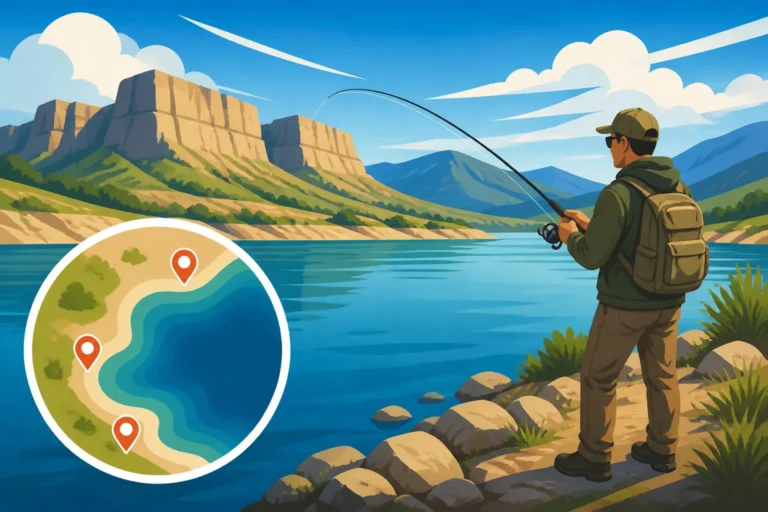
Modern mapping tools, like Google Earth or dedicated hunting/fishing apps such as onX Hunt, are your best friends. Use them to identify areas with limited road access, potential hiking trails, and the confluence of smaller streams with larger rivers. Look for large expanses of public land (National Forests, BLM) that are far from population centers. These are often indicators of less-pressured water. The Wyoming Game and Fish Department also provides excellent online maps and resources that can help you find public access points and identify different water classifications, and you can learn more about this in "How to Find a New Fishing Spot Using Wyoming Game and Fish Maps."
Don't underestimate the power of local knowledge, but approach it respectfully. Chat with local fly shop owners, gas station attendants in small towns, or even other anglers you meet on the water (without being too pushy!). Instead of asking "Where's your secret spot?", try asking "Are there any smaller creeks around here that see less pressure?" or "I'm looking for a quiet place to hike in, any suggestions?" Often, people are willing to share general areas or types of water that fit your criteria without giving away their honey holes. Sometimes, even exploring guided trip options on platforms like FishingBooker can give you hints about less-frequented areas that experienced guides might visit, though a true uncrowded experience usually means going solo.
Embracing the Effort: Hike, WADE, and Explore
The simplest rule for finding uncrowded water is this: the harder it is to get to, the fewer people will be there. If a spot requires a hike, even a mile or two, it will immediately cut down on the number of anglers. If it requires wading through difficult terrain, bushwhacking, or crossing private land (with permission, of course!), even fewer will venture there.
This means being prepared for an adventure. Invest in good hiking boots, a comfortable backpack, and appropriate layers for Wyoming's variable weather. Learn about "What Gear to Pack for a Backcountry Fishing Trip." The trout in these hard-to-reach spots are often less selective, less spooky, and more eager to bite, making the effort immensely rewarding. Don't be afraid to walk past crowded parking areas and explore upstream or downstream, even on popular rivers. Often, just a half-mile walk can put you into an entirely different world, where the trout are "How to Approach Spooky Trout in Clear Water" because they see far fewer anglers. And remember, sometimes the best fishing is during "Best Late-Season Fishing Spots in Wyoming" or other less popular times when others have packed it in.
The beauty of Wyoming fishing is its vastness. With a little research, a dose of determination, and a willingness to explore beyond the obvious, you'll discover those quiet corners where the trout are plentiful, the scenery is unmatched, and the solitude is absolute.
Disclaimer
Please note that fishing regulations in Wyoming can change. Always consult the most current Wyoming Game and Fish Department regulations before heading out. This guide provides general information and should not be taken as legal advice or an exhaustive list of all regulations. Be aware of private land boundaries and always obtain permission before accessing private property. Practice responsible catch-and-release and Leave No Trace principles to preserve these incredible resources for future generations.