Fishing the Bighorn River in Wyoming
The Bighorn River in Wyoming, a name that conjures images of massive trout and pristine waters, can sometimes feel like a well-kept secret, or worse, an intimidating challenge for anglers new to its currents. Many folks struggle to pinpoint the best access points or understand its unique flow and fish behavior. This comprehensive guide aims to unlock the secrets of fishing the Bighorn River, offering practical advice, specific techniques, and insider knowledge to ensure your next outing is both productive and incredibly rewarding.
Understanding the Bighorn River's Unique Character
The Bighorn River in Wyoming is not just another trout stream; it's a tailwater fishery, and that distinction makes all the difference. For those of us who've chased trout in freestone rivers, the Bighorn presents a different set of opportunities and challenges. Its unique hydrology, stemming from the Boysen Dam, creates an environment that fosters robust fish populations and consistent fishing conditions, often defying the whims of Mother Nature that plague other rivers.
The Bighorn's Tailwater Advantage
Originating from the outflow of Boysen Dam, the Bighorn River immediately gains a significant advantage: consistent water temperatures and flows. Unlike rivers fed by snowmelt and rainfall that fluctuate wildly with seasons, the Bighorn enjoys a regulated release from the dam. This means colder, clearer water during summer heatwaves and open, fishable water through much of the winter, providing a year-round fishery that's hard to beat. This stability is a huge boon for trout, leading to healthier fish and more predictable insect hatches, which, in turn, makes for more consistent fishing. It's truly a marvel how this controlled environment creates such a vibrant ecosystem.
Ecological Zone and Water Quality
The consistent flow isn't the only benefit. The water released from Boysen Dam is nutrient-rich, supporting a thriving aquatic insect population – the lifeblood of any good trout stream. This abundance of food, combined with the clear, cold water, means the trout here grow large and are exceptionally healthy. You'll find a wide variety of aquatic insects, from midges and mayflies to caddisflies and stoneflies, making the Bighorn a dream come true for fly anglers trying to "match the hatch." This rich ecological zone also contributes to the clarity of the water, which can be a double-edged sword: fantastic for sight fishing, but it also means the fish can see you, requiring a stealthier approach.
Navigating Public vs. Private Access
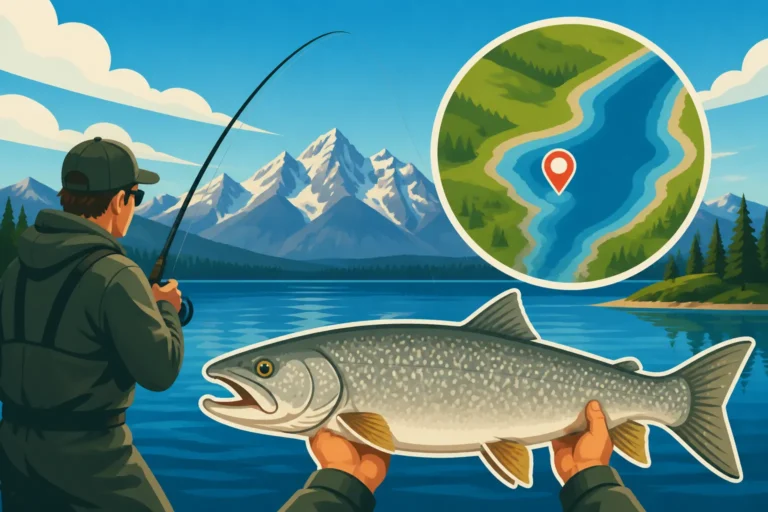
One of the biggest frustrations for anglers new to the Bighorn, and indeed many famous Wyoming rivers, is finding public access. While the fishing is phenomenal, much of the river flows through private land. This can be incredibly disheartening when you're driving along and see perfect runs and pools, only to realize they're off-limits. However, there are public access points, boat ramps, and fishing easements that the Wyoming Game and Fish Department maintains. Knowing where these are, and respecting private property boundaries, is crucial. Sometimes, the best way to ensure you have good access and productive water is to book a trip with a local guide. Services like FishingBooker can connect you with experienced Bighorn guides who know the river inside and out and can navigate these access complexities for you, often with private access agreements. Understanding the regulations for public access is just as important as knowing where to fish, and a quick read of the Reading the Wyoming Fishing Regulations Booklet can save you a lot of headaches.
Target Species and What Makes Them Thrive Here
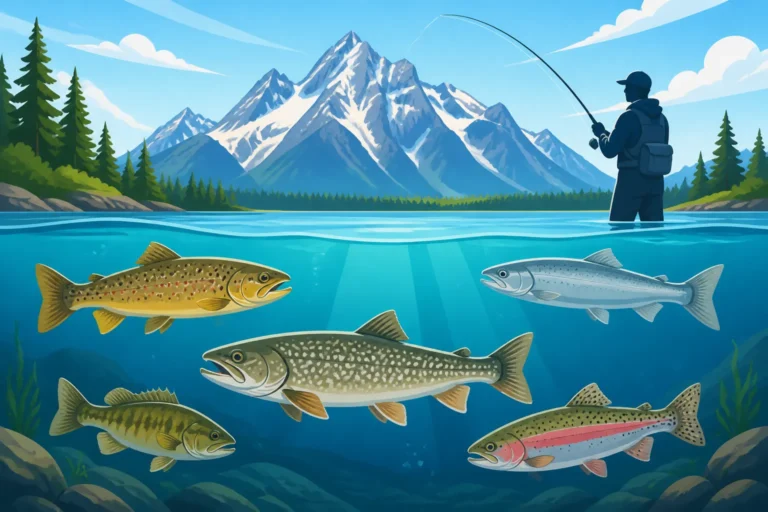
The Bighorn River is renowned for its exceptional trout fishing, primarily featuring two of the most popular species that flourish in its nutrient-rich, consistent flows. While other species might occasionally make an appearance, these two are the undisputed stars of the show, drawing anglers from across the country. Understanding their habits and preferred lies is key to a successful day on the water.
Brown Trout: The Bighorn's Prized Catch
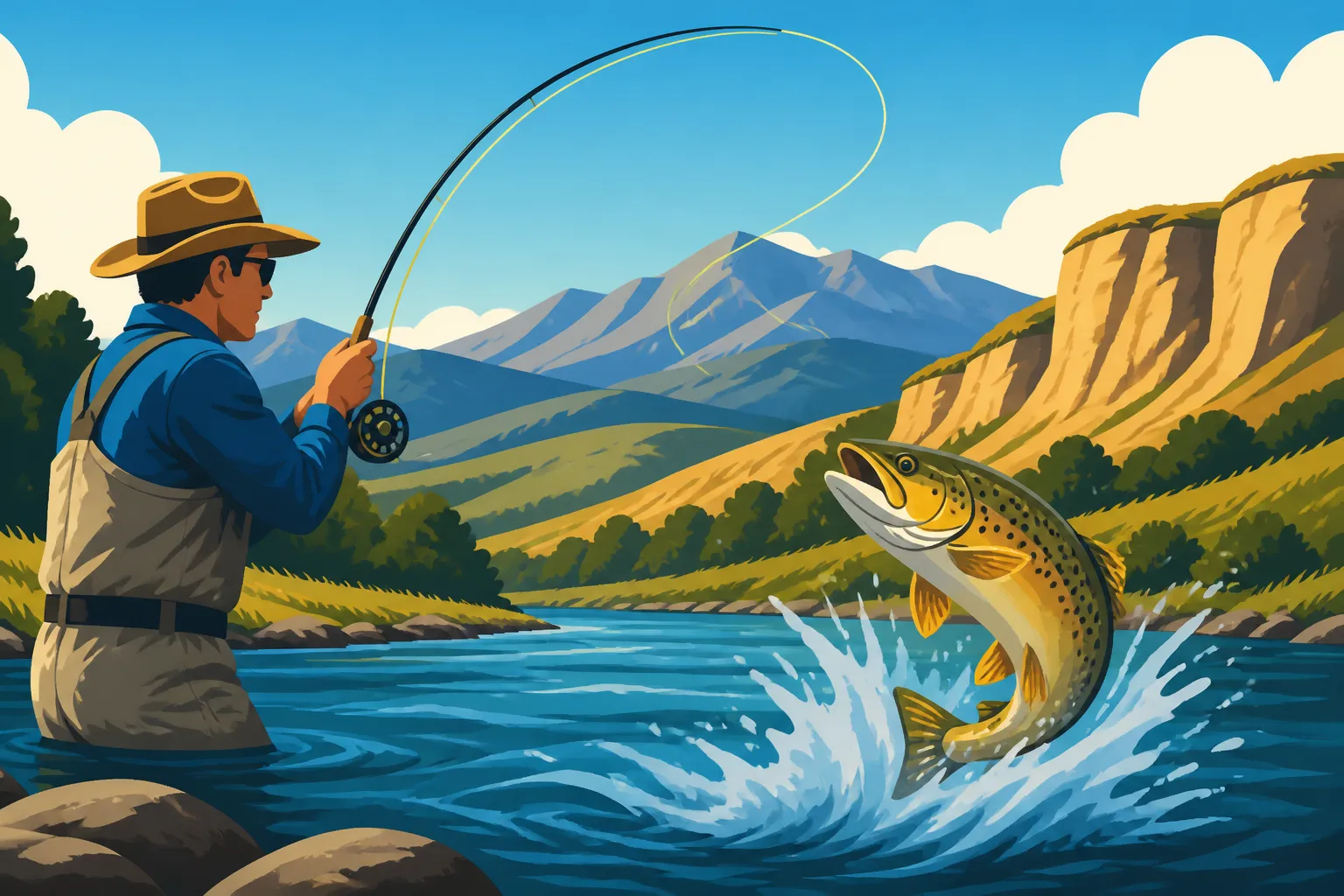
If you're chasing trophy trout, the Bighorn River's brown trout population will not disappoint. These elusive, hard-fighting fish grow to impressive sizes here, thanks to the abundant food sources and stable environment. Brown trout in the Bighorn are often found in deeper pools, undercut banks, and around submerged structure, where they can ambush prey. They are opportunistic feeders, willing to strike at a variety of flies and lures, from large streamers mimicking baitfish to delicate nymph patterns. Many anglers consider a large Bighorn brown trout to be the ultimate prize, particularly during their spectacular fall spawning runs. For a deeper dive into these magnificent fish, check out our guide on Brown Trout Fishing in Wyoming.
Rainbow Trout: Abundance and Action
While the brown trout might be the "trophy" fish, the Bighorn's rainbow trout provide consistent action and incredible sport. These acrobatic fighters are abundant throughout the river and are often more willing to rise to a dry fly or chase a spinner. They thrive in the Bighorn's swift currents and riffles, where oxygen levels are high and insect nymphs drift freely. Rainbow trout are a fantastic target for anglers of all skill levels, offering plenty of strikes and a good fight. Their vibrant colors and spirited takes make them a joy to catch. Learn more about their behavior and best fishing spots in our Rainbow Trout Fishing in Wyoming guide.
Other Species You Might Encounter
While browns and rainbows dominate the Bighorn, you might occasionally hook into other species, especially as you move downstream. Mountain whitefish are common in the colder upper sections, providing consistent action, though they're not typically the primary target for most anglers. Further downstream, particularly as the river widens and warms a bit, you might even find hybrid cutthroat-rainbows (often called "cutbows") or even sauger. However, for the most part, anglers come to the Bighorn specifically for its world-class brown and rainbow trout fishing, and those are the species you should primarily focus on.
Prime Fishing Sections and Access Points
Understanding the Bighorn River means recognizing its distinct personalities as it flows downstream. Each section offers different challenges and rewards, influenced by factors like gradient, width, and proximity to Boysen Dam. Knowing where to go and how to get there is half the battle on a river renowned for its quality fishing.
Below Boysen Dam to Wedding of the Waters
The stretch immediately below Boysen Dam, often referred to as the "Boysen Tailwater," is a cold, clear, and exceptionally productive section. Here, the river is relatively narrow and swift, with a mix of deep runs, riffles, and quiet eddies. This area is fantastic for both nymphing and streamer fishing, as the trout gorge themselves on dam-released insects and baitfish. Access can be a bit tricky, with specific public easements and boat ramps managed by Wyoming State Parks and the Wyoming Game and Fish Department. You'll find access points near the dam itself, as well as downstream a few miles. It’s always a good idea to consult up-to-date maps provided by the Wyoming Game and Fish Department to identify current access points. If you’re coming from upstream, Wyoming's Boysen Reservoir Fishing Guide offers insights into the body of water that feeds the Bighorn.
The Thermopolis Canyon Stretch
As the Bighorn flows past the Boysen Tailwater, it enters the Thermopolis Canyon, sometimes referred to as Wind River Canyon. This is a spectacular, rugged section where the river cuts through dramatic rock formations. While breathtaking, public access here is extremely limited, primarily because much of the land is privately owned or designated tribal lands. The Wind River Reservation borders significant portions of this canyon. If you're keen on fishing this stretch, a guided float trip is often the only viable way to experience it. The canyon stretch is known for large trout, often due to the lack of fishing pressure. Wading here can be hazardous due to swift currents and deep pockets, so floating is generally recommended. Always respect tribal fishing regulations and ensure you have the correct permits if you plan to fish any tribal waters.
Downstream to Lucerne and Beyond
Below the canyons, as the river exits the more confined sections near Thermopolis and moves towards Lucerne, the Bighorn begins to change character. It generally widens, slows down in parts, and warms slightly, especially during the summer months. This section offers a mix of agricultural land and occasional public access points. While still excellent trout water, you might find a greater diversity of fish species as you head further downstream. This area is more conducive to both float fishing and some bank/wade fishing, provided you can find public easements. The fishing pressure can be lower in some of these stretches compared to the famed upper sections, offering a more solitary experience. Local knowledge is invaluable here, and a quick search on a platform like FishingBooker can help you find guides who specialize in these less-traveled parts of the Bighorn, ensuring you don't waste valuable fishing time searching for access.
Effective Techniques for Bighorn River Success
Fishing the Bighorn River is a rewarding experience, but it often demands a thoughtful approach and adaptable techniques. The clarity of the water and the river's diverse structure mean that a one-size-fits-all strategy rarely yields the best results. Whether you're a seasoned fly angler or prefer the simplicity of spin fishing, having a grasp of the river's nuances will significantly increase your success.
Fly Fishing: A Bighorn Staple
Fly fishing is arguably the most popular and often most effective method on the Bighorn River. The rich insect life and the trout's selective feeding habits lend themselves perfectly to presenting artificial flies. Mastering a few key techniques will unlock the river's potential. For more comprehensive insights, consider our guide on Fly Fishing Techniques for Wyoming Trout Streams.
Nymphing and Streamer Tactics
Nymphing is a go-to technique on the Bighorn, especially when fish aren't actively rising. Trout spend the vast majority of their time feeding subsurface on insect larvae and pupae. Using an indicator to detect subtle takes and a combination of weighted nymphs (like a Pat's Rubber Leg, Pheasant Tail, or San Juan Worm) can be incredibly productive. The key is to get your flies down to the fish's feeding lane and achieve a natural drift. Varying your weight and leader length based on water depth and current speed is crucial. Deep runs and riffles are prime nymphing water, where a perfect drift through these zones often results in a strike.
Streamer fishing is another highly effective method, particularly for targeting the Bighorn's large brown trout. These predatory fish often respond aggressively to larger patterns that imitate baitfish (like sculpins or small rainbows). Casting streamers across and down-current, then stripping them back in varying retrieves, can provoke violent strikes. This technique is especially potent in lower light conditions, after a cold front, or during the fall when brown trout are aggressive and preparing to spawn. Fishing around structure, such as submerged logs or undercut banks, is where streamers truly shine, as these are prime ambush points for larger fish.
Dry Fly Opportunities
While nymphing often dominates, the Bighorn River also offers fantastic dry fly fishing opportunities, especially during specific hatches. When a significant hatch of mayflies (like Blue-Winged Olives or Pale Morning Duns) or caddisflies occurs, trout will rise to the surface to feed. This is arguably the most visually exciting form of fly fishing, watching a trout sip your perfectly presented imitation. Timing is everything with dry flies; you need to be on the water when the hatch is happening. Summer evenings can also bring out nocturnal caddis or even terrestrials like hoppers and ants, making for exciting surface action. Pay close attention to rising fish and try to "match the hatch" with flies that closely resemble the natural insects on the water.
Spin Fishing Strategies
While fly fishing gets a lot of attention, spin fishing can be incredibly effective on the Bighorn, especially for beginners or those who prefer a different approach. The key is to select appropriate lures and present them effectively without spooking the wary trout in the clear water.
For spin fishing, light tackle is generally preferred. Ultralight to light spinning rods (6-7 feet long) paired with reels spooled with 4-6 lb test monofilament or fluorocarbon line are ideal. Small spinners (like Panther Martins, Rooster Tails, or Mepps Aglias) in sizes #0 to #2 are highly productive. Focus on natural colors or those with a bit of flash. Small spoons (like Kastmasters or Daredevles) can also work, especially in deeper pools. When fishing with lures, cast upstream or across the current and retrieve just fast enough to get the blade spinning, allowing the lure to drift naturally downstream while maintaining tension. This imitates a wounded baitfish or an insect caught in the current.
In terms of bait, if allowed in your specific section (always check regulations!), PowerBait, worms, or salmon eggs can be very effective, especially for stocked rainbow trout. Rig these on a small hook with a minimal amount of weight to allow a natural drift. Remember to always consult the current Wyoming Fishing Regulations Every Angler Should Know to ensure your chosen method and bait are legal for the section of river you're fishing.
Reading the Water for Holding Lies
No matter your chosen technique, the ability to read the water is paramount on the Bighorn. Trout are constantly seeking three things: food, cover, and favorable water conditions (oxygen, temperature). Look for seams where fast water meets slow water, current breaks behind rocks or logs, undercut banks, and deep pools. These are classic holding lies where trout expend less energy while having easy access to drifting food or protection from predators. Observing the river's currents, identifying subtle changes in depth, and understanding how fish position themselves will elevate your angling game significantly. Our dedicated guide on How to Read Water When Trout Fishing provides even more detailed tips to sharpen this crucial skill.
Seasonal Considerations for Bighorn Anglers
The Bighorn River offers fantastic fishing year-round, but each season brings its own unique set of conditions, insect hatches, and trout behaviors. Understanding these seasonal shifts is crucial for planning your trip and choosing the most effective techniques. It's truly a river that keeps you on your toes, always offering something new with the changing calendar.
Spring: Runoff and Early Hatches
Spring on the Bighorn, generally from March through May, can be a mixed bag but often provides some excellent fishing. While many freestone rivers in Wyoming are experiencing heavy runoff and unfishable conditions, the Bighorn's tailwater status often mitigates the worst of it. The dam regulates the flow, so while some increased turbidity can occur, it's rarely as severe as a typical river. Early spring sees the emergence of midges and blue-winged olives (BWO), offering sporadic dry fly opportunities on warmer, overcast days. Nymphing with imitations of these insects, along with larger stonefly nymphs, is often very productive. As spring progresses, caddis hatches become more prevalent. The fish are hungry after winter, and if you hit it right, you can have some truly memorable days. Remember that even with regulated flows, the water can be cold and swift, so proper wading safety is essential. For a broader look at the state's fishing calendar, consult Wyoming Fishing Seasons Month by Month.
Summer: Peak Season and Dry Fly Action
Summer (June-August) is arguably the peak season for many anglers on the Bighorn. The weather is generally pleasant, and insect hatches are in full swing. Mayflies, caddisflies, and stoneflies are all active, creating ample opportunities for dry fly fishing, especially in the mornings and evenings. During the heat of the day, nymphing remains highly effective, particularly in deeper runs and shaded areas. Terrestrial patterns like grasshoppers, ants, and beetles can also be deadly when fished along bankside vegetation. This is when the river truly comes alive, with fish actively feeding throughout the water column. Due to its popularity, summer can also see higher angler pressure, especially on public access points. Considering a weekday trip or exploring lesser-known sections can help you find more solitude.
Fall: Trophy Brown Trout and Spawning Runs
Ask any serious Bighorn angler, and they'll likely tell you that fall (September-November) is their favorite time to fish. This season is synonymous with trophy brown trout actively preparing for and engaging in their spawning runs. Browns become incredibly aggressive, making them more susceptible to large streamers and aggressive nymphing tactics. The vibrant autumn colors reflected in the clear water make for a picturesque setting, and the cooler temperatures are invigorating. While browns are the star, rainbow trout are also actively feeding, taking advantage of the increased insect activity and loose eggs from spawning fish. Dry fly fishing can still be excellent, especially with BWO hatches, but streamer fishing for those big, territorial browns becomes a primary focus. This is a time when the biggest fish are often most vulnerable.
Winter: Milder Conditions and Consistent Bites
Don't put your rods away just because it's winter (December-February)! The Bighorn River, being a tailwater, often remains fishable even when other rivers are locked under ice or snow. The consistent water temperatures from Boysen Dam mean the river rarely freezes over completely, offering a unique opportunity for dedicated anglers. Fishing can be excellent, especially on milder days. Midges are the dominant insect hatch, and trout will often pod up in slower, deeper pools, making them accessible to focused nymphing techniques. Streamer fishing can also be surprisingly effective for slow-moving, larger trout. The crowds are minimal, and the solitude can be truly special. While the weather can be harsh, bundling up and preparing for cold conditions can lead to some incredibly rewarding winter fishing experiences.
Essential Gear and Best Practices for the Bighorn
Preparing for a trip to the Bighorn River requires more than just a rod and reel. The river's unique environment, combined with Wyoming's variable weather, means being well-equipped is paramount for comfort, safety, and success. Beyond gear, adopting responsible angling practices ensures this incredible fishery remains vibrant for generations to come.
Rod, Reel, and Line Recommendations
For fly anglers, a 9-foot, 5 or 6-weight fly rod is a versatile choice for the Bighorn, capable of handling larger trout, casting streamers, and making delicate dry fly presentations. Pair this with a reliable reel that has a smooth drag system and a floating line suitable for your rod weight. For nymphing, a weight-forward line is excellent, and carrying a sink-tip line for streamer fishing can be a game-changer. Don't forget a variety of leaders and tippet in different strengths (3X-6X) to match your flies and water conditions.
Spin fishers will do well with an ultralight or light spinning rod, 6 to 7 feet in length, paired with a reel spooled with 4-6 lb test monofilament or fluorocarbon. This lighter setup allows for casting small lures and baits effectively while still providing enough backbone to fight the Bighorn's strong trout. Having a selection of small spinners, spoons, and potentially some soft plastic jigs is a good idea.
Waders, Boots, and Safety Gear
The Bighorn River can be cold and swift, even in summer, so a good pair of breathable chest waders and sturdy wading boots with felt or studded soles are essential. These will provide warmth, dryness, and crucial traction on slippery riverbeds. Don't skimp on quality here; a leaky pair of waders can quickly ruin a trip. Layering your clothing underneath is key for adapting to changing temperatures.
Beyond waders, always prioritize safety. A wading belt is critical, not just for comfort, but as a safety measure to prevent your waders from filling with water in a fall. A wading staff is highly recommended for stability, especially when navigating deeper or swifter currents. Carrying a small first-aid kit, whistle, and having a fishing buddy are also wise precautions. Given the presence of wildlife, including bears in some areas, knowing bear safety protocols and carrying bear spray is also advisable.
Conservation and Etiquette
Fishing the Bighorn River comes with a responsibility to protect its pristine environment and incredible fish. Catch-and-release is a common practice, particularly for larger trout, to maintain the health of the fishery. If you do keep fish, always adhere strictly to How Bag and Possession Limits Work in Wyoming and handle them carefully if you intend to release them, minimizing time out of water and avoiding squeezing.
Respecting private property is paramount. Always know where you are and ensure you are only fishing on public access points or with permission from landowners. "Leave No Trace" principles are essential: pack out everything you pack in, and leave the riverbank cleaner than you found it. Be courteous to other anglers, give them space, and avoid wading through runs where others are actively fishing. These simple acts of etiquette and conservation ensure that the Bighorn River remains a treasured fishing destination for everyone.
Here's a quick reference table for seasonal techniques on the Bighorn River:
| Season | Primary Techniques | Notable Hatches/Food Sources | Target Fish Behavior | Gear Considerations |
|---|---|---|---|---|
| Spring | Nymphing, Streamers, some Dry Fly | Midges, BWOs, Caddis, Stonefly Nymphs | Hungry after winter, active feeders | Layers for cold, wading staff for higher flows |
| Summer | Nymphing, Dry Fly, Streamers | Caddis, PMDs, Yellow Sallies, Terrestrials | Actively feeding, surface action | Sun protection, lightweight waders, diverse fly box |
| Fall | Streamers, Nymphing, some Dry Fly | BWOs, Caddis, Sculpins, Salmon Eggs | Aggressive (Browns), spawning runs | Heavy tippet for streamers, warmer clothing |
| Winter | Nymphing, slow Streamers | Midges, Sowbugs, Baetis Nymphs | Podded in deep, slow water, lethargic | Insulated waders, warm layers, hand warmers, no crowds |
Disclaimer
Please remember that fishing regulations, conditions, and access can change. Always consult the most current Wyoming Game and Fish Department regulations before heading out. This guide is for informational purposes only and does not replace official guidelines.