What Is a Golden Trout?
For many anglers, the name "Golden Trout" conjures images of remote, high-altitude lakes shimmering under the Wyoming sun, a true bucket-list fish that's as elusive as it is beautiful. But what exactly is a Golden Trout, and why do these magnificent fish capture the hearts of so many wilderness enthusiasts? This guide will dive deep into the unique world of the Golden Trout, exploring its origins, its stunning appearance, where you can find it in Wyoming, and the dedicated efforts to preserve its legacy in our pristine backcountry.
The Allure of the Golden Trout: A Living Gem
There’s something truly magical about the Golden Trout, a fish that seems to glow with an inner light, perfectly adapted to some of the most breathtaking, yet challenging, environments Wyoming has to offer. It's not just a fish; it's an experience, a reward for the arduous journey into the wilderness.
Origins and Distinctive Features
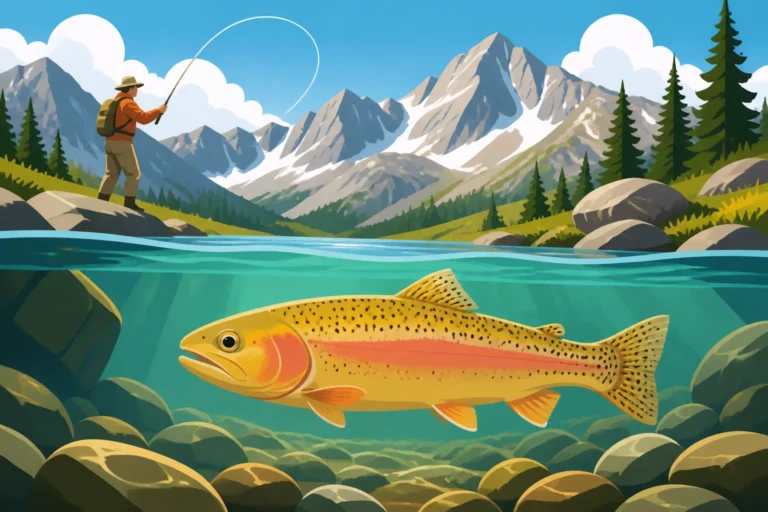
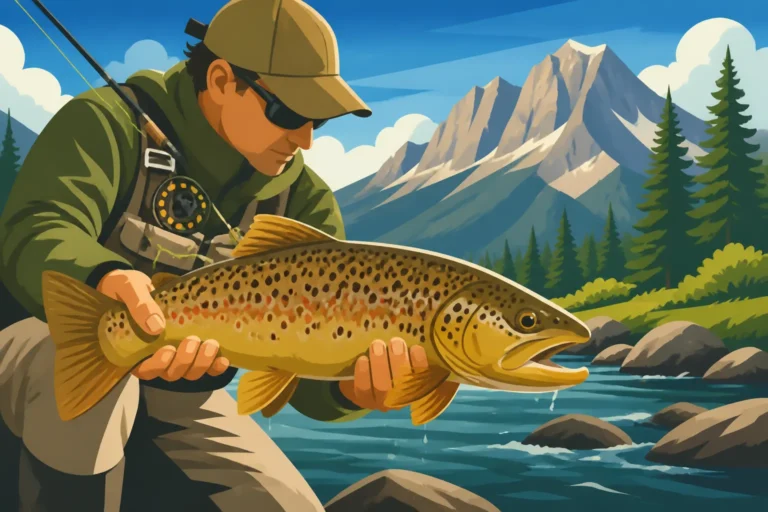
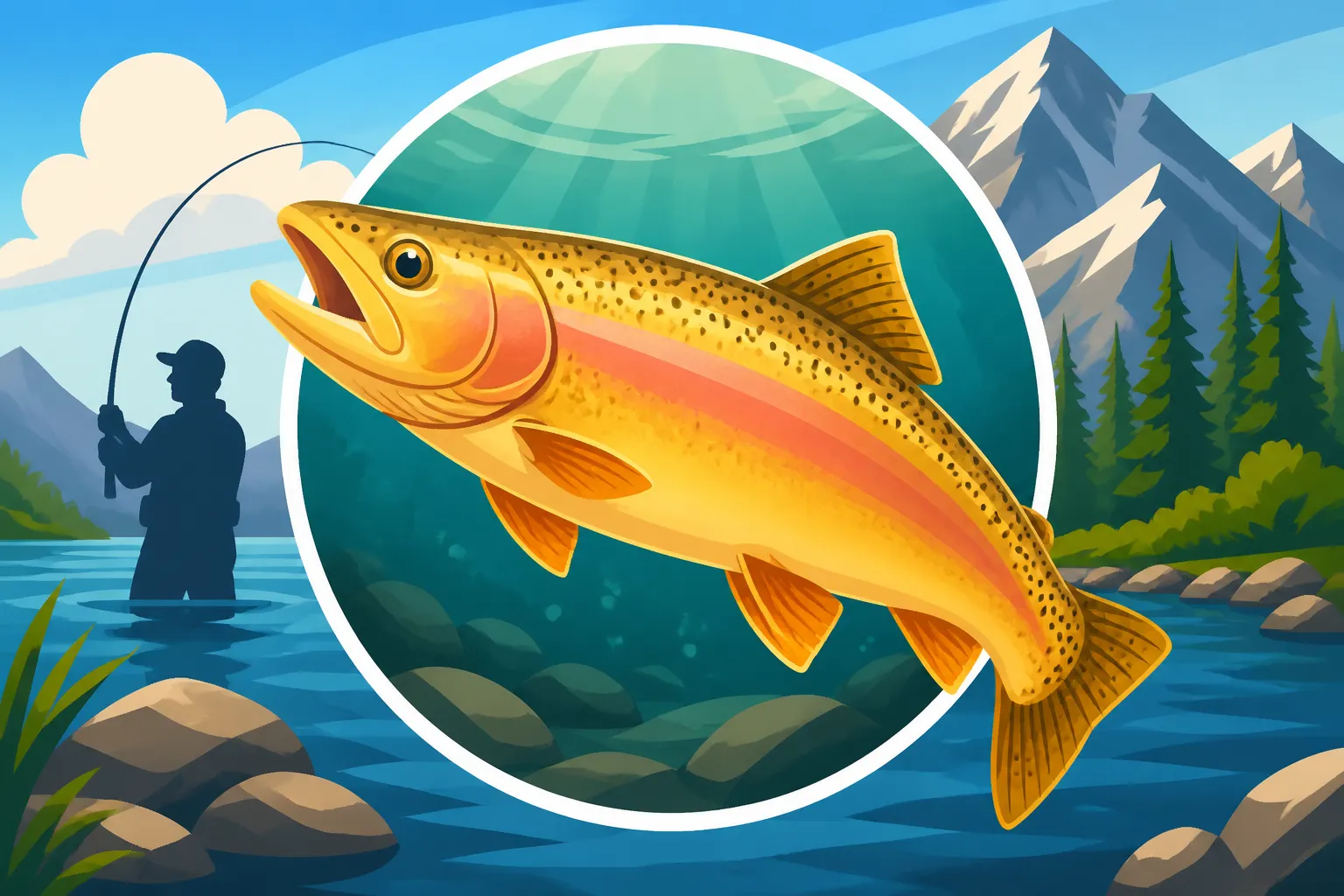
While the Golden Trout is a celebrated resident of Wyoming's high country, its true native range lies far to the southwest, in the high-elevation streams and lakes of California's Sierra Nevada mountains. The scientific name, Oncorhynchus mykiss aguabonita, reflects its close relationship to the rainbow trout, but its appearance is undeniably unique. Imagine a fish that looks like it's been painted with molten gold, often shimmering with olive-green on its back, transitioning through vibrant gold on its sides, and sometimes a brilliant orange-red on its belly.
What truly sets a Golden Trout apart are its distinctive markings. You'll often see 8-10 oval-shaped parr marks along its sides, even into adulthood, which are typically more pronounced than on other trout species. These parr marks are like nature's fingerprint, a remnant of its juvenile stage that often persists. Above these, running along the lateral line, is a rosy band, and the flanks are usually adorned with sparse, dark spots that don't extend below the lateral line. The dorsal, caudal, and anal fins are often edged with white or yellow, adding to its regal appearance. When you pull one of these beauties from a crystal-clear mountain lake, it's easy to see why anglers speak of them with such reverence – they are truly living jewels.
The Golden Trout's Unique Habitat Requirements
Golden Trout are not just pretty faces; they are highly specialized survivors, thriving in environments that would be too harsh for many other fish species. They demand the coldest, clearest, and most oxygen-rich waters, typically found in high-altitude lakes and streams. Think remote basins nestled above 9,000 feet, where the ice often lingers well into June, and the summer season is fleeting. These are usually oligotrophic lakes, meaning they are nutrient-poor but boast exceptional water quality.
In Wyoming, this means their populations are primarily confined to the rugged, awe-inspiring landscapes of the Wind River Range, the Bighorn Mountains, and other scattered high-alpine wilderness areas. These are places where the air is thin, the views are endless, and the only sounds are the whistle of the marmot or the distant cry of an eagle. The very isolation that makes these habitats perfect for Golden Trout also makes them challenging to access, contributing to the mystique and adventure of pursuing them. The journey to these waters is as much a part of the experience as the fishing itself.
Why They're So Prized by Anglers
Beyond their stunning appearance and the challenge of reaching their remote homes, Golden Trout are prized for several reasons. For one, their striking beauty makes for incredible photographs and unforgettable memories. But they're also known for their feisty spirit. Despite often being smaller than their lowland cousins, a Golden Trout hooked in a pristine alpine lake can put up a surprisingly spirited fight, leaping and darting with impressive vigor.
There's also the element of conservation. Because their habitats are so fragile and specific, and some populations are sustained through careful stocking, catching a Golden Trout feels like connecting with a truly wild and special part of Wyoming's natural heritage. Many anglers practice catch-and-release with these delicate fish, ensuring their populations continue to thrive for future generations. It's a testament to their value that the effort involved in hiking into the backcountry, braving variable weather, and often spending hours without a bite, is considered a small price to pay for the chance to encounter this golden marvel.
Where to Find Golden Trout in Wyoming
Finding Golden Trout in Wyoming isn't like casting a line into a popular reservoir. It requires an adventurous spirit, a good map, and often, some serious hiking boots. These fish are true high-country residents, tucked away in the most pristine corners of the state.
Stocking Efforts and Population Management
Interestingly, while Golden Trout are native to California, many of the thriving populations we enjoy in Wyoming today are the result of strategic stocking efforts by the Wyoming Game and Fish Department (WGFD). Decades ago, biologists recognized the potential for these stunning fish to thrive in Wyoming's numerous high-altitude, barren lakes that lacked native fish populations. Eggs or fry were often transported, sometimes by packhorse and even by aerial drops from airplanes, into these remote waters.
Today, the WGFD continues to manage these populations carefully. You'll find that Where Golden Trout Are Stocked in Wyoming often aligns with areas like the Wind River Mountains, the Absaroka Range, and sections of the Bighorn Mountains. These stocking programs are critical to maintaining viable populations, especially in lakes where natural reproduction might be limited due to harsh conditions or lack of suitable spawning habitat. This careful management ensures that the Golden Trout remains a sustainable and cherished part of Wyoming's high-country fishing experience.
Identifying Prime Golden Trout Waters
If you're dreaming of catching a Golden Trout, your first step is to point your compass toward Wyoming's highest peaks. As we discussed earlier, these fish need specific conditions: cold, clear, well-oxygenated water, often in barren, cirque lakes above the timberline. Look for lakes nestled in granite basins, fed by snowmelt, usually with little vegetation. Golden Trout in Wyoming's High Lakes are truly creatures of the alpine wilderness.
The Wind River Range, with its hundreds of stunning alpine lakes, is arguably the most famous stronghold for Golden Trout in Wyoming. Areas within the Bridger-Teton National Forest or Shoshone National Forest that require significant hiking or even multi-day backpacking trips are prime candidates. Consulting topographical maps and the Wyoming Game and Fish Department's lake inventory can provide clues, often listing which lakes are managed for specific species like Golden Trout. Remember, the tougher the access, often the more pristine the fishing.
The Best Seasons for Golden Trout Expeditions
Timing is everything when it comes to chasing Golden Trout. Their high-altitude homes are often locked under a thick blanket of ice and snow for a significant portion of the year. Generally, the season for accessing these remote lakes kicks off in mid-to-late June, once the mountain passes clear and the trails become passable. This "ice-out" period can be fantastic, as fish are often eager to feed after a long winter.
The peak window for Golden Trout fishing typically runs through July, August, and into early September. During these months, the weather is usually more stable (though mountain weather can always be unpredictable!), and the high country is at its most beautiful. By late September or early October, snow can start falling again, making travel treacherous and eventually closing off access for the winter. Planning your trip within this relatively short summer and early fall window is crucial for a successful Golden Trout adventure.
Fishing Techniques for Wyoming Golden Trout
So you've hiked miles into the breathtaking Wyoming high country, navigated the terrain, and finally reached a pristine lake shimmering with promise. Now what? Golden Trout, while feisty, can also be particular. Approaching them with the right gear and techniques makes all the difference.
Essential Gear for High-Altitude Angling
When you're venturing into remote, high-altitude terrain, packing smart is paramount. Every ounce counts. For your fishing setup, a lightweight spinning rod or a fly rod is ideal. A 3 or 4-weight fly rod, typically 7.5 to 8.5 feet, is perfect for delicate presentations, while an ultra-light spinning rod (4-6 lb test line) handles small lures effectively.
Beyond your rod and reel, think about clothing layers. Mountain weather can shift from sunny and warm to hail and snow in a matter of minutes. Waterproof outerwear, insulating layers, and sturdy hiking boots are non-negotiable. Don't forget navigation tools like a GPS or detailed map, a first-aid kit, and plenty of water and high-energy snacks. Many anglers find reliable, lightweight gear on sites like Amazon, making it easier to prepare for the rigorous demands of a backcountry trip. Also, check out What Gear to Pack for a Backcountry Fishing Trip for a more comprehensive list.
Fly Fishing for Golden Trout
Fly fishing is arguably the most rewarding method for Golden Trout. These fish often feed on small insects hatching on the surface or nymphs drifting beneath. Success usually hinges on delicate presentations and "matching the hatch" – or at least, getting close!
- Dry Flies: When Golden Trout are looking up, small dry flies imitating midges, caddis, or mayflies can be incredibly effective. Sizes 16-20 are common. Consider patterns like Parachute Adams, Royal Wulff, or even tiny stimulators. Presentation is key; a soft landing that mimics a natural insect can entice a cautious trout.
- Nymphs & Emergers: Often, trout feed subsurface. A small nymph (like a Pheasant Tail or Hare's Ear in sizes 18-22) suspended under a small indicator, or fished with a dry-dropper rig, can be deadly. Emerger patterns, designed to mimic insects rising to the surface, are also excellent choices, especially in the early mornings or evenings.
- Streamers: Don't rule out tiny streamers. Sometimes, a small leech pattern or a Woolly Bugger in olive or black (size 12-16) stripped subtly can trigger a reaction strike, particularly from larger, more aggressive fish.
Spin Fishing Tactics
For those who prefer spin fishing, ultra-light tackle can be just as effective and sometimes easier to manage in tight casting conditions.
- Small Spinners: Classic inline spinners like Mepps Aglia or Panther Martin, in sizes #0 or #1, with silver, gold, or copper blades, are perennial favorites. The flash and vibration can mimic small baitfish or fleeing insects.
- Tiny Spoons: Small casting spoons, such as a Kastmaster or Daredevil, also work well. Their erratic flutter on the retrieve can be irresistible. Again, silver or gold finishes are usually productive.
- Soft Plastics/Jigs: Micro-jigs tipped with a small piece of worm or scented soft plastic (like a Berkley PowerBait worm or Gulp! Minnow) can be incredibly effective when fished slowly along the bottom or jigged subtly. These can be particularly useful when fish are holding deep or are less active.
The key with both fly and spin fishing is to use light line and make quiet, accurate casts. These high-country fish often reside in incredibly clear water, making them wary of heavy lines or clumsy presentations. Stealth is your friend.
Catch and Release Best Practices in Fragile Ecosystems
Given the delicate nature of Golden Trout and the remote, often fragile ecosystems they inhabit, practicing responsible catch and release is paramount. Many anglers would agree that the experience of catching a Golden Trout far outweighs the desire to keep it.
Here are some best practices:
- Minimize Handling: Try to net the fish quickly and keep it in the water as much as possible.
- Wet Hands: Always wet your hands before touching the fish to protect its protective slime layer.
- Barbless Hooks: Consider using barbless hooks. If your hooks have barbs, pinch them down with pliers. This makes removal quicker and less damaging.
- Gentle Removal: Use forceps or pliers to carefully remove the hook. If the hook is deeply ingested, it's often better to cut the line as close to the hook as possible rather than tearing the fish's internal organs.
- Revive Carefully: Hold the fish gently facing into a current (if in a stream) or move it gently back and forth in the water (if in a lake) until it regains strength and swims away on its own. Avoid tossing it back into the water.
These practices, detailed further in Catch and Release Best Practices for Trout, ensure that these golden jewels continue to grace Wyoming's high-alpine waters for generations to come.
Golden Trout vs. Other Wyoming Trout Species
Understanding what makes a Golden Trout unique often involves comparing it to its close relatives found in Wyoming waters. While their golden hue is a dead giveaway for most, sometimes their similarities to other trout can lead to confusion, especially in waters where different species might coexist or hybridize.
Distinguishing Golden Trout from Cutthroat and Rainbows
Let's break down the key differences between the Golden Trout and two other common Wyoming trout species:
| Feature | Golden Trout | Cutthroat Trout | Rainbow Trout |
|---|---|---|---|
| Coloration | Vibrant gold, olive back, red/orange belly. | Olive to silvery sides, often yellowish belly. | Silvery sides, darker back, white belly. |
| Parr Marks | Prominent, oval, persistent into adulthood. | Less prominent, may fade with age. | Present in juveniles, usually fade in adults. |
| Spots | Sparse, small black spots mostly on back/tail. | Varied black spots, often denser on tail/rear. | Numerous small black spots on back, sides, fins. |
| Red Markings | Rosy band along lateral line, sometimes red fins. | Distinct red or orange slash under lower jaw. | Distinct red or pink band along lateral line. |
| Fin Edges | White or yellow leading edges on dorsal/anal fins. | Generally no distinct white/yellow fin edges. | White leading edge on anal fin common. |
| Habitat | High-altitude, clear, cold lakes/streams. | Wide range, from high mountain to larger rivers. | Wide range, often in larger streams and reservoirs. |
The "cutthroat" slash is a definitive characteristic of cutthroat trout and is entirely absent on Golden Trout. While Golden Trout have a rosy band, it's typically more diffuse and doesn't wrap under the jaw like the cutthroat's signature mark. When comparing to rainbow trout, Golden Trout tend to have fewer, larger spots and that distinct golden body color. Rainbows, conversely, are typically more silvery with a dense peppering of spots all over. This comparison table can be helpful, but nothing beats seeing a How to Identify a Golden Trout guide with clear pictures.
Hybridization and Management Challenges
One of the significant challenges in managing Golden Trout populations, particularly where they have been introduced, is the potential for hybridization. Since Golden Trout are a subspecies of rainbow trout, they can interbreed with rainbow trout, and sometimes even with cutthroat trout where their ranges overlap. The offspring, often called "goldbows" or "cutbows" (if a cutthroat is involved), can dilute the genetic purity of the Golden Trout.
This genetic mixing is a real concern for conservationists because pure Golden Trout populations are rare and valuable. Hybridization can lead to a loss of the unique genetic traits that make Golden Trout so distinct and well-adapted to their specific niche. For this reason, management strategies often involve carefully selecting lakes for stocking where rainbow trout or cutthroat trout are absent, or managing specific waters to minimize interactions between species. This ensures that the magic of the pure Golden Trout continues to thrive in its adopted Wyoming home. It's a delicate balance, and What's the Difference Between Golden Trout and Rainbow Trout? goes into more detail about how these mixes can occur and appear.
Disclaimer
This article is for general informational purposes only and does not constitute professional advice. Laws, prices and regulations vary by location and change over time. Consult a qualified professional for guidance on your specific situation.