What’s the Difference Between Golden Trout and Rainbow Trout?
It’s easy to look at two beautiful trout pulled from Wyoming’s pristine waters and think they’re the same, especially when both can sport vibrant colors. Many anglers, even seasoned ones, find themselves pausing to confirm if that shimmering catch is a prized Golden Trout or a robust Rainbow. Understanding the subtle yet significant differences between these two beloved species isn't just about satisfying curiosity; it's crucial for adhering to specific regulations, appreciating their unique habitats, and even tailoring your fishing approach. This guide will help you confidently distinguish between Golden Trout and Rainbow Trout, ensuring you know exactly what you've reeled in while exploring Wyoming’s diverse fisheries.
Understanding the Golden Trout: Wyoming's High-Country Gem
The Golden Trout, a true spectacle of nature, is often considered one of the most beautiful fish in North America. These fish are synonymous with the remote, high-alpine lakes and streams of the west, particularly in places like Wyoming where they thrive in some of the most breathtaking, yet challenging, environments. Catching a Golden Trout often means embarking on a true backcountry adventure, adding to their mystique.
Distinctive Physical Features of the Golden Trout
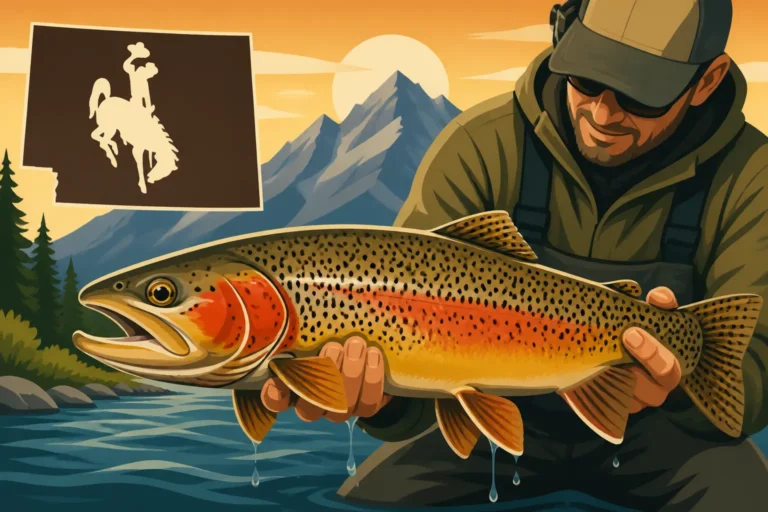
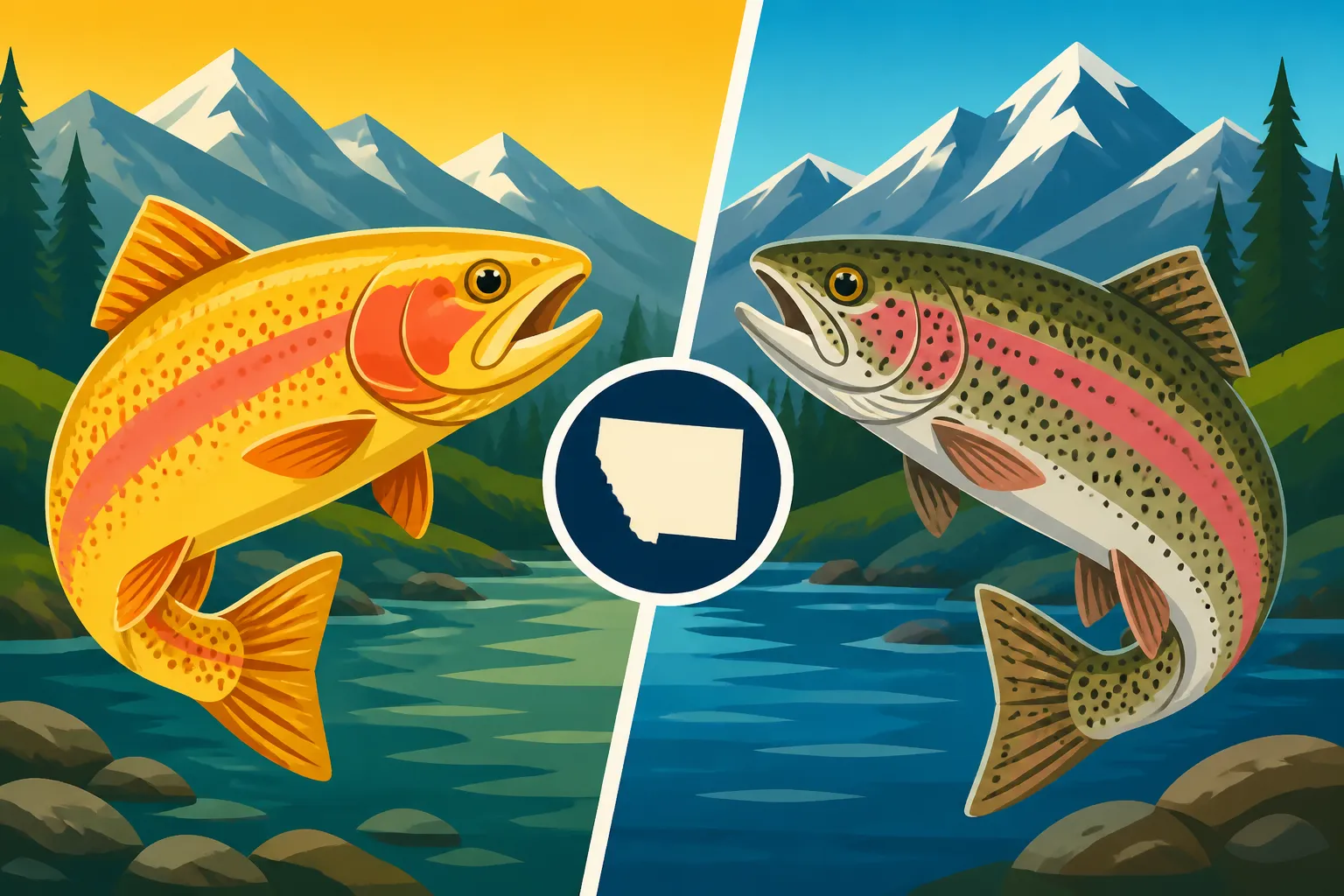
When you pull a Golden Trout from the water, its name truly tells the story. Their most striking feature is, of course, their brilliant golden flanks, which can range from a pale, buttery yellow to a deep, iridescent gold, often with a reddish-orange stripe running along the lateral line. This stripe isn't always as pronounced as a Rainbow's, and it tends to be more of a subtle flush.
Another key identifier is the presence of distinctive parr marks. Unlike many trout that lose these juvenile markings as they mature, Golden Trout often retain prominent, oval-shaped parr marks along their sides well into adulthood. These are typically darker and more defined than the often faded parr marks you might see on an adult rainbow. Their belly is usually a deep, vibrant orange or red, especially during spawning season, which creates a stunning contrast with their golden sides. Their dorsal, pectoral, and pelvic fins often have a clear, almost translucent leading edge with a darker, more pigmented center. They also tend to have very small, uniform spots, usually concentrated on their back and caudal (tail) fin, with fewer spots, if any, on their lower flanks. Compared to many other trout, Golden Trout typically have a smaller head and a more streamlined body shape, reflecting their life in often cold, fast-flowing, oxygen-rich waters.
Golden Trout Habitat and Behavior in Wyoming
In Wyoming, finding Golden Trout means heading high into the mountains. These fish prefer the crystal-clear, cold, and often less productive waters of high-elevation lakes and streams, typically above 9,000 feet. Think of the remote Wind River Range or other rugged wilderness areas. They are often found in environments where competition from other fish species is minimal, as they are not particularly aggressive and can be outcompeted by more robust trout like Rainbows or Browns.
Their behavior is typically quite shy. They feed on small aquatic insects, plankton, and terrestrial insects that fall into the water. Anglers targeting Golden Trout often need to employ stealthy approaches, using light tackle and delicate presentations. Because their habitat is so remote, they often see less fishing pressure, but their numbers in any given lake can be sensitive to environmental changes. Wyoming Game and Fish Department often stocks these high-country lakes via helicopter to maintain healthy populations, ensuring these spectacular fish continue to thrive in their designated sanctuaries. If you're planning a trip to these areas, make sure to check the Fishing Wyoming's Wilderness and Backcountry Lakes guide.
Deciphering the Rainbow Trout: Wyoming's Widespread Favorite
Rainbow Trout are arguably one of the most recognizable and widely distributed trout species in Wyoming, and indeed, across North America. Their adaptability means you can find them in everything from major rivers to small creeks, and from large reservoirs to farm ponds. This widespread presence makes them a common catch for anglers of all experience levels.
Distinctive Physical Features of the Rainbow Trout
Rainbow Trout get their name from the iridescent, often reddish-pink band that runs horizontally along their lateral line, reminiscent of a rainbow. This stripe can vary greatly in intensity, from a faint blush in some fish to a brilliant crimson in others, especially during spawning. Their overall body color can range from steel-blue to olive-green on the back, fading to silvery-white on the belly. This coloration can change depending on their habitat; those in clear, wild rivers often exhibit more vibrant hues, while hatchery-raised fish or those from turbid waters might appear duller.
Unlike Golden Trout, Rainbow Trout generally have a proliferation of small, black spots that extend across their entire body, including their head, dorsal fin, adipose fin, and tail. These spots are usually more numerous and widespread than those on a Golden Trout. While young Rainbows also have parr marks, they typically fade and disappear as the fish matures into adulthood. Their fins are generally less colorful than a Golden Trout's, often appearing more uniformly dusky or spotted rather than having distinct clear edges. They also tend to have a larger head and a more robust, deeper body compared to the slender Golden Trout, especially the larger specimens found in rivers and reservoirs. You might also want to check out Cutthroat vs Rainbow Trout: Telling Them Apart for other common identification challenges.
Rainbow Trout Habitat and Behavior in Wyoming
Rainbow Trout are incredibly versatile, which is why they are so prevalent throughout Wyoming. They thrive in a wide range of coldwater environments, from the swift currents of the North Platte River to the vast expanses of Flaming Gorge Reservoir, and even smaller, easily accessible streams and ponds. They tolerate warmer water temperatures than Golden Trout and can handle more variable water conditions, including slightly lower oxygen levels. This adaptability makes them a popular choice for stocking programs across the state, ensuring ample fishing opportunities. You can find out more about these programs in Wyoming's Stocked Rainbow Trout Program.
Their feeding behavior is also quite adaptable. Rainbows will readily strike at a wide array of baits, lures, and flies, mimicking everything from aquatic insects to small fish. They are generally more aggressive feeders than Golden Trout, which makes them a fantastic target for spin anglers, fly fishers, and bait fishermen alike. Whether you're casting a spinner in the Laramie River or drifting nymphs on the Snake, chances are you'll encounter a Rainbow. Their widespread availability and willingness to bite contribute to their status as one of Wyoming's most popular game fish.
Key Differences at a Glance: Golden Trout vs. Rainbow Trout
To make it easier to distinguish these two beautiful species, here’s a quick comparison of their most telling characteristics. Remember, sometimes a fish can be a hybrid (like a "cutbow," a cross between a rainbow and a cutthroat), which can make identification a bit trickier, but these general guidelines should serve you well.
| Feature | Golden Trout | Rainbow Trout |
|---|---|---|
| Primary Body Color | Brilliant golden to buttery yellow, vibrant. | Steel-blue to olive-green on back, silvery sides. |
| Lateral Stripe | Subtle, reddish-orange flush; not always distinct. | Prominent, iridescent reddish-pink band. |
| Belly Color | Deep, vibrant orange or red. | Silvery-white. |
| Parr Marks | Often retained into adulthood; distinct oval shapes. | Typically fade or disappear in adulthood. |
| Spotting | Small, uniform spots mostly on back and tail; few on lower flanks. | Numerous small black spots covering entire body, head, fins. |
| Fin Edges | Often clear/translucent leading edges on dorsal, pectoral, pelvic fins. | Generally uniformly dusky or spotted; less pronounced clear edges. |
| Body Shape | More slender, streamlined body; smaller head. | More robust, deeper body; often larger head. |
| Typical Habitat | High-elevation, clear, cold, remote mountain lakes and streams. | Widespread: rivers, streams, large reservoirs, adaptable. |
| Wyoming Status | Native to some high-alpine areas; often stocked. | Widely stocked; naturalized in many waters. |
This table provides a snapshot, but it's important to remember that individual fish can show variations. Always look at a combination of factors, not just one. For instance, sometimes a Golden Trout from a less clear water might not be as vibrant, but its other characteristics will still point to its identity.
Wyoming-Specific Considerations and Management
Wyoming is a fantastic place to fish for both Golden and Rainbow Trout, but their management reflects their distinct ecological niches.
Where to Find Them in Wyoming
If you're dreaming of catching a Golden Trout, you'll need to earn it. These fish are typically found in the most remote, pristine, and often glacier-fed lakes of Wyoming's high country. The Wind River Range is a prime example, with countless lakes holding populations of these stunning fish, many of which are maintained through careful stocking by the Wyoming Game and Fish Department (WGFD). Getting to these spots often involves multi-day backpacking trips. Golden Trout Fishing in Wyoming delves into this in more detail.
Rainbow Trout, on the other hand, are far more accessible. You can find them in almost every corner of the state where cold water exists. Major rivers like the North Platte, the Snake, and the Green are teeming with Rainbows, as are reservoirs such as Flaming Gorge, Boysen, and Alcova. Many urban and easily accessible community ponds are also regularly stocked with Rainbow Trout, making them ideal for families or beginners. If you’re looking for options, consider Wyoming's Yellowstone Lake Fishing Guide or Wyoming's Flaming Gorge Reservoir Fishing Guide for some great Rainbow opportunities.
Native vs. Introduced Status
This is another significant distinction. Golden Trout are generally considered native to specific high-elevation drainages, though the populations in many Wyoming lakes today are a result of historical and ongoing stocking efforts to expand their range and provide unique angling experiences. The WGFD takes great care to ensure these populations are sustainable and often manages them with specific regulations to protect their unique genetics.
Rainbow Trout, while thriving in Wyoming, are not native to the state's waters. They were introduced from the Pacific Coast drainages and have since been widely propagated due to their hardiness, fast growth, and popularity with anglers. They have adapted remarkably well to Wyoming's rivers and lakes, becoming a cornerstone of the state's fishery. This distinction is important for understanding conservation efforts; native species like the various Cutthroat Trout Fishing in Wyoming subspecies often receive specialized protection and management plans that differ from those for introduced species.
Fishing Techniques and Regulations
The differences in habitat and behavior naturally lead to different angling approaches and, crucially, different regulations.
For Golden Trout, your gear will typically be lighter. Small flies, ultralight spinning gear with tiny spoons or spinners, and a focus on subtle presentation are key. Due to their remote habitat, catch-and-release is often practiced, and regulations on bag limits might be more restrictive to protect these unique populations. Always consult the current Wyoming Fishing Regulations Booklet for the specific lake or stream you plan to visit, as rules can vary greatly. Many anglers invest in lightweight, durable backpacking gear, including compact fishing rods and reels, which you can often find great options for on Amazon, to tackle these high-country adventures.
Rainbow Trout offer a broader spectrum of angling opportunities. Fly fishing with nymphs, dry flies, and streamers is highly effective on rivers. Spin fishing with an array of lures, from spinners and spoons to soft plastics, is popular on both rivers and lakes. Bait fishing with worms, PowerBait, or corn is also very successful, especially in stocked waters. Regulations for Rainbow Trout are generally more liberal than for Golden Trout, given their abundance and management as a primary sport fish. However, specific waters can still have unique size or bag limits, especially for wild populations. It's always best to have a copy of the regulations handy, perhaps even a waterproof version that can clip to your vest (another great item to browse on Amazon!).
Understanding these nuances not only makes you a more knowledgeable angler but also a more responsible one, ensuring that Wyoming's incredible fisheries remain vibrant for generations to come. Identifying your catch correctly, whether it's the golden flash of a high-country treasure or the vibrant stripe of a widespread favorite, is a fundamental part of the Wyoming fishing experience.
Disclaimer
This article is for general informational purposes only and does not constitute professional advice. Laws, prices and regulations vary by location and change over time. Consult a qualified professional for guidance on your specific situation.