Is Cutthroat Trout Good to Eat?
There's nothing quite like the excitement of reeling in a beautiful cutthroat trout from a pristine Wyoming stream or lake. But once you have that gorgeous fish in your hands, a common question pops into many anglers' minds: "Is this fish good to eat, or should I just release it?" Many of us have had less-than-stellar experiences with "fishy" tasting trout, leaving us hesitant. This guide will dive deep into what makes cutthroat trout a delicious meal and how you can ensure your catch tastes fantastic.
The Big Question: Is Cutthroat Trout Good to Eat?
Let's cut right to the chase, because this is often the first thing people want to know after a successful day on the water. The answer is a resounding yes, cutthroat trout are absolutely delicious to eat! In fact, many anglers consider them among the finest table fare of all trout species. However, like any wild game, their flavor can vary depending on several factors, which we'll explore in detail.
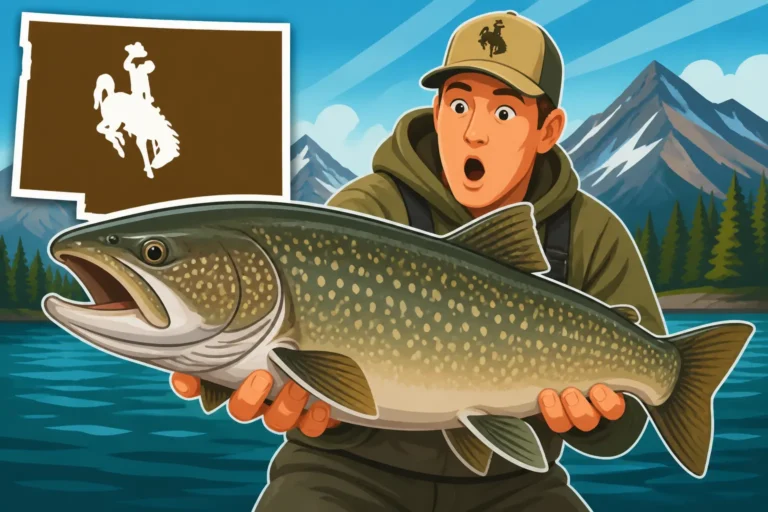
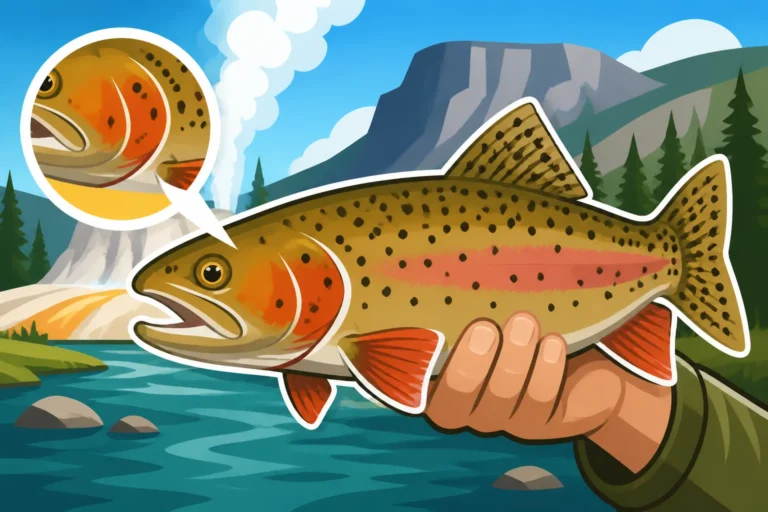
For generations, the native cutthroat trout, including Wyoming's state fish, the Yellowstone Cutthroat, have been a staple for those living in or visiting the Rocky Mountains. Their delicate, flaky flesh and mild flavor make them incredibly versatile in the kitchen. If you've ever tasted a trout and found it overwhelmingly "fishy" or muddy, chances are it wasn't a cutthroat, or perhaps it wasn't handled properly. A well-caught and cared-for cutthroat trout offers a clean, earthy, and subtly sweet taste that stands out.
The General Consensus: A Delicate Flavor Profile
When people describe the taste of a cutthroat trout, words like "delicate," "mild," and "flaky" come up time and again. It doesn't have the strong, sometimes oily taste that can characterize some other fish species. Instead, you get a clean flavor that really allows the natural taste of the fish to shine through, especially when simply prepared. This makes them a favorite for those who might be hesitant about eating fish, as they rarely have an off-putting strong flavor.
The texture is another highlight. Cutthroat trout, especially those from colder waters, tend to have firm but tender meat that flakes beautifully when cooked. It's not mushy, nor is it overly tough. This ideal texture contributes significantly to the overall eating experience. Whether you're pan-frying a whole trout or baking fillets, the way the meat holds together and then gently separates on your fork is simply delightful.
Beyond the "Fishy" Stereotype
The dreaded "fishy" taste is often what deters people from enjoying wild-caught fish. With cutthroat trout, this is generally less of a concern, especially if you understand what causes that flavor and how to mitigate it. That strong, unpleasant aroma and taste usually come from a few sources: poor handling after the catch, the fish's diet, or the water quality of its environment.
A truly fresh cutthroat, properly handled from the moment it leaves the water, should never taste unpleasantly "fishy." Instead, it should have a fresh, almost cucumber-like scent. The mildness of their diet, primarily insects and smaller invertebrates in many Wyoming waters, contributes to this clean flavor profile. If you're targeting cutthroat, you're usually in for a treat, as long as you pay attention to the details that follow. Don't let a past bad experience with another fish species, or even a poorly handled trout, deter you from enjoying this fantastic game fish.
Factors Influencing Cutthroat Trout Flavor
While cutthroat trout generally taste excellent, their flavor isn't uniform across the board. Several environmental and biological factors can significantly influence the taste and texture of your catch. Understanding these can help you identify the best-tasting fish and appreciate why one trout might taste different from another, even if caught from the same river system.
It's a bit like comparing an apple grown in rich orchard soil to one from a less fertile plot; while both are apples, their sweetness and crispness can vary. The same principle applies to fish, and especially to trout, which are highly sensitive to their surroundings. Knowing what influences their flavor will make you a more discerning angler and a better cook.
Water Quality and Environment
This is arguably one of the most critical factors. Cutthroat trout thrive in cold, clean, oxygen-rich waters, which are abundant in Wyoming's mountains and high-desert rivers. Fish from these pristine environments almost invariably taste better. The water itself influences the metabolism of the fish and prevents the accumulation of off-flavors that can arise from algae or pollutants.
Conversely, trout caught from warmer, slower-moving, or murkier waters, particularly those with a lot of bottom vegetation or sediment, can sometimes develop a "muddy" or "weedy" flavor. This isn't inherent to the cutthroat species but rather a reflection of its immediate habitat. Think of a cutthroat plucked from a glacial-fed mountain lake versus one from a stagnant pond. The difference in taste can be quite noticeable. When you're fishing Wyoming's Yellowstone Lake Fishing Guide or a high-alpine lake, you're almost guaranteed a superior-tasting fish due to the exceptional water quality.
What They Eat Matters
You know the old saying, "you are what you eat"? Well, for fish, it's particularly true for flavor. The primary diet of a cutthroat trout typically consists of aquatic insects, terrestrial insects that fall into the water, and small crustaceans. This natural diet contributes to their clean, delicate flavor. Trout that feed predominantly on insects, like the ones you'll find in many freestone streams, tend to have a milder, sweeter taste. You can learn more about What Yellowstone Cutthroat Trout Eat to understand their natural foraging habits.
If a cutthroat's diet includes a higher proportion of smaller fish or less desirable bottom-dwelling organisms, it can sometimes impart a stronger, more "fishy" taste. For example, a cutthroat that has been gorging on minnows in a reservoir might have a slightly richer flavor compared to one that's been selectively feeding on mayflies in a crystal-clear mountain stream. This isn't necessarily a bad thing, just a difference to note.
Size and Age: A Culinary Balance
The size and age of a cutthroat trout can also play a role in its flavor and texture. Generally, younger, smaller to medium-sized trout (say, 10 to 16 inches) are considered to have the best eating quality. Their flesh is typically more tender, delicate, and less likely to have developed any stronger flavors. As trout get older and larger, their meat can sometimes become tougher or develop a more pronounced flavor.
While it's exciting to catch a trophy-sized cutthroat, those larger, older fish are often better candidates for catch-and-release, not just for conservation reasons but also for culinary ones. Many anglers prefer to keep the "pan-sized" trout for dinner, knowing they'll offer the most tender and subtly flavored fillets. It's a balance between the thrill of the catch and the quality of the meal. You can find out How Big Cutthroat Trout Get in Wyoming Lakes if you're curious about the potential giants lurking in the depths.
Seasonal Variations and Spawning
Just like many other fish, the season in which a cutthroat is caught can affect its quality. Trout tend to be at their prime eating quality when water temperatures are cool, and they are actively feeding and growing. This often means late spring, early summer, and fall are excellent times for table fare. During these periods, their flesh is firm and rich in beneficial fats.
During spawning season, however, fish undergo significant physiological changes. Their bodies divert energy towards reproduction, and their flesh can become softer, less flavorful, or even a bit "muddy" tasting. The color of their meat might also change, becoming paler. For cutthroat trout, spawning usually occurs in the spring, varying by specific water body and elevation. It's often recommended to release actively spawning fish not only for their future reproductive success but also because their eating quality isn't at its peak. Wyoming Fishing Seasons and Water-Specific Closures can give you a better idea of when fish might be actively spawning.
Proper Handling from Catch to Cooler
Even the finest-tasting cutthroat from the most pristine waters can be ruined by improper handling. This is perhaps the single most important factor within your control. The moment a fish is caught, its muscles begin to break down, and off-flavors can develop quickly, especially in warm temperatures.
To preserve the delicate flavor of your cutthroat, follow these critical steps:
- Bleed the fish immediately: As soon as you decide to keep a fish, dispatch it humanely and cut its gills to allow it to bleed out. This removes blood from the flesh, which is a major source of "fishy" taste.
- Gut the fish quickly: Field dress your fish as soon as possible after bleeding. Remove the entrails to prevent digestive enzymes from further breaking down the flesh.
- Keep it cold: Get your gutted fish onto ice or into a cold cooler immediately. A rapid drop in temperature slows bacterial growth and enzyme activity, preserving freshness and flavor. Don't let it sit on the bank in the sun or in a warm livewell. A good cooler, like those you can find on Amazon, filled with ice is an essential piece of gear for any angler intending to keep their catch.
| Factor | Impact on Flavor | Ideal Conditions for Best Taste |
|---|---|---|
| Water Quality | Poor quality leads to "muddy" or "weedy" taste. | Cold, clear, oxygen-rich streams and high-elevation lakes. |
| Diet | Influences inherent flavor compounds. | Primarily insects and small crustaceans. |
| Size/Age | Larger/older can be tougher, stronger flavored. | Smaller to medium-sized (10-16 inches) for tenderness and mildness. |
| Season | Spawning periods reduce quality. | Non-spawning periods, active feeding, cool water temperatures. |
| Handling | Improper handling causes "fishy" taste, spoilage. | Immediate bleeding, gutting, and chilling on ice after catch. |
Preparing Your Cutthroat for the Table
You've done everything right on the water, and now you have a perfectly fresh cutthroat trout ready for the kitchen. The next step is preparation, and just like handling, how you clean and cook your fish will have a huge impact on the final taste experience. You don't need to be a gourmet chef to make a delicious trout dinner. Simple methods often highlight the natural goodness of the fish.
Remember, the goal is to enhance, not overpower, that delicate flavor we've been talking about. Fresh ingredients and straightforward techniques are your best friends when cooking cutthroat trout. Many anglers find the process of preparing their catch almost as rewarding as the catch itself.
Field Dressing: The First Crucial Step
We touched on this in handling, but it's worth reiterating the importance of field dressing. This is the act of removing the entrails (guts) of the fish as soon as possible after catching it. Why is this so crucial? The digestive organs contain enzymes that, once the fish dies, will start breaking down the surrounding flesh, leading to a rapid decline in quality and the development of off-flavors.
To field dress:
- Make an incision: With a sharp knife (a small, pointy fillet knife works great, and many affordable options are available on Amazon), make a shallow cut along the belly from the anal vent up to the gill plate. Be careful not to cut too deep and puncture the intestines.
- Remove entrails: Reach in and pull out all the internal organs. You might need to use a spoon or your thumb to scrape along the backbone and remove the kidney line (a dark red line of blood tissue).
- Rinse thoroughly: Rinse the body cavity under cold running water to remove any remaining blood or debris. This helps prevent bacterial growth and ensures a clean flavor.
- Keep it cold: Once dressed, get the fish back on ice immediately.
Cleaning and Filleting Your Catch
After field dressing, you have a whole, clean fish. Now you decide: cook it whole, or fillet it? Cooking whole is traditional and can be fantastic, especially for smaller to medium-sized trout, as the bones and skin add flavor and moisture. However, filleting provides boneless, skinless portions that are often preferred, especially by those new to eating fish.
If you choose to fillet, it's a skill that improves with practice. How to Fillet a Trout for the First Time can be a great resource. You'll need a sharp, flexible fillet knife. Lay the fish on its side, make a cut behind the gill plate down to the backbone, then turn the knife flat and slide it along the backbone towards the tail, separating the fillet. Flip the fish and repeat for the other side. You can then remove the skin by placing the fillet skin-side down, holding the tail end, and sliding the knife between the skin and meat at a shallow angle.
Simple Cooking Methods to Enhance Flavor
With clean, fresh cutthroat fillets or whole fish, less is often more when it comes to cooking. The goal is to cook it quickly to prevent drying out and let the natural flavors shine.
Here are a few popular and easy methods:
- Pan-Frying: This is a classic for a reason. Lightly dust fillets or whole fish (after scoring the skin a few times) with seasoned flour or cornmeal. Fry in a hot pan with a mix of butter and olive oil until golden brown and cooked through (about 3-5 minutes per side for fillets, 5-8 minutes per side for whole fish, depending on thickness). A squeeze of lemon and a sprinkle of fresh parsley or dill are all you need.
- Baking/Roasting: For a hands-off approach, season whole gutted trout or fillets with salt, pepper, herbs (like rosemary or thyme), and a slice of lemon. Place them on a baking sheet, maybe with a little white wine or chicken broth for moisture, and bake at 375-400°F (190-200°C) until flaky. This usually takes 10-15 minutes for fillets and 15-20 minutes for whole fish.
- Grilling: If you love that smoky char, grilling is fantastic. Brush whole trout or thick fillets with olive oil and season well. Place them in a fish basket or directly on a clean, oiled grill over medium-high heat. Grill for about 4-7 minutes per side, turning carefully, until the skin is crisp and the meat is opaque. How to Cook Fresh-Caught Trout Over a Campfire applies just as well to a backyard grill!
Remember, don't overcook trout! It's done when the flesh becomes opaque and flakes easily with a fork. Overcooked fish is dry and tough, losing all its delicate appeal.
Conservation and Ethical Angling
Enjoying the bounty of Wyoming's waters through eating a freshly caught cutthroat trout is a wonderful experience, but it comes with a responsibility. Ethical angling and conservation practices ensure that these fish populations remain healthy and thriving for future generations. It's about taking only what you need and being mindful of the ecosystem.
For the true lifestyle blogger, part of the joy of fishing is connecting with nature, and that includes respecting the resource. When you understand the regulations and practice responsible angling, every fish, whether kept or released, becomes part of a sustainable tradition.
Understanding Bag and Possession Limits
Wyoming has specific regulations in place to manage fish populations, including cutthroat trout. These regulations include daily bag limits and possession limits, which dictate how many fish you can keep in a day and how many you can have in your possession at any given time (which includes fish at your camp, in your cooler, or at home). These limits are not arbitrary; they are carefully set by wildlife biologists to ensure sustainable fishing opportunities.
Before you head out, always consult the current Wyoming Fishing Regulations Booklet. Rules can vary by water body and species, so don't assume a statewide standard applies everywhere. Ignorance of the law is not an excuse, and violating these limits can result in fines and penalties. Knowing How Bag and Possession Limits Work in Wyoming is crucial. It ensures you're a responsible angler and helps protect the cutthroat trout populations that make Wyoming such a premier fishing destination.
Catch and Release for Future Generations
Even if you plan to keep a few fish for dinner, practicing catch and release for the rest of your catches is a cornerstone of ethical angling. This is especially important for larger, older fish that are vital for spawning and contributing to the gene pool. Releasing fish helps maintain healthy populations and ensures that there will be plenty of opportunities for others (and yourself!) to enjoy fishing in the future.
If you are going to practice catch and release, it's essential to do it properly to maximize the fish's survival rate. This means using barbless hooks, minimizing handling, keeping the fish in the water as much as possible, and reviving it gently before letting it go. There are excellent guidelines for Catch and Release Best Practices for Trout that every angler should know. Ultimately, enjoying a delicious cutthroat trout for dinner is a fantastic experience, but making sure those populations endure is even more rewarding.
Disclaimer
This article is for general informational purposes only and does not constitute professional advice. Laws, prices and regulations vary by location and change over time. Consult a qualified professional for guidance on your specific situation.