Are Guided Trips Cheaper in the Off-Season?
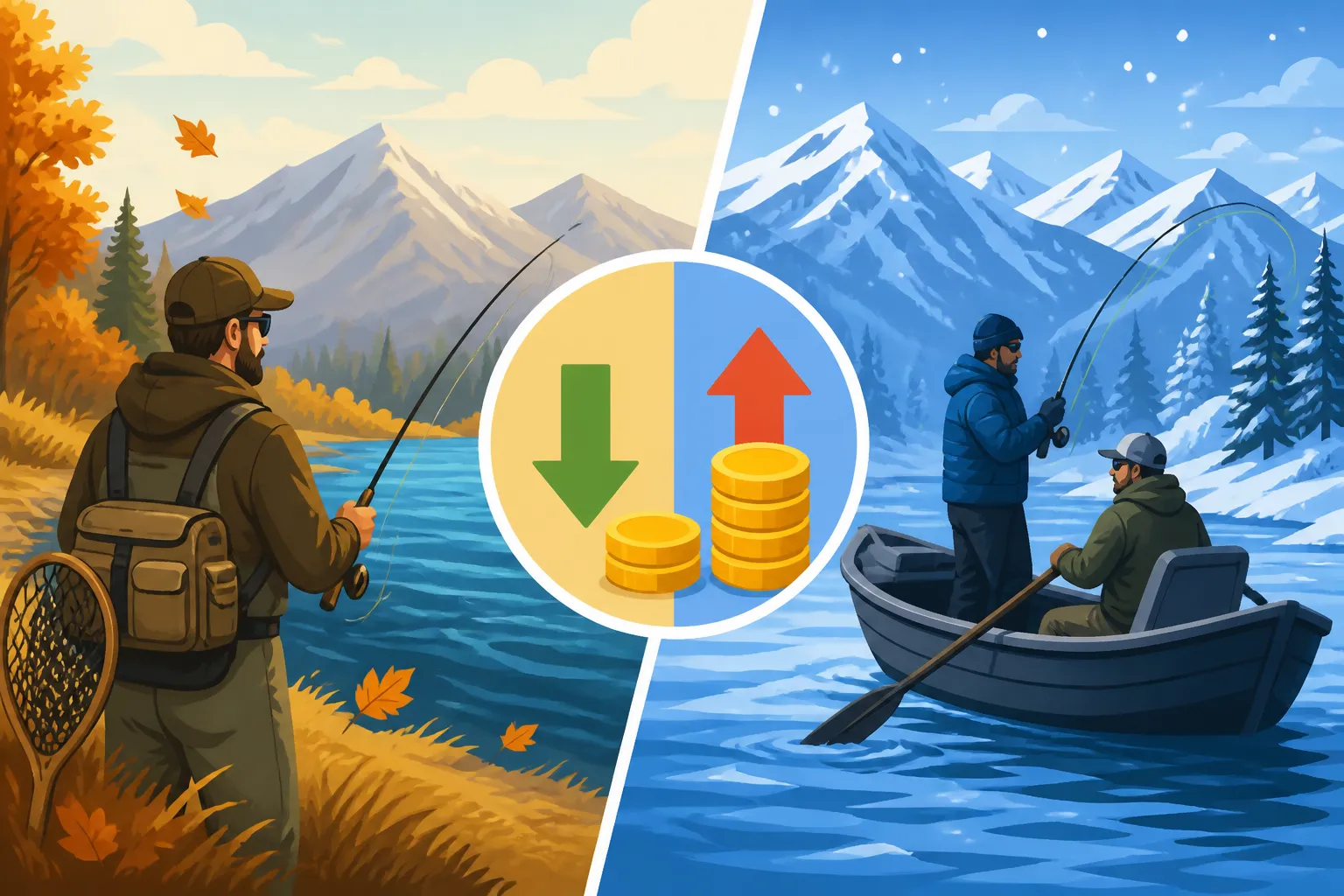
One of the biggest hurdles for many anglers dreaming of a guided fishing trip in Wyoming is often the sticker shock. You look at those full-day float trip prices, and your wallet starts to sweat! It's natural to wonder if there are ways to experience the magic of Wyoming's waters with a seasoned guide without emptying your savings, and the off-season often comes to mind. This guide will dive deep into whether guided fishing trips are indeed cheaper during Wyoming's quieter months and what you might gain or compromise by choosing those times.
Defining Wyoming's Fishing Seasons: Understanding the Flow
Before we talk about discounts, we need to understand what "off-season" truly means in the context of Wyoming fishing. It's not a single, uniform block of time; rather, it's a dynamic period influenced by weather, water conditions, and fish behavior. Guides plan their entire year around these cycles, and where your timing falls within that cycle often dictates pricing.
Peak Season: Summer's Bustle
When most people picture Wyoming fishing, they're probably imagining the peak season – typically late spring through early fall, often May/June through September. This is when the weather is generally at its best, water levels have settled after runoff, and fish are actively feeding. Waters like the North Platte River are teeming with activity, and popular destinations like Jackson Hole see a huge influx of visitors. Everyone wants to be on the water, and guides are booked solid.
During these months, demand far outstrips supply. Guides often work seven days a week, sometimes running multiple trips a day. This high demand means prices are at their premium. You're paying not just for the guide's expertise and gear, but also for the prime weather and fishing conditions that are most likely to deliver a memorable experience. It's the ideal time for many, but certainly not the budget-friendly option.
Shoulder Seasons: Spring Thaw and Fall Colors
The shoulder seasons are those transitional periods flanking the peak: early spring (think April, sometimes even late March) and late fall (October into early November). These times offer a fascinating mix of opportunities and challenges, and this is often where the potential for cost savings begins to emerge.
In early spring, you might encounter fluctuating weather, sudden snowmelt, and rising, murky waters as runoff begins. However, some tailwaters below dams, like the Miracle Mile, can be excellent before the main river systems get too high. Fall, on the other hand, brings stunning foliage and the epic brown trout spawn, especially on rivers like the North Platte. Guides might still be busy, but the intense, non-stop booking pressure of mid-summer often eases. You might find slightly reduced rates or more flexibility in booking during these windows, as the weather becomes a bit more unpredictable.
True Off-Season: Winter's Quiet Waters
For many, winter is the true "off-season" in Wyoming. Snow covers the landscape, temperatures plummet, and most rivers are either frozen or too cold and low for comfortable fishing, though tailwaters can remain productive. Ice fishing, however, takes center stage on numerous lakes and reservoirs across the state, from Boysen Reservoir to Keyhole Reservoir.
During the deep winter, very few traditional fly fishing or spin fishing guides are operating. Those who do specialize in winter-specific techniques, often focusing on tailwaters or ice fishing. Because the client pool is significantly smaller and the conditions require specialized gear and fortitude, you can sometimes find lower rates or special winter packages. It’s an incredibly unique experience, offering solitude and a different kind of challenge, but it's definitely not for everyone.
Why Off-Season Trips Can Be Cheaper: The Economics of Guiding
The notion that off-season trips are cheaper isn't just wishful thinking; there's real economic reasoning behind it from a guide's perspective. Like any business, fishing guides operate on supply and demand, and when demand dips, they often adjust their offerings.
Supply and Demand Dynamics
During peak season, a guide might have five inquiries for every open day on their calendar. They don't need to offer discounts; their slots will fill at full price. However, in the shoulder or off-season, that ratio might flip. They might have five open days and only one or two inquiries. To keep their boats on the water and their income flowing, guides are more inclined to offer incentives.
These incentives could be direct price reductions, but they might also manifest as longer trip times for the same price, inclusion of premium gear that's usually an extra charge, or more personalized attention. A guide would rather earn something to cover their costs and keep busy than have an empty day, and that's where your opportunity lies. Searching platforms like FishingBooker during these times might reveal more availability and potentially better deals, as guides actively try to fill their schedules.
Lower Operating Costs (Sometimes)
While a guide's main costs (boat maintenance, insurance, licensing) are fixed year-round, some variable costs might shift. For instance, shuttle services for float trips might be less busy and therefore slightly cheaper for the guide, or fuel consumption could be less if they're not running as many long floats. More importantly, the opportunity cost of their time is lower. They're not turning away high-paying clients to take your trip.
It’s worth noting that while some costs can be lower, guides still have significant overhead. The equipment, their licenses, continued education, and vehicle maintenance don't stop. So, while you might see a reduction, it's rarely a drastic cut, but rather a reflection of market realities. Think of it as a guide "spreading the love" to keep their operation viable outside the busiest months.
Filling the Calendar
Ultimately, many guides value a full calendar. Having consistent work, even if it's at a slightly reduced rate, is often preferable to long stretches of no bookings. An off-season trip for a guide isn't just about that day's revenue; it's also about maintaining client relationships, getting referrals, and potentially securing repeat business for future seasons.
Guides who operate year-round, or at least across longer seasons, often structure their pricing to encourage bookings during less popular times. They understand that if they can offer a compelling reason (like a better price point) for you to brave the colder weather or more unpredictable conditions, they can still deliver a fantastic experience and earn your loyalty. When you're browsing for a guide, particularly on sites like FishingBooker, pay close attention to any "winter special" or "spring run-off deal" listed.
The Trade-offs of Off-Season Fishing: What You Gain and What You Might Miss
While the potential for cost savings is appealing, opting for an off-season guided trip isn't just about price. It comes with its own set of unique experiences and potential compromises that are important to weigh.
Weather Variability and Conditions
This is perhaps the biggest trade-off. Wyoming weather is famously fickle, and outside of summer, it becomes even more so. A spring day can start sunny and end in a snow squall. Fall mornings can be frigid, requiring layers upon layers. Winter fishing, whether on the ice or an open tailwater, demands serious cold-weather gear and a high tolerance for biting wind.
You might gain incredible solitude and unique photo opportunities of a snow-covered landscape, but you might also spend a day battling the elements or dealing with high, murky water from a sudden melt. This means flexibility is key. Your guide might need to pivot on locations or techniques at the last minute based on conditions, so being adaptable to changing plans is crucial for an enjoyable off-season adventure. Don't go into it expecting perfect T-shirt weather.
Target Species and Techniques
The fishing itself can also be different. While summer offers diverse opportunities for dry fly fishing, nymphing, and streamer fishing across many species, the shoulder and off-seasons often narrow the focus. In fall, the brown trout spawn becomes a major draw, often requiring specific streamer or egg patterns. Winter tailwater fishing heavily favors nymphing or small streamers fished deep and slow. Ice fishing targets species like lake trout, perch, or walleye in specific depths.
If you have a very specific type of fishing in mind – say, casting dry flies to rising trout – then the off-season might not be the best bet, as those conditions are far less reliable. However, if you're open to learning new techniques, like jigging for walleye through the ice or stripping streamers for big pre-spawn browns, then the off-season offers some incredible, specialized opportunities that are often less crowded. Exploring different Wyoming Fishing Seasons and Water-Specific Closures can give you a better idea of what's available when.
Crowds and Solitude
Here's where the off-season truly shines for many anglers: the lack of crowds. During peak summer, popular stretches of the North Platte or the Snake River can feel like freeways with boats. Launch ramps are packed, and you might see multiple boats in sight at any given time. This can detract from the serene, wild experience many seek in Wyoming.
In the off-season, you often have vast stretches of river or entire lakes almost to yourself. Imagine casting on a crisp fall morning with golden cottonwoods reflecting on the water, and not another soul in sight. Or drilling a hole on a frozen lake with only the sound of the wind for company. This solitude can be priceless, offering a deeper connection to the wildness of Wyoming that's harder to find when tourist season is in full swing. If escaping the hustle and bustle is a top priority, then those off-peak savings become even more valuable. Consider checking out Least Crowded Trout Water in Wyoming for ideas that might align with off-season opportunities.
Finding Off-Season Deals and Booking Smart
So, you're convinced that off-season might be your golden ticket to a guided trip without the peak season price tag. Great! Now, let's talk about how to actually find those deals and what to keep in mind when booking.
Researching Guide Availability and Special Offers
The first step is always research. Start by looking at reputable guide services that operate in the areas you're interested in, such as the famous North Platte River near Casper or the Snake River in Jackson Hole. Many guides will list their services and contact information on their websites. Take note of any "winter specials," "fall packages," or "spring runoff deals" they might advertise. Don't be shy about calling them directly. A quick phone conversation can often reveal flexibility that isn't explicitly stated on their website.
Be prepared to ask specific questions about what's included, what the typical conditions are like for that time of year, and what species they target. For example, if you're interested in brown trout, you'd want to inquire about Fall Fishing for Browns on the Miracle Mile. A good guide will be honest about the challenges and rewards of fishing during the off-season, ensuring you have realistic expectations.
Asking About Package Deals and Discounts
Beyond direct price reductions, guides often offer package deals or incentives during slower months. This could be a multi-day trip discount, where the per-day cost is lower than booking individual days. Or it might be a "friends and family" rate that's more generous than during peak season. Some might include accommodations, meals, or even gear rentals as part of an off-season package.
Don't assume anything; always ask. Politely inquire if they have any off-season rates or if they offer discounts for booking multiple days or for a small group. You might be surprised at the flexibility. Remember, a guide values your business during these leaner times, and a bit of negotiation or inquiry about current promotions can go a long way.
Using Online Booking Platforms
Online platforms have become increasingly popular for finding and booking fishing guides, and they can be particularly useful for uncovering off-season deals. Sites like FishingBooker aggregate listings from numerous guides, allowing you to compare prices, availability, and specific offerings across different times of the year.
When using such platforms, make sure to adjust your search dates to the shoulder or off-season periods you're targeting. You'll likely see more open slots and potentially lower advertised rates compared to the prime summer months. These platforms also often have review sections, which can provide valuable insights into a guide's professionalism and how they handle off-season conditions. Just remember to read the fine print regarding cancellation policies, as winter weather can sometimes lead to unavoidable rescheduling. Knowing How Much to Tip a Wyoming Fishing Guide is also a good idea, as it's a separate consideration from the trip cost.
| Season | Typical Weather | Crowds | Potential for Savings | Target Fish/Technique Focus | Primary Benefits |
|---|---|---|---|---|---|
| Peak Summer | Warm, sunny, stable | High | Low | Diverse, all species/techniques | Best weather, most options, reliable conditions |
| Spring Shoulder | Variable, potential for runoff | Moderate to Low | Moderate | Nymphing tailwaters, early spawners | Fewer crowds, exciting early season, good value |
| Fall Shoulder | Crisp, changing colors, colder | Moderate to Low | Moderate to High | Brown trout spawn, streamer fishing | Stunning scenery, big fish potential, fewer crowds |
| Winter Off-Season | Cold, snowy, icy | Very Low | High | Ice fishing, deep nymphing tailwaters | Solitude, unique experience, lowest prices |
What Happens If You Fish Without a Guide in the Off-Season?
While we're discussing guided trips, it's worth a quick mention that many anglers also head out on their own during the off-season to save money. However, this comes with its own set of risks and challenges. Without a guide, you're solely responsible for your safety in potentially harsh conditions, knowing local regulations (which can be very specific by waterbody), and understanding fish behavior during less active periods.
A guide brings invaluable local knowledge, safety protocols, and often the specialized gear needed for off-season success. They know where the fish are holding when water temps drop, how to navigate icy banks, or which specific fly patterns work on a challenging winter day. While going solo is cheaper, the value a guide provides in terms of safety, success, and local expertise is significantly higher in the off-season. For instance, How Old You Have to Be to Fish Without a License in Wyoming is a fundamental piece of knowledge you'd need, even if going solo.
Planning Your Off-Season Wyoming Fishing Adventure
Ultimately, guided fishing trips can absolutely be cheaper in the off-season in Wyoming, but it's not a guarantee, and it comes with considerations. You're likely to find more flexibility, potentially lower rates, and far fewer crowds. However, you'll need to be prepared for more variable weather, and the fishing techniques or target species might be different from what you'd experience in the peak summer months.
For the adventurous angler who prioritizes solitude and unique experiences over consistent sunshine and easy fishing, the off-season offers an incredible opportunity to connect with Wyoming's wild side on a deeper, more personal level, potentially saving some money in the process. Just make sure you do your homework, communicate clearly with your chosen guide, and pack those extra layers! You can always check Where to Find Current Wyoming Fishing Regulations before you head out, no matter the season.
Disclaimer
This article is for general informational purposes only and does not constitute professional advice. Laws, prices and regulations vary by location and change over time. Consult a qualified professional for guidance on your specific situation.