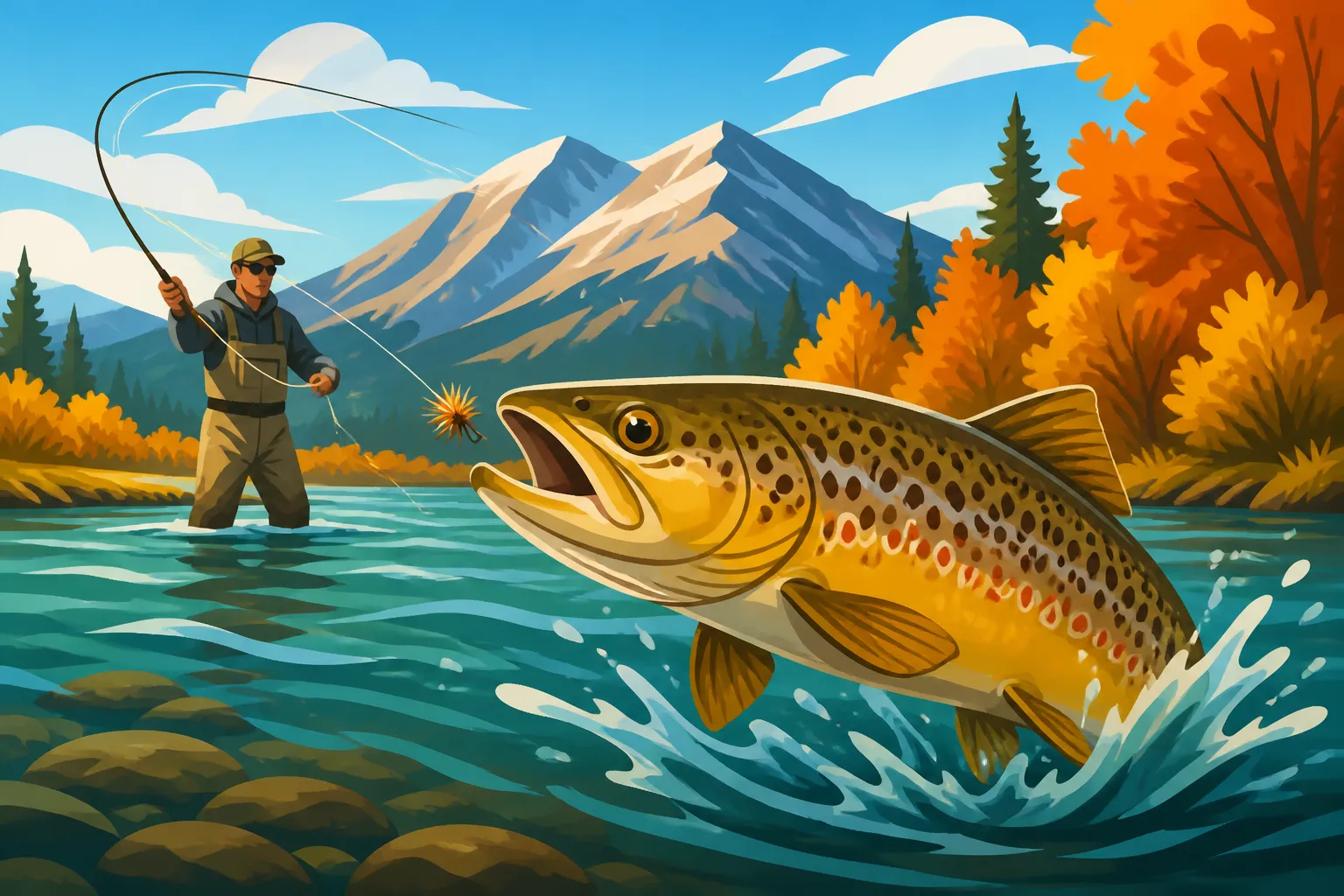
Fall Fishing for Browns on the Miracle Mile
There’s nothing quite like the crisp autumn air on the North Platte River, but when you're specifically chasing those elusive, hard-fighting brown trout during their fall run on the legendary Miracle Mile, you know you're in for a real challenge. It's a journey filled with exhilarating highs and sometimes frustrating lows, especially when those big fish play coy. This comprehensive guide will walk you through everything you need to know to maximize your chances and experience the magic of fall brown trout fishing on this iconic Wyoming stretch.
Why the Miracle Mile is a Fall Brown Trout Mecca
Ask any experienced angler in Wyoming where to find big brown trout in the fall, and the Miracle Mile will inevitably be at the top of their list. This section of the North Platte River isn't just famous for its year-round trout fishing; it truly shines when the leaves start to turn and the big browns begin their annual migration. It's a special place, but it requires a special approach.
The Annual Spawning Run Phenomenon
The reason the Miracle Mile becomes such a hotspot for brown trout in the fall is simple: spawning. As the water temperatures drop and the days shorten, mature brown trout instinctively begin their upstream migration from the deeper waters of Pathfinder Reservoir into the river to find suitable spawning grounds. This natural urge makes them more aggressive, territorial, and, frankly, catchable – if you know where and how to present your offerings.
These aren't just any brown trout; many are the river's largest, some reaching truly trophy sizes. They've spent all summer feasting on the rich invertebrate life and baitfish in the reservoir, packing on weight and muscle. When they enter the river, they're at their prime, displaying vibrant colors and incredible power. Targeting these fish during their spawning run requires respect and an understanding of their behavior. It's not just about catching a fish; it's about connecting with a powerful natural cycle. Knowing When Brown Trout Spawn in Wyoming is key to understanding their movements.
Prime Habitat and Nutrient-Rich Waters
The Miracle Mile isn't just a migratory highway; it's also a fantastic holding area for these large brown trout due to its diverse and nutrient-rich habitat. The river here flows through a varied landscape, offering a mix of deep pools, strong riffles, undercut banks, and large rock structures. These features provide ideal cover and ambush points for browns, especially when they're guarding redds (spawning beds) or resting from their upstream journey.
The consistent cold-water flows from Seminoe Dam create a stable environment, teeming with aquatic insects like midges, mayflies, and caddis, along with sculpins and other small baitfish—all prime food sources. This abundance of food allows brown trout to grow to impressive sizes. Couple this with limited fishing pressure compared to some other well-known stretches, and you have a recipe for truly spectacular fall fishing. It's this combination of migratory patterns and ideal habitat that transforms the Miracle Mile into a genuine trophy brown trout destination each autumn. Understanding How to Read a Wyoming Stream for Holding Water can dramatically increase your success here.
Timing Your Trip for Peak Brown Trout Action
Timing is everything when it comes to fall fishing on the Miracle Mile. Hitting the river during the sweet spot of the brown trout spawn can be the difference between a good day and an unforgettable one. It's not just about the month; daily conditions also play a crucial role.
When the Fall Run Kicks Off
Generally, the fall brown trout run on the Miracle Mile begins in late September and can extend well into November, sometimes even December, depending on the weather and water temperatures. The prime window, however, typically falls in October. As soon as the water temperature begins to consistently drop into the mid-50s Fahrenheit and lower, those bigger browns start getting active. They'll transition from their summer haunts and begin their push.
It's a dance with Mother Nature; an early cold snap can kick things off sooner, while a prolonged warm spell might delay the peak. Keeping an eye on the Wyoming Game and Fish Department's river flow reports and local fishing reports from outfitters in the Casper area (like those specializing in the Best Time of Year to Fish the North Platte River) can give you invaluable insights. Many anglers swear by the full moon cycles in October, believing they trigger more aggressive spawning activity, so that's another factor to consider when planning your visit.
Daily Timing Considerations
Just as important as the seasonal timing is knowing when to be on the water during your fishing day. For fall browns, especially those actively spawning or recovering, early mornings and late afternoons are often the most productive. These low-light conditions provide a sense of security for the larger, more cautious fish, making them more willing to move and feed.
During midday, especially if the sun is bright, brown trout might retreat to deeper pools or undercut banks. However, a cloudy, overcast day can extend the productive fishing window throughout the entire day. Water temperature also dictates activity; as the day warms slightly, insect activity can pick up, providing a feeding opportunity. In short, be prepared to start early, stay late, and be adaptable to the day's conditions. It’s a good idea to consider How Water Temperature Affects Trout Feeding when planning your approach throughout the day.
Essential Techniques and Gear for Fall Browns
Catching a trophy brown trout on the Miracle Mile in the fall isn't usually a game of luck; it's a game of strategy, technique, and having the right tools for the job. These fish are big, smart, and often wary.
Mastering Streamer Fishing
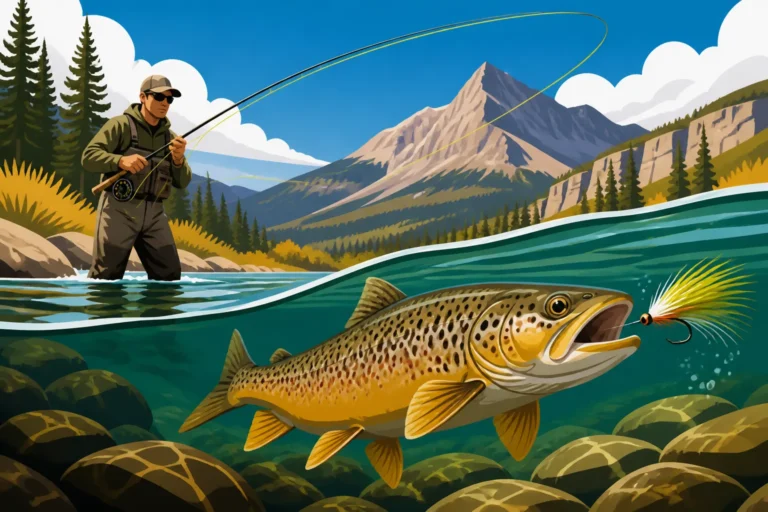
When targeting big, aggressive brown trout during their fall run, streamer fishing is often the most effective method. These flies mimic the baitfish (like sculpins and minnows) and other larger prey that browns actively pursue, especially as they build energy for or recover from spawning. It’s a visual, exciting way to fish.
You'll want a heavier fly rod, typically a 6 or 7-weight, to handle larger flies and fight these powerful fish. A sink-tip or full sinking line is crucial to get your streamer down into the strike zone quickly in the often-fast currents of the Miracle Mile. Effective patterns include Woolly Buggers, Sculpzillas, Sex Dungeons, and articulated streamers in natural colors like olive, black, brown, and white. The retrieve is key: short, aggressive strips, often with pauses, to imitate a wounded baitfish. Focus your casts towards undercut banks, deep pockets, and current seams where big browns lie in wait. Learning Streamer Fishing for Wyoming Brown Trout techniques will significantly up your game.
Nymphing and Dry Fly Opportunities
While streamer fishing gets a lot of the glory for big browns, don't underestimate the power of nymphing, especially when fish aren't actively chasing bait. During slower periods or when browns are focused on recovering in deeper holes, a well-presented nymph can be incredibly effective. Heavy stonefly patterns, worm patterns, and larger attractor nymphs often entice bites, as they imitate the abundant aquatic insect life in the river. Fish these under an indicator or with a tight-line technique in deeper runs and pools.
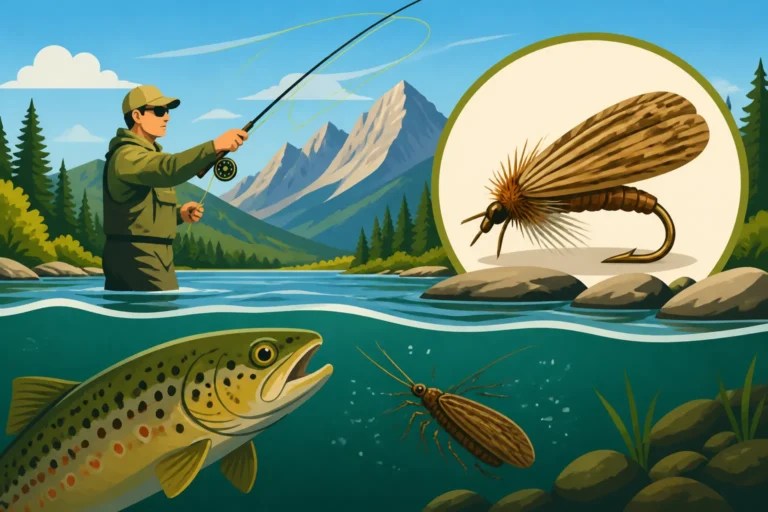
Even dry fly fishing can have its moments, particularly on warmer, calmer fall days when midge or blue-winged olive hatches occur. While not typically the go-to for trophy browns, these hatches can bring smaller trout to the surface and can sometimes fool a larger brown if it's opportunistically feeding. Always be prepared with a variety of offerings, as trout can be finicky.
Must-Have Gear and Tackle
Beyond your rod and reel for streamer or nymph fishing, several other items are absolutely essential for a successful and comfortable fall trip on the Miracle Mile.
- Waders and Boots: You'll be wading in cold water, so high-quality, insulated waders are a must. Paired with sturdy wading boots that provide good ankle support and grip, you'll be comfortable and safe. You can often find great deals on quality waders or specialized streamer patterns on Amazon if you're looking to upgrade your gear before your trip. It's a significant investment, but essential; remember that Do You Need Waders to Fish Wyoming Rivers in Spring? advice applies even more so in colder fall conditions.
- Layered Clothing: Wyoming weather in the fall can change in a heartbeat. Think base layers (merino wool or synthetics are excellent), a mid-layer fleece, and a waterproof/windproof outer shell. Don't forget a warm hat and gloves. You’ll be grateful for those extra layers as the sun dips below the horizon. You'll want to take tips from How to Dress for Winter Fishing in Wyoming for those frosty mornings.
- Flies and Leaders: Pack a wide assortment of streamers (various sizes and colors), heavy nymphs, and some basic dry flies. Bring stout leaders and tippet (1X-3X for streamers, 3X-4X for nymphs) because those big browns will test your knots.
- Landing Net: A large, rubber-mesh landing net is crucial for safely handling and releasing big fish. It minimizes stress on the fish and protects its slime coat.
- Tools and Accessories: Pliers, nippers, forceps, and a good pair of polarized sunglasses (to spot fish and structure) are indispensable. A good wading staff can also be a lifesaver in slippery currents. Ensure you have all the necessary small tools easily accessible in your vest or pack.
Navigating the Miracle Mile's Challenges and Rewards
The Miracle Mile, while incredibly rewarding, presents its own set of challenges. From tricky access to reading complex water and ensuring ethical angling, being prepared will make all the difference.
Access Points and Wading Considerations
Public access to The Miracle Mile Stretch of Wyoming's North Platte River is generally good, managed by the Wyoming Game and Fish Department and BLM (Bureau of Land Management). Key access points include the main parking area off Pathfinder Road and various pull-offs along the unpaved roads downstream. However, these roads can become challenging after rain or snow, often requiring a high-clearance, 4×4 vehicle. Always check road conditions before heading out, especially deeper into fall.
Once you're at the river, wading can be strenuous. The North Platte here is a large, powerful river with swift currents and a rocky, often slippery bottom. Safety is paramount. Use a wading staff for stability, shuffle your feet, and be aware of deep drop-offs. Never wade alone if possible, and always let someone know where you're going and when you expect to return. The sheer size of the river means there are endless opportunities for exploration, but always err on the side of caution.
Reading the Water for Fall Browns
Successfully targeting brown trout on the Miracle Mile requires an astute ability to read the water. During the fall, brown trout will congregate in specific areas for spawning or to ambush prey. Look for:
- Redds: Spawning beds appear as lighter, cleaner patches of gravel where trout have fanned away algae and silt. Avoid wading on or casting directly to actively spawning fish on redds, as it can disrupt their crucial reproductive cycle.
- Deep Pools and Runs: These provide shelter and resting areas, especially for larger fish. Fish the seams, edges, and tailouts of these features.
- Undercut Banks and Structures: Brown trout are notorious for hiding under cover. Presenting flies close to or under these features can be incredibly effective.
- Current Seams: The transition zones between fast and slow water are prime ambush points where browns can wait for food to drift by with minimal effort.
Focus your efforts in these areas, approaching cautiously to avoid spooking fish. Long casts and stealthy wading are your friends when targeting these wary trophies. When you’re looking at a stretch of water, remember tips for Reading Riffles and Runs on Wyoming Trout Streams to find those productive zones.
Conservation and Ethical Angling
The Miracle Mile's fall brown trout run is a precious resource, and responsible angling practices are vital to its longevity. While keeping a fish for the pan is certainly allowed under Wyoming regulations, many anglers choose to practice catch and release, especially for the larger, spawning fish.
When you do hook into one of these magnificent brown trout, handle it with care. Land the fish quickly to minimize stress, keep it in the water as much as possible for photos, and use a rubber-mesh net to protect its delicate slime coat. Avoid squeezing the fish or dragging it on rocks. Use forceps to remove hooks gently. The goal is to send that fish back healthy to complete its spawn and contribute to future generations. Be aware of How Many Trout Over 16 Inches You Can Keep in Wyoming and general Wyoming Trout Stream Daily Limit regulations, but consider letting those big, breeding fish go. Implementing Catch and Release Best Practices for Trout is a key part of preserving this fishery.
Remember, fishing licenses and conservation stamps are required. You can learn more about The Wyoming Conservation Stamp and What It Covers to understand where your fees go towards protecting these incredible fisheries.
Here's a quick look at some proven fly patterns for the Miracle Mile in fall:
| Fly Type | Pattern Name | Colors Recommended | Target Conditions | Notes |
|---|---|---|---|---|
| Streamers | Articulated Streamer | Olive, Black, Brown | Aggressive browns, deeper water | Mimics large baitfish, heavy sink-tip often needed |
| Sculpzilla | Olive, Tan, Black | Undercut banks, rocky bottoms | Great sculpin imitation, jigging motion often effective | |
| Woolly Bugger | Black, Olive, White | All-around, versatile | Classic pattern, add bead or cone for weight | |
| Nymphs | Worm (San Juan Worm) | Red, Pink | Post-spawn, high water | Great attractor, often effective after rain |
| Pat's Rubber Legs | Brown, Black | Deeper runs, stonefly imitation | Heavy, gets down fast, good for larger fish | |
| Pheasant Tail | Natural | Post-hatch, subtle takes | Good general mayfly nymph, smaller sizes for picky fish | |
| Dry Flies | Parachute Adams | Gray | Opportunistic feeders, BWO hatches | General mayfly imitation, for rising fish |
| Griffith's Gnat | Black | Midge hatches, calm water | Tiny, for delicate presentations to sipping fish |
Disclaimer
Please remember that fishing conditions, regulations, and access can change. Always consult the official Wyoming Game and Fish Department regulations before heading out. Safety should be your top priority on the water.