Best Guides for High-Water Season Float Trips
The arrival of spring and early summer in Wyoming brings an undeniable surge of excitement for anglers, but it also ushers in a period that can be incredibly frustrating: high-water season. When the rivers swell with snowmelt, turning chocolate brown and raging past their banks, many enthusiastic anglers find their carefully planned trips washed out, literally. It feels like hitting a brick wall when all you want to do is chase trout, but the river looks impassable and unfishable. This comprehensive guide is here to help you understand the dynamics of fishing during Wyoming's high-water season and, crucially, how to find and choose the best fishing guides who specialize in navigating these challenging yet often incredibly rewarding conditions.
Understanding Wyoming's High-Water Season
Wyoming's rivers and streams are largely fed by snowmelt from the towering mountain ranges, which means spring and early summer often bring significant runoff. This period, affectionately (or sometimes not-so-affectionately) known as "high water," can dramatically alter fishing conditions. For the uninitiated or those without specialized knowledge, it can seem like an impossible time to fish, but with the right approach and the right expertise, it can actually offer some fantastic opportunities.
What "High Water" Actually Means for Anglers
When we talk about high water, we're not just talking about a slightly fuller river. We're talking about a dramatic increase in water volume and velocity. This often leads to increased turbidity – the water becomes cloudy or muddy with suspended sediment, reducing visibility both for fish and for anglers trying to spot them. The river's current can become incredibly powerful, making wading treacherous, if not impossible, and even challenging for drift boats to navigate safely. Banks might be submerged, traditional access points could be underwater, and familiar fishing holes might look entirely different or disappear altogether. It's a landscape transformed, and it requires a fundamental shift in strategy. Fishing Wyoming During Spring Runoff is a great resource to learn more about this period.
The Challenges of Fishing During High Water
For the do-it-yourself angler, high water presents a multitude of challenges. First and foremost is safety. Fast, cold water can be incredibly dangerous, and even experienced waders can be swept off their feet. Navigation in a personal boat also becomes significantly more difficult, requiring expert rowing and river reading skills to avoid hazards like submerged logs, shifting sandbars, and powerful hydraulics. Beyond safety, simply finding fish becomes a puzzle. Trout, in particular, will alter their behavior, seeking refuge from the strong currents in softer water, often closer to the banks or in newly flooded areas. Casting accurately in these conditions is harder, and presenting flies or lures effectively through heavy, turbid water demands specialized techniques. The average angler might just throw their hands up and wait for clearer, lower flows, missing out on potentially epic fishing.
Why a Guide Becomes Essential
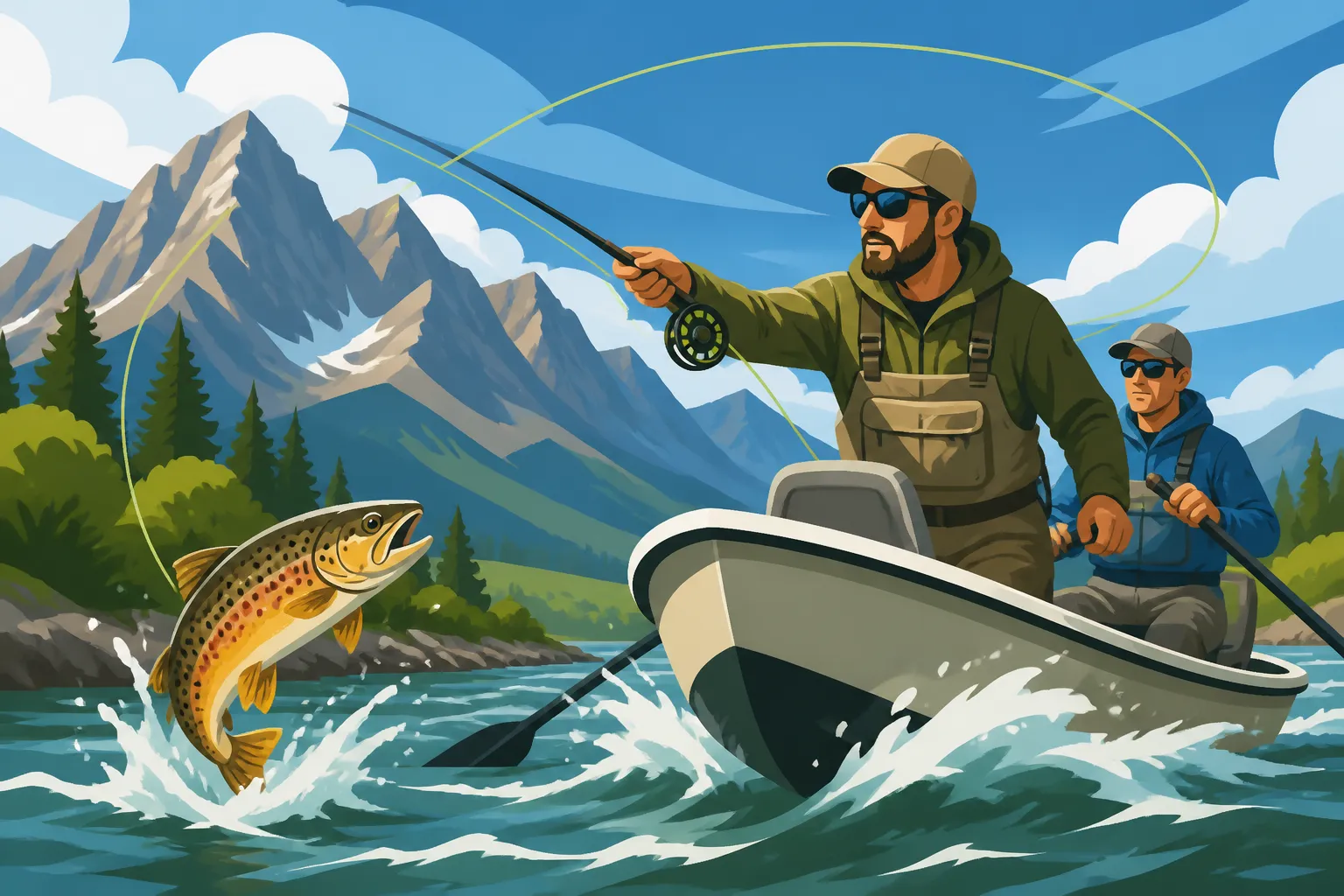
This is precisely where a seasoned fishing guide becomes an invaluable asset. A truly great high-water guide isn't just someone who knows where the fish usually are; they understand how the river changes, where fish relocate during floods, and how to safely navigate these dynamic conditions. They have specialized boats, equipment, and, most importantly, the hard-won experience to keep you safe and put you on fish. They can read the subtle cues in the current, identify "soft water" pockets that act as refuges for trout, and adapt their techniques on the fly (pun intended!) to match the conditions. Instead of cancelling your trip, a good guide can transform a potentially disappointing day into an unforgettable adventure. Hiring a Fishing Guide in Wyoming gives a broader overview of why guides are so beneficial.
Qualities of a Top-Notch High-Water Guide
Not all guides are created equal, especially when it comes to navigating the complexities of high-water fishing. When your dream trip coincides with a raging river, you need someone who not only knows the waters but thrives in challenging conditions. The best guides for high-water season possess a specific set of skills, experience, and gear that set them apart.
Experience and Local River Knowledge
This is perhaps the most critical factor. A guide who has spent decades on specific Wyoming rivers like the Snake or the North Platte has an intimate understanding of how those waters behave during runoff. They know the subtle seams and eddies that form when the water is high, where the fish will stack up to escape the main current, and the alternative access points when usual put-ins are inaccessible. They're experts at How to Read a Wyoming River From a Drift Boat, even when it's roaring. This isn't knowledge you can get from a map or a quick internet search; it's earned through countless hours on the water, observing, learning, and adapting. They understand the nuances of how heavy snowpack translates to certain river conditions, and they can anticipate changes. Their intuition, born of experience, is your greatest advantage.
A high-water guide's local knowledge also extends to safety. They know where the hidden snags are, where the currents become dangerous, and how to safely maneuver a drift boat through powerful rapids or around newly formed obstacles. They'll prioritize your safety above all else, making sure every decision, from where to put in the boat to where to cast, is made with a deep respect for the power of the river.
Gear and Boat Readiness for Challenging Conditions
Fishing in high water demands robust gear. A top-tier guide will have a well-maintained, stable drift boat specifically designed to handle strong currents and potential hazards. They'll have a range of specialized rods, reels, and lines capable of handling heavier fly rigs or casting larger lures needed to penetrate turbid water. Think sinking lines, heavy nymph rigs, and large streamers designed to be seen and felt by fish in low visibility. Best Technique for Fishing High and Off-Color Water highlights some of these specialized approaches.
Beyond just the fishing tackle, they'll be prepared with safety equipment: extra PFDs (personal flotation devices), dry bags for your electronics, and a solid first-aid kit. They understand that layers are crucial in fluctuating spring weather, and they might even have extra rain gear or warm layers if you're caught unprepared. A guide who is truly ready for high water has thought through every detail, ensuring comfort, safety, and effectiveness.
Adaptability and Problem-Solving Skills
High water is inherently unpredictable. What works one day might not work the next, or even hour-to-hour as conditions shift. The best high-water guides are master problem-solvers. They can quickly change tactics, switch fly patterns or lure types, adjust leader lengths, and move to entirely different stretches of river if one area isn't producing. They're not stuck on one "method" but rather possess a deep toolkit of techniques they can deploy. If the fish aren't hitting streamers, they'll switch to heavy nymph rigs. If the visibility improves slightly, they might try swinging a soft hackle. Streamer Fishing for Wyoming Brown Trout and Nymphing Techniques for Wyoming Tailwaters are examples of tactics they might employ.
Moreover, their adaptability extends to reading you, the angler. If you're struggling with a particular cast in the wind or current, they'll offer patient instruction and alternative approaches. They turn challenges into opportunities, making sure you still have a fantastic and productive day on the water, even when Mother Nature is throwing her curveballs. This is crucial for beginners, but even experienced anglers benefit from a guide's ability to pivot and improvise.
Finding and Booking Your High-Water Expert
So, you're convinced a guide is the way to go for your high-water adventure. Now comes the task of finding the right one. It's not just about picking the first name you see; it's about asking the right questions, utilizing available resources, and preparing yourself for a unique fishing experience.
Asking the Right Questions Before You Book
Before you commit to a guide, especially for high-water conditions, a quick phone call is essential. Don't be afraid to ask direct questions. Here are a few to get you started:
- "How much experience do you have guiding during high-water/runoff conditions on this particular river?" Look for years of experience, not just "a few times."
- "What are your typical strategies and techniques during high water?" Listen for detailed answers about specific flies, lures, casting approaches, and areas they target. A vague answer might be a red flag.
- "What kind of boat do you use, and how is it equipped for high water?" Ensure they have a stable, purpose-built drift boat and discuss safety gear.
- "What's your plan if conditions are exceptionally bad on the day of our trip?" A good guide will have contingency plans, whether it's moving to a different, less affected river or rescheduling.
- "What should I bring or expect regarding clothing and personal gear?" This will help you prepare properly for potentially wet and unpredictable weather. What to Bring on a Guided Wyoming Fishing Trip is a good general reference, but a high-water guide will have specific advice.
It's also a good idea to inquire about their client testimonials specifically regarding high-water trips. Their confidence and detailed responses will give you a good indication of their expertise.
Leveraging Online Platforms and Local Fly Shops
When searching for guides, start local. Call fly shops in towns near the rivers you plan to fish, like Jackson, Pinedale, or Casper. These shops often have direct relationships with guides and know who excels in specific conditions. They can offer recommendations based on their personal knowledge and customer feedback. They might even have a bulletin board with guide business cards.
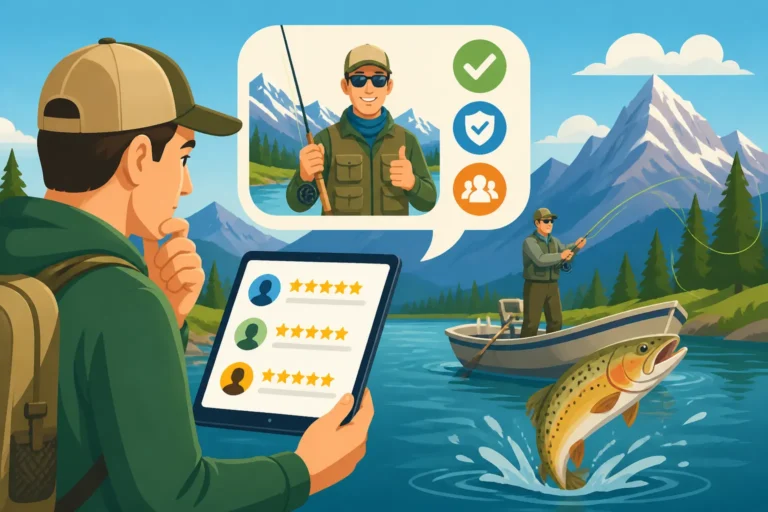
Online platforms can also be incredibly useful. Websites like FishingBooker allow you to search for guides by location and even filter by specific fish species or trip types. When using such platforms, pay close attention to guide profiles and reviews. Look for mentions of "expert river knowledge," "safe navigation," or "ability to find fish in challenging conditions." Don't just skim; read the detailed reviews to see if previous clients had successful trips during similar high-water periods. FishingBooker can connect you with guides who explicitly state their experience in navigating tough conditions, offering a level of transparency that's helpful. Remember, a guide's reputation for safety and success in adverse conditions is golden.
Preparing for Your High-Water Adventure
Once you've booked your guide, prepare yourself for the unique experience of high-water fishing. This isn't always about delicate dry fly presentations; it's often about heavy nymphing, swinging streamers, and sometimes even throwing large spoons or spinners. Your guide will provide specifics, but generally, be ready for:
- Layered Clothing: Expect cooler temperatures, especially on the water, and the possibility of rain or snow, even in late spring. Quick-drying synthetics are your friend.
- Rain Gear: A good waterproof jacket and pants are non-negotiable.
- Waders & Boots: Even if you're float fishing, waders provide extra warmth and protection from splashes. Your guide might even suggest using them to get out on shallow banks.
- Positive Attitude: High water can be a grind, but a good guide will work tirelessly. Trust their judgment, listen to their advice, and maintain an open mind. The rewards can be truly spectacular, with some of the biggest fish often caught during these less-than-ideal conditions.
- Patience: The fish might not be as active or as easy to find, but when you connect, it could be a truly memorable catch.
A high-water float trip, especially on rivers like the Float Trips on Wyoming's Snake River or the North Platte, can be an incredible way to experience Wyoming's wild beauty and catch some impressive fish, thanks to the expertise of a dedicated guide.
Here's a quick checklist to help you ensure you're ready to find and fish with an expert high-water guide:
| Category | What to Look For in a Guide | Why It Matters | Your Preparation |
|---|---|---|---|
| Experience | Years guiding on specific high-water rivers; strong reviews for tough conditions. | Navigating powerful currents and finding fish in turbulent water requires deep, local knowledge. | Ask detailed questions about their high-water track record. |
| Safety | Well-maintained, stable drift boat; ample safety gear; clear safety protocols. | Fast, cold water is dangerous. A safety-first approach is non-negotiable. | Listen carefully to safety briefings; wear your PFD. |
| Equipment | Specialized rods/reels for heavy rigs; variety of high-water flies/lures. | Standard gear often won't cut it in high, turbid water; specialized tackle is key. | Discuss gear with your guide; be prepared to use different methods. |
| Adaptability | Willingness to change tactics, move locations, and teach new techniques. | Conditions change rapidly; a flexible guide optimizes your chances of success. | Trust your guide's judgment; stay open to new approaches. |
| Communication | Clear instructions, pre-trip advice, and a friendly demeanor. | Good communication ensures you understand the plan and feel comfortable asking questions. | Ask all your questions beforehand; communicate your preferences. |
By doing your homework and choosing a guide who truly shines during high-water season, you're not just booking a fishing trip; you're investing in a safer, more productive, and ultimately more memorable adventure. While many anglers shy away from the rivers when they're running high, those with the right guide often find themselves with stories of impressive catches and challenging, rewarding days on the water. Platforms like FishingBooker can simplify the search by providing detailed guide profiles and reviews, making it easier to connect with the best in the business. Don't let high water deter you; let it be an opportunity to fish with the best.
Disclaimer
This article is for general informational purposes only and does not constitute professional advice. Laws, prices and regulations vary by location and change over time. Consult a qualified professional for guidance on your specific situation.