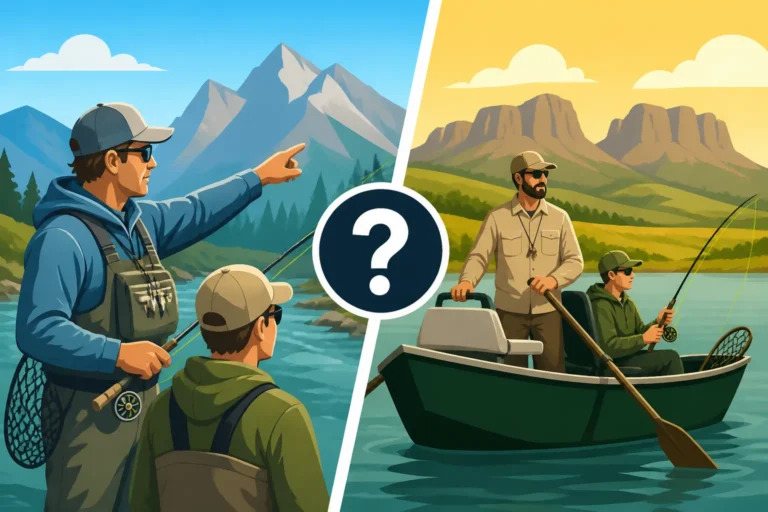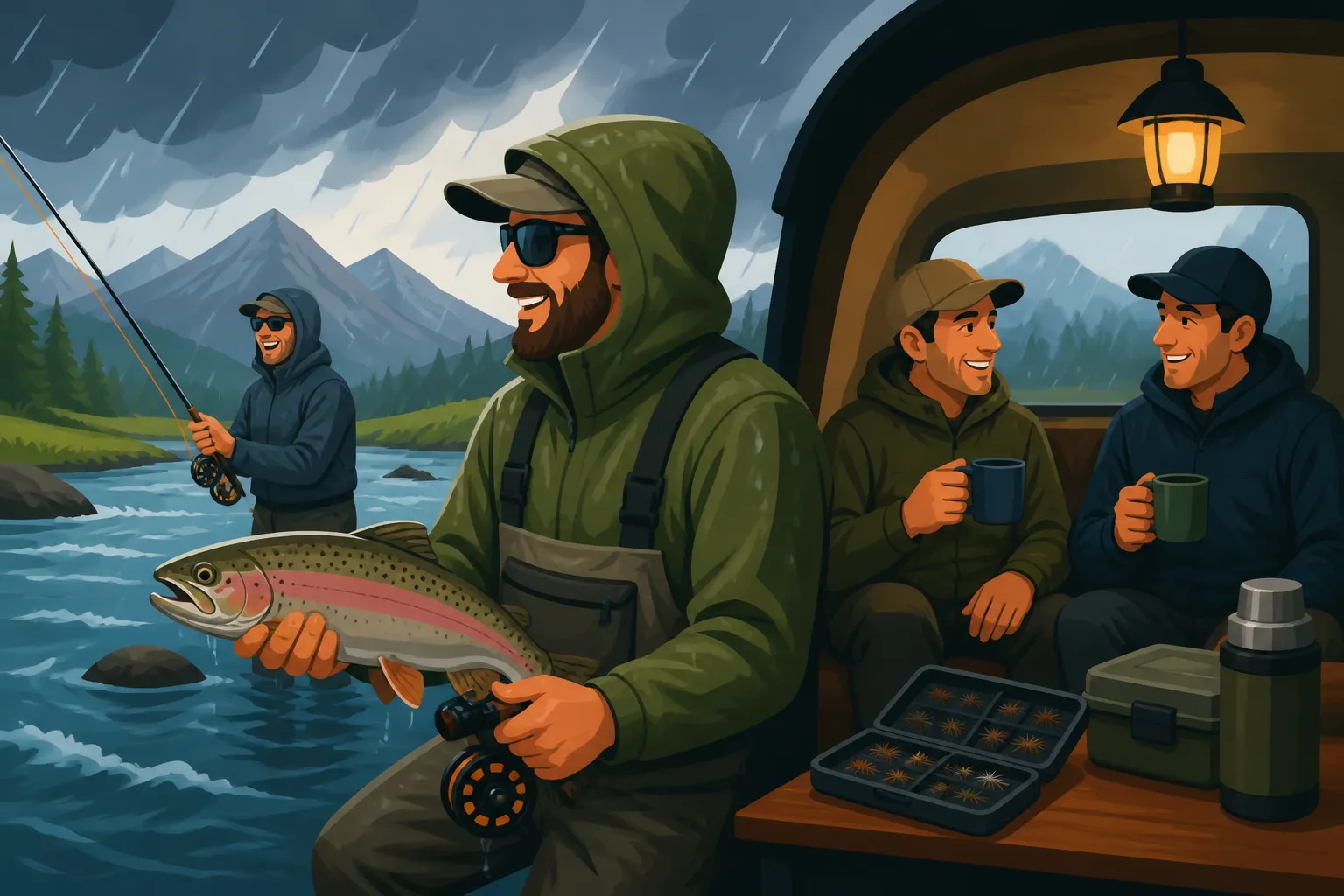
What Happens on a Guided Trip If It Rains
You've meticulously planned your Wyoming fishing adventure, maybe even spent weeks researching the perfect guide and the best stretches of river. You've dreamt of casting lines under the wide-open sky, soaking in the grandeur of the Tetons or the quiet beauty of a remote stream. Then, you check the forecast, and there it is: rain. That sinking feeling in your stomach is completely valid. It's frustrating to think your long-awaited trip might be dampened, literally. But don't despair! A little rain doesn't always mean a ruined trip. This guide will walk you through exactly what happens on a guided fishing trip in Wyoming when the weather turns wet, from communicating with your guide beforehand to adapting on the water and making the most of a soggy but potentially fantastic day.
The Initial Assessment: Before You Even Get on the Water
The first drops of rain, or even just the forecast of it, can bring a wave of anxiety. Will the trip be cancelled? Will I be miserable? The key to navigating this is proactive communication and understanding. Your guide is an expert not just in fishing, but in local weather patterns and how they impact safety and fishing conditions.
Checking the Forecast with Your Guide
Most professional fishing guides in Wyoming are meticulously checking weather forecasts days, if not weeks, in advance of your trip. They're often looking at more detailed, localized weather models than what you might see on a general app. Don't hesitate to reach out to your guide a few days before your scheduled outing if you see rain in the forecast and have concerns. They've likely already seen it and are forming a plan.
They might offer insights like, "It looks like scattered showers, but nothing heavy, and the fish often bite better when it's cloudy," or "We're expecting a consistent drizzle, so we'll plan on fishing the lower river where it's a bit more sheltered." This early conversation allows you to express your concerns and for them to manage your expectations, providing peace of mind. They might suggest a slight change in meeting time to avoid the heaviest downpours or even recommend a different stretch of water that might be less affected.
Understanding Your Guide's Weather Policy
Every guide and outfitter will have a specific weather policy, and it's something you should clarify when booking, especially if you're planning your trip during a historically volatile weather season. This policy usually addresses cancellations due to severe weather (like thunderstorms with lightning, heavy winds, or flash flood warnings) versus fishing through lighter, non-hazardous rain. Most guides won't cancel a trip simply for rain unless it poses a safety risk or makes fishing truly impossible or unenjoyable to an extreme degree.
When you're booking, perhaps through a platform like FishingBooker, it's a good practice to review the guide's cancellation terms for weather events. This isn't just about getting a refund; it's about understanding what scenarios warrant a reschedule or cancellation from the guide's perspective. Some guides might have a clause that allows for a full refund or a credit towards a future trip if they deem the conditions unsafe, while others might proceed unless the weather is truly extreme. Knowing this upfront avoids awkward conversations when you're standing by the river with clouds overhead. Be prepared for them to make the ultimate call on safety, as their local expertise is paramount.
During the Trip: When the Skies Open Up
So, you're out on the water, having a grand time, and suddenly, the heavens open. Or maybe it's been drizzling all morning. What happens next depends heavily on the intensity of the rain and your guide's assessment of the situation. It's an adaptable environment, and a good guide knows how to pivot.
Adapting Gear and Techniques in the Rain
First and foremost, your guide will ensure your safety and comfort. They'll probably be checking in with you regularly. If you followed good advice, you brought proper rain gear—waterproof jacket, pants, and maybe even waterproof gloves. Your guide will often have extra ponchos or emergency gear, but it's always best to come prepared yourself. What to Bring on a Guided Wyoming Fishing Trip goes into more detail on essential items.
From a fishing perspective, rain can actually be a blessing! Lower light conditions and often a drop in barometric pressure can make fish more active and less spooky. Here's how a guide might adapt:
- Lure/Fly Changes: The guide might switch to darker, more contrasting flies or lures that are easier for fish to see in murky or low-light conditions. Streamers, nymphs, or even larger, more visible dry flies can become highly effective.
- Depth Adjustment: As rain hits the water, it can sometimes cool surface temperatures or increase oxygen levels, which might change where fish are holding. Your guide might suggest fishing deeper or closer to structure.
- Targeting Different Species/Spots: If heavy rain makes a particular river section too muddy or fast, your guide might know a more sheltered tributary or a lake where fishing conditions are better. For example, some fish species, like brown trout, are known to become incredibly active during a good rain.
- Casting Adjustments: Wind often accompanies rain, and your guide will help you adjust your casting technique to contend with it, maybe shortening casts or changing angles.
Remember, a guide's main goal is to get you on fish and ensure you have a positive experience, even in less-than-ideal weather. They are masters of improvisation and reading the water, even when it's getting a good soak. You might be surprised at how some of the best fishing stories start with "It was pouring rain, but…"
Seeking Shelter and Safety Considerations
While anglers often say "fish don't mind the rain," there are limits to what's safe and enjoyable for humans. If the rain intensifies to a downpour, or if lightning and thunder become a factor, safety becomes the absolute priority. Your guide will take swift action.
- Finding Shelter: On a float trip, your guide can often pull the boat over to a bank with dense tree cover or a rock overhang. Some guides even carry small emergency tarps. If you're wade fishing, they'll direct you to the nearest vehicle or a safe, sheltered spot.
- Lightning: This is the big one. If lightning is present, fishing stops immediately. Your guide will direct everyone to safety, usually by getting off the water and seeking shelter in a vehicle or a sturdy building if available. This is a non-negotiable safety protocol.
- Flash Flooding/High Water: In some steep canyons or after prolonged heavy rain, flash floods can be a risk, or river levels can rise rapidly. A skilled guide will monitor water levels and clarity closely. If conditions become dangerous, they will make the call to evacuate the water. This is where their intimate knowledge of local waterways and How Wyoming Game and Fish Announces Emergency Closures becomes invaluable.
- Hypothermia: Even in warmer months, continuous rain combined with wind can lead to hypothermia, especially if you're not dressed appropriately. Your guide will watch for signs of discomfort or extreme cold and will suggest warming up, taking a break, or even heading in early if necessary. They might suggest a warm drink break in the vehicle or offer extra layers if they have them.
Your guide's role here is not just to find fish, but to act as a wilderness first responder and safety manager. Trust their judgment implicitly when it comes to adverse weather conditions.
Post-Rainfall Decisions: Continuing or Calling It Quits
After a significant downpour, or if the rain has been persistent, you and your guide will need to assess the situation and decide how to proceed. This is a crucial moment for honest communication about comfort levels and expectations.
Discussing Options with Your Guide
Once any immediate safety concerns are addressed, your guide will typically check in with you: "How are you feeling? Are you up for continuing?" This is your chance to be honest. Maybe you're soaked to the bone and shivering, or perhaps you're invigorated by the wild weather and ready for more.
Depending on the forecast and current conditions, the guide might present several options:
- Continue Fishing: If the rain has subsided, conditions are safe, and you're still enthusiastic, you might just keep going. As mentioned, the post-rain bite can be incredible.
- Change Locations: "The river's a bit high and off-color here now, but I know a smaller tributary or lake nearby that might have cleared up and could offer some great fishing for the next few hours." This shows their adaptability and commitment to a good experience.
- Take an Extended Break: "Let's head back to the truck, get warm, grab some lunch, and see if this squall passes. We can always get back on the water if it clears up." This is a smart way to let the weather settle and recharge.
- Call It a Day: If the rain is persistent, heavy, or has led to unsafe or unfishable conditions (like extremely muddy water or continued lightning), the guide might suggest calling the trip. This is never an easy decision for a guide, as they want you to have a full experience, but sometimes it's the most responsible choice.
It's important to remember that weather can be unpredictable, especially in the mountains of Wyoming. Your guide is doing their best with the information and conditions at hand.
Rescheduling and Refund Policies
If a trip is cut short or cancelled entirely due to weather, the guide's pre-defined policy will come into play. This is why understanding it upfront is so important.
- Guide-Initiated Cancellation: If the guide cancels the trip due to unsafe conditions (lightning, high winds, dangerous water levels), you will typically be offered a full refund or the option to reschedule for another date. This is standard practice in the guiding industry, and reputable guides stand by it.
- Client-Initiated Cancellation: If the guide is willing to fish through light rain, but you, as the client, decide you're too uncomfortable to continue, the refund or rescheduling policy might differ. In many cases, if the guide is ready and able to perform the service, a partial refund or no refund might be issued for the uncompleted portion of the trip, especially if a significant amount of time has already passed. This can feel unfair if you're cold and wet, but from the guide's perspective, they've committed their time and resources.
- Partial Day Options: Some guides, especially on platforms like FishingBooker, might have options for "rain checks" or partial refunds if a full-day trip turns into a half-day due to weather. Discuss this openly and fairly.
The goal is to find a solution that's fair to both parties. Good guides rely on word-of-mouth and positive reviews, so they'll generally strive for client satisfaction even when Mother Nature throws a curveball.
Making the Most of a Rainy Day Trip
While the thought of rain on your fishing trip might initially feel like a letdown, seasoned anglers often view it as an opportunity. There are genuine benefits to fishing in the rain, and with the right mindset and gear, it can turn into an unforgettable experience.
The Unexpected Benefits of Fishing in the Rain
It sounds counterintuitive, but a rainy day can often lead to some of the best fishing experiences. Here's why:
- Less Pressure: Fair weather days bring out the crowds. A little rain often deters casual anglers, meaning you might have that prime stretch of river or lake all to yourself. Less competition means potentially more undisturbed fish and a more serene experience.
- Active Fish: As mentioned earlier, rain can trigger a feeding frenzy. The reduced light penetration makes fish feel more secure and less wary of predators (and your presence). The influx of water can wash terrestrial insects into the river, providing a sudden buffet. Oxygen levels often increase, invigorating fish.
- Prime Conditions for Certain Species: Brown trout, in particular, are often highly active during and after rain. They'll venture out from cover to feed aggressively. If you're targeting trophy browns, a rainy day could be your golden ticket.
- Dramatic Scenery: Wyoming's landscapes are breathtaking on a sunny day, but rain can add a dramatic, moody, and mystical quality. The mountains veiled in mist, the vibrant greens of the foliage against a grey sky – it's a different kind of beauty, and often makes for incredible photos (if your camera is waterproof!).
- Sense of Accomplishment: Catching fish in challenging conditions is incredibly rewarding. You'll have a story to tell that's far more interesting than "the sun was shining, and the fish practically jumped on my hook."
Embrace the challenge, and you might just discover a new favorite type of fishing day.
Essential Rainy Day Gear for Anglers
Preparation is paramount for enjoying a rainy fishing trip. Think of it not as a nuisance, but as an opportunity to truly test your gear and come out on top.
Here’s a quick rundown of what you absolutely need, beyond your standard fishing setup:
| Item | Description | Why It's Essential |
|---|---|---|
| Waterproof Rain Jacket | Breathable, fully waterproof (Gore-Tex or similar), with a good hood. | Keeps your core dry and warm, preventing hypothermia. Hood keeps rain off your face. |
| Waterproof Rain Pants | Comfortable, easy to pull over waders or regular pants. | Keeps your lower body dry, preventing discomfort and chilling. |
| Waterproof Hat | Baseball cap with a wide brim or a waterproof wide-brimmed hat. | Keeps rain off your face and glasses, improving visibility. |
| Waterproof Gloves | Lightweight, quick-drying, or fully waterproof insulated gloves. | Prevents numb, cold hands, allowing you to handle tackle and fish. |
| Extra Layers | Fleece, wool, or synthetic base layers (avoid cotton!). | Provides insulation even if damp, crucial for maintaining body temperature. |
| Dry Bag/Packs | Small, waterproof bags for valuables, extra layers, and electronics. | Protects phone, wallet, camera, snacks, and extra clothing from getting soaked. |
| Thermos with Hot Drink | Coffee, tea, or hot chocolate. | Instant warmth and comfort during breaks, a real morale booster. |
| Waterproof Boots/Waders | If not already wearing waders, ensure footwear is fully waterproof. | Keeps feet dry and warm, essential for comfort and health. |
| Small Towel | Quick-drying microfiber towel. | Handy for drying hands, wiping down gear, or cleaning glasses. |
Having these items on hand means you can focus on the fishing, rather than obsessing over being cold and wet. Your guide will appreciate your preparedness, too. They'll often provide a cooler for drinks and snacks, but having your personal waterproof dry bags for your essentials is always a smart move. Check out What to Wear on a Wyoming Guided Fishing Trip for more detailed clothing recommendations.
So, the next time you see rain in the Wyoming forecast for your guided trip, don't let that initial wave of disappointment win. Talk to your guide, pack smart, and be ready to embrace the elements. You might just find that some of the most memorable and successful fishing trips happen when the skies are gray and the rain is falling. The wildness of Wyoming truly shines, and often, so does the fishing.
Disclaimer
This article is for general informational purposes only and does not constitute professional advice. Laws, prices and regulations vary by location and change over time. Consult a qualified professional for guidance on your specific situation.