What to Wear on a Wyoming Guided Fishing Trip
Heading out for a guided fishing trip in Wyoming is an incredible adventure, but one thing that can quickly dampen the spirits is being unprepared for the wildly unpredictable weather. From blazing sun to sudden hail, a single day in the Cowboy State can throw everything at you. This guide is here to help you navigate those packing dilemmas, ensuring you're comfortable and ready to focus on catching fish, no matter what Mother Nature decides to do.
The Core Principle: Layering for Wyoming's Wild Weather
Wyoming's weather isn't just a topic of conversation; it's a way of life, especially when you're out on the water. Many anglers have been caught off guard, experiencing all four seasons in a single afternoon. A guided trip means you'll be out there, rain or shine, so your clothing needs to be as adaptable as the fish you're chasing.
Why Layers Are Your Best Friend
Imagine this: You wake up before dawn, the air is crisp, maybe even a little frosty, and you're bundled up in a warm jacket, beanie, and gloves. By mid-morning, the sun is high, you're peeling off layers, feeling the warmth on your skin. Then, a sudden squall rolls in from the mountains, bringing a sharp drop in temperature, wind, and perhaps a quick burst of rain or even snow. This isn't a hypothetical scenario; it's a common day on a Wyoming river or lake.
The high-desert climate combined with significant elevation changes means that temperatures can swing dramatically in a matter of hours. What starts as a chilly 40-degree morning can easily become a sunny 70-degree afternoon, only to drop back down to 50 degrees with a thunderstorm. A good guide will keep you fishing through these changes, but it's your personal comfort that will determine your enjoyment. Cotton, while comfortable for a summer picnic, is a terrible choice for fishing because it holds moisture and loses all insulating properties when wet, making you feel much colder. This is why a strategic layering system is absolutely non-negotiable for any Wyoming fishing excursion.
Understanding Your Base, Mid, and Outer Layers
Think of your clothing system like a house: each part serves a crucial function to keep you protected from the elements.
The Base Layer: Your Second Skin
This is the layer closest to your skin, and its primary job is to manage moisture. When you're actively casting, rowing, or hiking to a secluded spot, you'll sweat. Your base layer needs to wick that sweat away from your body to prevent you from getting cold when you stop moving or when the air temperature drops. The best materials for base layers are merino wool or synthetic fabrics like polyester. Both are excellent at moisture management and retain some warmth even when damp. Merino wool also has natural odor-resistant properties, which is a nice bonus on a multi-day trip! Avoid cotton at all costs for your base layer; it absorbs sweat and traps it against your skin, leading to a chilling effect. For cooler days, consider both a long-sleeve top and long bottoms. For warmer summer days, a lightweight short-sleeve or long-sleeve moisture-wicking synthetic shirt might be enough.
The Mid Layer: Your Insulation Hub
The mid layer is all about warmth. This is the insulation that traps air close to your body, keeping you toasty. The beauty of a mid-layer is its versatility: you can easily add or remove it as temperatures fluctuate throughout the day. Common choices include fleece jackets, lightweight down or synthetic puffy jackets, or wool sweaters. Fleece is a popular option because it's relatively inexpensive, insulates well, and dries quickly. A lightweight puffy jacket, whether down or synthetic, offers excellent warmth-to-weight ratio and can compress down small for easy packing. For most Wyoming conditions, having at least one good mid-layer is essential. On colder days, you might even opt for two lighter mid-layers rather than one heavy one, giving you even more flexibility.
The Outer Layer: Your Fortress Against the Elements
This is your protective shell, your first line of defense against wind, rain, and snow. A good outer layer needs to be both waterproof and breathable. Materials like Gore-Tex or similar proprietary membranes are fantastic because they prevent external moisture from getting in while allowing internal moisture (sweat vapor) to escape, preventing you from getting clammy. A good rain jacket and rain pants are absolutely vital, even on days with a clear forecast. Wyoming weather is notorious for turning on a dime, especially in the mountains. Imagine being on the Miracle Mile Stretch of Wyoming's North Platte River when a summer thunderstorm hits – you'll be thankful for that robust outer shell. Look for features like adjustable hoods, cuffs, and waistbands to seal out drafts and moisture.
Seasonal Considerations: Dressing for Success Year-Round
While layering is the golden rule, the specific types and weights of those layers will vary greatly depending on the season you're planning your guided trip.
Spring and Fall: The Land of "Anything Goes"
The shoulder seasons in Wyoming are arguably the most challenging to pack for, precisely because anything can and often does happen. Spring (April-May) and Fall (September-October) bring incredible fishing opportunities, like the famed brown trout runs, but they also bring highly variable weather. You might start your day with frosty breath on your coffee cup and end it in a t-shirt, only to face a sudden snow flurry before dinner.
For these months, you need your most comprehensive layering system. A medium-weight merino wool or synthetic base layer is a good starting point. Over that, a warm fleece or a lightweight puffy jacket will be your go-to mid-layer. Your outer layer must be fully waterproof and windproof – a quality rain jacket and rain pants are non-negotiable. Don't forget your head and hands; a warm beanie and waterproof gloves are essential for cold mornings and any unexpected precipitation. On a spring day, you might experience everything from bright sunshine to slushy snow, especially if you're fishing higher elevation waters. Wyoming Spring Fishing: What to Expect is all about being prepared for those sudden shifts.
Summer: Don't Underestimate the High-Altitude Sun and Sudden Storms
While August might conjure images of warm, lazy days, a Wyoming summer fishing trip still demands smart packing. The biggest challenges are intense UV radiation at high altitudes and the propensity for afternoon thunderstorms. You might think you can get away with just shorts and a t-shirt, but that would be a mistake.
For your base layer, opt for lightweight, breathable, and sun-protective clothing. Long-sleeve fishing shirts made of quick-drying synthetics are ideal; they protect you from the sun's harsh rays while wicking sweat. Look for shirts with a UPF (Ultraviolet Protection Factor) rating. Lightweight pants, convertible pants, or quick-dry shorts are all good options for bottoms. A wide-brimmed hat is crucial for face and neck protection. Even in the heat of summer, still pack a light insulating layer (a thin fleece or a very lightweight puffy) for early mornings, evenings, or if a sudden cloudburst brings a temperature drop. And yes, a waterproof rain jacket is still essential. Many a summer fishing trip has been interrupted by a torrential, albeit brief, thunderstorm. Wyoming Summer Fishing: Peak Season Tips often highlight this need for readiness.
Winter and Ice Fishing: Staying Warm When It Counts
When the landscape freezes over, winter fishing in Wyoming opens up a whole new world of adventure, especially ice fishing on lakes like Boysen or Flaming Gorge. But staying warm is paramount. This isn't a time for casual layers; it's a time for serious insulation.
You'll need heavy-duty insulated base layers, perhaps even two sets on particularly frigid days. Your mid-layers should be substantial – think thick fleece, heavy down or synthetic insulated jackets, or even an insulated vest over a fleece. The outer layer is critical: a windproof and waterproof insulated suit (jacket and bibs) designed for extreme cold is ideal. Specialized ice fishing suits often come with flotation assistance, which is an added safety benefit. Your boots are incredibly important; they should be waterproof, insulated, and rated for temperatures well below freezing. Don't skimp here; cold feet can end your day quickly. Multiple pairs of warm wool socks are a must. For hands, a combination of thin liner gloves (for dexterity while handling tackle) and thick, waterproof mittens or insulated gloves is wise. Hand and foot warmers are also your best friends. While a Guided Ice Fishing Trips in Wyoming might provide a shelter, keeping your body warm is still your responsibility. Check out What to Wear Ice Fishing in Wyoming for a deeper dive into winter apparel.
Here's a quick reference table for seasonal layering recommendations:
| Layer Type | Spring (Apr-May) | Summer (Jun-Aug) | Fall (Sep-Oct) | Winter (Nov-Mar) |
|---|---|---|---|---|
| Base Layer | Medium-weight merino/synthetic | Lightweight, sun-protective synthetic | Medium-weight merino/synthetic | Heavy-weight merino/synthetic (2 sets opt.) |
| Mid Layer | Fleece / Lightweight puffy | Light fleece / Very light puffy (optional) | Fleece / Lightweight puffy | Heavy fleece / Insulated puffy |
| Outer Layer | Waterproof, windproof rain jacket & pants | Waterproof, breathable rain jacket (light) | Waterproof, windproof rain jacket & pants | Insulated, waterproof, windproof suit |
| Headwear | Beanie, ball cap | Wide-brimmed sun hat, ball cap | Beanie, ball cap | Insulated beanie, balaclava |
| Handwear | Waterproof gloves, fingerless gloves | Light sun gloves (optional), light fingerless | Waterproof gloves, fingerless gloves | Insulated, waterproof gloves/mittens (2 pr) |
| Footwear | Waterproof wading boots/hiking boots, wool socks | Wading boots/waterproof sandals, quick-dry socks | Waterproof wading boots/hiking boots, wool socks | Insulated, waterproof winter boots, heavy wool socks |
Essential Accessories and Footwear: Don't Forget the Details
It's often the small things that make the biggest difference in your comfort on a long day of fishing. Don't overlook these critical accessories.
Headwear and Hand Protection
Your extremities are often the first to get cold, and protecting them is crucial for comfort and overall body temperature regulation. A good hat serves multiple purposes: it keeps the sun off your face in summer, and it traps valuable heat in cooler weather. For colder trips, a warm beanie is essential, especially in the early mornings or evenings. Some anglers prefer a balaclava in really frigid winter conditions.
For hands, it's a balance between warmth and dexterity. Many anglers use fingerless gloves for tying knots and handling tackle, and then layer a warmer, waterproof glove or mitten over them when not actively fishing. If you're doing a lot of wading or fishing in the rain, waterproof gloves are a game-changer. Imagine trying to re-tie a snagged fly with numb fingers – it’s a recipe for frustration. Always pack at least one pair of gloves, even in summer, just in case a cool front or a thunderstorm rolls through. Having these items on your Ice Fishing Gear Checklist for Wyoming Lakes is often a matter of safety.
Footwear: Keeping Your Feet Dry and Warm
Happy feet make for a happy angler! The right footwear can literally make or break your trip.
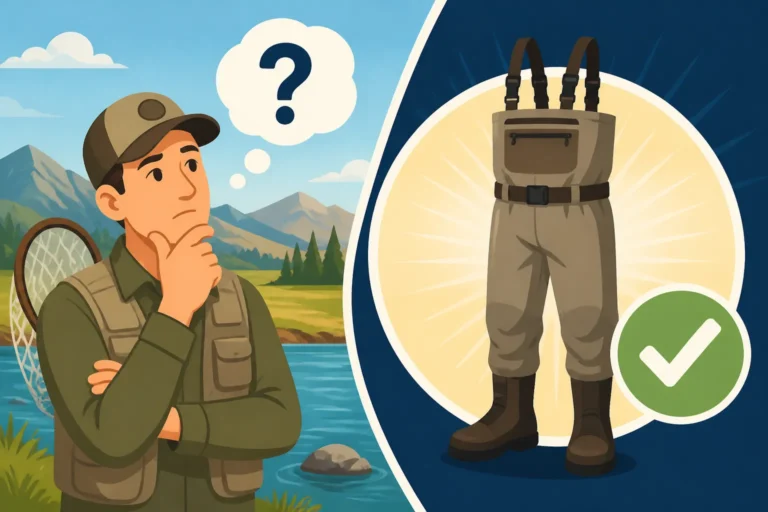
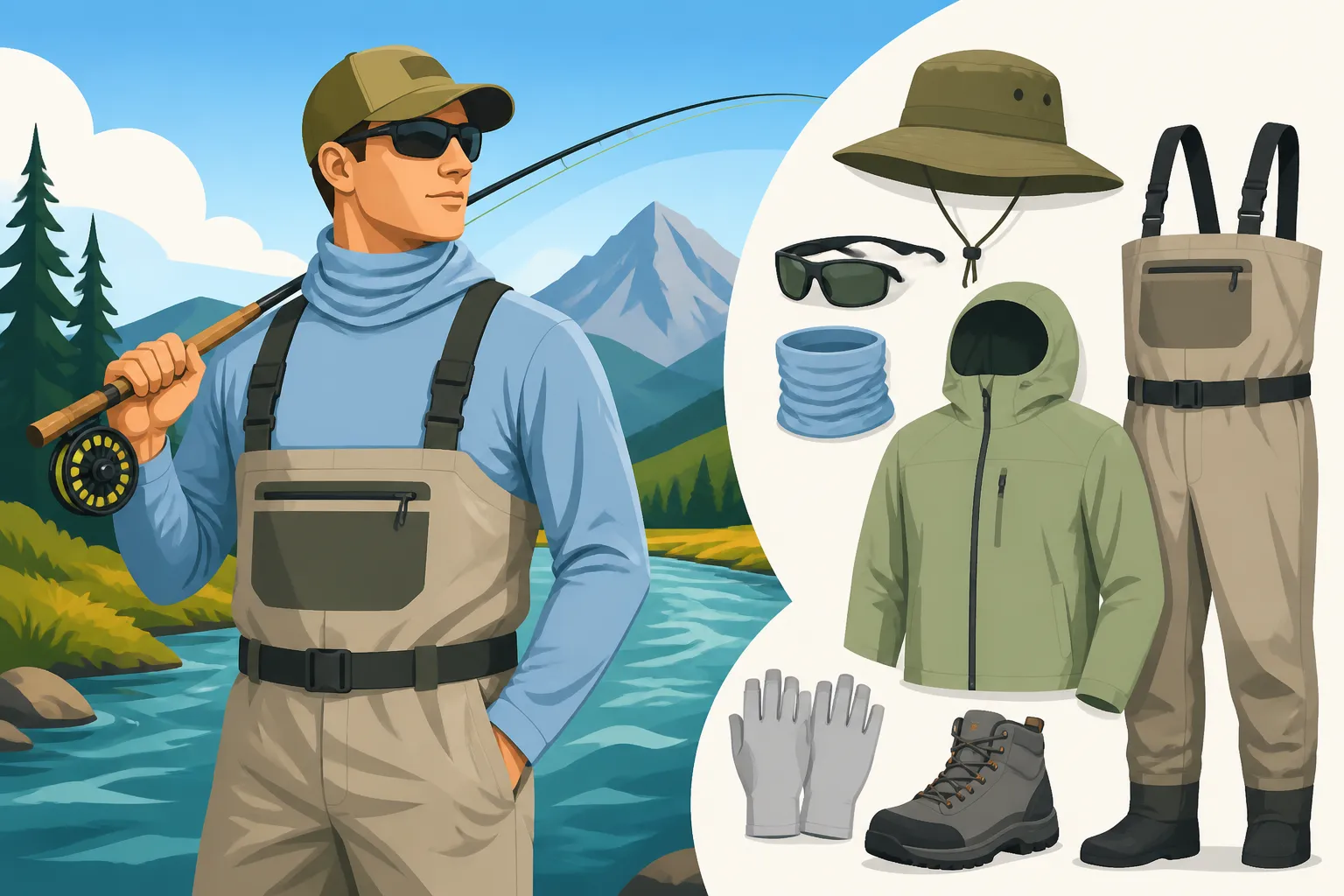
If your guided trip involves wading in rivers, you'll need waders. Most guides will tell you upfront if wading is a primary part of the trip. If you don't own waders, ask your guide if they provide them, or if there's a local shop that offers rentals. Waders come in chest-high or waist-high options, and typically require separate wading boots. Make sure you layer appropriate socks underneath your waders – wool or synthetic are best. Avoid cotton, as it can cause chafing and discomfort. If you're bank fishing or hiking to certain spots, sturdy, waterproof hiking boots are ideal. Again, wool socks are your friend, even in summer, as they wick moisture and prevent blisters. For Wyoming Spring Fishing: What to Expect, waterproof boots are crucial as streams can be high and trails muddy. Remember to consult your guide about whether Do You Need Waders to Fish Wyoming Rivers in Spring? is a question you should be asking them directly.
Other Must-Have Items
Beyond clothing, a few other items are critical for a successful and comfortable day on the water:
- Polarized Sunglasses: These aren't just for looking cool. They are absolutely essential for eye protection from UV rays and for reducing glare on the water, allowing you to see fish, structure, and potential hazards beneath the surface. Many guides will tell you they are the single most important accessory.
- Sunscreen: Even on cloudy days, the high altitude in Wyoming means increased UV exposure. Apply generously and reapply throughout the day.
- Insect Repellent: Depending on the season and location, mosquitoes, gnats, and other biting insects can be a nuisance. Having repellent handy can save you a lot of irritation.
- Small Backpack or Dry Bag: A small, comfortable pack is great for holding your extra layers, snacks, water, and other personal items. If you're on a boat, a small dry bag can protect electronics and other valuables from splashes or unexpected downpours.
- Camera: To capture those memories and, of course, the fish! Make sure it's protected from water.
- Water Bottle/Hydration Pack: Staying hydrated is always important, especially when you're active and at higher elevations.
- Snacks: While some guided trips might include lunch, having a few extra snacks can boost your energy levels throughout the day.
When you're looking at guides on platforms like FishingBooker, make sure to ask about what gear they provide versus what you need to bring, like waders or specialized outerwear. This proactive communication will save you headaches.
Communicating With Your Guide: The Key to Being Prepared
Ultimately, your guide is your best resource for understanding the specific conditions you'll face and what to wear. Don't hesitate to reach out!
Before You Go: Asking the Right Questions
A good fishing guide wants you to have the best possible experience, and that includes being comfortable. Before your trip, especially once you've booked your experience, reach out to your guide directly. This is where platforms like FishingBooker really shine, as they often provide direct messaging capabilities with your guide.
Here are some key questions to ask:
- "What are the expected weather conditions for our trip date and location (e.g., Fishing the North Fork of the Shoshone River vs. a high alpine lake)?"
- "What layers do you recommend for the typical highs and lows we might encounter?"
- "Do I need to bring waders, or will you provide them if wading is part of the plan?"
- "Are there any specific weather patterns or recent changes I should be aware of?"
- "Do you provide any gear like rods, reels, or flies, or should I bring my own?" (This helps with knowing if you need to pack extra for that too!)
Asking these questions beforehand can save you a lot of guesswork and ensure you don't show up over-packed or, worse, under-prepared. Knowing What to Bring on a Guided Wyoming Fishing Trip is more than just fishing gear; it's about personal preparedness. Also, it's wise to inquire about the What Happens on a Guided Trip If It Rains or if other inclement weather crops up. Your guide will have a plan, and knowing it can help you prepare.
The Guide's Role in Your Comfort
While your guide is an expert on the water and will do everything in their power to put you on fish, they aren't your personal outfitter. They will likely have some emergency gear, perhaps an extra rain jacket or a spare pair of gloves, but they expect you to arrive dressed appropriately for the conditions. Your comfort directly impacts your enjoyment, and by extension, the overall success of the trip. If you're shivering uncontrollably or getting sunburned, you won't be focused on learning new techniques or enjoying the breathtaking Wyoming scenery.
Being well-dressed for your guided fishing trip shows respect for your guide's expertise and ensures you get the most out of your hard-earned adventure. The rugged beauty of Wyoming fishing is an experience of a lifetime, and being prepared for its wild temperament will only enhance your memories.
Disclaimer
This article is for general informational purposes only and does not constitute professional advice. Laws, prices and regulations vary by location and change over time. Consult a qualified professional for guidance on your specific situation.