What to Bring on a Guided Wyoming Fishing Trip
Oh, the excitement of a guided fishing trip in Wyoming! You've booked your adventure, maybe you found a fantastic guide through a service like FishingBooker, and now the big day is approaching. But then that little voice in your head starts: "What do I actually need to bring?" It's a valid question, and one that trips up even experienced anglers heading into unfamiliar territory. Wyoming is a land of incredible beauty, but also sudden weather shifts and remote conditions, so showing up unprepared can quickly turn a dream day into a miserable one. This guide is all about cutting through that confusion, helping you pack smart, and ensuring you have everything you need to truly enjoy your time on the water, no matter what surprises Wyoming throws your way.
Why Packing Smart for a Guided Trip is Crucial
You might think, "I'm paying for a guide, they'll handle everything!" And while a great Wyoming fishing guide certainly takes care of a huge amount of the logistics, gear, and local knowledge, they aren't your personal outfitter for every single personal item. Your comfort, safety, and overall enjoyment still fall squarely on your shoulders when it comes to personal packing. A guided trip is an investment, often in a once-in-a-lifetime experience, and being prepared ensures you get the absolute most out of it.
The Unpredictable Wyoming Climate
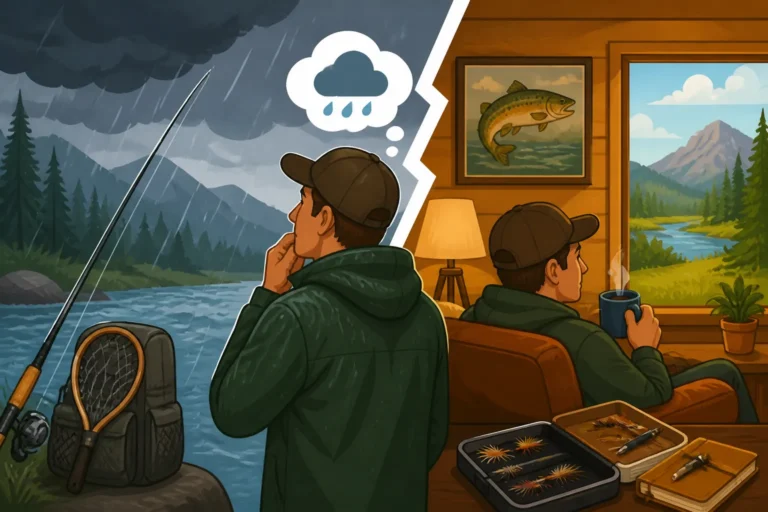
Wyoming's weather is famous for its unpredictability. Seriously, it's not just a cliché! You can wake up to crisp, cool air, experience a warm, sunny afternoon, and then have a sudden thunderstorm roll in, followed by dropping temperatures, all in a single day. This isn't just a slight inconvenience; it can be a significant factor in your comfort and even your safety, especially if you're out on a boat or in a remote section of a river. One minute you're shedding layers, the next you're wishing you had a heavier jacket and full rain gear. This dynamic environment is precisely why a well-thought-out packing strategy is paramount. You need to be ready for sunshine, wind, rain, and even a surprise snow flurry, depending on the season and elevation. Ignoring this reality is one of the quickest ways to sour an otherwise perfect fishing day.
It's not just the sudden changes, but also the extremes. Summer days can blaze hot with intense sun exposure, especially on the water where reflection amplifies UV rays. Conversely, even in summer, mornings can be surprisingly chilly, particularly at higher elevations or in canyons where the sun hasn't quite crested the ridge. This constant flux demands a layering system that allows you to adapt quickly and efficiently, shedding or adding pieces without disrupting your fishing flow. Thinking about the nuances of the weather will truly elevate your experience and prevent you from spending your precious fishing time shivering or squinting.
Maximizing Your Guided Experience
A guided trip is designed to put you on fish, teach you new techniques, and share local secrets. Your guide wants you to have an incredible time, and being properly equipped allows you to focus entirely on the fishing, the scenery, and the learning experience. Imagine trying to concentrate on your dry fly presentation when your hands are numb from the cold, or you're squinting through sweat and sunburn because you forgot a hat and sunscreen. These small discomforts become huge distractions that detract from the very reason you hired a guide in the first place. You've invested in expertise and access; don't let a lack of basic personal preparedness undermine that.
Furthermore, being prepared shows respect for your guide's time and effort. They're not expecting you to be a seasoned backcountry survivalist, but they do appreciate an angler who has taken the initiative to bring appropriate clothing and personal items. It allows them to focus on guiding, rather than scrambling to find an extra rain jacket or digging out a forgotten water bottle. By coming prepared, you create a smoother, more enjoyable day for everyone involved. Your guide can then devote their full attention to helping you land that trophy trout or teaching you the perfect mend. For more insights on the professional relationship, check out Tipping Etiquette for Wyoming Fishing Guides.
Essential Clothing and Layering Systems
When it comes to clothing for fishing in Wyoming, thinking in "layers" is the golden rule. Forget heavy, bulky single garments. Instead, focus on a system of clothing that you can add or subtract as the conditions dictate. This approach ensures you're comfortable whether the sun is beating down or a sudden squall rolls in.
The Foundation: Base Layers
Your base layer is the first line of defense against both cold and sweat. Its primary job is to wick moisture away from your skin, keeping you dry and preventing that clammy, chilled feeling when temperatures drop. Avoid cotton at all costs for your base layer. Cotton absorbs moisture and holds it against your skin, making you feel cold and damp. Think about that moment you stop actively casting and the wind hits you – if you're wearing cotton, you're going to feel it.
Instead, opt for synthetic materials like polyester or merino wool. Both are excellent at wicking moisture. Merino wool has the added benefit of being naturally odor-resistant and warm even when damp, making it a favorite among many outdoor enthusiasts. For warm weather, a lightweight, short-sleeved synthetic base layer will wick sweat and provide some UV protection. In cooler conditions, a mid-weight long-sleeved top and bottom will be your best friend. This foundation sets the tone for your entire comfort level throughout the day, and it's a mistake often overlooked by those unfamiliar with mountain climates.
Warmth in the Middle: Insulating Layers
The mid-layer is where you add significant warmth without a lot of bulk. This layer traps air close to your body, providing insulation. Again, steer clear of cotton. Good choices include fleece jackets, down vests or jackets, or synthetic insulated jackets. A lighter fleece might be perfect for a cool summer morning, while a heavier fleece or a puffier synthetic jacket could be necessary for a fall float trip or an early spring wade. The beauty of a mid-layer is its versatility. You can easily zip it up or down, or take it off entirely, to fine-tune your temperature.
Consider bringing at least one lighter and one heavier mid-layer. For example, a lightweight fleece vest can be worn over your base layer on a slightly cool day, and if it gets colder, you can add a more substantial synthetic puffy jacket over that. This flexibility is key in Wyoming. If you’re planning a trip in shoulder seasons like spring or fall, or heading into higher elevations, having a substantial mid-layer is absolutely non-negotiable. It's the buffer that keeps you truly warm when the air turns biting. For understanding seasonal changes, take a look at Wyoming Fishing Seasons Month by Month.
Battling the Elements: Outer Shells and Rain Gear
This is perhaps the most critical layer for protection against Wyoming's weather tantrums. A good outer shell, specifically a waterproof and windproof rain jacket and pants, is an absolute must-have. Even if the forecast is for clear skies, don't leave home without it. Pop-up showers and wind are incredibly common, especially in the mountains. A high-quality rain jacket made from Gore-Tex or a similar breathable waterproof membrane will keep you dry without making you feel like you're sweating in a plastic bag. Look for features like adjustable cuffs, a good hood, and sealed seams.
Rain pants are just as important as the jacket. Nothing is more miserable than wet legs and cold spray soaking through your pants while you're trying to fish from a boat or wade a chilly river. They pack down small and can be easily stashed in a dry bag or backpack. Think about the type of rain gear you'd wear for a serious hike, not just a casual stroll. You want something robust enough to withstand hours of precipitation and continuous wind, keeping you completely dry and comfortable. Remember, a guide provides the boat, the knowledge, and often the tackle, but they can't provide you with dry, warm clothing if you didn't pack it yourself. For more comprehensive advice, see What to Wear on a Wyoming Guided Fishing Trip.
Waders, Boots, and Headwear
Unless you're specifically on a boat-only trip or a dedicated ice fishing excursion, waders and wading boots are likely essential for any river or stream fishing. Your guide might provide these, but it's crucial to confirm in advance. If you have your own comfortable, well-fitting waders and boots, it's often best to bring them, as rental gear might not fit perfectly or feel as good after hours on the water. Breathable chest waders are generally preferred, even in summer, as they offer flexibility for varying water depths and protection from wind and sun.
For headwear, bring both a wide-brimmed hat or a baseball cap for sun protection, and a warm beanie or wool hat for cold weather. The sun in Wyoming, especially at altitude, is intense, and protecting your face and neck is vital. A beanie, on the other hand, makes an incredible difference in retaining body heat when the temperatures drop. As for gloves, lightweight fishing gloves (fingerless for dexterity) can protect from sun and minor abrasions. In colder weather, a pair of warm, waterproof gloves or mittens (again, perhaps with fingerless options or convertible mitts) will keep your hands functioning when handling line and fish.
Personal Gear for Comfort and Safety
Beyond your fishing specific clothing, there are a host of personal items that, while seemingly small, can make a monumental difference in your comfort, safety, and overall enjoyment of the guided trip. These are the things that your guide truly expects you to bring for yourself.
Sun Protection is Non-Negotiable
We've touched on hats, but sun protection goes far beyond that in the Wyoming high country. The elevation means you're closer to the sun's UV rays, and water reflects those rays, effectively giving you a double dose of exposure. A high SPF, water-resistant sunscreen is absolutely vital. Apply it liberally to all exposed skin – face, neck, ears, hands – and reapply frequently throughout the day, especially after sweating or splashing. Don't forget the backs of your hands, which get a lot of sun exposure while casting.
A good pair of polarized sunglasses is not just for comfort; it's a safety and fishing tool. Polarized lenses cut glare off the water, allowing you to see deeper into the stream or lake, spot fish, and read currents and structure more effectively. They also protect your eyes from harmful UV rays and from stray hooks. You might even consider bringing a spare pair, just in case one gets lost or broken. Additionally, a neck gaiter or bandana offers excellent protection for your neck and face, and can be pulled up over your nose and mouth to guard against sun, wind, or dust.
Hydration and Sustenance
While your guide might have a cooler with some drinks, it’s always a good idea to bring your own refillable water bottle. Staying hydrated is crucial, especially when you're active and exposed to sun and wind. Dehydration can quickly sap your energy and focus. Many guides are happy to refill your bottle from a larger jug of water. Don't underestimate how much water you'll need; plan for more than you think.
When it comes to snacks, your guide might provide lunch on a full-day trip, but always confirm this beforehand. Even if lunch is included, bringing your own favorite snacks is a smart move. Think energy bars, trail mix, fruit, or anything that gives you a quick boost without being messy. Fishing can be physically demanding, and having easily accessible fuel will keep your spirits and energy levels high. If you have any dietary restrictions or preferences, definitely pack your own specialized snacks to ensure you're covered. This also allows you to munch whenever hunger strikes, rather than waiting for a designated meal break.
Personal Health and Hygiene Items
This category covers everything from medications to basic first aid. If you take any prescription medications, bring them in their original containers and ensure you have enough for the entire trip, plus a little extra just in case of delays. Inform your guide of any serious medical conditions or allergies, like bee stings or severe food allergies. This isn't just polite; it's critical for your safety.
A small personal first-aid kit can be a lifesaver. While your guide will likely have one, a few items specific to your needs are always good to have. Think band-aids for small cuts or blisters, antiseptic wipes, pain relievers, and any personal allergy medications. Insect repellent, especially in late spring and summer, is another must-have. Mosquitoes and biting flies can be relentless near water. Lastly, lip balm with SPF is a small item that provides huge comfort against windburn and chapped lips, which are common in dry, exposed environments.
Fishing Specifics (Beyond What the Guide Provides)
Many first-timers assume a guide provides every single piece of fishing gear. While they often supply the rods, reels, flies, and tackle, there are still a few things you might want to bring yourself to enhance your experience. Always confirm with your guide what they provide and what they expect you to bring. Services like FishingBooker often list what's included, which helps clarify expectations.
Your Go-To Tackle and Flies
If you're an experienced angler, you probably have a favorite rod, reel, or lucky fly that you feel confident fishing with. If your guide is okay with it, bringing your own primary rod and reel can add a layer of comfort and familiarity to your day. This is particularly true for fly anglers who might prefer a specific action or weight rod. Just make sure it's appropriate for the species and water you'll be fishing in Wyoming. For example, a 5-weight rod is a great all-around choice for most trout streams.
Similarly, if you have a fly box full of patterns that have consistently worked for you in the past, consider bringing it along. While your guide will undoubtedly have the most effective local patterns, sometimes having your "confidence fly" can make all the difference mentally. Just be sure any flies or lures you bring comply with Wyoming Fishing Regulations Every Angler Should Know, especially regarding barbless hooks on certain waters like the North Platte River. It's a fantastic conversation starter with your guide, too, and they might even learn something new!
Capturing the Memories Responsibly
Most anglers want to capture photos of their trophy catches and the stunning Wyoming landscapes. A waterproof camera (GoPro, waterproof point-and-shoot, or a phone with a waterproof case) is ideal. However, remember that your guide's priority is helping you fish and ensuring the fish are handled properly for release. Always ask your guide if it’s a good time for photos, and be ready to quickly snap a shot and return the fish to the water, especially if it’s a catch-and-release situation. A small, dry bag or waterproof pouch for your electronics is also a wise investment, whether for a camera, phone, or car keys.
Don't forget the power bank! Between taking photos, checking your phone for messages (if you have service), or even using a fishing app, your battery can drain quickly. A portable power bank ensures your devices stay charged, ready to capture that perfect moment or contact someone in an emergency. Remember, a picture is great, but the experience and the fish's well-being come first. Also, consider bringing a small, soft towel for handling fish gently, if your guide doesn't already provide one.
The "Just In Case" Items
Sometimes, it's the little things that save the day. A multi-tool or a pair of pliers can be incredibly handy for everything from cutting line to removing hooks. A small headlamp or flashlight can be useful if your trip extends into dusk or if you need to find something in your bag in low light. A small, waterproof notebook and pen can be great for jotting down notes from your guide – specific fly patterns, techniques, or memorable locations.
Lastly, consider a small, easily accessible dry bag for your personal items. This keeps essentials like your phone, wallet, keys, and an extra layer protected from spray, rain, or an accidental dunk. Even on a beautiful day, a rogue wave or splash can soak unprotected items. Having these items secure and dry gives you peace of mind and allows you to truly immerse yourself in the fishing experience.
Documentation and Essentials
Before you even think about casting a line, there are a few non-negotiable items you absolutely must have with you. Forgetting these can mean your guided trip never even gets off the ground, or it could lead to legal trouble.
Your Wyoming Fishing License and ID
This is the absolute top of the list. You must have a valid Wyoming fishing license to fish, even on a guided trip. Your guide cannot fish for you without one, nor can they typically sell you one on the spot. Make sure you purchase it in advance. You can often buy them online through the Wyoming Game and Fish Department website or at licensed vendors throughout the state. Carry your physical license, or have a digital copy readily accessible on your phone, along with a valid photo ID. Wardens do check!
Double-check the type of license you need – resident vs. nonresident, annual vs. daily vs. five-day. Don't forget the Wyoming Conservation Stamp if your license requires it. This stamp is vital for funding wildlife conservation efforts in the state. Confirming you have the correct and current documentation before you leave home saves a huge amount of stress and potential fines. For detailed information on licenses, refer to Do You Need Your Own Fishing License for a Guided Trip? and Wyoming Resident vs Nonresident License Rules.
Payment, Gratuity, and Booking Confirmations
Confirm the payment details with your guide or outfitter before the trip. Do they accept cash, card, or digital payment? Many guides prefer cash for their payment, especially for gratuities, but clarify this beforehand. Have your payment ready at the beginning or end of the trip, as agreed. Also, remember that tipping your guide is customary and greatly appreciated for a job well done. Plan for this in your budget. It's a small way to say thank you for their hard work, expertise, and personalized service.
Bring a copy of your booking confirmation, whether printed or on your phone. This includes contact information for your guide and the outfitter, meeting times, and locations. While things rarely go wrong, having these details easily accessible can be a lifesaver if there's a last-minute change, a misunderstanding, or a connectivity issue preventing you from accessing emails. You can often find reputable guides and confirm these details through platforms like FishingBooker, which streamline the booking process and provide clear communication channels.
Considerations for Different Trip Types
While many essentials remain the same, the specific type of guided fishing trip you've booked can slightly alter your packing priorities. Wyoming offers a diverse range of fishing experiences, from tranquil float trips to strenuous high-alpine excursions, and even invigorating ice fishing adventures.
Float Trips vs. Wade Trips
If you're going on a float trip on a river like the North Platte or the Snake, you'll spend most of your time in a drift boat or raft. This means you'll be less exposed to the water directly, but highly exposed to sun, wind, and any precipitation. You'll still need layers, rain gear, and sun protection, but you might prioritize comfort over extreme mobility in your clothing choices. Good waterproof shoes or even deck shoes for the boat are handy. A small backpack or dry bag is perfect for stashing your layers, snacks, and personal items where they're easily accessible but stay dry. Your guide will likely have plenty of space in the boat for your gear.
For a wade trip, you'll be actively walking in and along the river, getting into the water more frequently. Here, the fit and function of your waders and wading boots are paramount. You'll want clothing that allows for full range of motion, and durable, comfortable boots are essential for navigating rocky riverbeds. A smaller, lighter pack is often preferred for wade trips, as you'll be carrying it on your back while moving around. Consider a fishing vest or chest pack to keep your essential flies, tools, and personal items within easy reach without constantly rummaging through a backpack. For more on what to expect, refer to Half-Day vs Full-Day Float Trips on Wyoming's Snake River.
High-Altitude Lake Expeditions
Heading into Wyoming's high-alpine lakes, whether by horseback or a strenuous hike, presents its own unique set of challenges. The weather can change even more rapidly here, with summer snow showers not uncommon, and temperatures swinging wildly. Layers are even more critical, and you'll want robust rain and wind protection. Lightweight, packable gear is key, as every ounce matters when you're hiking. Think about insulated jackets that compress well, and plenty of water.
Beyond fishing gear, you might need sturdy hiking boots (if not wearing wading boots for the approach), a more substantial backpack, and even bear spray depending on the area. Always check with your guide about specific gear requirements for these more adventurous trips. The solitude and stunning scenery of a high-alpine lake are incredibly rewarding, but proper preparation is the only way to truly enjoy them. For further reading, check out How to Fish Wyoming's High-Alpine Lakes.
Winter Ice Fishing Adventures
Ice fishing brings an entirely different set of needs. While the core principle of layering remains, the type of insulation and outerwear changes dramatically. Warm, insulated, waterproof boots are essential, as are heavy-duty insulated bibs or snow pants and a parka-style jacket. A warm hat, insulated gloves, and hand warmers become non-negotiables. Thermal base layers and thick fleece mid-layers are your best friends here.
Your guide will likely provide the ice auger, shelter, heaters, and specialized ice fishing rods, but your personal clothing is paramount for staying comfortable and safe in sub-zero temperatures. Sunglasses are still important to cut glare off the ice, and sun protection remains surprisingly relevant on bright winter days. A thermos with hot coffee, tea, or soup can be a huge morale booster. For a deeper dive into cold-weather preparation, check out Ice Fishing in Wyoming: A Complete Guide.
Ultimately, a guided fishing trip in Wyoming is an incredible opportunity to explore stunning waters and target fantastic fish with the help of an expert. By taking the time to pack thoughtfully and bring these essential items, you'll not only be comfortable and safe, but you'll also be set up to fully immerse yourself in the experience and create lasting memories. So, get your gear together, confirm with your guide, and get ready for an unforgettable adventure!
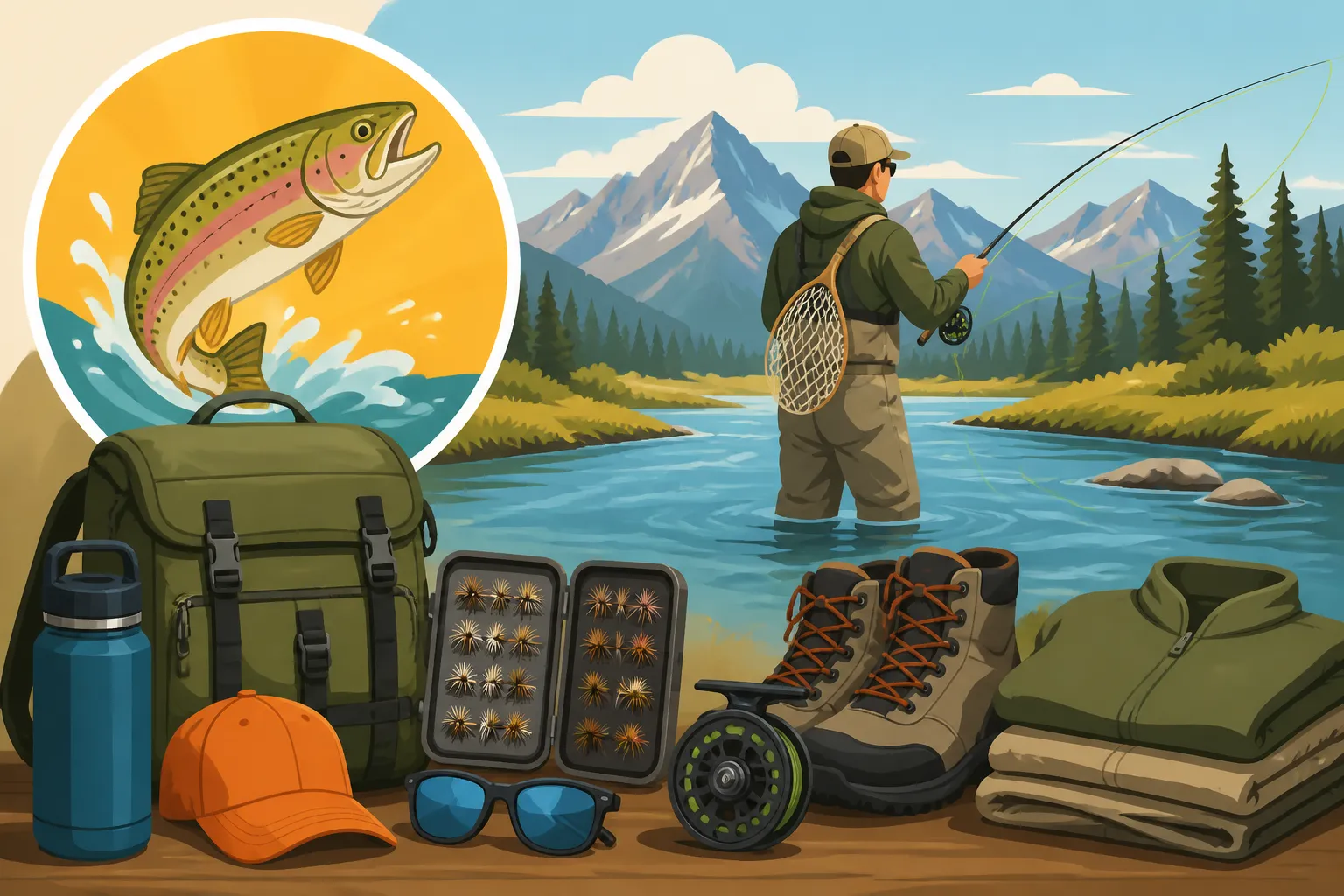
| Category | Essential Items | Important Notes |
|---|---|---|
| Documentation | Valid Wyoming Fishing License, Photo ID | Digital copy on phone is usually acceptable, but confirm with guide. Wyoming Fishing License Guide for Nonresidents is a great resource. |
| Booking Confirmation, Guide's Contact Info | Keep accessible (printed or on phone). | |
| Payment for Trip & Gratuity (Cash often preferred) | Clarify payment methods and gratuity expectations beforehand. What a Guided Wyoming Fishing Trip Costs can help you plan. | |
| Clothing | Base Layers (synthetic/merino wool) | Avoid cotton! Both long-sleeve/short-sleeve options are good. |
| Mid-Layers (fleece/synthetic puffy) | Bring at least one light and one warm option for adaptability. | |
| Waterproof & Windproof Outer Shell (Jacket & Pants) | Non-negotiable for Wyoming's unpredictable weather. | |
| Waders & Wading Boots (confirm if guide provides) | Ensure good fit and comfort if bringing your own. | |
| Hat (wide-brimmed for sun, warm beanie for cold) | Protects from sun, wind, and heat loss. | |
| Gloves (sun protection / warmth) | Fingerless for dexterity in warmer weather, insulated/waterproof for cold. | |
| Quick-drying socks | Wool or synthetic, bring an extra pair. | |
| Sun Protection | Polarized Sunglasses (spare pair recommended) | Essential for glare reduction, visibility, and eye safety. |
| High SPF Sunscreen | Apply liberally and reapply often. | |
| Neck Gaiter / Bandana | Protects neck and face from sun and wind. | |
| SPF Lip Balm | Prevents chapped lips in dry, windy conditions. | |
| Hydration & Sustenance | Refillable Water Bottle | Stay hydrated! Guides often have water for refills. |
| Snacks (energy bars, fruit, trail mix) | Even if lunch is provided, personal snacks are helpful for sustained energy. | |
| Personal & Safety | Prescription Medications | In original containers, enough for the trip plus extra. Inform your guide of critical medical info. |
| Basic First Aid (band-aids, pain relievers, antiseptic wipes) | For minor cuts, blisters, headaches. | |
| Insect Repellent | Essential for mosquitoes and biting flies, especially near water. | |
| Multi-tool / Pliers | Handy for various tasks from cutting line to hook removal. | |
| Headlamp / Flashlight | Useful if the trip extends past dusk or in low-light conditions. | |
| Small Dry Bag / Waterproof Pouch | For phone, wallet, keys, camera protection. | |
| Optional Fishing Gear | Personal Rod & Reel (confirm with guide) | If you prefer your own or have a specific setup. |
| Favorite Fly Box / Lures (confirm with guide) | Confidence patterns can boost morale! Ensure compliance with regulations. | |
| Waterproof Camera / Phone (with waterproof case) | For capturing memories! Bring extra batteries or a power bank. | |
| Small, Soft Towel (for fish handling) | Helps protect fish during photos and release. |
Disclaimer
This article is for general informational purposes only and does not constitute professional advice. Laws, prices and regulations vary by location and change over time. Consult a qualified professional for guidance on your specific situation.