What Permits Yellowstone Fishing Guides Need
Navigating the unique and often complex regulations of fishing in Yellowstone National Park can feel like trying to untangle a bird's nest of fishing line, especially when you're trying to figure out what permits your potential guide needs. It's a common frustration, and one that highlights the importance of choosing a legitimate guide. This comprehensive guide will break down the specific permits and authorizations that fishing guides must possess to legally operate within Yellowstone, ensuring you have a safe, compliant, and unforgettable experience.
Why Yellowstone National Park's Regulations Are Uniquely Strict
Yellowstone isn't just another body of water; it's a national treasure, a pristine ecosystem with a delicate balance that requires stringent protection. This translates directly into highly specific and often stricter fishing regulations compared to typical state waters in Wyoming, Montana, or Idaho. The goal isn't to make fishing difficult, but to preserve the park's natural resources, particularly its native fish populations like the Yellowstone Cutthroat Trout, and to manage the immense visitor traffic. For guides, this means an extra layer of responsibility and compliance.
Imagine a busy summer day on Yellowstone Lake, with dozens of boats and anglers enjoying the scenery. Without proper regulation and oversight, it would quickly devolve into chaos, threatening the very resources that draw people there. The National Park Service (NPS) manages all commercial activities within the park, including guided fishing, to ensure they align with conservation goals and provide a high-quality, safe experience for visitors. These rules protect not only the fish and their habitat but also the integrity of the wild experience. This is also why Fishing Rules Inside Yellowstone National Park are so distinct from other areas.
Protecting a Pristine Ecosystem
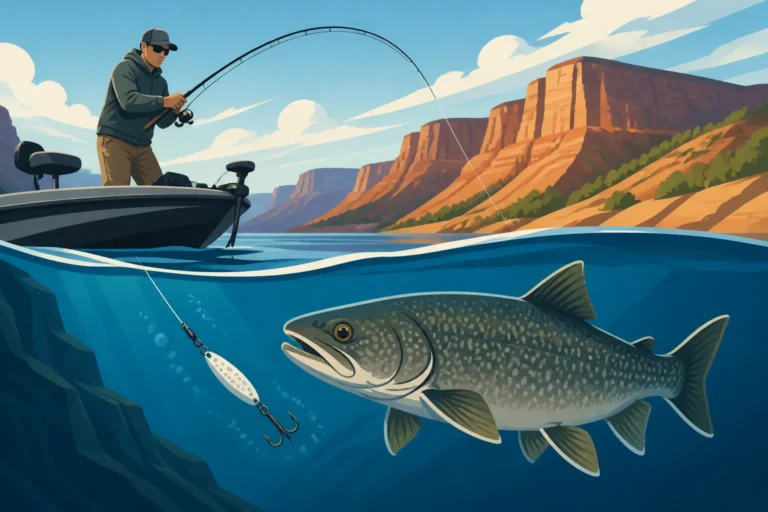
The park's unique geology, thermal features, and interconnected waterways mean that even seemingly small actions can have significant ecological impacts. For instance, the fight against invasive species like Lake Trout in Yellowstone Lake is an ongoing, critical effort. Guides operating in the park are often on the front lines, educating anglers about proper catch-and-release techniques for native species and the mandatory retention of invasives. They must adhere to strict sanitation protocols for their boats and gear to prevent the introduction of aquatic invasive species, which could devastate the park's native fisheries. It’s a collective responsibility, and guides play a pivotal role in upholding these standards.
Ensuring Visitor Safety and Experience
Beyond environmental protection, the National Park Service also prioritizes visitor safety and the overall quality of the visitor experience. A guide isn't just there to help you catch fish; they're also responsible for your well-being in a wild, sometimes unpredictable environment. This includes knowing emergency procedures, having appropriate safety equipment, and understanding the nuances of weather patterns, wildlife encounters, and dynamic water conditions. The permitting process helps the park ensure that guides are not just skilled anglers but also responsible wilderness leaders who can enhance your trip while keeping you safe.
The Specific Permits and Authorizations Yellowstone Fishing Guides Must Carry
When you're looking to book a fishing trip inside Yellowstone National Park, it’s not enough for a guide to simply have a state fishing license. They operate under a completely different set of rules due to the federal land designation. The primary authorization they need comes directly from the National Park Service itself.
National Park Service Commercial Use Authorization CUA
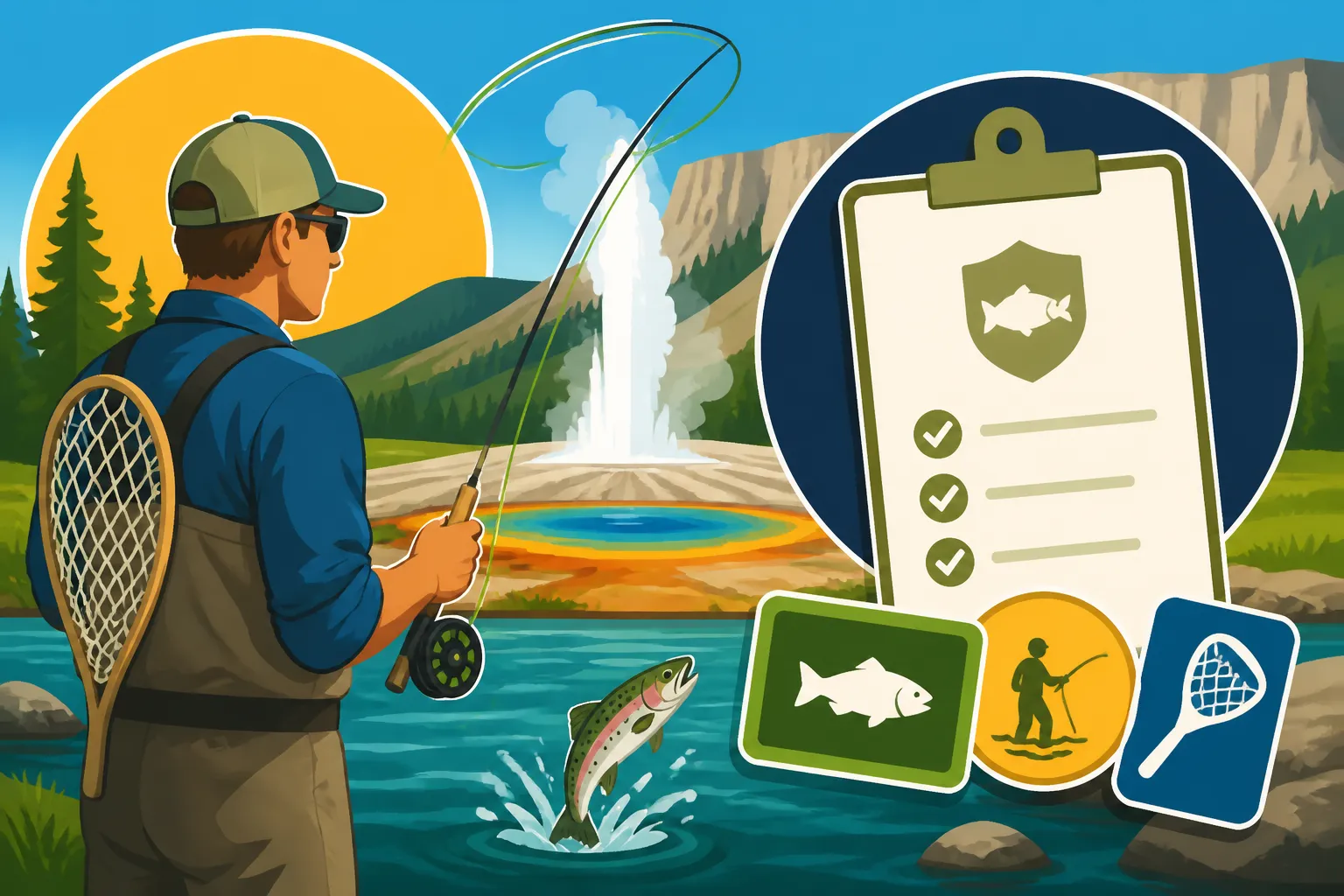
The most critical document for any guide operating commercially within Yellowstone National Park is a Commercial Use Authorization (CUA). This isn't just a simple license; it's a permit issued by the National Park Service that allows an individual or company to provide commercial services to park visitors. Without a CUA, offering guided fishing trips inside the park is illegal.
Think of it like this: the park is essentially a landlord, and the CUA is the lease agreement. It outlines exactly what services can be provided, where, and under what conditions. The NPS maintains strict control over the number of CUAs issued, especially for high-demand activities like guided fishing, to prevent overcrowding and ensure quality experiences. Obtaining and maintaining a CUA is a rigorous process, involving:
- Application and Review: Guides must submit a detailed application outlining their services, safety protocols, experience, and environmental compliance. This isn't a rubber stamp process; applications are thoroughly vetted.
- Proof of Insurance: Guides must carry specific types and amounts of liability insurance to protect both themselves, their clients, and the park in case of an incident.
- Operating Plans: Often, guides need to submit detailed operating plans that explain how they will conduct their trips while adhering to all park regulations, including waste management, wildlife interactions, and resource protection.
- Reporting Requirements: CUA holders are usually required to submit annual reports detailing their operations, including visitor numbers, areas used, and any incidents. This helps the park monitor commercial activity and assess its impact.
The CUA will specify the types of activities allowed (e.g., guided fishing on specific lakes or rivers), the number of trips permitted, and any vehicle or equipment restrictions. If a guide offers services on Yellowstone Lake, their CUA would specifically permit commercial boating and guiding on that body of water.
Yellowstone-Specific Fishing Permit for Clients
It’s crucial to understand that while a guide needs a CUA to operate commercially, the anglers themselves also need a specific Yellowstone National Park fishing permit. This is separate from any state fishing license. The guide's job is to ensure that every client on their trip has purchased and possesses this valid park-specific permit. This permit covers fishing privileges within the park's boundaries, and the fees contribute directly to park conservation efforts. You can't just use your Wyoming or Montana state license inside Yellowstone; you need the park's own permit. Your guide will confirm you have this before you even step foot in the boat or on the riverbank. Don't forget to check the specific rules regarding Do You Need a Wyoming License to Fish in Yellowstone National Park? or if you're coming from Montana.
Specific Watercraft Permits (If Applicable)
If a guide uses a motorized boat or even a non-motorized vessel on certain waters within Yellowstone, such as Yellowstone Lake or Lewis Lake, they will also need a separate Yellowstone National Park boating permit for their specific vessel. This permit ensures the boat meets park safety standards and helps manage boat traffic. For example, specific regulations exist for motors on Yellowstone Lake. While your guide will handle the boat registration, it’s another layer of authorization that ensures legitimate operations. Guides leading float trips on rivers within the park (where permitted) would also have to ensure their rafts or drift boats meet park requirements.
Additional Professional Requirements
Beyond the official permits, professional guides are expected to meet other standards:
- First Aid and CPR Certifications: Many reputable guides, and often CUA requirements, mandate current certifications in wilderness first aid and CPR. This is critical for client safety in remote areas.
- Navigation and Safety Gear: Guides must carry appropriate safety equipment, including personal flotation devices (PFDs), emergency communication devices, bear spray, and navigation tools.
- Knowledge of Regulations: This might seem obvious, but a good guide has an encyclopedic knowledge of current park fishing regulations, including specific rules for different waters, bait restrictions, bag limits, and catch-and-release mandates. They should be able to recite them backward and forward. For instance, they'll know about the Yellowstone Lake Fishing Guide rules inside and out.
What Anglers Should Look For in a Licensed Yellowstone Guide
Choosing a fishing guide for a Yellowstone adventure should involve more than just looking at their catch photos. You want to ensure you're hiring a legitimate, knowledgeable, and responsible professional who is properly authorized to operate within the park's strict regulatory framework. This isn't just about legality; it's about your safety, the quality of your experience, and supporting ethical tourism.
Here’s a breakdown of what to look for and the questions you should ask:
Verifying a Guide's Credentials
The number one thing you should do is confirm your guide holds a valid National Park Service Commercial Use Authorization (CUA) for Yellowstone. Don't be shy about asking for proof. A reputable guide will be proud to show you their authorization. They might even have it prominently displayed on their website or shared through booking platforms like FishingBooker, which often vets its listed guides for proper licensing.
Questions to ask:
- "Do you hold a current National Park Service Commercial Use Authorization (CUA) for Yellowstone?"
- "Can you provide your CUA number or show proof of your authorization?"
- "Are you permitted to guide on the specific waters we plan to fish?" (e.g., Yellowstone Lake, Snake River in the park, etc.)
It’s also wise to ensure they have adequate insurance coverage. While you might not review the policy details, a guide operating with a CUA will have met the park's insurance requirements.
Experience and Expertise within the Park
While many guides are excellent anglers, guiding within Yellowstone requires a unique skill set and deep understanding of park-specific conditions, rules, and ecology. A guide who primarily operates outside the park might not be up-to-date on Yellowstone's particular nuances.
Considerations:
- Knowledge of Park Regulations: Can they clearly explain the differences between fishing inside and outside the park? Do they know the latest invasive species protocols or specific catch limits for native species?
- Ecological Awareness: A great Yellowstone guide will not only help you catch fish but also educate you about the park's ecosystem, its native species like Wyoming's State Fish: The Yellowstone Cutthroat, and conservation efforts.
- Safety Protocols: Discuss their safety plan, especially if you're venturing into more remote areas or on larger bodies of water. Do they carry a satellite communication device? What's their plan for wildlife encounters?
Transparency in Operations and Fees
A transparent guide will clearly outline what is and isn't included in the trip cost. This prevents any surprises and builds trust. When searching for guides, platforms like FishingBooker often provide detailed inclusions and exclusions for each trip listing, making it easier to compare.
What to clarify:
- Park Fishing Permit: Does the trip cost include your individual Yellowstone fishing permit, or is that a separate purchase you need to make? (It’s almost always a separate purchase for the client, not the guide).
- Gear and Bait: Are rods, reels, flies, lures, and any legal bait provided? Are waders or rain gear available if needed?
- Meals and Beverages: For full-day trips, is lunch provided? What about water and snacks?
- Transportation: Will the guide pick you up, or do you meet them at a designated spot?
Table: Key Authorizations for Yellowstone Fishing
To give you a clearer picture, here's a quick reference on what various parties need for a legal and compliant fishing trip in Yellowstone:
| Party | Essential Authorization | Purpose | Who Issues It |
|---|---|---|---|
| Fishing Guide | National Park Service (NPS) Commercial Use Authorization | Allows commercial operation within park boundaries | National Park Service (NPS) |
| Fishing Guide | State Guide License (e.g., WY, MT, ID) | Required for guiding in state waters (outside the park) | State Game & Fish Dept. |
| Fishing Guide | Boating Permit (if using vessel) | Authorizes specific vessel use on park waters | National Park Service (NPS) |
| Angler (Client) | Yellowstone National Park Fishing Permit | Allows individual to fish within park boundaries | National Park Service (NPS) |
| Angler (Client) | State Fishing License (e.g., WY, MT, ID) | Allows individual to fish in state waters (outside the park) | State Game & Fish Dept. |
| Fishing Guide | Liability Insurance | Protects guide, clients, and park in case of incident | Private Insurer |
| Fishing Guide | First Aid/CPR Certification | Ensures guide can handle medical emergencies | Certified Provider |
Booking Through Reputable Platforms
Using reputable booking platforms or guide services can add an extra layer of assurance. Many, like FishingBooker, perform initial vetting of guides to confirm they have the necessary licenses and permits. While it's still always a good idea to directly confirm with your chosen guide, these platforms can streamline the process of finding legitimate operators. They also provide reviews from other anglers, giving you insight into a guide's professionalism and knowledge. When you're looking for How to Find a Licensed Outfitter for Yellowstone, these platforms are a good starting point.
Understanding the Guide Application and Renewal Process
The process for a fishing guide to obtain and renew their Commercial Use Authorization (CUA) to operate in Yellowstone National Park is anything but a formality. It’s designed to be rigorous, ensuring that only qualified, responsible, and compliant operators are granted the privilege of conducting commercial services within this protected area. This robust application helps the park manage everything from environmental impact to visitor experience quality.
Initial Application: A Detailed Hurdle
For a new guide or outfitter looking to offer fishing trips in Yellowstone, the initial CUA application is extensive. It typically requires a significant investment of time and effort, far more than just filling out a basic form. The National Park Service isn't just checking boxes; they're evaluating a guide's entire operational plan and their commitment to the park's mission.
Key components of the application often include:
- Demonstrated Experience and Qualifications: The guide must prove they have the necessary skills, knowledge, and experience to lead trips safely and effectively in the specific environments of Yellowstone. This might involve submitting resumes, references, and proof of certifications (like first aid).
- Safety Plan: A comprehensive safety plan is usually a mandatory requirement. This plan details emergency procedures, equipment carried, client briefing protocols, and how the guide will mitigate risks associated with wildlife, weather, and water conditions.
- Environmental Compliance: Guides must commit to following all park environmental regulations, including proper waste disposal, preventing the spread of aquatic invasive species, and adhering to "Leave No Trace" principles. They might need to detail their boat cleaning procedures or bait handling practices.
- Financial and Insurance Documentation: Proof of adequate commercial liability insurance is a non-negotiable. The NPS sets minimum coverage amounts to protect all parties. Business registration documents and financial solvency might also be part of the review.
- Operational Area and Scope: The application will specify where the guide intends to operate (e.g., Yellowstone Lake, specific river sections) and the type of activities (e.g., fly fishing, spin fishing, specific species targeting). The CUA granted will be limited to these approved areas and activities.
This initial review process can take several months, and not all applicants are approved. The NPS carefully manages the number of CUAs to balance visitor demand with resource protection.
Renewal: Ongoing Scrutiny
Once a guide has secured a CUA, the process isn't over. These authorizations are typically issued for a specific period, often annually, and must be renewed. The renewal process, while perhaps less intensive than the initial application, still involves significant scrutiny and requires guides to demonstrate ongoing compliance.
Elements of the renewal process often include:
- Annual Reporting: CUA holders are generally required to submit an annual report detailing their operations over the past year. This report might include the number of clients served, the dates and locations of trips, any incidents that occurred, and compliance with all terms of their CUA. This data helps the park monitor commercial activity.
- Updated Documentation: Guides must provide updated proof of insurance, certifications, and any changes to their business or operational plans.
- Review of Compliance History: The NPS will review the guide's record of compliance during the previous year. Any violations, customer complaints, or safety incidents could jeopardize their renewal. Consistent adherence to park regulations, from How Bag and Possession Limits Work in Wyoming to respecting wildlife, is paramount.
- Fee Payment: There is typically an annual fee associated with CUA renewal, which helps offset the administrative costs of the program and supports park operations.
This continuous oversight ensures that guides maintain high standards of professionalism, safety, and environmental stewardship. It's a commitment that reflects the value and sensitivity of guiding in a place as iconic as Yellowstone. When you book with a properly permitted guide, you're not just paying for a fishing trip; you're investing in a service that is carefully vetted to protect both you and the park.
Disclaimer
This article is for general informational purposes only and does not constitute professional advice. Laws, prices and regulations vary by location and change over time. Consult a qualified professional for guidance on your specific situation.