Do You Need a Wyoming License to Fish in Yellowstone National Park?
It’s a common misconception, especially when planning that dream fishing trip to the Cowboy State, that your Wyoming fishing license will cover all the incredible waters within its borders, including the iconic Yellowstone National Park. However, this isn't the case, and assuming your state license is valid inside Yellowstone could lead to a really frustrating and expensive encounter with a park ranger. This guide will meticulously break down why a separate permit is required and what you truly need to legally cast a line in Yellowstone.
Understanding Yellowstone National Park's Unique Jurisdiction
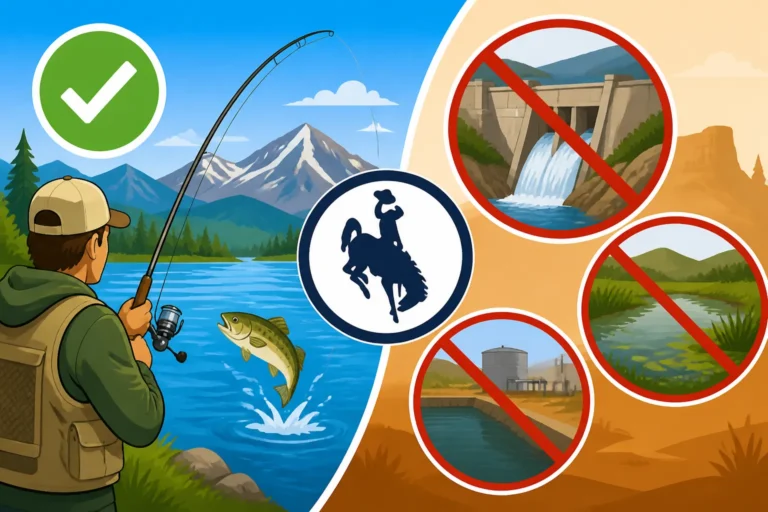
When you're mapping out your Wyoming fishing adventure, it's easy to look at a map and think, "Yellowstone is right there in Wyoming, so my Wyoming license should work, right?" It's a completely understandable assumption, especially for folks who are used to state parks being covered by state licenses. But Yellowstone National Park operates under federal jurisdiction, not state jurisdiction, which means its rules and regulations for everything, including fishing, are set by the National Park Service, not the Wyoming Game and Fish Department.
This federal overlay means that even though a significant portion of Yellowstone lies within Wyoming, the fishing regulations you adhere to in, say, the North Platte River or Flaming Gorge Reservoir, simply don't apply once you cross the park boundary. Think of it less like crossing into a different county and more like entering a sovereign entity with its own distinct set of laws governing its natural resources. This is primarily to protect the unique and often fragile ecosystems within the park, particularly its native fish populations like the Yellowstone Cutthroat Trout, which face distinct challenges not always present in other Wyoming waters. The park's management priorities often differ from state-level fisheries management, leading to these separate and specific regulations.
What You Actually Need to Fish Inside Yellowstone National Park
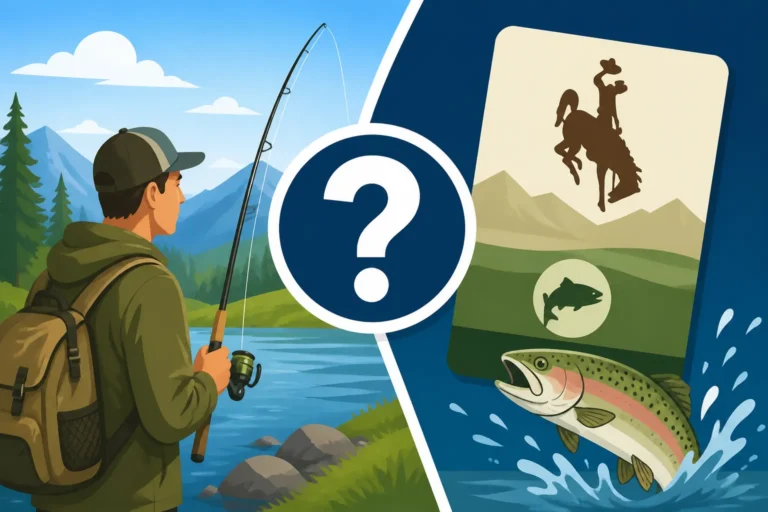
Forget your Wyoming state fishing license the moment you drive through one of Yellowstone's iconic gates if your plan is to fish. What you actually need is a specific Yellowstone National Park fishing permit. This isn't just a suggestion; it's a strict requirement, and park rangers are well-versed in checking for these permits.
Types of Yellowstone Fishing Permits
The good news is that obtaining a Yellowstone fishing permit is relatively straightforward, and the park offers a few options to suit different trip lengths:
- 3-Day Permit: Perfect for a short visit where you just want to spend a day or two exploring a few different fishing spots.
- 7-Day Permit: A great option if you plan to dedicate a good chunk of your week-long park visit to fishing.
- Annual Permit: If you're lucky enough to spend extended periods in the park or plan multiple trips throughout the calendar year, the annual permit offers the best value.
These permits are generally valid from January 1st through December 31st of the year issued, regardless of when you purchase them. Remember, these are calendar year permits, so if you buy one in October, it expires on December 31st of that same year, not 12 months later. This is a common point of confusion for anglers accustomed to state licenses that might last for a full year from the purchase date.
Where to Purchase Your Yellowstone Fishing Permit
You can purchase your Yellowstone fishing permit at any park entrance station, visitor center, or even many general stores within the park boundaries. This convenience makes it easy to grab one on your way in. For those who like to be super prepared, you can also often purchase these online through recreation.gov or via approved vendors outside the park. It’s always a good idea to check the official Yellowstone National Park website before your trip for the most current information on purchasing locations and prices, as these can sometimes change. If you're planning to visit other national parks with fishing opportunities, be aware that each park will likely have its own specific permit requirements, much like Yellowstone. For example, knowing Do You Need a Wyoming License to Fish in Grand Teton National Park? is crucial if your trip includes both parks.
Key Differences Between Wyoming and Yellowstone Fishing Regulations
Understanding that you need a separate permit is just the first step. The next, and arguably more critical, is to grasp the fundamental differences in regulations between Wyoming's general fishing rules and Yellowstone's specific mandates. This isn't just about species or limits; it's about a distinct philosophy of conservation and management.
Bait and Tackle Restrictions
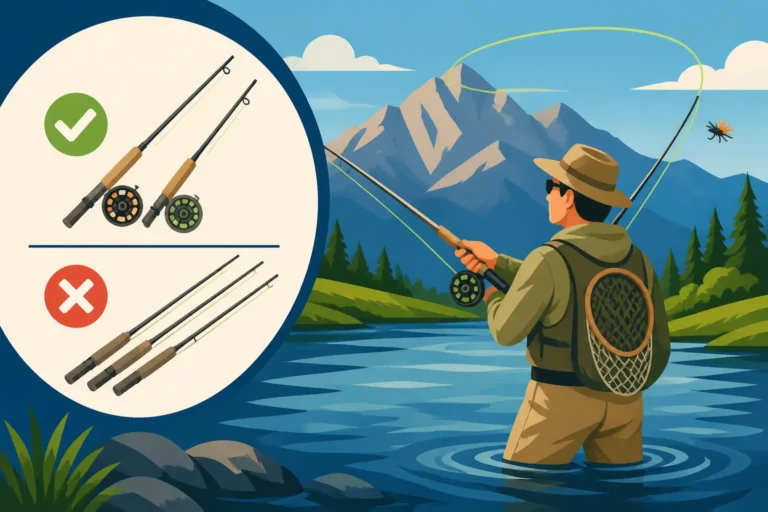
One of the most striking differences lies in bait and tackle. Most of Yellowstone National Park is designated as artificial flies or lures only, and barbless hooks are mandatory throughout the entire park. This is a significant departure from many Wyoming waters where barbed hooks and various forms of natural bait, including worms, powerbait, and even live minnows (with restrictions on certain waters), are often allowed.
- Yellowstone: Artificial flies and lures only; barbless hooks required.
- Wyoming: Regulations vary greatly by water body. Many areas allow natural baits, powerbait, and barbed hooks. For example, if you're curious about the state-level rules, you might want to read up on Are Live Minnows Legal Bait in Wyoming?
This strict barbless, artificial-only rule in Yellowstone is primarily to minimize harm to fish, particularly native species, ensuring a higher survival rate for those caught and released. If you show up with your favorite worm container or a lure with barbed treble hooks, you'll be out of compliance immediately. Make sure to check your tackle box before heading into the park. You can find excellent barbless hooks and a wide array of artificial flies and lures on Amazon, making it easy to stock up on park-legal gear.
Catch and Release Mandates
While many of Wyoming's blue-ribbon trout streams have catch-and-release sections, Yellowstone takes it a step further, especially concerning its native Yellowstone Cutthroat Trout. The park places a very high value on the protection and recovery of its native species.
- Yellowstone: Catch and release for native fish species is often mandatory, with very specific exceptions. In contrast, non-native species like Lake Trout are often required to be killed immediately if caught, especially in waters like Yellowstone Lake, to aid in native cutthroat recovery efforts. This is a stark difference from typical state regulations where keeping non-native species is usually optional, not mandatory.
- Wyoming: Bag and possession limits vary widely by species and water. While catch and release is encouraged and sometimes mandated, it's not a universal default. For instance, understanding Wyoming Fishing Regulations Every Angler Should Know reveals a complex system of limits and rules that differ significantly from Yellowstone's more streamlined approach.
This strong emphasis on native fish conservation means that if you're fishing in Yellowstone, you absolutely must know your fish identification. Mistaking a non-native brook trout for a native cutthroat could lead to serious penalties.
Water-Specific Rules and Closures
Both Wyoming and Yellowstone have water-specific rules, but Yellowstone's are often more restrictive and can change with little notice due to wildlife or ecological concerns. For example, certain streams might have specific opening and closing dates tied to spawning cycles or bear activity.
- Yellowstone: Many waters are closed until specific dates (e.g., July 15th for some high-elevation lakes) to protect spawning fish or prevent early season stress. Some areas might close unexpectedly due to grizzly bear activity or other wildlife concerns. Always consult the current year's park regulations pamphlet, available at entrance stations and visitor centers, for specific water opening and closing dates, as well as any in-season emergency closures.
- Wyoming: Wyoming also has water-specific rules, especially around spawning seasons or on private lands with public access easements. But generally, the regulatory system is designed around managing harvest and protecting overall populations across a much larger and more diverse landscape. If you're looking for where to find up-to-date state-level info, check out Where to Find Current Wyoming Fishing Regulations.
Comparative Table: Wyoming vs. Yellowstone Fishing Regulations (General)
| Feature | Wyoming Fishing Regulations (General) | Yellowstone National Park Fishing Regulations |
|---|---|---|
| Required License/Permit | Wyoming Game and Fish License (Annual, Daily, 5-Day options) | Yellowstone National Park Fishing Permit (3-Day, 7-Day, Annual options) |
| Jurisdiction | State of Wyoming (Wyoming Game and Fish Department) | Federal (National Park Service) |
| Bait | Varies widely by water; natural bait often allowed (worms, powerbait, some live minnows) | Artificial flies and lures ONLY |
| Hooks | Barbed hooks generally allowed; barbless required on some specific waters | Barbless hooks REQUIRED on ALL waters |
| Catch & Release | Varies by species and water; mandatory on designated C&R sections | Often mandatory for native species; non-native species (e.g., Lake Trout) often must be killed |
| Season Dates | Varies by species and water; many waters open year-round or seasonally | Specific opening/closing dates for many waters; often later opening for high-elevation lakes |
| Transporting Fish | Regulations apply for transporting across state lines | No transportation of live or dead fish outside the park for consumption |
| Enforcement | Wyoming Game Wardens | National Park Rangers |
Practical Tips for Fishing in Yellowstone National Park
Fishing in Yellowstone can be an incredibly rewarding experience, offering opportunities to catch native cutthroat trout in a pristine, world-renowned setting. But you need to be prepared and respectful of the park's rules.
Always Check the Current Regulations Pamphlet
I cannot stress this enough: pick up a current copy of the Yellowstone National Park fishing regulations pamphlet upon entering the park. This little booklet is your bible. Regulations can and do change, sometimes even within the season, due to biological needs or environmental factors. Don't rely on last year's knowledge or what you read online a few months ago. The official pamphlet will have the most up-to-date information on specific water closures, bait restrictions, and catch limits for every stream and lake in the park. You don't want to get hit with Fines and Penalties for Common Fishing Violations because you failed to consult the current rules.
Be Bear Aware
You are fishing in prime grizzly and black bear country. Always carry bear spray, know how to use it, and keep it accessible. Make noise as you hike, especially in dense vegetation, to avoid surprising a bear. Fish in groups if possible, and store all food and scented items properly to avoid attracting wildlife. Many anglers, myself included, will attach bear spray to their waders or pack, making it readily available, which you can easily find on Amazon. Being vigilant about your surroundings is just as important as knowing the fishing rules.
Practice Leave No Trace Principles
Yellowstone is a national treasure, and it's up to all of us to keep it that way. Pack out everything you pack in, including monofilament line, leader, and any trash. Avoid disturbing wildlife or vegetation. If you're considering camping or fishing in the backcountry, ensure you have the appropriate permits and follow all wilderness ethics. Fishing in Yellowstone is a privilege, and treating the environment with respect ensures future generations can enjoy it too.
Research Specific Waters Before You Go
While the general rules apply park-wide, specific waters often have unique characteristics and fishing challenges. For instance, When Yellowstone Lake Ice Out Usually Happens will dictate when you can even access the lake. The fishing techniques required for the Firehole River are vastly different from those needed for Yellowstone Lake or a high-alpine backcountry lake. Knowing what species you're targeting and what their habits are in Yellowstone's unique environment will greatly increase your success. You might even consider investing in a good Yellowstone fishing guide book (available on Amazon, of course) that details specific areas, popular fly patterns, and access points. This kind of preparation can save you a lot of time and lead to a much more enjoyable and productive trip.
Important Disclaimer
Please remember that fishing regulations and park policies are subject to change. While this guide provides comprehensive information, always consult the official Yellowstone National Park website and obtain the most current fishing regulations pamphlet directly from the park service before you begin your fishing adventure. Adhering to these rules is your responsibility and helps protect the invaluable resources of this magnificent national park.