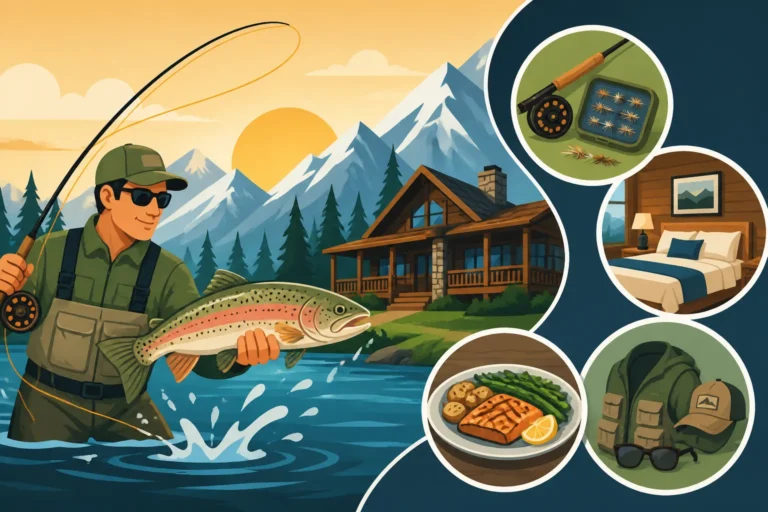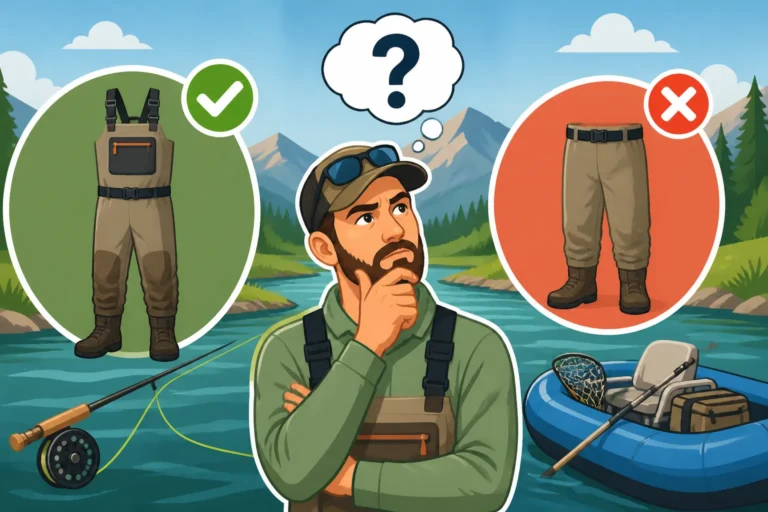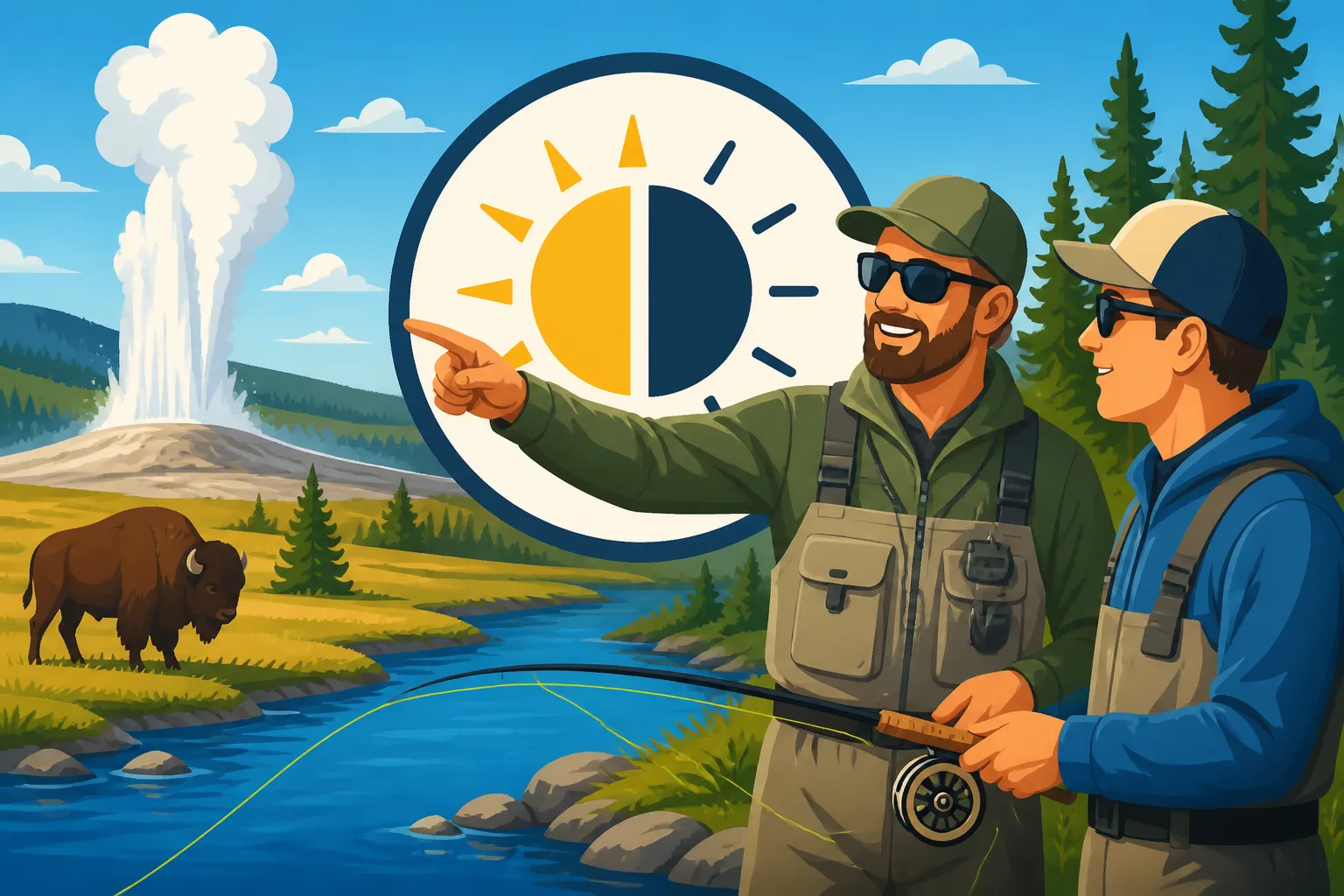
Can You Hire a Guide for a Single Day in Yellowstone?
You've been dreaming of that iconic fishing trip, picturing yourself casting lines in the pristine, wild waters of Yellowstone National Park. It’s a bucket-list destination for any angler, but the thought of navigating park rules, finding the right spots, and understanding what's even allowed can feel utterly overwhelming. This guide is here to break down exactly how you can make that dream a reality, specifically focusing on whether you can hire a guide for a single day in Yellowstone and what that unique experience entails.
The Unique Challenge of Fishing in Yellowstone National Park
Fishing in Yellowstone is a world apart from dropping a line into your local reservoir or even many of Wyoming's fantastic state waters. The park is a protected ecosystem, and its fishing regulations are meticulously designed to preserve native species, manage invasive ones, and maintain the delicate balance of its aquatic environments. This isn't just about needing a license; it's about a whole different philosophy of angling.
Park-Specific Regulations and Conservation Efforts
Unlike fishing in the rest of Wyoming, where you'd typically consult the Wyoming Fishing Regulations Every Angler Should Know booklet, Yellowstone National Park operates under its own distinct set of rules. These regulations are often more stringent and focused on conservation, particularly concerning native Yellowstone cutthroat trout. The park's goal is to protect these indigenous fish while actively working to reduce populations of non-native species, like lake trout in Yellowstone Lake, which threaten the cutthroat. This means you’ll find specific rules about tackle, bait, catch-and-release practices, and even what you must do if you catch a certain species. It can be a lot to keep straight, especially if you're only visiting for a short time.
For instance, barbless hooks are usually a must, and in some areas, catch-and-release is strictly enforced. There are often specific rules about how to handle fish to minimize stress, and you might even be required to immediately kill certain invasive species if caught. These aren't just suggestions; they are strictly enforced rules that a park-licensed guide will know inside and out, ensuring you stay compliant and contribute positively to the park's conservation goals. Ignoring these could lead to fines or worse, spoiling your incredible trip.
Accessing Yellowstone's Vast Fishing Waters
Yellowstone is enormous, spanning over 2.2 million acres. Its fishing opportunities range from famous rivers like the Yellowstone and Snake to countless smaller streams and high-alpine lakes. Deciding where to go, how to get there, and what to expect can be daunting for someone unfamiliar with the territory. Many prime fishing spots require extensive hiking, while others are more accessible. Some areas have unique closures or restrictions depending on the season, wildlife activity, or specific conservation projects.
Imagine arriving at a trailhead, gear in hand, only to discover that particular stretch of river is closed for bear management or that a specific lake has special restrictions you weren't aware of. A guide, deeply familiar with the park's geography and real-time conditions, can navigate these complexities, saving you precious fishing time and potential headaches. They know the seasonal patterns, where the fish are likely to be, and which access points offer the best experience given your skill level and preferences. This local insight is invaluable when you have only a single day to fish.
Understanding Yellowstone's Guide Regulations and Permits
The question isn't just can you hire a guide for Yellowstone, but who can legitimately guide you there. The National Park Service (NPS) has a specific and rigorous permitting process for any commercial operation within the park, and that absolutely includes fishing guides. It's not enough for someone to have a general Hiring a Fishing Guide in Wyoming license; they need a special NPS commercial use authorization.
The Necessity of NPS Commercial Use Authorization
To legally operate as a fishing guide within Yellowstone National Park, an individual or outfitting company must possess a Commercial Use Authorization (CUA) issued by the National Park Service. This is a crucial distinction that many anglers overlook. A guide licensed by the state of Wyoming, while perfectly legitimate for fishing outside the park boundaries, cannot legally guide clients inside Yellowstone without this specific federal permit. The CUA ensures that guides meet stringent requirements, including insurance, safety protocols, and a deep understanding of park regulations and ethics.
When you're researching potential guides, don't just ask if they're "licensed." Specifically inquire if they hold the necessary NPS Commercial Use Authorization for fishing in Yellowstone. A reputable guide will proudly confirm this and can explain what it entails. Booking with an unlicensed guide, even unknowingly, can put you and your guide in a precarious legal situation, potentially leading to fines or the abrupt termination of your fishing trip. This permit is non-negotiable for a legal and worry-free guided experience within the park.
What a Licensed Yellowstone Guide Brings to the Table
Beyond simply knowing where to cast, a Yellowstone-licensed guide provides an unparalleled layer of expertise and safety. They are stewards of the park, often with years, if not decades, of experience navigating its waters and understanding its ecosystems. Here's what they typically offer:
- Deep Knowledge of Park Regulations: They'll ensure you comply with all park-specific rules, from catch limits (often zero or very specific for native species) to approved tackle and fish handling. They can explain the "why" behind these rules, enriching your understanding of conservation.
- Safety and Navigation: Yellowstone is wild. Guides are trained in wilderness first aid and know how to handle wildlife encounters (bears, bison, etc.), navigate changing weather, and manage challenging terrain. They're also expert boat handlers if you're on larger waters like Yellowstone Lake.
- Gear and Local Expertise: A good guide provides all necessary gear—rods, reels, flies, and tackle—appropriate for Yellowstone's unique conditions. They know the current hatches, the best flies, and where fish are holding. This is critical for success on a single-day trip where you want to maximize your time on the water.
- Educational Experience: They'll teach you about the park's ecology, the history of its fisheries, and the specific behaviors of the fish you're targeting. It's more than just a fishing trip; it's an immersive educational experience. This is especially true when targeting species like the Yellowstone cutthroat, where understanding their habitat and diet is key.
You can often find guides listed on platforms like FishingBooker, where they specify which parks or waters they are permitted to operate in. Always cross-reference their claims with any public lists or direct inquiries to the park if you have any doubts about their permits. It’s worth the extra step to ensure your adventure is legitimate and safe. For more specifics, consider reading up on National Park Service Permits for Fishing Guides.
What a Single-Day Guided Trip in Yellowstone Entails
So, you've decided to go for it and book a single-day guided trip. What can you actually expect? While every guide and every trip will have its unique flavor, there are some common elements that make a Yellowstone guided fishing experience truly special.
Typical Itinerary and Focus
A single-day trip usually starts early, often before dawn, to maximize fishing time and take advantage of prime morning activity. You'll meet your guide at a pre-determined location, which could be just outside one of the park's entrances or at a specific access point within the park. From there, you might embark on a short drive, a hike to a secluded stream, or launch a boat onto a lake.
The focus will largely depend on your preferences and the time of year, but many Yellowstone trips revolve around fly fishing for native cutthroat trout in the park's rivers and streams. The guide will tailor the day to your skill level, offering casting instruction for beginners or advanced techniques for experienced anglers. Lunch is often provided, typically a streamside picnic that allows you to soak in the incredible scenery.
Most single-day trips last between 6 to 10 hours, giving you ample time to explore and fish. Remember, these are not high-volume catching trips in many cases; they are about the quality of the experience, the beauty of the surroundings, and the thrill of landing a wild fish in one of the most iconic natural landscapes on Earth. Guides are also fantastic resources for understanding Wyoming Fishing Seasons and Water-Specific Closures, even if the park has its own nuances.
Species You Might Encounter and Conservation Practices
When fishing in Yellowstone, your primary targets will often be various trout species. The park is home to the native Yellowstone cutthroat trout, which holds a special place in the ecosystem. You might also encounter rainbow trout, brown trout, and brook trout, depending on the specific waters you're fishing.
Species Table for Yellowstone Fishing
| Species | Common Waters Found | Typical Experience | Conservation Status in Park |
|---|---|---|---|
| Yellowstone Cutthroat | Yellowstone River, Lamar River, Slough Creek,Soda Butte Creek, Yellowstone Lake | Native, often targeted with dry flies; catch-and-release usually required. Beautiful markings. | Protected/Managed |
| Rainbow Trout | Gibbon River, Madison River, Firehole River | Introduced, often co-exist with cutthroat; can be aggressive biters. | Managed/Controlled |
| Brown Trout | Madison River, Yellowstone River (lower stretches) | Introduced, known for size; often found in deeper pools. | Managed/Controlled |
| Brook Trout | Smaller, high-elevation streams and lakes | Introduced, smaller but feisty; often in remote, scenic areas. | Managed/Controlled |
| Lake Trout (Mackinaw) | Yellowstone Lake (primarily) | Invasive, aggressive removal encouraged; illegal to release if caught in Yellowstone Lake. | Invasive/Targeted for Removal |
A crucial aspect of fishing in Yellowstone, particularly for cutthroat trout, is strict catch-and-release practices. Your guide will emphasize proper fish handling techniques to ensure the fish's survival after release. This includes minimizing air exposure, using wet hands, and carefully removing hooks. For invasive species like lake trout in Yellowstone Lake, the rules are different: anglers are typically required to keep and kill any lake trout caught. This is part of a larger effort to protect the native cutthroat population from predation. For those interested in this specific effort, exploring options like Best Guides for Yellowstone Lake Trout Removal Trips might be a unique guided experience.
Finding the Right Licensed Guide for Your Yellowstone Adventure
So you’re convinced a guide is the way to go. Now, how do you find the right one? It's about more than just availability; it's about finding someone who matches your expectations and provides a safe, enriching experience.
Vetting Potential Guides and Outfitters
Start your search well in advance, especially if you're planning a trip during peak season (typically summer and early fall). Word-of-mouth recommendations are excellent, but online research is also key. Look for outfitters and guides who explicitly state they are permitted to guide within Yellowstone National Park. Many reputable guides will have this information clearly displayed on their websites or profiles. When browsing on platforms like FishingBooker, you can often filter by location and specific permits, making it easier to identify qualified guides who operate within the park.
Once you have a few potential guides in mind, don't hesitate to reach out with questions. A good guide will be happy to chat about their experience, their guiding philosophy, and what a typical day looks like. Here are some key questions to ask:
- "Do you have the necessary National Park Service Commercial Use Authorization to guide fishing trips inside Yellowstone?" This is your primary question.
- "What waters in Yellowstone do you typically guide on, and what species do we target?" This helps ensure their expertise aligns with your interests.
- "What is your experience level guiding in Yellowstone, and how familiar are you with its specific regulations?" Look for a guide with a proven track record within the park.
- "What is included in the single-day trip price (e.g., gear, flies, lunch, transportation)?" Be clear on what you're paying for to avoid surprises.
- "What should I bring or wear for the day?" This shows they are proactive in your preparation.
Remember, a guide's personality and communication style are also important. You'll be spending a full day with this person, so you want someone you connect with and feel comfortable learning from. For a broader perspective on selecting fishing guides, you can also check out How to Choose a Wyoming Fishing Guide.
Booking Logistics and Considerations
Once you've selected your guide, they'll walk you through the booking process. Be prepared to provide some personal details for permits and planning. Deposits are common, and make sure you understand the cancellation policy, especially for trips to a remote location like Yellowstone where weather can sometimes impact plans.
Consider the time of year you plan to visit. Different seasons offer different experiences within Yellowstone's waters. For example, early summer after runoff can be fantastic for hungry trout, while fall often brings cooler temperatures and migrating fish. A guide can help you pick the optimal time based on your target species and preferred fishing style. Understanding What Time of Day You Can Legally Fish in Wyoming might give you a general idea, but Yellowstone often has specific rules.
Finally, while gratuity is typically not included in the upfront cost, it's customary and very much appreciated to tip your guide at the end of a successful and enjoyable day. They work incredibly hard to provide a memorable experience. A good guideline is usually a percentage of the trip cost, depending on the service you received. Don't forget that even with a guide, you'll still need your own What License You Need to Fish Inside Yellowstone, purchased separately.
Disclaimer
This article is for general informational purposes only and does not constitute professional advice. Laws, prices and regulations vary by location and change over time. Consult a qualified professional for guidance on your specific situation.