Beginner-Friendly Wyoming Fishing Guides
Venturing out to fish in Wyoming, especially for the first time, can feel a bit overwhelming. The vast landscapes, incredible fisheries, and sometimes complex regulations might make a beginner angler wonder where to even start. This guide is all about demystifying the process and showing you how a beginner-friendly fishing guide can transform that initial apprehension into an unforgettable, successful, and educational outdoor adventure in the Cowboy State.
Why a Guide is a Game Changer for Beginners
For many, the idea of hiring a fishing guide conjures images of seasoned pros tackling difficult waters or chasing trophy fish. While guides certainly excel at that, their real magic often lies in their ability to make fishing accessible and enjoyable for absolute novices. They don't just put you on fish; they teach you how to fish, how to respect the environment, and how to truly appreciate the experience.
Overcoming Intimidation and Gear Overload
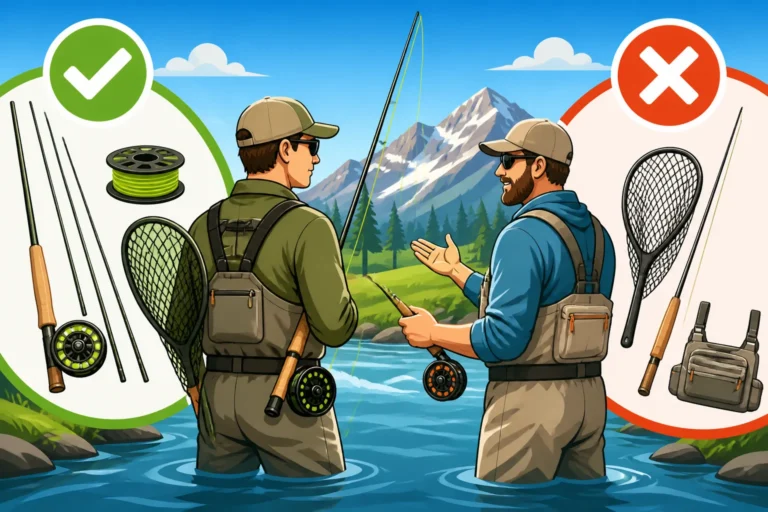
Let's be honest: walking into a fly shop or even just trying to choose a spinning rod for the first time can be a bewildering experience. There are so many options – rods, reels, lines, lures, flies, waders, boots, vests, nets, tools… the list goes on. For a beginner, this can be incredibly intimidating, leading to analysis paralysis or simply buying the wrong gear. A good guide completely eliminates this stress. They provide all the necessary equipment, from high-quality rods and reels perfectly suited for the local conditions to the right flies or lures for the day's bite. You don't have to worry about whether your leader is too heavy or if you have the right size split shot. The guide handles all of that, allowing you to focus purely on the act of fishing and enjoying your surroundings. This makes the barrier to entry significantly lower and far more inviting for someone just starting out.
Beyond the gear, there's the intimidation of the waters themselves. Wyoming's rivers and lakes can be expansive and wild. Knowing where to go, how to navigate the currents, or even what kind of fish to expect can be daunting. A guide understands the local waters intimately, knowing the best spots, the safest access points, and the current conditions. They've spent countless hours on these rivers and lakes, and their knowledge is invaluable for a newcomer.
Learning Essential Skills and Techniques
A fishing guide isn't just a captain or a driver; they're an instructor, a mentor, and a local expert rolled into one. For beginners, this instructional aspect is perhaps the most valuable part of the experience. Instead of fumbling around, trying to figure things out on your own through trial and error (which can be frustrating and unproductive), a guide provides real-time, personalized coaching.
Imagine being on the North Platte River, trying to cast a fly rod for the first time. It's awkward, the line isn't going where you want it, and you're getting tangled. A patient guide will break down the casting motion into simple steps, watch your technique, and offer immediate feedback. They'll teach you how to mend your line, how to detect a subtle strike, and how to properly fight and land a fish. If you're spin fishing, they'll show you how to present your lure effectively, how to feel the bottom, and which retrieve speed works best. They'll explain basic entomology (the study of insects relevant to fly fishing) if you're fly fishing, helping you understand why certain flies are chosen. They can help you understand Fly Fishing Techniques for Wyoming Trout Streams or introduce you to Spin Fishing Techniques for Beginners in a hands-on, practical way. This isn't just about catching fish on the day; it's about building a foundational skill set that you can then take with you on future fishing adventures, instilling confidence and a deeper appreciation for the sport.
What to Look for in a Beginner-Friendly Guide
When you're new to fishing, choosing the right guide is paramount. You're not just hiring someone to take you fishing; you're hiring an educator and an experience curator. The right guide can make your first outing magical, while the wrong one might leave you feeling frustrated.
Patience and a Positive Teaching Style
This is arguably the most critical trait for a beginner-friendly guide. Someone who works primarily with experienced anglers chasing trophy fish might not have the patience or the teaching aptitude for someone who's never held a rod before. Look for guides who explicitly state they welcome beginners, families, or youth. A great beginner guide understands that fumbling casts and missed strikes are part of the learning process. They won't get frustrated; instead, they'll break down complex actions into simple steps, offer encouragement, and celebrate small victories, like a perfect cast or detecting that first subtle bite.
Consider their communication style. Do they explain concepts clearly? Are they willing to repeat instructions? A good indicator can be found in reviews. Look for comments that mention the guide's patience, instructional ability, and how well they worked with less experienced members of a group. Platforms like FishingBooker often allow users to leave detailed reviews, which can be incredibly helpful in finding guides renowned for their beginner-friendly approach. Remember, the goal isn't just to catch fish, but to learn how to fish and have fun doing it.
All-Inclusive Gear and Logistics
For a beginner, the less you have to worry about, the better. A truly beginner-friendly guide will offer an almost all-inclusive package. This means they provide all the necessary fishing gear – rods, reels, lines, leaders, flies, lures, and often waders and boots if needed. You shouldn't have to stress about whether your tackle box is adequately stocked or if you have the right fly for a particular hatch.
Beyond the gear, consider other logistical aspects. Does the guide provide snacks and drinks, or even a packed lunch for a full-day trip? What about transportation to and from the fishing spot? Some guides even handle the licensing requirements, advising you on what you need and where to get it, or even stopping at a local vendor on the way. While you'll still need to purchase your Wyoming Fishing License Guide for Nonresidents or Wyoming Resident vs Nonresident License Rules beforehand, a good guide will make sure you understand what's required and help you navigate the process. This comprehensive approach takes the burden off your shoulders, allowing you to simply show up ready to learn and enjoy. Make sure to clarify exactly what is included when you book.
Local Knowledge and Safety Protocols
Wyoming's waters are beautiful but can also be unpredictable. Local knowledge isn't just about knowing where the fish are; it's about understanding the nuances of the water, the weather patterns, and potential hazards. A seasoned local guide will know about sudden changes in water levels, hidden currents, or tricky wading spots. They'll be able to adapt the trip plan if weather conditions change unexpectedly, ensuring your safety and comfort.
Safety should always be a guide's top priority, especially when working with beginners. This includes providing life jackets on boat trips, having a well-maintained first-aid kit, and being trained in emergency procedures. They should also be well-versed in Wyoming Fishing Regulations Every Angler Should Know, including specific rules for different waters, bag limits, and any special restrictions like barbless hooks. They can explain the Catch-and-Release Rules on Wyoming Waters and demonstrate how to handle fish properly to ensure their survival. Don't hesitate to ask about a guide's safety training and protocols when you're booking. A professional guide will be happy to share this information and put your mind at ease. This expertise ensures not only a productive day of fishing but also a safe and responsible one.
Types of Beginner-Friendly Guided Trips in Wyoming
Wyoming offers a diverse range of fishing experiences, and thankfully, many guides tailor trips specifically for beginners across these different environments. The type of trip you choose can significantly impact your learning experience and comfort level.
Wade Trips: Hands-On River Immersion
Wade trips are a fantastic option for beginners, particularly for those interested in fly fishing or spin fishing smaller streams. On a wade trip, you'll physically walk into and along the river, casting from the bank or while standing in the shallow currents. This provides a very intimate, hands-on experience with the water. The guide will typically pick a section of river that is easily accessible, has a gentle current, and good potential for fish, but most importantly, allows for easy wading.
The advantage for beginners here is the personalized attention. Your guide can stand right beside you, demonstrating casting techniques, helping you untangle lines, and pointing out subtle features of the water where fish might be holding. It’s also often less intimidating than being in a boat for some first-timers. You get to feel the river, learn how to read its currents, and understand how to move quietly and effectively through the environment. Guides often provide waders and wading boots, so all you need to bring are appropriate layers of clothing. Wade trips are often a bit more physically demanding than float trips, depending on the terrain, but they offer an unparalleled connection to the ecosystem. Many outfits in areas like Jackson Hole offer beginner-friendly wade trips, making it a popular choice.
Float Trips: Relaxed Exploration from a Boat
Float trips, typically conducted from a drift boat or raft, are another excellent choice for beginners, especially on larger rivers like the North Platte or the Snake River. While you're on the water, you're not actively wading, which can be less physically strenuous and allow you to cover more ground. The guide expertly maneuvers the boat downstream, allowing you to cast from a stable platform to various fishy spots along the banks, in riffles, or around submerged structures.
For a beginner, a float trip offers several benefits. Firstly, it allows you to see a lot of water and learn how to identify prime fishing lies from a different perspective. Secondly, the guide often does the rowing, leaving you free to focus entirely on casting and fishing. This can be less distracting and allow for more consistent practice. Third, it's generally more comfortable, with space to relax between fishing spots and typically a more spacious setup for gear and snacks. Guides can still provide personalized instruction, often standing behind you to offer casting tips or help with snags. Wade Trips vs Float Trips in Jackson Hole, Wyoming might clarify which style suits you best. Float trips are popular for those wanting a more relaxed introduction to river fishing, or for groups where some members might have mobility concerns.
Ice Fishing Adventures: Winter Wonderland Fishing
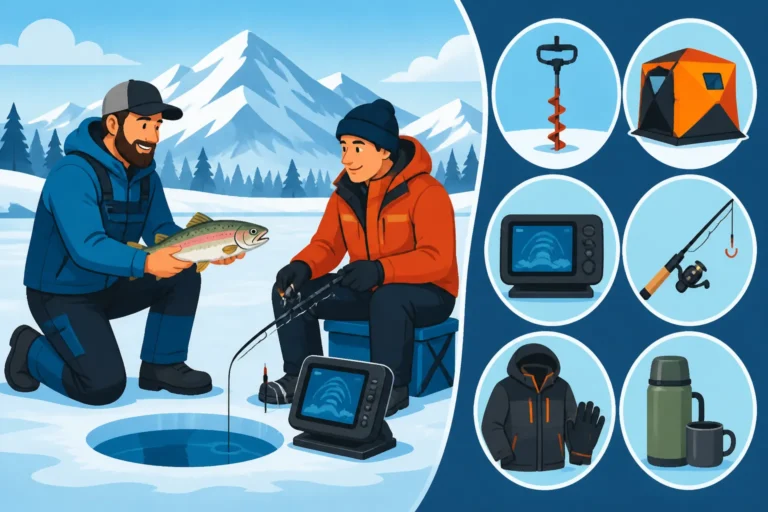
While often overlooked by beginners, guided ice fishing trips can be incredibly beginner-friendly and a unique way to experience Wyoming's winter fishing scene. Many of the state's large reservoirs and smaller lakes freeze over, offering prime opportunities for species like trout, walleye, and perch. A good ice fishing guide will provide everything you need: a heated ice fishing shelter (shanty or tent), an auger to drill holes, specialized ice fishing rods and reels, and bait or jigs.
The beauty of ice fishing for beginners lies in its simplicity and comfort (when in a heated shelter!). You're often sitting in one spot, focusing on a small hole in the ice. The guide will set up the shelters, drill the holes, and instruct you on how to jig your lure or bait. It's a fantastic way to learn about fish behavior in cold water and the subtle art of detecting bites. Plus, being inside a warm shelter, often with hot drinks, makes it a comfortable and social experience, even for those not accustomed to extreme cold. Many guides offer Guided Ice Fishing Trips in Wyoming on popular lakes like Boysen Reservoir or Pathfinder Reservoir. It's a different kind of fishing, but one that can be very rewarding and surprisingly accessible for novices.
Preparing for Your First Guided Fishing Trip
So, you've decided to book a guide – excellent choice! Now, what should you do to ensure you get the most out of your experience? A little preparation goes a long way in making your first guided trip smooth, comfortable, and productive.
What to Pack and Wear for Comfort
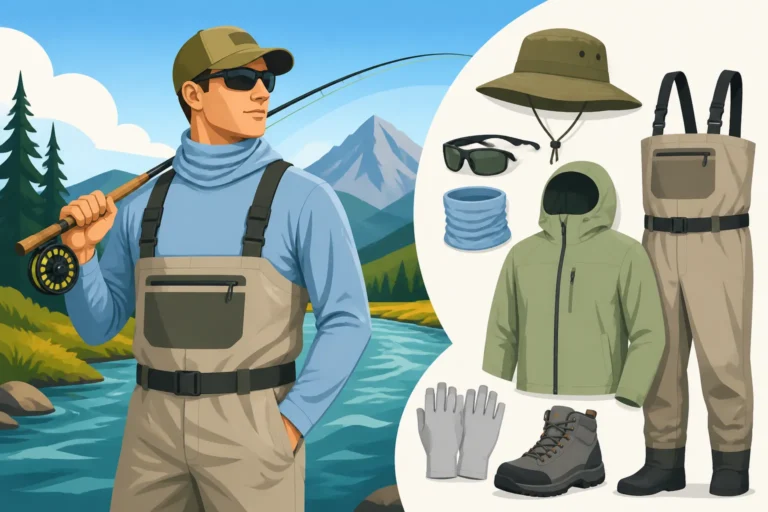
Even though your guide will provide most of the fishing gear, what you wear and what personal items you bring are crucial for your comfort throughout the day. Wyoming weather can be famously unpredictable, often changing rapidly, especially in the mountains. The key is layers. Start with a moisture-wicking base layer (like merino wool or synthetic fabric), add a fleece or insulated mid-layer, and top it off with a waterproof and windproof outer shell. Even in summer, mornings can be chilly, and afternoon thunderstorms are common. Don't forget a hat for sun protection and warmth, sunglasses (polarized are a huge plus for seeing into the water), and sunscreen.
Beyond clothing, pack a few essentials:
- Water bottle: Staying hydrated is important.
- Snacks: While some guides provide snacks, having your favorites is always a good idea.
- Camera: You'll want to capture those memories (and maybe your first fish!).
- Small backpack: To carry your personal items.
- Rain gear: Even if the forecast is clear, bring it. Seriously.
- Gloves: For cooler weather or just protecting your hands.
Your guide might have a specific list of recommendations, so always check with them directly. You can also refer to guides like What to Bring on a Guided Wyoming Fishing Trip for a more comprehensive checklist. Being prepared for the elements will allow you to focus on the fishing, not on being too hot, too cold, or too wet.
Understanding Licenses and Regulations
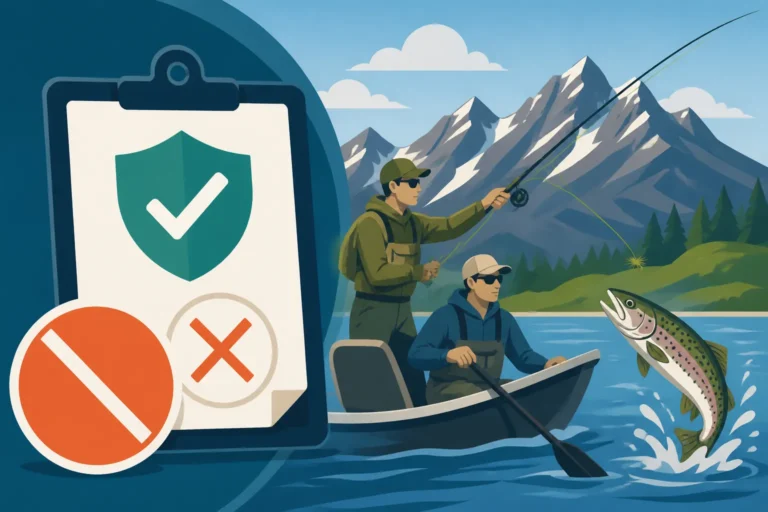
Before you even step foot in the boat or on the bank, you need to ensure you have the correct Wyoming fishing license. This is a non-negotiable requirement. While a guide can often tell you what you need, they cannot provide you with the license itself – you must purchase it yourself. You'll need to know if you're a resident or non-resident, how long you plan to fish (daily, 5-day, or annual), and if you need a Conservation Stamp (most annual and 5-day licenses require one).
The Wyoming Game and Fish Department website is the official place to purchase licenses online. You can also buy them from authorized vendors like sporting goods stores, some gas stations, and tackle shops across the state. It's best to get this done before your trip date to avoid delays. Your guide will expect you to have your license in hand. Moreover, your guide will be up-to-date on all local regulations, but it's always good for you to be aware of the basics. They will explain specific bag limits, special catch-and-release zones, or gear restrictions (like barbless hooks on certain rivers) that apply to the waters you'll be fishing. Understanding the rules helps you be a responsible angler and contributes to the conservation of Wyoming's precious fisheries. Check out License Requirements for Booking a Wyoming Fishing Guide for more details.
Communication is Key with Your Guide
Effective communication with your guide, both before and during your trip, is crucial for a successful and enjoyable experience. Before you book, be upfront about your experience level. Don't exaggerate; let them know you're a complete beginner, if that's the case. Explain what you hope to get out of the trip – is it simply to catch fish, or are you keen on learning specific techniques, or perhaps just enjoying the scenery? The more information you provide, the better your guide can tailor the trip to your expectations and abilities.
During the trip, don't be afraid to ask questions. If you don't understand an instruction, ask for clarification. If you're struggling with a technique, ask for more help. Guides are there to teach and assist you. Similarly, if you're getting tired, too cold, or need a break, communicate that. They want you to have a positive experience and are usually very accommodating. A good guide will regularly check in with you, but don't wait for them to ask – speak up! This open dialogue ensures that your needs are met and that your first guided fishing trip is everything you hoped for.
Common Misconceptions and What to Expect
Even with the best preparation, first-time anglers often hold a few common misconceptions about guided trips. Addressing these can help manage expectations and ensure a more realistic and enjoyable outing.
It's Not Just for Experts
One of the biggest myths about guided fishing trips is that they are exclusively for seasoned anglers looking to land a trophy or explore highly technical waters. While guides certainly cater to that demographic, many, especially in Wyoming, are fantastic at working with beginners. Think of a guide as a personal trainer for fishing – they start wherever you are, assess your current skill level, and build from there. They understand that everyone has to start somewhere.
A truly great beginner guide thrives on teaching and sharing their passion. They get immense satisfaction from seeing a new angler make their first successful cast, feel their first bite, or land their first fish. They know that fostering that love for fishing in a beginner ensures the future of the sport. So, if you've been hesitant because you feel you're "not good enough," put those worries aside. Guided trips are often the best way to become "good enough," or at least competent enough to enjoy the sport on your own terms later on. You don't need to prove anything; just come with an open mind and a willingness to learn. Many guides and outfitters listed on FishingBooker specifically highlight their beginner and family-friendly offerings, making it easier to find the right fit.
Cost vs. Value: Understanding the Investment
The cost of a guided fishing trip can sometimes seem like a significant investment, especially for a beginner who might not yet be fully committed to the sport. However, it's crucial to view this cost through the lens of value. When you hire a guide, you're not just paying for a few hours on the water; you're paying for:
- Expert Instruction: Personalized, one-on-one (or small group) lessons from a professional.
- All Equipment: Access to high-quality, perfectly matched gear that you don't have to buy, maintain, or transport.
- Local Knowledge: Years of experience about where to fish, what to use, and how to approach specific conditions.
- Safety: A professional ensures your safety on potentially wild waters.
- Time Savings: Avoiding countless hours of trial and error, research, and gear shopping.
- Maximizing Success: Significantly increasing your chances of catching fish and having a positive experience.
Consider how much you might spend on buying entry-level gear, transportation, and potentially a fruitless day of fishing if you went out on your own. A guided trip condenses the learning curve and maximizes your enjoyment. While prices vary based on trip length (half-day vs. full-day), location, and number of anglers, it's an investment in an experience and education. Knowing What a Guided Wyoming Fishing Trip Costs can help you budget, but remember to weigh the cost against the comprehensive value you receive.
| Trip Aspect | DIY Experience (Beginner) | Guided Trip (Beginner) |
|---|---|---|
| Gear | Research, purchase (or rent), transport, maintain | All provided, pre-rigged, high-quality, matched to conditions |
| Knowledge | Online research, trial & error, potentially frustrating | Expert, real-time instruction, local insights, "reading" water |
| Location | Finding public access, guessing hot spots | Guide navigates to productive, safe, appropriate spots |
| Safety | Self-reliance, limited emergency preparedness | Guide-led, safety equipment, emergency training |
| Instruction | Self-taught, YouTube videos, often inconsistent | Personalized, immediate feedback, tailored to your learning style |
| Time Savings | Significant time spent on planning, gear, and potentially fruitless attempts | Minimal planning, maximal fishing & learning time |
| Likelihood of Success | Low to moderate, dependent on luck and self-teaching ability | High, with guide actively working to put you on fish |
| Overall Stress | High, many unknowns and potential frustrations | Low, everything handled, focus on enjoyment and learning |
Catch-and-Release Expectations and Fish Handling
For many beginner anglers, especially those dreaming of a big catch, there's often an expectation of keeping every fish landed. While keeping fish for a meal is certainly a rewarding part of fishing, especially in Wyoming, it's important to understand that many guided trips, particularly on popular trout streams, often emphasize catch-and-release, or have specific rules regarding what can be kept. This is particularly true for wild trout populations on blue-ribbon waters.
Your guide will be an advocate for conservation and sustainable fishing practices. They will teach you how to properly handle fish to minimize stress and injury, increasing their chances of survival after release. This includes techniques like:
- Wet hands: Always wet your hands before touching a fish to protect its protective slime layer.
- Minimize air time: Keep the fish in the water as much as possible for photos and release.
- Support the fish: Support the fish horizontally, especially larger ones, to avoid damaging internal organs.
- Remove hooks gently: Use forceps or pliers to quickly and carefully remove hooks.
Your guide will explain the rules for the specific waters you're fishing. Some areas might have slot limits (only fish within a certain size range can be kept), or total catch-and-release regulations for certain species. Clarifying these expectations beforehand is good, but trust your guide's expertise in practicing responsible angling. It's not just about catching fish; it's about respecting the resource and ensuring healthy fisheries for the future. Learning Catch-and-Release Best Practices for Trout from a guide is an invaluable lesson for any aspiring angler.
Disclaimer
This article is for general informational purposes only and does not constitute professional advice. Laws, prices and regulations vary by location and change over time. Consult a qualified professional for guidance on your specific situation.