Do Guides Operate Year-Round in Wyoming?
It's a common question for anglers dreaming of a Wyoming fishing adventure: can you actually find a fishing guide here no matter what time of year you plan to visit? The idea of a perfectly planned guided trip sounds fantastic, but the reality of Wyoming's often extreme weather and distinct seasonal fishing patterns can make figuring out guide availability a bit of a challenge. While some waters indeed offer year-round opportunities, a guide's ability to operate is far from universal throughout the calendar. This guide will help you understand when and where professional fishing assistance is most likely available in the Cowboy State, and what factors might impact your ability to book a trip.
The Seasonal Rhythm of Wyoming Guiding
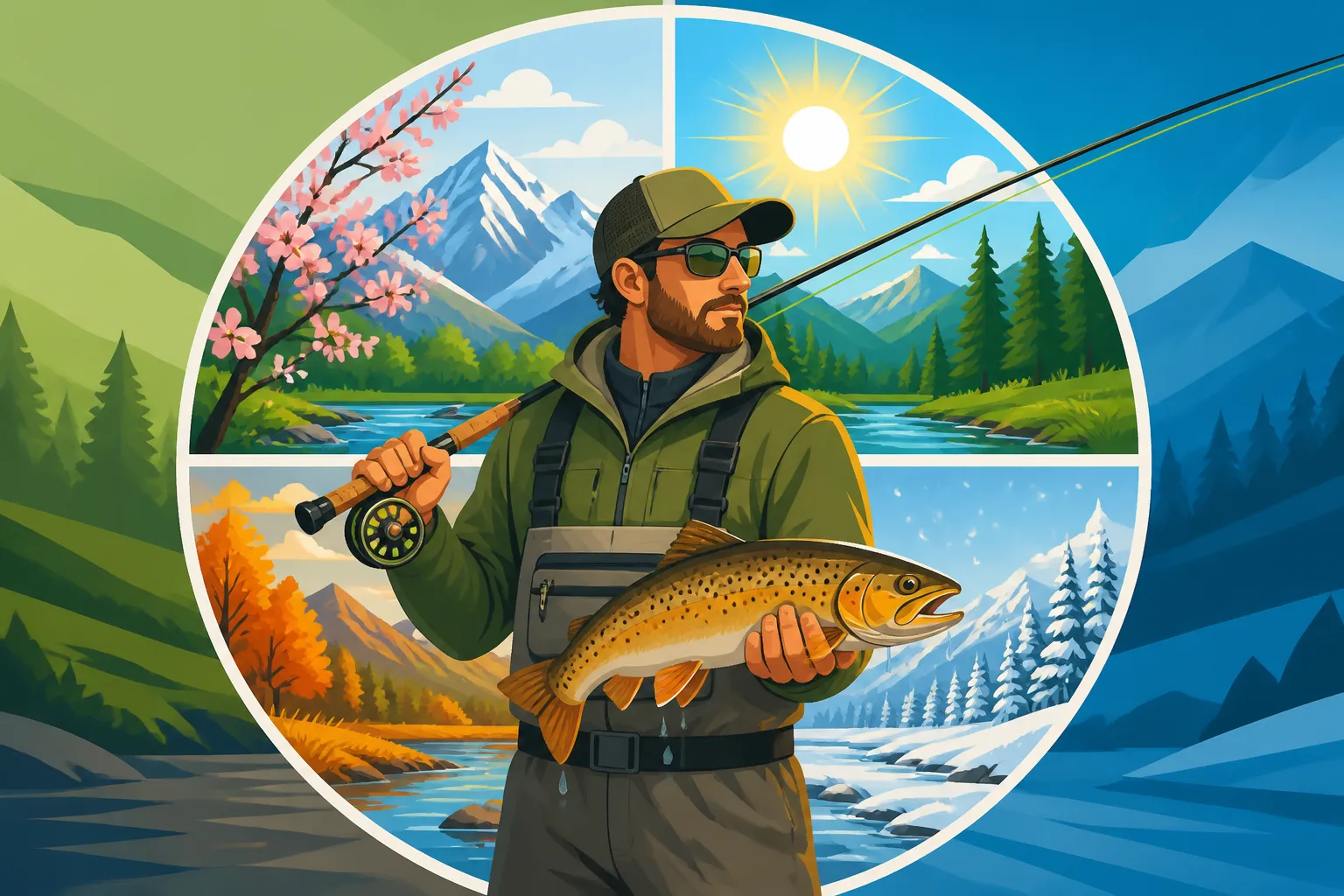
Wyoming's vast landscapes and diverse aquatic ecosystems mean that fishing opportunities, and thus guide availability, ebb and flow with the seasons. You won't find a fly-fishing guide floating the North Platte River in January, just as you won't typically find ice fishing guides in July. The state's distinct seasons dictate not only what fish are biting and where, but also what types of guided experiences are even possible. Understanding this natural rhythm is key to planning a successful guided trip, especially if you have a specific species or technique in mind.
Spring: Waking Waters and Early Opportunities
As the snow begins to melt and ice recedes from many lakes and rivers, spring brings a mixed bag for fishing guides. Early spring, particularly March and April, can offer fantastic fishing on certain rivers and tailwaters before the full force of runoff arrives. Guides specializing in these specific, often lower-elevation, waters will start to gear up, targeting aggressive trout coming out of winter sluggishness. However, the weather can be incredibly unpredictable, swinging from mild and sunny to fierce snowstorms in a single day, which can certainly impact trip scheduling.
Many guides will begin their season focusing on these accessible waters, offering wade trips or shorter float trips on stretches like the Miracle Mile or Gray Reef sections of the North Platte River. These areas often warm up faster and provide more consistent fishing as fish begin to feed actively. As spring progresses into May and June, however, runoff becomes a major factor. Large rivers swell with snowmelt, turning muddy and swift, making them unfishable and dangerous. During this period, many river guides take a hiatus or shift their focus to smaller streams and lakes that clear up faster, or to waters that are less affected by high flows, like the tailwaters below large dams. It's a tricky time to plan a trip without local expertise, which is precisely where a good guide comes in. They know the subtle nuances of where to find clear water and actively feeding fish amidst the torrent. For current conditions, remember to check resources on Where to Check Current Wyoming Water Closures.
Summer: Peak Season for Most Guides
Summer, stretching from late June through August, is undeniably peak season for fishing guides across Wyoming. This is when the vast majority of outfitters and independent guides are operating at full capacity, leading trips on almost every fishable water body in the state. The long, warm days mean stable weather (mostly!), clear rivers, and ice-free lakes, opening up a huge array of options for anglers. If you're looking for a specific type of trip, like a multi-day float or a backcountry pack-in to a high-alpine lake, summer is almost certainly when you'll find the most availability.
During summer, you'll find guides offering everything from technical dry fly fishing on blue-ribbon trout streams like the Snake River and Green River, to trolling for massive lake trout on Flaming Gorge Reservoir or Jackson Lake. Wade trips, drift boat floats, and powerboat charters are all in full swing. Because this is the busiest time, it's absolutely crucial to book your guide well in advance – often many months, especially for popular destinations like Jackson Hole or the North Platte. Many anglers use platforms like FishingBooker to compare guides and book their trips during this competitive period. Whether you're targeting Cutthroat Trout Fishing in Wyoming on a mountain stream or trying your hand at Lake Trout (Mackinaw) Fishing in Wyoming in a deep reservoir, summer is your best bet for a guided experience.
Fall: Trophy Hunts and Winding Down
As the aspen leaves turn gold and the air takes on a crisp edge, fall (September through November) offers some of the most spectacular fishing opportunities in Wyoming, particularly for trophy trout. Guides often shift their focus to species like brown trout, which become incredibly aggressive as they begin their pre-spawn migrations. The crowds of summer start to thin out, and the fish are often looking for a big meal, making for some truly memorable days on the water. However, as winter approaches, guide operations do begin to wind down.
Early fall is still quite busy for guides, especially on rivers known for their large brown trout, like the North Platte's Miracle Mile. Guides will be busy leading trips targeting these strong, colorful fish. Fall Fishing for Browns on the Miracle Mile is a highly sought-after experience, and guides who specialize in this will be booked solid. Later in the fall, as temperatures drop and more persistent cold fronts move in, fishing can become more challenging, and some guides will start to put away their boats for the season. High-country access can become limited due to snow, and lake fishing might shift to deeper techniques as fish move into winter holding patterns. While still a fantastic time to fish with a guide, you'll want to check with your chosen outfitter about their specific season end dates and preferred fishing methods for the colder weather.
Winter: The Niche World of Ice Fishing Guides
While the idea of "year-round" guiding might seem impossible in a state known for its harsh winters, specific types of fishing guides do indeed operate through the colder months. Winter (December through February) is primarily the domain of ice fishing guides, particularly on larger reservoirs that offer safe, consistent ice. These specialized guides provide a unique experience, offering warmth, equipment, and expertise for those willing to brave the cold for a shot at some fantastic winter bites.
Ice fishing guides typically offer heated shelters, augers, electronics (like fish finders), and specialized ice fishing rods and tackle. They'll know the best spots on expansive lakes like Boysen Reservoir, Seminoe Reservoir, or Glendo Reservoir, targeting walleye, perch, rainbow trout, and even lake trout. This isn't just about punching a hole in the ice; it's about understanding fish behavior in cold water and knowing where to set up for success. For those interested in Ice Fishing in Wyoming: A Complete Guide, a professional guide can make the experience far more comfortable and productive, especially for beginners. Additionally, certain tailwater fisheries, which are river sections below dams, remain open and ice-free year-round due to consistent water releases. Guides who specialize in Best Winter Fishing Technique Below Flaming Gorge Dam on the Green River, for instance, might offer wade-fishing or short float trips during mild winter days, targeting trout that thrive in the stable conditions of these dam-fed waters. It's a very specific type of guided trip, but it absolutely counts as year-round operation for those intrepid enough to pursue it.
Factors Influencing Guide Availability and What to Expect
Even within a given season, several factors can influence whether you'll find a guide operating and what kind of trip they can offer. Understanding these can help you manage expectations and plan more effectively. It's not just about the month on the calendar, but the specific conditions on the ground (or water!).
Weather and Water Conditions
Wyoming weather is notoriously fickle. A guide's ability to operate is directly tied to safety and fishing conditions. Heavy winds can make reservoir fishing dangerous or unproductive. Sudden snowstorms can close roads to remote access points or make river conditions too cold for comfortable fly fishing. Rapid temperature changes can make fish lethargic. Guides are constantly monitoring forecasts and water reports. When you're trying to book a guide, especially outside of peak summer, be prepared for potential rescheduling or changes to your planned itinerary based on these unpredictable elements. It's not uncommon for a guide to call off a trip if the conditions are unsafe or the fishing will be so poor it wouldn't be a good experience for the client.
River flows are another critical aspect. Wyoming Fishing Seasons and Water-Specific Closures can occur due to extreme low water, or conversely, extremely high and muddy runoff. A river guide relies on specific flow levels for safe and effective float trips. Too low, and they can't float. Too high or turbid, and the fishing becomes impossible. When looking for a guide, using a platform like FishingBooker can sometimes help you see a guide's availability calendar, but a direct conversation about their flexibility and what alternative waters they might suggest is always best. They might recommend shifting to a different body of water that's fishing better under the current conditions.
Types of Guides and Their Specialties
Not all guides are created equal, nor do they all operate the same way. Some guides are dedicated fly fishing experts, focusing solely on trout streams with specific techniques like nymphing or dry fly presentation. Others might be primarily spin fishing guides for walleye on a reservoir, using entirely different boats and tackle. Then there are ice fishing specialists, or those who offer multi-day pack trips into the high country. Their specialization often dictates their operating season. A high-alpine lake guide, for example, will only be active during the brief window when those lakes are ice-free and accessible, typically July through early September.
Before booking, especially for an off-peak season, it's vital to clearly communicate your expectations and ask about the guide's specific expertise and what they recommend for that time of year. A general "fishing guide" might not be equipped or experienced in the specific technique you're hoping to pursue in, say, late November. Many seasoned anglers search on platforms like FishingBooker specifically looking for guides who list their target species and techniques. This ensures you're pairing with someone who truly knows the water and the fish during your desired season. For a deeper dive into finding the right match, check out How to Choose a Wyoming Fishing Guide.
Booking Considerations and Cost Implications
While guide operations are certainly possible year-round in various capacities, booking a trip in the shoulder seasons (early spring, late fall) or winter often comes with a few unique considerations. Availability can be much more limited, as fewer guides choose to operate during these tougher conditions. This can sometimes mean that individual guide days might be in higher demand, even if the overall pool of guides is smaller.
It's wise to plan your winter or extreme shoulder season trip with extra flexibility in your schedule, allowing for potential weather delays. The Wyoming Daily Fishing License Cost and other associated fees remain consistent, but the availability of a guide will largely depend on their individual business model and willingness to brave the elements. During peak summer, you might find more competitive pricing or a wider range of trip options simply due to the sheer volume of guides operating. Conversely, some guides might offer slightly reduced rates in the late fall or early spring to entice anglers, while others maintain consistent pricing due to the added effort of cold-weather guiding. Always inquire about cancellation policies related to weather, especially for trips outside of the stable summer months.
How to Find a Guide for Your Preferred Season
Even with the seasonal shifts, finding a guide for most times of the year in Wyoming is certainly possible if you know where to look and what questions to ask. It often boils down to doing a little homework and being realistic about the type of fishing available during your chosen timeframe.
Online Resources and Outfitter Directories
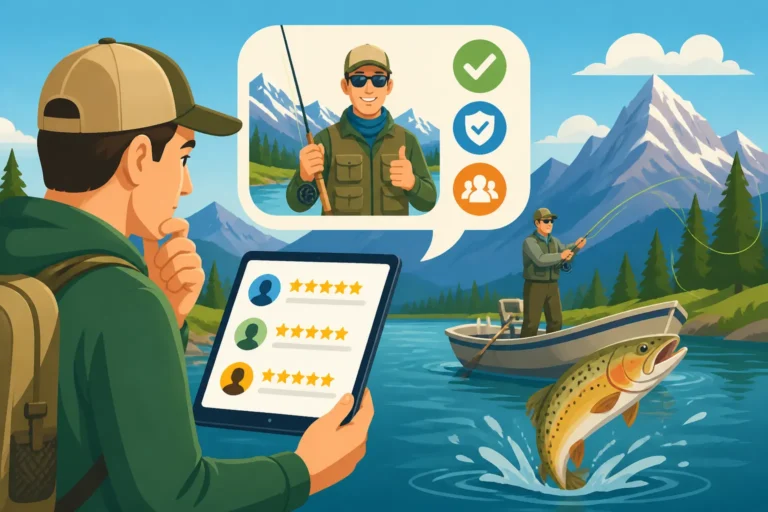
The internet is your best friend when searching for a Wyoming fishing guide. Many reputable outfitters and individual guides have websites detailing their services, seasonal offerings, and contact information. Beyond individual sites, online booking platforms are incredibly useful. Sites like FishingBooker aggregate listings from numerous guides, allowing you to filter by location, species, and even specific dates. This can be especially helpful for discerning which guides are truly operating in the "off-season" or have specific expertise in niche areas like ice fishing or winter tailwater nymphing.
When browsing, pay close attention to the descriptions of their trips, photos, and client reviews. Does a guide explicitly state they offer winter ice fishing trips? Do they highlight fall brown trout runs? This detailed information will quickly tell you if their services align with your seasonal fishing aspirations. Don't be shy about reaching out directly to guides whose profiles catch your eye, even if their calendar doesn't show immediate availability. A quick phone call can clarify their operating schedule, specific target species for that time of year, and any advice they might have.
Local Fly Shops and Visitor Centers
Sometimes the best resources are right in the communities closest to the waters you want to fish. Local fly shops, bait and tackle stores, and even visitor information centers often have extensive networks of local guides. These brick-and-mortar establishments can provide invaluable, up-to-the-minute information on local conditions, which guides are currently operating, and what's biting. They often maintain bulletin boards with guide business cards or can provide personal recommendations based on your preferences.
If you're planning a trip to a specific area, such as Jackson Hole, Casper, or Pinedale, a call to a local fly shop like those found in downtown Pinedale or along the North Platte in Casper can yield a treasure trove of information. They can connect you with guides who might not have an extensive online presence but are well-known and respected locally for their expertise in Wyoming Fishing Regulations Every Angler Should Know and their chosen fisheries. This local connection can be particularly beneficial for finding guides during less popular seasons, as these smaller, independent guides often have more flexibility in their schedules.
Being Specific and Flexible with Your Request
When contacting potential guides, whether online or in person, being specific about what you're looking for but also flexible with your dates and expectations is key. Instead of just asking "Do you guide year-round?", try: "I'm planning a trip in mid-November and I'm hoping to target large brown trout on a river, or perhaps try some ice fishing if river conditions are poor. Are you operating then, and what type of trips would you recommend?" This gives the guide a much clearer picture of your needs and allows them to offer tailored advice.
Remember, a guide's primary goal is to provide a successful and enjoyable trip. If the conditions during your preferred month aren't ideal for your target species or technique, a good guide will be honest with you. They might suggest an alternative water body, a different approach, or even recommend rescheduling your trip for another time of year when conditions are more favorable. Being open to these suggestions will greatly increase your chances of finding an operating guide and having a fantastic experience, no matter the season. For more about what to prepare, you can read What to Bring on a Guided Wyoming Fishing Trip.
Disclaimer
This article is for general informational purposes only and does not constitute professional advice. Laws, prices and regulations vary by location and change over time. Consult a qualified professional for guidance on your specific situation.