Why Wyoming Doubled the Snake River Trout Limit in 2026
It can be a bit jarring, can't it? One minute you're used to a certain set of fishing regulations, especially on a beloved waterway like the Snake River, and the next, things change. When the Wyoming Game and Fish Department (WGFD) announced changes for 2026, specifically doubling the trout limit on a significant stretch of the Snake River, many anglers, myself included, probably did a double-take. "Doubled the limit? Why?" is a perfectly natural question when you're used to conservation efforts typically leaning towards more restrictive measures. This guide aims to clear up that confusion and explain the ecological reasoning behind this seemingly counterintuitive but critical decision.
Understanding the Pressures on the Snake River Fishery
The Snake River, particularly the stretches below Jackson Lake Dam, is renowned for its incredible trout fishing. It's a place where memories are made and big fish are caught. However, like many complex ecosystems, it's constantly battling a delicate balance, and sometimes human intervention, through well-intentioned stocking programs of the past, or species introductions, can have unintended consequences that ripple through the food web. The WGFD isn't just changing rules on a whim; these decisions are almost always rooted in extensive scientific study and monitoring.
The Threat to Native Yellowstone Cutthroat Trout
At the heart of many regulation changes in Wyoming's waterways, especially in the western part of the state, is the protection and recovery of the native Yellowstone Cutthroat Trout. These beautiful fish are Wyoming's State Fish: The Yellowstone Cutthroat, and they are incredibly important to the ecological health of the Snake River system. Unfortunately, their populations have faced significant pressure over the years from a few key factors.
One major factor is hybridization. Decades ago, non-native rainbow trout were stocked in some waters, and when these fish interbreed with native cutthroat trout, they produce "cutbows." While still a trout, these hybrid fish dilute the genetic purity of the Yellowstone Cutthroat, which can weaken the native population's adaptability to local conditions and diseases over time. Think of it like a wild, native plant being outcompeted or genetically absorbed by a more aggressive, introduced species.
The Impact of Non-Native Lake Trout
Another significant player in the Snake River ecosystem, particularly in areas like Jackson Lake just upstream, is the lake trout, often called Mackinaw. While a fantastic sport fish in its own right, Lake Trout (Mackinaw) Fishing in Wyoming outlines that in certain areas, particularly where they are not native, they can become voracious predators. Lake trout compete with and prey upon native cutthroat trout, especially juveniles. They can rapidly grow to large sizes, putting immense predatory pressure on the smaller, native fish.
In places like Jackson Lake, the WGFD has been actively working on programs to reduce lake trout numbers to give the native cutthroat a better chance. When you see a limit increase, especially for "trout" on a river that also has some of these non-native species, it's often a signal that the department is trying to encourage anglers to harvest more of the problem fish. This strategy turns anglers into active participants in conservation, transforming a fishing trip into a direct contribution to ecosystem health.
The Specifics of the New Snake River Regulation
So, let's get down to the nitty-gritty: what exactly changed, and where? The new regulation effective in 2026 specifically targets a certain stretch of the Snake River and the species within it. It's crucial to understand these details because fishing regulations can be incredibly nuanced, with different rules applying to different waters, or even different sections of the same river. It's always a good idea to consult the official Wyoming Fishing Regulations Every Angler Should Know booklet or the WGFD website for the most up-to-date information before you head out.
The Targeted Stretch of River and Species
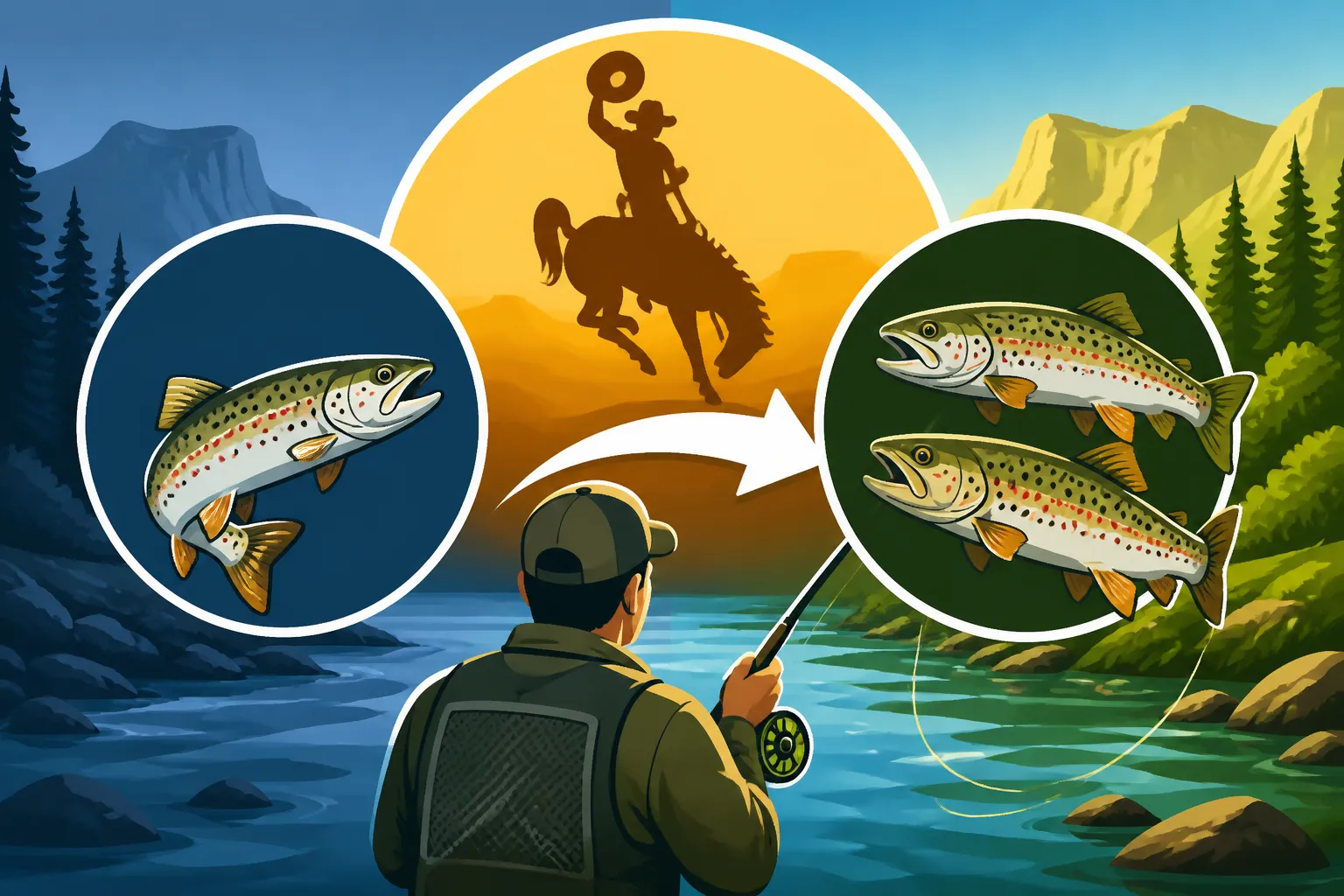
The doubling of the trout limit applies to the Snake River from the Jackson Lake Dam downstream to the Highway 22 bridge at Wilson. This particular section has been identified as an area where the population dynamics of non-native species, or hybrids, are creating an imbalance that threatens the native cutthroat. The increase in the limit is primarily aimed at encouraging the harvest of any trout species caught, with the underlying goal of reducing overall trout biomass that isn't purely native Yellowstone Cutthroat.
Previously, anglers might have been allowed to keep only a couple of trout, with specific length restrictions. Now, the new rule allows anglers to keep up to six trout per day, with specific details often outlined for size classes, and usually, only one of those six can be over 16 inches. This is a significant shift. The rule change for New Snake River Trout Limits Near Jackson Lake Dam is a direct effort to recruit anglers in managing the fishery.
The Rationale for Doubling the Limit
The WGFD's primary motivation for doubling the limit on this segment of the Snake River is to implement a harvest-based management strategy. By encouraging anglers to keep more fish, especially non-native and hybrid trout, they aim to:
- Reduce Competition for Native Cutthroat: Fewer non-native trout mean less competition for food resources and fewer predators for young native cutthroat.
- Lessen Hybridization Pressure: Increased harvest of hybrid trout helps to reduce the number of individuals that can breed with pure Yellowstone Cutthroat, thereby protecting the genetic integrity of the native stock.
- Provide Angling Opportunity: While conservation is key, the WGFD also aims to provide quality angling opportunities. When a fishery can sustain a higher harvest without detriment to its overall health (or even improve it by removing undesirable species), they will adjust limits accordingly. This is a stark contrast to Catch-and-Release Rules on Wyoming Waters that apply to other specific, sensitive stretches.
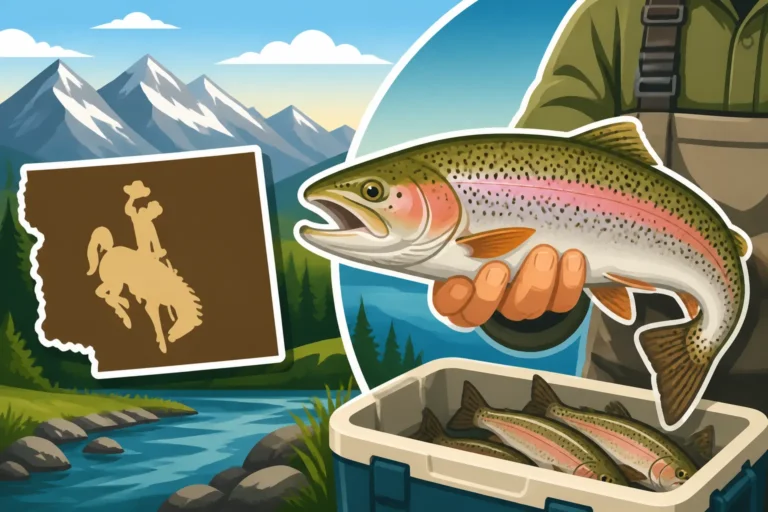
It's a proactive step that leverages the angling community to help achieve biological management goals. For many, it's a welcome opportunity to take home more fish for the dinner table, especially if they are delicious Rainbow Trout Fishing in Wyoming.
How Anglers Can Help and Adapt
When regulations change, it's not just about knowing the new numbers; it's about understanding your role as a responsible angler. We all want healthy fisheries, and by adapting our practices, we can become invaluable partners with the WGFD in ensuring the long-term health of the Snake River. This also means being diligent in our identification skills and being prepared for a potentially different kind of fishing experience.
Identifying Different Trout Species
This is where the rubber meets the road. If the goal is to reduce non-native and hybrid trout to benefit native Yellowstone Cutthroat, anglers need to be able to tell the difference. While it might sound daunting, with a little practice, it's quite achievable.
Yellowstone Cutthroat Trout are typically characterized by their distinctive red or orange "cutthroat" marks under their jaw. They often have fine spots that are more concentrated towards the tail. Rainbow trout, on the other hand, usually have a reddish stripe along their side and more uniformly distributed spots. Hybrid "cutbows" can be trickier, exhibiting characteristics of both. Learning to identify a Yellowstone Cutthroat Trout is crucial.
If you're unsure, it's always best to err on the side of caution. Consider carrying a portable fish identification guide or even a laminated reference card, perhaps one you could easily find on Amazon. Being able to quickly and accurately identify your catch not only helps you adhere to regulations but also educates you about the diverse fish species in Wyoming's waters.
Responsible Harvest and Conservation Practices
Even with a doubled limit, responsible angling practices remain paramount. This isn't an invitation for wanton harvest, but rather a targeted effort.
- Know the Rules: Always double-check the specific regulations for the stretch of river you're fishing. The Snake River below Jackson Lake Dam might have different rules than Fishing Wyoming's Snake River Below Jackson Lake Dam.
- Handle Fish Carefully: If you're planning to release fish, handle them as little as possible with wet hands. Use tools like a good pair of forceps (easily found on Amazon) to remove hooks quickly, especially if you plan to practice catch and release for native cutthroat or other species not intended for harvest.
- Respect the Resource: Even if you're taking fish for dinner, only keep what you will truly consume. The goal is ecological balance, not wasteful harvesting.
- Report Concerns: If you notice anything unusual, like a significant fish kill or strange behavior, don't hesitate to contact the WGFD. They rely on observant anglers to be their eyes and ears on the water.
This change for the Snake River is a testament to the dynamic nature of fisheries management. It highlights the WGFD's commitment to maintaining healthy, native fish populations while still providing exceptional angling opportunities. By understanding the "why" behind these changes and adjusting our own practices, we all play a vital role in keeping Wyoming's fisheries vibrant for generations to come. When planning your trip, consider grabbing a tape measure and a small scale from Amazon to ensure you're compliant with any size limits. You can also explore options for Two-Pole and Multiple-Rod Rules in Wyoming if you're looking to maximize your chances within the new limits.
| Section of Snake River | Old Daily Trout Limit (Example) | New Daily Trout Limit (2026) | Primary Goal of Change | Species Affected (Target for Harvest) |
|---|---|---|---|---|
| Jackson Lake Dam to Hwy 22 Bridge | 2 (with size restrictions) | 6 (with size restrictions) | Reduce non-native/hybrid trout, protect natives | Rainbow, Cutbows, some Lake Trout |
Disclaimer
The information provided in this guide is for general informational purposes only and is subject to change. Fishing regulations in Wyoming are complex and can vary significantly by location, species, and time of year. Always consult the official Wyoming Game and Fish Department (WGFD) regulations booklet or their website for the most current and accurate rules before engaging in any fishing activities. Compliance with all state and federal regulations is the responsibility of the individual angler.