How Many Trout Over 16 Inches You Can Keep in Wyoming
One of the trickiest parts about fishing in Wyoming, especially for those of us who just want to enjoy a peaceful day on the water, is keeping up with all the regulations. It’s easy to get tangled up in the details, particularly when it comes to how many fish you can keep and what size they need to be. A common point of confusion, and one that often causes anglers to second-guess themselves, revolves around keeping those truly memorable, larger trout. This guide is here to untangle the complexities of Wyoming's "one over 16 inches" rule for trout, helping you understand exactly what you can keep and where, so you can fish with confidence and stay on the right side of the law.
The Foundation: Wyoming's General "One Over 16 Inches" Trout Rule
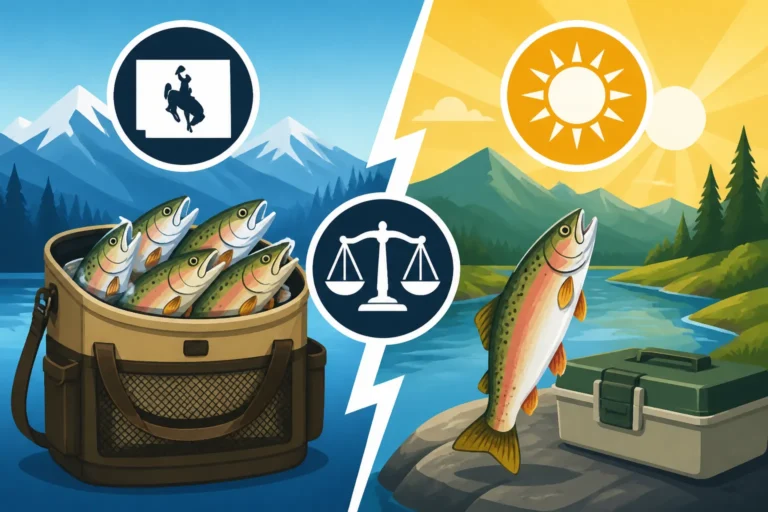
Let’s be honest, trying to decipher fishing regulations can sometimes feel like trying to tie a Blood Knot with frozen fingers – frustrating and prone to errors if you're not careful. But when it comes to trout in Wyoming, there’s a bedrock rule that applies to most waters, and it’s critical to understand: you can generally only keep one trout over 16 inches per day, and this fish must be included within your overall daily creel limit. This isn't a bonus fish; it's part of your total.
Imagine you're out on a beautiful stream, maybe somewhere near the Miracle Mile Stretch of Wyoming's North Platte River, and you've had a fantastic day catching a mix of browns and rainbows. If the general statewide or specific water regulations are in effect, and the daily limit for trout is four, that means you could keep, for example, three trout under 16 inches and one glorious 18-inch brown. Or, if you only catch smaller fish, you could keep four under 16 inches. The key takeaway is that the "one over 16 inches" is a cap on the number of large fish you can retain, not an addition to your limit. This specific regulation is so important that it's often highlighted in the regulations booklet and is a cornerstone of The One-Over-16-Inch Rule on Wyoming Trout Streams.
The Wyoming Game and Fish Department (WGFD) puts these kinds of regulations in place for a really good reason: conservation. Those bigger fish are often the prime spawners, the genetic backbone of the population. By limiting the harvest of these larger individuals, the WGFD aims to ensure a healthy breeding stock for future generations, leading to more robust fisheries overall. It’s a delicate balancing act, trying to provide opportunities for anglers to harvest fish while also protecting the resource. For a broader overview of how all these limits work, check out Understanding Wyoming's Daily Bag Limits by Species.
When you do decide to keep a fish, especially if you're aiming for that one over 16 inches, make sure you have a reliable measuring device. A flexible tape measure or a bump board can be a lifesaver. You can find some excellent, waterproof measuring devices on sites like Amazon that are perfect for keeping in your tackle box or boat. Proper measurement is from the tip of the nose to the tip of the longest lobe of the tail, with the fish lying flat. No bending, no stretching! It sounds simple, but in the excitement of a catch, it’s easy to get it wrong.
Beyond the General Rule: Navigating Specific Water Exceptions
Now, here's where things can get a little more complex, and where many anglers (myself included!) have found themselves scratching their heads. While the "one over 16 inches" rule is a good general guideline, Wyoming is a state of incredible diversity in its waters, and with that diversity comes a host of specific regulations that supersede the general rule. It's truly essential to consider Stream Limits vs Lake Limits for Wyoming Trout, as they often differ significantly. This is why always having the current Wyoming Fishing Regulations Every Angler Should Know at your fingertips, or at least knowing how to quickly reference it, is non-negotiable.
River and Stream-Specific Regulations
Many of Wyoming's most famous trout rivers have their own unique rules, often designed to manage highly sought-after wild trout populations or address specific ecological concerns.
- North Platte River (Miracle Mile, Gray Reef, Fremont Canyon): These iconic stretches, renowned for their incredible trout fishing, often have highly restrictive regulations. While they generally adhere to a daily limit that includes the "one over 16 inches" rule, many anglers here practice catch-and-release exclusively due to the quality of the fishery and a desire to preserve it. Some sections may even have slot limits, where you must release fish within a certain size range, while only keeping fish outside that range. Always, always check the specific regulations for the precise stretch of river you intend to fish. These areas are managed intensely to maintain their "blue-ribbon" status.
- Snake River (especially near Jackson Lake Dam): This is a fantastic example of dynamic regulations responding to ecological needs. Recently, the Wyoming Game and Fish Department made significant changes here. For certain stretches of the Snake River below Jackson Lake Dam, the daily limit for all trout (cutthroat, rainbow, brown, brook) was increased, and importantly, the "one over 16 inches" rule was modified or even lifted entirely for some species or sections. This isn't to say you can just keep unlimited large fish, but rather, the goal is often to encourage harvest of non-native species like brook trout or lake trout to protect the native Snake River Fine-Spotted Cutthroat Trout. The specifics of these changes are detailed and must be reviewed carefully, and understanding these shifts can be critical. You can find more specific information on these kinds of changes in resources like New Snake River Trout Limits Near Jackson Lake Dam. It's a complex scenario where conservation isn't just about protecting a species, but also managing an ecosystem that's been altered by introduced species.
Lake and Reservoir Regulations
Lakes and reservoirs, particularly the larger ones, can also have very different rules than streams, mainly due to different species compositions and management goals.
- High-Alpine Lakes: Many of Wyoming's pristine, high-elevation lakes hold populations of cutthroat, golden, or brook trout. Depending on whether they are managed as wild, self-sustaining fisheries or are helicopter-stocked, the limits can vary wildly. Some might have more liberal limits, especially for brook trout, to help prevent overpopulation and stunting, while others might be strictly catch-and-release to protect rare or fragile populations. If you’re planning a trip to Fishing Wyoming's Wilderness and Backcountry Lakes, it's crucial to consult the regs for each specific lake.
- Larger Reservoirs (e.g., Flaming Gorge, Boysen Reservoir, Glendo): While these are more famous for species like lake trout, walleye, or kokanee salmon, they still hold substantial trout populations. The general "one over 16 inches" rule might apply, but often these waters have additional layers of complexity, such as species-specific limits, or even slot limits that allow you to keep more smaller fish but restrict mid-sized ones. Always consult the specific listing for these major bodies of water in the regulation booklet.
It’s truly a testament to the diversity of Wyoming’s fisheries that these regulations are so varied. The best advice I can give, and one that has saved me from potential violations more than once, is to always refer to the current Wyoming Fishing Regulations booklet. You can often pick up a physical copy at any WGFD office, licensed vendor, or even view it digitally on their website. Some anglers even buy durable, waterproof cases for their regulation books on Amazon, which is a smart move when you're out on the water. For guidance on interpreting the booklet, you might find Reading the Wyoming Fishing Regulations Booklet helpful.
Why These Regulations Exist: Conservation, Management, and Your Fishing Future
It’s easy to look at a dense regulation booklet and just see a list of "do's and don'ts," but behind every rule, especially the size and creel limits, there’s a thoughtful, science-based approach to managing one of Wyoming’s most cherished resources: its fish. Understanding the why can make complying with the what much easier and more meaningful.
Protecting Breeding Stock
The "one over 16 inches" rule, in particular, is largely about protecting the reproductive capacity of trout populations. Larger, older trout are often the most successful breeders. They lay more eggs, and those eggs tend to be more viable. By limiting the harvest of these trophy-sized fish, the WGFD ensures that these valuable genetic contributors remain in the population to spawn and perpetuate the species. Think of it as protecting the "seed corn" for future harvests. Without these big, healthy spawners, the long-term health and abundance of the fishery could decline.
Balancing Fish Populations and Preventing Stunting
Sometimes, regulations are designed to encourage the harvest of smaller fish or certain species. For example, in some high-alpine lakes, brook trout can become overpopulated and "stunted" (meaning they don't grow very large) due to limited food resources. In these cases, the WGFD might implement liberal limits, encouraging anglers to keep more fish, including those under 16 inches, to help thin the population and allow the remaining fish to grow larger. Conversely, in areas where a non-native species like lake trout is outcompeting native cutthroat, such as in Yellowstone Lake (though rules there are distinct from statewide Wyoming regs) or certain sections of the Snake River, regulations might actively encourage harvesting all lake trout, regardless of size, to protect the native species. These nuanced rules are vital for maintaining ecological balance.
Ensuring a Quality Fishing Experience for Everyone
Ultimately, these regulations contribute to a sustainable fishery, which means better fishing for everyone, now and in the future. Nobody wants to visit a famous fishing spot only to find it depleted. By managing harvest through tools like size limits, the WGFD aims to maintain healthy populations that offer robust angling opportunities. This includes the chance to catch not just some fish, but quality fish – those healthy, fighting trout that make a trip memorable. This commitment to sustainability is why practices like Catch-and-Release Rules on Wyoming Waters are so prevalent in many popular areas.
Compliance isn't just about avoiding a fine; it’s about being a responsible steward of the natural world. Failing to follow regulations, whether intentionally or by mistake, can lead to serious consequences, including significant penalties. For more on this, you can refer to Fines and Penalties for Common Fishing Violations. It's always worth the extra effort to read the regulations for your specific body of water before you cast your line.
Practical Steps to Stay Compliant and Enjoy Your Wyoming Fishing Trip
Even for seasoned anglers, Wyoming's fishing regulations can feel like a moving target. Water-specific rules change, emergency closures pop up, and sometimes, a species you thought was native turns out to be an introduced one with different limits. It's a lot to keep track of, but a few practical habits can make all the difference.
Your Essential Checklist Before You Go
Before you even pack your rods, take a few minutes to do some vital homework:
- Get the Current Regulations: This is non-negotiable. Whether you download the digital version to your phone (which is perfectly acceptable for Carrying Your Wyoming Fishing License in the Field if it's the official app/download) or grab a physical booklet, make sure it’s the current year's edition. Regulations are updated annually, and sometimes even in-season with emergency orders. Don't rely on last year's knowledge!
- Identify Your Water Body: Know the exact name of the river, lake, or stream you plan to fish. Then, look up that specific water body in the regulation booklet. Don't assume the general statewide rules apply; often, they don't in high-profile areas. Pay close attention to any "special regulations" listed.
- Note Daily and Possession Limits: Understand the daily creel limit (how many you can keep per day) and the possession limit (how many you can have in your possession, including at home, at camp, or in your cooler, after a multi-day trip). Wyoming's regulations also explain Wyoming's Combined Possession Limit Explained, which covers total fish held.
- Understand Size Restrictions: This is where the "one over 16 inches" rule comes in, or where specific slot limits might be in effect. Make a mental note, or even write down, the exact size rules for the species you're targeting in that specific water.
On the Water: Measure Twice, Keep Once
When you’re actively fishing, especially if you plan to keep fish, maintaining good habits is crucial:
- Measure Carefully: As mentioned, carry a reliable measuring device. If you're unsure if a fish is exactly 16 inches, or if it might nudge over, err on the side of caution. It's better to release a fish that's borderline than to risk a violation.
- Keep Track of Your Catch: If you're allowed to keep multiple fish, keep a running tally in your head or even jot it down. It’s easy to lose count when the fishing is hot, but exceeding your limit can still lead to trouble.
- When in Doubt, Release: If there’s any uncertainty about a regulation for a particular fish or water, the safest and most ethical choice is to release the fish unharmed.
Here’s a quick glance at how trout limits can vary in Wyoming (always verify with the current WGFD regulations for your specific water):
| Regulation Aspect | General Statewide Trout Rule (Most Waters) | Specific River Example (e.g., North Platte, common sections) | Specific Water Example (e.g., Snake River below Jackson Lake Dam, post-2026 changes) |
|---|---|---|---|
| Daily Creel Limit (Trout) | 6 (combined species) | 6 (combined species) | Variable (e.g., increased limit for specific non-native species) |
| "One Over 16 Inches" Rule | Yes, one trout over 16 inches allowed | Yes, one trout over 16 inches allowed | May be lifted or modified for certain species/sections (e.g., to encourage harvest of non-natives) |
| Possession Limit | Twice the daily creel limit | Twice the daily creel limit | Variable (check specific regulations) |
| Barbless Hooks Required | Generally no | Often yes, on certain sections | Generally no, but check |
| Catch-and-Release Recommended | Often, but not required | Highly recommended, sometimes required | Depends on species (e.g., C&R native cutthroat, harvest non-native lake trout) |
This table is a simplified example; Wyoming's regulations are highly detailed and can change. Always, always look up the specifics for your planned fishing adventure. By being prepared and diligent, you can ensure a fantastic and lawful fishing experience in the incredible waters of Wyoming.
Disclaimer
Please remember that fishing regulations are subject to change. This guide is intended for informational purposes only and is based on general knowledge and publicly available information at the time of writing. Always consult the official Wyoming Game and Fish Department (WGFD) regulations booklet or website for the most current and specific rules and laws before engaging in any fishing activities. Compliance with all state and local fishing laws is your responsibility.