Are Barbless Hooks Required on the North Platte River?
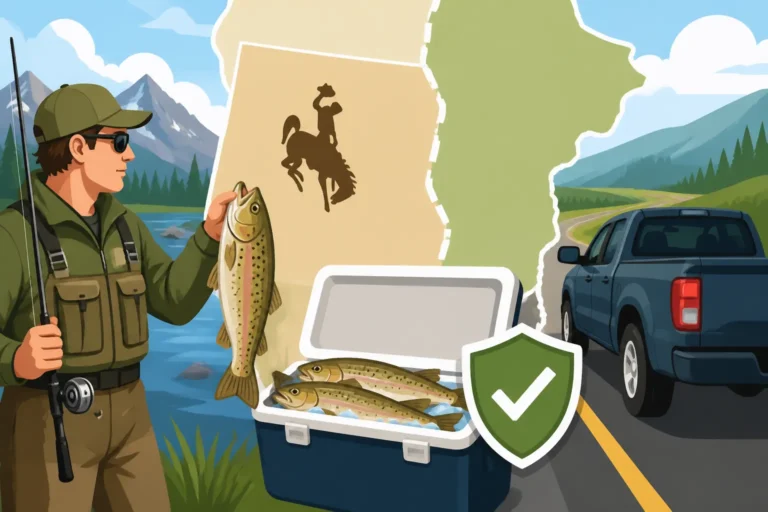
When you're planning a fishing trip to Wyoming's legendary North Platte River, one question often weighs heavily on an angler's mind: are barbless hooks truly required? This isn't just a minor detail; misunderstanding this regulation can genuinely impact your day on the water, potentially leading to fines or, more importantly, harming the very fish you're hoping to catch. This comprehensive guide is here to clear up the confusion, detailing exactly where and why barbless hooks are mandatory on the North Platte, and how you can ensure you're always in compliance.
Navigating Wyoming's North Platte River Hook Regulations
The North Platte River in Wyoming is renowned globally as a premier trout fishery, a true gem for anglers seeking large, healthy brown and rainbow trout. With such a valuable resource, it's no surprise that certain sections have special regulations in place to protect these magnificent fish. The question of barbless hooks often trips up even seasoned anglers, because it's not a blanket rule covering every single mile of the river.
Instead, the requirement for barbless hooks is meticulously applied to specific, high-quality stretches of the river that experience significant fishing pressure and are managed primarily as catch-and-release or highly regulated harvest fisheries. These are the "blue-ribbon" sections, where the Wyoming Game and Fish Department (WGFD) works hard to maintain exceptional trout populations. Knowing these specific zones is absolutely critical before you cast your line. To dive deeper into the general rules, you might want to check out our full guide on Wyoming Fishing Regulations Every Angler Should Know.
The General Rule for Barbless Hooks on the North Platte
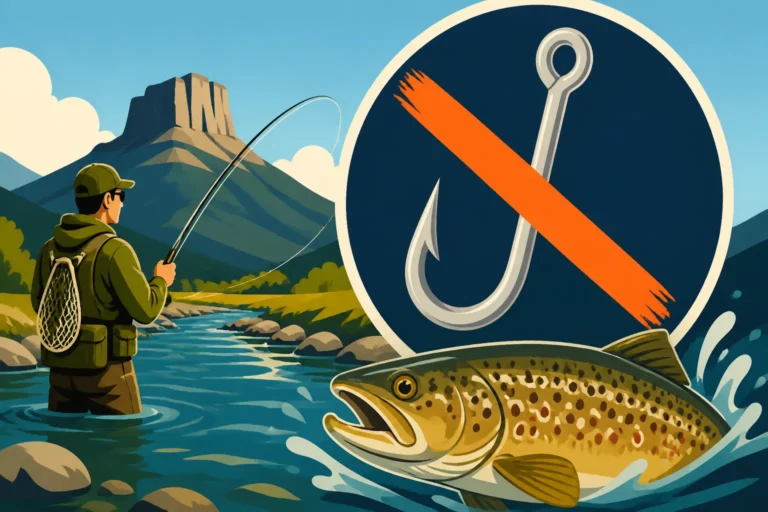
Let's get straight to it: yes, barbless hooks are required on specific, designated sections of the North Platte River. This isn't a suggestion; it's a mandatory regulation designed to protect the trout in these heavily fished areas. For the most part, where you find these rules, you'll also find a restriction to "artificial flies and lures only," meaning live bait is generally prohibited in the same regulated stretches.
The primary purpose behind these stringent hook regulations is conservation. When fish are caught and released, particularly multiple times over their lives, the goal is to minimize stress and physical damage. A barbed hook creates a larger wound and can be much harder to remove, often tearing tissue or damaging delicate structures like gills and eyes. A barbless hook, on the other hand, slides out with minimal effort and leaves a much smaller, cleaner puncture wound, drastically increasing the fish's chances of survival post-release. This proactive approach helps maintain the incredible wild trout populations that draw anglers from all over the world to the North Platte.
Key North Platte Stretches Requiring Barbless Hooks
To truly understand where these regulations apply, let's break down the most famous and highly regulated sections of the North Platte River. These are the stretches where you absolutely must adhere to the single, barbless hook rule if you're using artificial flies or lures.
The Gray Reef Section
Perhaps the most famous stretch, the Gray Reef section of the North Platte River, located downstream from Alcova Dam near Casper, is a prime example of a water where barbless hooks are mandatory. This tailwater fishery boasts incredible numbers of large rainbow and brown trout, making it a bucket-list destination for many. The regulations here are clear: you must use artificial flies and lures only, and all hooks must be single and barbless. Live bait is strictly prohibited. Furthermore, all trout caught in this section must be immediately released. This combination of rules ensures that the trophy trout here remain healthy and available for future anglers. For more insights into this specific area, our article Fishing Gray Reef on Wyoming's North Platte River has more details.
The Miracle Mile
Another legendary stretch of the North Platte is the "Miracle Mile," situated between Kortes Dam and the Afterbay Dam. Known for its breathtaking scenery and phenomenal fishing for large brown trout, rainbow trout, and even kokanee salmon during their spawning runs, the Miracle Mile is another designated conservation area. Similar to the Gray Reef, the regulations here dictate that only artificial flies and lures may be used, and all hooks must be single and barbless. Live bait is forbidden. While specific daily limits and catch-and-release rules can vary slightly by species or season, the barbless hook rule is consistent for all artificial presentations. If you're planning a trip to this iconic fishery, make sure to read up on The Miracle Mile Stretch of Wyoming's North Platte River to be fully prepared.
Other Non-Designated Sections
It's important to remember that not every inch of the North Platte River has these special regulations. Upstream reservoirs like Alcova Reservoir, for instance, generally fall under standard statewide fishing regulations, which often permit barbed hooks and the use of bait (with some exceptions for specific bait types like live minnows in certain areas). However, as soon as the water flows out of Alcova Dam and into the river channel managed as the Gray Reef, the specific regulations kick in. It's this transition point that often confuses anglers. Always consult the most current WGFD regulations booklet for the exact boundaries and rules of each section you plan to fish. Misinterpreting these boundaries is a common reason for anglers running into trouble, so take the time to verify your location and the applicable rules.
Why Barbless Hooks Matter for Wyoming's Fisheries
Understanding why barbless hooks are mandated in certain areas isn't just about avoiding a ticket; it's about appreciating the deep commitment Wyoming has to its world-class fishing resources. These rules aren't arbitrary inconveniences; they are cornerstones of sustainable fisheries management, particularly in high-pressure environments like the North Platte.
Minimizing Harm in Catch-and-Release Waters
The philosophy behind requiring barbless hooks in areas like the Gray Reef and Miracle Mile is rooted firmly in the principles of responsible catch-and-release. These sections are prime destinations precisely because they hold an abundance of large, healthy trout that are often caught multiple times throughout their lives. Every time a fish is hooked, it experiences stress and potential physical trauma. Barbless hooks significantly mitigate this risk.
When a fish takes a barbless hook, it typically penetrates less deeply and can be removed with a simple twist or light pressure, often while the fish is still in the water. This rapid, gentle release minimizes handling time, reduces damage to the fish's mouth, jaw, gills, and eyes, and lowers the overall stress level. A fish released quickly and safely has a much higher chance of recovering and thriving, ensuring the fishery remains vibrant for everyone. To truly excel in this, it's worth reviewing Catch-and-Release Rules on Wyoming Waters. This practice is vital for maintaining the ecological balance and the sheer abundance of fish in these special waters.
Protecting Wyoming's Trophy Trout Populations
Wyoming's North Platte River is not just about catching fish; it's about the opportunity to catch truly trophy-sized fish. Brown trout pushing 20 inches and hefty rainbow trout are not uncommon, a testament to the river's rich ecosystem and careful management. Barbless hook regulations play a direct role in protecting these prized specimens.
Larger, older fish are often more susceptible to injury and stress. If a trophy trout is repeatedly caught and released with barbed hooks, the cumulative damage can weaken it, make it more vulnerable to disease, or even lead to mortality. By mandating barbless hooks, the WGFD aims to safeguard these larger, breeding-age fish, which are essential for the natural reproduction and continuation of strong trout populations. This isn't just about keeping the fish alive; it's about maintaining the genetic strength and overall health of the entire ecosystem, ensuring that these areas continue to produce the kind of angling experiences that put Wyoming on the map. For details on how regulations help manage specific species, consider learning about the Wyoming Trout Stream Daily Limit.
Equipping Yourself: Barbless Hooks and Gear Considerations
Now that we know where and why barbless hooks are required, let's talk about the practical side of preparing your gear. It's surprisingly easy to comply, whether you're converting your existing hooks or buying new ones. Don't let the regulation catch you unprepared; a little foresight goes a long way.
Converting Barbed Hooks to Barbless
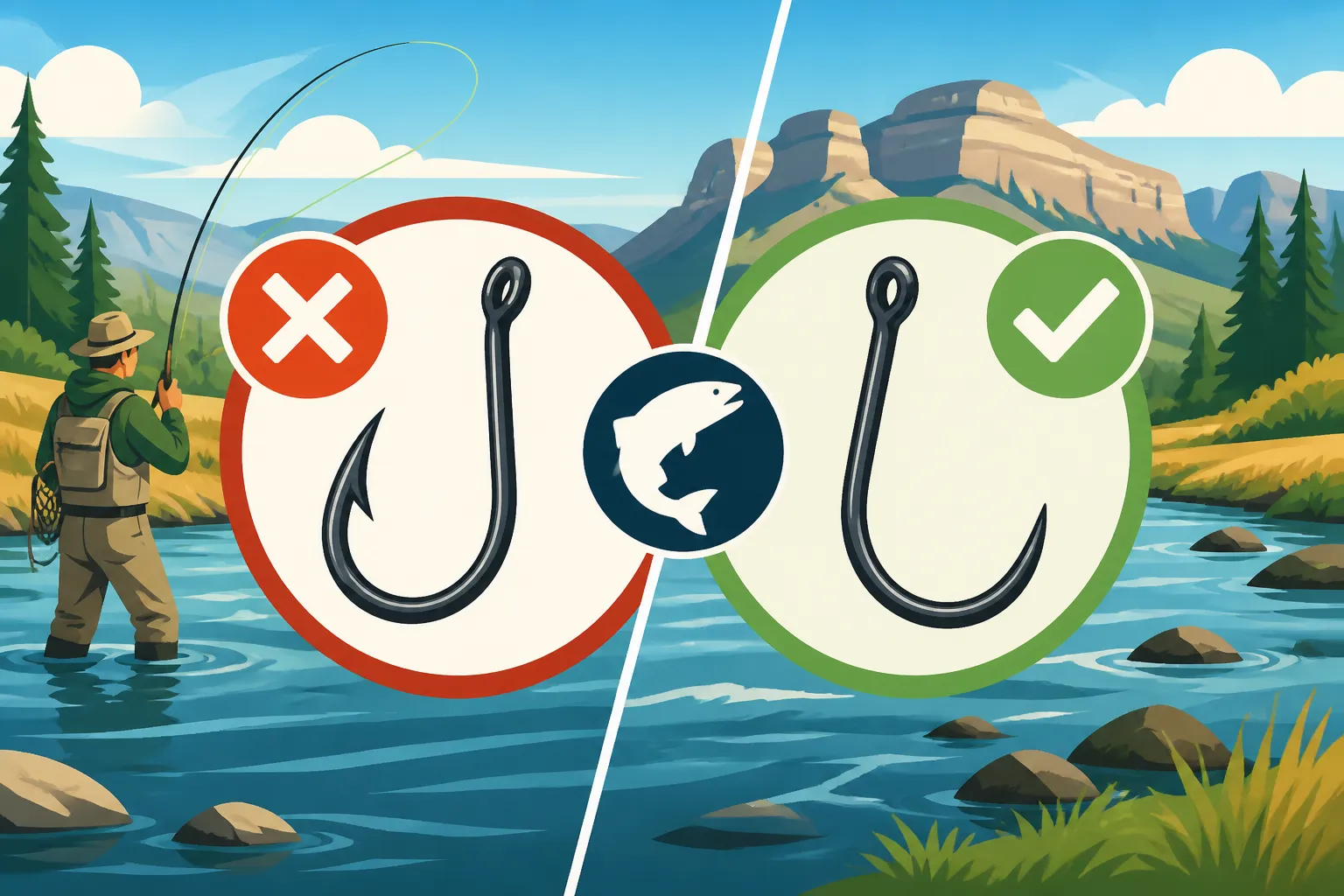
The easiest way to make sure your existing flies and lures are compliant is to simply pinch down the barb. This is a quick and effective process that requires only a pair of needle-nose pliers or a dedicated pair of barb-pinching pliers.
Here’s how to do it:
- Select Your Hook: Pick the hook you intend to use.
- Locate the Barb: The barb is the small, pointed projection just behind the hook point.
- Apply Pressure: Place the jaws of your pliers firmly over the barb.
- Squeeze: Squeeze down with consistent pressure until the barb is completely flattened against the hook shank. You should not be able to feel or see the barb any longer.
- Test: Run your finger lightly along the hook point. It should feel smooth and uniform, with no snagging barb.
- Repeat: Do this for every single hook you plan to use in barbless-only waters.
It's a good habit to check your hooks periodically, especially after they've been used, as sometimes a barb can slightly spring back or not be fully flattened. You can find excellent barb-pinching pliers online, with many options available on platforms like Amazon, offering various sizes and grips to suit your preference.
Purchasing Pre-Made Barbless Hooks and Lures
For those who prefer not to pinch barbs, or if you're looking to stock up on new gear, many manufacturers now produce hooks and lures that are already barbless. This is incredibly convenient and ensures perfect compliance straight out of the package.
When buying flies, look for packaging explicitly stating "barbless" or "jig hooks" (which are often barbless). Reputable fly companies like Umpqua, Rio, and Orvis offer extensive lines of barbless fly patterns suitable for the North Platte. For spin fishing, brands like Gamakatsu and Mustad offer barbless treble and single hooks, which you can use to replace barbed hooks on your existing lures. Additionally, many popular trout lures such as Panther Martin spinners or Mepps spinners are available in barbless versions, or you can easily swap out their treble hooks for single barbless ones. Stores specializing in fishing gear, both local and online, often have dedicated sections for barbless options. A quick search on Amazon will also reveal a wide array of pre-made barbless hooks and lures from various brands, making it simple to get equipped. Finding the Best Lures for Wyoming Rainbow Trout can be made easier if you specifically search for barbless versions.
Other Gear Considerations for North Platte Fishing
While barbless hooks are the specific focus here, it's worth a quick mention that your overall gear setup also contributes to a successful and ethical fishing experience on the North Platte. Using an appropriately sized rod and reel, for example, helps you land fish more quickly, further reducing stress. For fly anglers, a good 5 or 6-weight rod is often ideal for handling the larger trout found here, as discussed in Best Fly Rod Weight for Wyoming Trout Streams.
Moreover, using a knotless net with a rubberized mesh is highly recommended. These nets are much gentler on a fish's slime coat and fins than traditional nylon nets, preventing further injury during the landing process. Having one ready will allow you to quickly scoop, unhook, and release your catch without unnecessary stress.
Understanding Enforcement and Avoiding Violations
Let's be blunt: fishing without proper knowledge of the regulations, or intentionally ignoring them, can lead to unpleasant consequences. Wyoming Game and Fish Department wardens are dedicated professionals who patrol these world-class waters to ensure compliance and protect the resource. Their presence isn't to spoil your fun, but to safeguard the future of Wyoming fishing.
What Happens If You Don't Comply
If you're caught fishing with barbed hooks in a designated barbless-only section of the North Platte River, you will likely face a citation. Ignorance of the law is generally not considered a valid excuse. The fines for fishing violations in Wyoming can vary, but they are often substantial. A typical fine for a non-compliance issue like this could range from several hundred dollars, plus court costs. Beyond the financial penalty, a violation can also lead to points against your fishing license, and in more severe or repeat cases, even the suspension of your fishing privileges.
Game wardens are well-versed in the local regulations and know the boundaries of these special areas precisely. They conduct routine checks, often observing anglers for a period before making contact. Their primary concern is the welfare of the fishery, so don't be surprised if they're particularly vigilant in high-profile areas like the Gray Reef or Miracle Mile. To get a better sense of other potential legal pitfalls, our guide on Fines and Penalties for Common Fishing Violations can be very insightful.
Staying Up-to-Date on Regulations
The single most important piece of advice for any angler in Wyoming is to always check the current Wyoming Fishing Regulations booklet. Regulations can and do change. While the barbless hook rules on the North Platte have been fairly consistent for these key sections, other rules regarding seasons, bag limits, or even other tackle restrictions can be updated annually, or in some cases, even in-season via emergency orders.
The WGFD publishes a new regulation booklet each year, typically available in print at license vendors (like sporting goods stores, some Walmarts, and small shops) and digitally on their official website. Before every fishing trip, especially to a new or highly regulated area, take a few minutes to review the specific regulations for that body of water. This small effort can save you a lot of hassle and ensure you're fishing legally and ethically. Our article Reading the Wyoming Fishing Regulations Booklet offers a thorough walkthrough on how to navigate these essential documents, and you can also find Where to Find Current Wyoming Fishing Regulations online.
Here’s a quick summary table for clarity on the North Platte:
| North Platte River Section | Barbless Hook Requirement | Artificial Lures/Flies Only | Catch-and-Release All Trout | Special Notes |
|---|---|---|---|---|
| Gray Reef (Below Alcova Dam to Casper) | Yes (Single, Barbless) | Yes | Yes | Premier trophy trout section, heavily managed. |
| Miracle Mile (Kortes Dam to Afterbay Dam) | Yes (Single, Barbless) | Yes | Typically Yes (Check specific species) | Famous for large brown and rainbow trout. |
| Alcova Reservoir (Upstream of Dam) | No | No (Bait permitted) | No | Standard statewide regulations apply. |
| Non-Designated River Sections | No | No (Bait permitted) | No | Always verify specific section rules in current WGFD regulations. |
Please note that "Typically Yes" for the Miracle Mile refers to common practice and specific species rules; always check the current WGFD regulations for precise daily and possession limits by species, as these can vary. The barbless hook rule, however, is consistently applied to artificial tackle in these two designated river sections.
Disclaimer
The information provided in this guide is intended for general informational purposes only and serves as a helpful resource based on current understanding and commonly available regulations. Fishing regulations, including those for the North Platte River, are subject to change by the Wyoming Game and Fish Department (WGFD). It is the angler's sole responsibility to consult and adhere to the most current and official WGFD fishing regulations booklet before engaging in any fishing activity. Always verify specific rules, boundaries, and any in-season emergency closures directly with the WGFD to ensure compliance.