Is a Wyoming Fishing License Valid in Neighboring States?
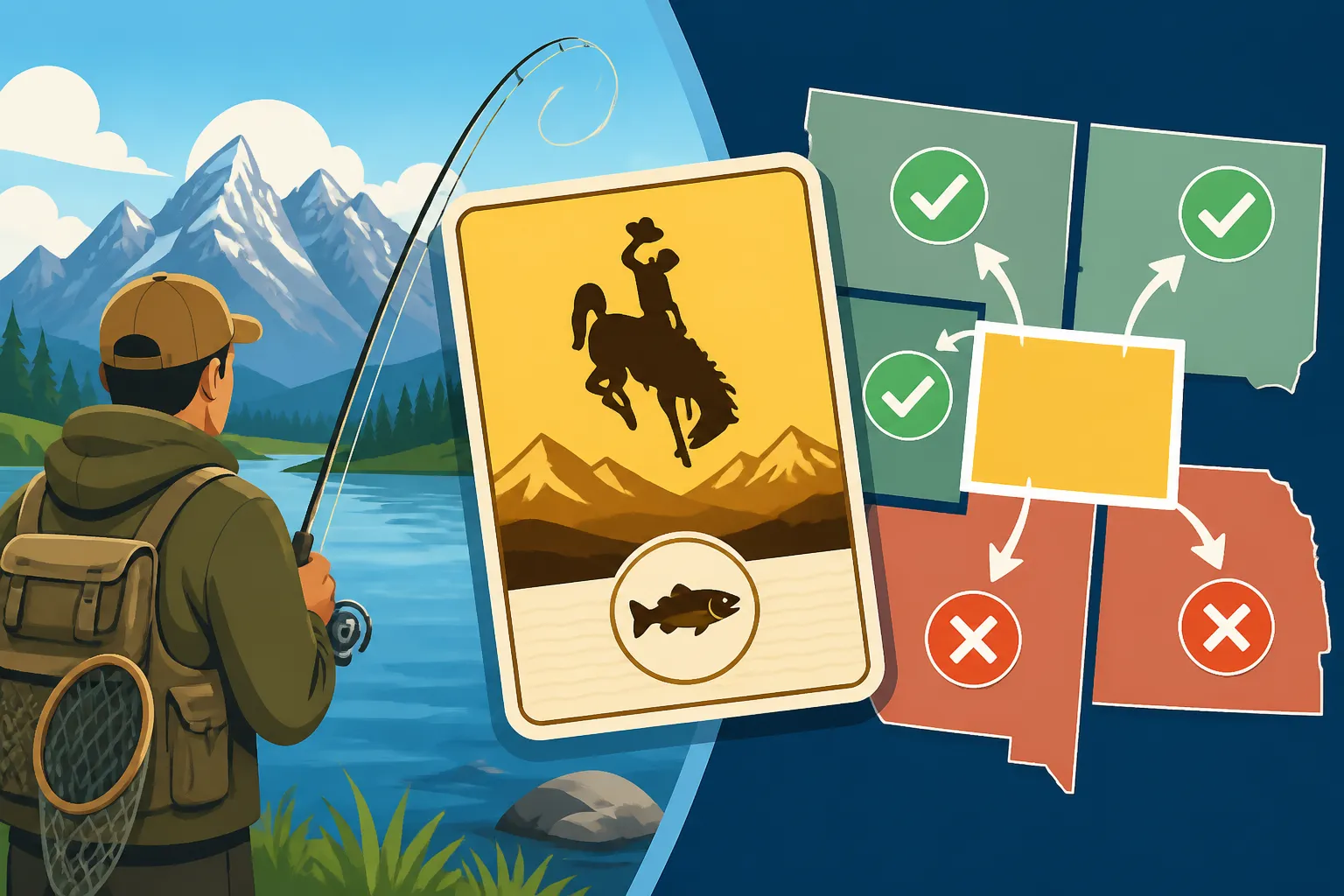
It's a common, and totally understandable, thought process: you've got your Wyoming fishing license, you're enjoying the incredible waters, and then you start thinking about that amazing river just over the border. "Surely," you might wonder, "my license covers me just a few miles away, right?" Unfortunately, this isn't usually the case, and heading into a neighboring state with just your Wyoming permit can lead to some unexpected fines. This guide will clarify why a Wyoming fishing license isn't valid in adjacent states and what you need to do to legally fish across state lines.
The Principle of State Jurisdiction in Fishing Licenses
One of the biggest misconceptions anglers have, especially when planning a trip that might skirt state borders, is that a fishing license from one state will somehow cover them in another. While it makes sense from a convenience standpoint, the reality of how fish and wildlife management works means this simply isn't true in most situations. Every state has its own independent wildlife department, rules, and revenue systems.
Why Fishing Licenses Don't Cross Borders
Think of a fishing license as a permit to utilize a specific state's natural resources, managed by that state's wildlife agency – in Wyoming, that's the Wyoming Game and Fish Department (WGFD). When you purchase a Wyoming fishing license guide for nonresidents, your money directly supports the WGFD's conservation efforts, fish stocking programs, habitat restoration, and law enforcement within Wyoming's boundaries. This system ensures that the state managing the fish populations and their habitats is also receiving the revenue needed to sustain them.
When you step across a state line, even just a few feet into a neighboring state like Montana or Colorado, you're entering a different jurisdiction. That state's wildlife agency has its own budget, its own conservation priorities, and its own unique set of regulations designed to manage its specific fisheries. Your Wyoming license doesn't contribute to their coffers, nor does it grant you permission to harvest or pursue fish from resources they are responsible for maintaining. It's not unlike needing a driver's license from the state you reside in, but then needing to follow local traffic laws even when passing through another state. The license allows you to drive, but the rules are specific to where you are.
The Inter-State Reciprocity Myth
The idea of "reciprocity" – where a license from one state is honored in another – is largely a myth in inland fishing, especially for general licenses. While some states have specific, often very limited, reciprocal agreements for border waters (lakes or rivers that literally straddle a state line), these are the exception, not the rule. And even then, these agreements are usually highly specific, outlining exactly which sections of water are covered and under what conditions. For instance, a small reservoir might have a special rule, but it wouldn't extend to an entire river system or all waters in both states.
Most of the time, if you're fishing in a different state, you need that state's license. Period. Relying on a vague notion of reciprocity or assuming that because you're "close to the border" it counts could land you a hefty fine. Wildlife officers are trained to identify licenses from their own state and are usually quite vigilant about ensuring anglers are properly licensed for the waters they're fishing. It's always best to assume you need a separate license unless you have explicitly verified a very specific, limited border water agreement directly with both state's game and fish departments.
Exceptions and Border Water Agreements
As mentioned, true exceptions for border waters are rare and highly specific. Wyoming does share borders with six other states: Montana, Idaho, Utah, Colorado, Nebraska, and South Dakota. Generally speaking, your standard Wyoming fishing license is not valid on any waters within these neighboring states, even if it's a river that flows between them or a lake that sits on the boundary.
For example, while the Snake River flows through Wyoming and then into Idaho, you would need an Idaho fishing license to fish its Idaho stretches, and a Wyoming license for its Wyoming stretches. There are no blanket reciprocal agreements that allow a single license to cover the entire river through both states.
- Flaming Gorge Reservoir: This is a fantastic example of a large body of water that crosses state lines, shared by Wyoming and Utah. For most of Flaming Gorge, you actually need an interstate fishing license or a valid license from both states. The specific regulations regarding licenses on Flaming Gorge are complex and often depend on where you launch your boat or which specific section of the reservoir you're fishing. It’s critical to consult the Wyoming Fishing Regulations Every Angler Should Know booklet and the Utah fishing regulations to understand the nuances for Flaming Gorge. Many anglers opt for a specific reciprocal stamp or license if available, or simply buy licenses for both states to avoid any confusion.
It’s crucial to remember that these exceptions are extremely uncommon for general fishing and usually only apply to very specific, jointly managed bodies of water. Even when they exist, they come with their own unique rules and often require a special stamp or endorsement in addition to your base license. Always, always check the current regulations for both states if you plan to fish a border water.
Navigating Fishing in Wyoming's Neighboring States
Planning a fishing trip often involves looking beyond state lines, especially when you're in a place like Wyoming, which is surrounded by other fantastic fishing destinations. However, it's vital to understand that each of these states operates under its own distinct set of rules and requires its own license. Trying to use your Wyoming license, no matter how shiny and new it is, in Montana or Colorado will simply not fly.
Fishing in Montana (Northern Border)
Montana is renowned for its world-class fly fishing rivers like the Madison, Yellowstone, and Missouri. If you're heading north from Wyoming with your rods and reels, you absolutely need a Montana fishing license. Montana's non-resident licenses can vary in cost and duration, from annual to shorter-term options. You'll also likely need to purchase a Conservation License, which is similar in principle to Wyoming's Conservation Stamp, as well as a stream access enhancement fee.
For instance, driving just north of Yellowstone National Park into Montana to fish the Yellowstone River requires a Montana license, even if you just fished the park's Wyoming sections with a separate Yellowstone permit. Their regulations regarding bait, tackle, and specific species limits are also entirely separate from Wyoming's. Always check the Montana Fish, Wildlife & Parks website for their most current regulations and license purchasing options before you cross the border.
Fishing in Idaho (Western Border)
Idaho offers incredibly diverse fishing, from the famous Snake River to countless high-mountain lakes in areas like the Frank Church Wilderness. If you're venturing west into Idaho, you'll need an Idaho fishing license. Non-resident licenses are available in annual, daily, or multi-day formats. Idaho also has various tags and permits you might need depending on the species you target (e.g., salmon or steelhead).
Consider the lower stretches of the Snake River. While the upper parts are a jewel of Wyoming, as it flows into Idaho, it becomes Idaho's responsibility to manage. Fishing the Snake River in Idaho, particularly below Jackson Lake Dam, even if you just fished it upstream in Wyoming, means you need to be compliant with Idaho Fish and Game regulations. This includes understanding their New Snake River Trout Limits Near Jackson Lake Dam and any special tackle restrictions they might have. Don't assume. Always get the Idaho license.
Fishing in Utah (Southern Border)
Utah, like Wyoming, offers fantastic fishing, particularly in its large reservoirs and high-elevation waters. If your travels take you south, you'll need a Utah fishing license. Utah Division of Wildlife Resources offers various non-resident license options, including annual and short-term licenses. Remember our discussion about Flaming Gorge Reservoir? This is where Utah's rules become especially relevant.
If you're launching your boat on the Utah side of Flaming Gorge, or fishing entirely within Utah waters, you'll need a Utah license. As previously mentioned, for the entirety of Flaming Gorge, many anglers opt for an interstate license specific to the reservoir or carry licenses from both states. This dual-state approach is unique to border waters like Flaming Gorge and is a testament to the complexity of fishing state lines. Always check the Utah DWR website for current regulations on Flaming Gorge and all other Utah waters.
Fishing in Colorado (Southern Border)
Colorado is another premier fishing destination, especially for trout in its abundant mountain streams and high-alpine lakes. If you're heading south from Wyoming into Colorado, you must purchase a Colorado fishing license through Colorado Parks and Wildlife. They offer annual, five-day, and one-day non-resident licenses. Like other states, specific regulations on bait, tackle, and bag limits will differ significantly from Wyoming's.
For example, if you fish the North Platte River in Wyoming, and then decide to pursue its headwaters in Colorado, you'll need a Colorado license. The Wyoming's Daily and Five-Consecutive-Day Nonresident Licenses won't cover you, nor will your annual resident Wyoming permit. It’s a completely different jurisdiction, and their wildlife officers will expect you to be licensed accordingly.
Fishing in Nebraska (Eastern Border)
Nebraska might not be the first state that comes to mind for fishing, but it offers excellent warm water species opportunities, particularly for walleye, catfish, and bass in its reservoirs and rivers. If you're traveling east into Nebraska, you will need a Nebraska fishing license, managed by the Nebraska Game and Parks Commission. They offer various non-resident options.
While Wyoming and Nebraska don't share many of the same "famous" trout waters, crossing into Nebraska's warm water fisheries will still require a specific Nebraska license. Their regulations regarding bait, particularly live minnows, and limits on species like walleye will be different from Wyoming's, which heavily focuses on trout.
Fishing in South Dakota (Eastern Border)
South Dakota is well-known for its fantastic walleye fishing, especially on the Missouri River reservoirs like Lake Oahe and Lake Sharpe. If your eastern adventure takes you to South Dakota, you must obtain a South Dakota fishing license through the South Dakota Game, Fish and Parks. They provide annual and shorter-term non-resident licenses.
Again, there are no reciprocal agreements that would allow a Wyoming license to be valid in South Dakota. You would need to purchase the appropriate South Dakota license, and be aware of their specific bag and possession limits, which can be quite generous for species like walleye compared to Wyoming's trout limits.
Planning a Multi-State Fishing Adventure
The dream of hitting multiple states in one epic fishing road trip is completely achievable, but it requires diligent planning. You can't just wing it when it comes to licenses and regulations. A little bit of homework upfront will save you a lot of headache (and potential fines) down the road.
Researching Neighboring State Regulations
This is probably the most critical step. Before you even think about packing your bags, dedicate time to thoroughly research the fishing regulations for each state you plan to visit. Every state's Game and Fish or Wildlife department has a comprehensive website where you can find this information. Look for:
- License Requirements: What kind of non-resident licenses are available (annual, daily, multi-day)? What are the costs? Are there any additional stamps or permits required (e.g., conservation stamps, trout stamps, or specific species tags)? For example, understanding Wyoming Resident vs Nonresident License Rules is just the first step; you'll need to do the same for Montana, Idaho, etc.
- Bag and Possession Limits: These are almost certainly different from Wyoming's. A common example is trout: while Wyoming might have a standard stream limit of six trout, only one over 16 inches, another state might have a "two fish limit" with no size restrictions, or even slot limits that protect certain size ranges. Be especially aware of How Bag and Possession Limits Work in Wyoming and how they differ from what you'll encounter elsewhere.
- Seasons and Closures: Specific waters or species might have closed seasons in a neighboring state, even if they're open in Wyoming. Check for any emergency closures that might be in effect.
- Bait and Tackle Restrictions: Some states, or even specific waters within states, have strict rules about what you can use. Barbless hooks might be required in some trophy trout sections, live bait might be prohibited, or certain types of lures might be restricted. These rules are particularly prevalent in blue-ribbon trout streams.
- Watercraft Regulations: If you're bringing a boat, each state will have its own requirements for registration, invasive species inspections, and safety gear. Wyoming has stringent Why Wyoming Requires Boat Inspections for Invasive Species rules, and you can expect similar or different requirements from its neighbors.
The key here is to go directly to the source: the official state game and fish websites. Don't rely on old forum posts or hearsay. Print out or save digital copies of the regulations for each state you plan to fish, and carry them with you, just as you would your physical fishing license.
Purchasing Licenses for Multiple States
Once you know what you need, the next step is to acquire the licenses. The good news is that most state wildlife agencies offer online purchasing options, making it quite convenient.
- Online Purchases: This is generally the easiest and most recommended method. Visit the official website for each state's wildlife department (e.g., Montana Fish, Wildlife & Parks; Idaho Fish and Game; Utah Division of Wildlife Resources; Colorado Parks and Wildlife; Nebraska Game and Parks Commission; South Dakota Game, Fish and Parks). You can usually purchase and print your license from home.
- Authorized Vendors: Many sporting goods stores, bait shops, and even some gas stations in each state are authorized to sell fishing licenses. This can be a good option if you prefer a physical license card or if you're making an unplanned stop. However, it's always safer to buy online in advance to ensure you have everything you need before hitting the water. You can find out Where to Buy a Wyoming Fishing License Online through the WGFD site, and similar resources exist for other states.
- Timing: Be aware that some states' annual licenses run for a calendar year (January 1 – December 31), while others are valid for 12 months from the date of purchase. Know these dates so your license doesn't expire mid-trip!
When purchasing multiple licenses, keep them organized. Consider a small waterproof folder or a clear plastic sleeve. It's often required to carry your license with you while fishing, and digital copies on your phone are increasingly accepted, but a physical backup is always a good idea.
Essential Gear Considerations for Diverse Waters
While your rods, reels, and general fishing knowledge will carry over, a multi-state trip might require some gear adjustments. Different states and different types of water (e.g., high-alpine lakes, vast reservoirs, intimate trout streams) demand different setups.
- Tackle Selection: You might need a wider range of lures, flies, and baits. If you're targeting walleye in South Dakota, your fly box for Wyoming trout won't cut it. Consider bringing a separate tackle box or bag for species and techniques specific to each state. For example, if you're going after walleye, you might need different jigs and crankbaits than what you'd use for trout.
- Clothing and Layering: Weather can change dramatically across states, and even within Wyoming, depending on elevation. Pack layers suitable for diverse conditions, from scorching summer days on a reservoir to chilly mornings on a mountain stream. A good rain jacket, insulated vest, and quick-dry clothing are always wise investments. Many anglers find great deals on versatile outdoor clothing and gear on platforms like Amazon that can withstand varied weather conditions.
- Waders and Boots: If you're planning to wade rivers, ensure your waders are in good condition and your boots offer excellent traction. Some states have regulations against felt-soled waders to prevent the spread of aquatic invasive species. Always clean, drain, and dry your waders and boots thoroughly between different bodies of water and definitely when crossing state lines. This is a critical step in How Wyoming Requires Boat Inspections for Invasive Species and extends to all gear.
- Maps and Navigation: Even with GPS on your phone, physical maps of public access points, boat ramps, and specific fishing spots can be invaluable. Consider investing in state-specific fishing maps or digital map apps that work offline. If you're exploring new areas, having a reliable map from a brand like Garmin can be a lifesaver, and you can often find them on Amazon.
- Cooler and Storage: If you plan to keep fish, ensure you have an adequate cooler and understand each state's rules about transporting fish. Some states require fish to be identifiable by species and length until you get home. When preparing to travel, a quality cooler from brands like Yeti or Igloo, widely available on Amazon, can make all the difference for preserving your catch.
Being prepared with the right licenses and gear not only keeps you legal but also maximizes your enjoyment of the incredible fishing opportunities that Wyoming and its fantastic neighbors have to offer.
| State | Nonresident Annual License Cost (Approx.) | Common Shorter Term Options | Conservation/Additional Stamps Needed? | Notes on Border Water Reciprocity |
|---|---|---|---|---|
| Wyoming | $92.00 | Daily, 5-day | Yes (Conservation Stamp) | Limited, e.g., Flaming Gorge |
| Montana | $100.00 (Base + Fishing) | 2-day, 10-day | Yes (Conservation, AIS) | None generally |
| Idaho | $109.50 | 1-day, 3-day, Seasonal | Yes (AIS) | None generally |
| Utah | $85.00 | 3-day, 7-day | Yes (Habitat Authorization) | Limited, e.g., Flaming Gorge |
| Colorado | $66.40 | 1-day, 5-day | No, included in license | None generally |
| Nebraska | $60.00 | 3-day, Special Permits | No, included in license | None generally |
| South Dakota | $68.00 | 1-day, 3-day, Seasonal | No, included in license | None generally |
Note: Costs are approximate for 2024/2025 and subject to change. Always check the official state game and fish websites for the most current pricing and requirements.
Disclaimer
The information provided in this guide is for general informational purposes only and is subject to change. Fishing regulations, license fees, and other rules are updated regularly by state game and fish departments. Always consult the official websites and publications of the Wyoming Game and Fish Department and any neighboring state's wildlife agency before planning or undertaking any fishing activity. It is the angler's responsibility to know and follow all current laws and regulations.