What Species Are Off-Limits to Keep in Wyoming
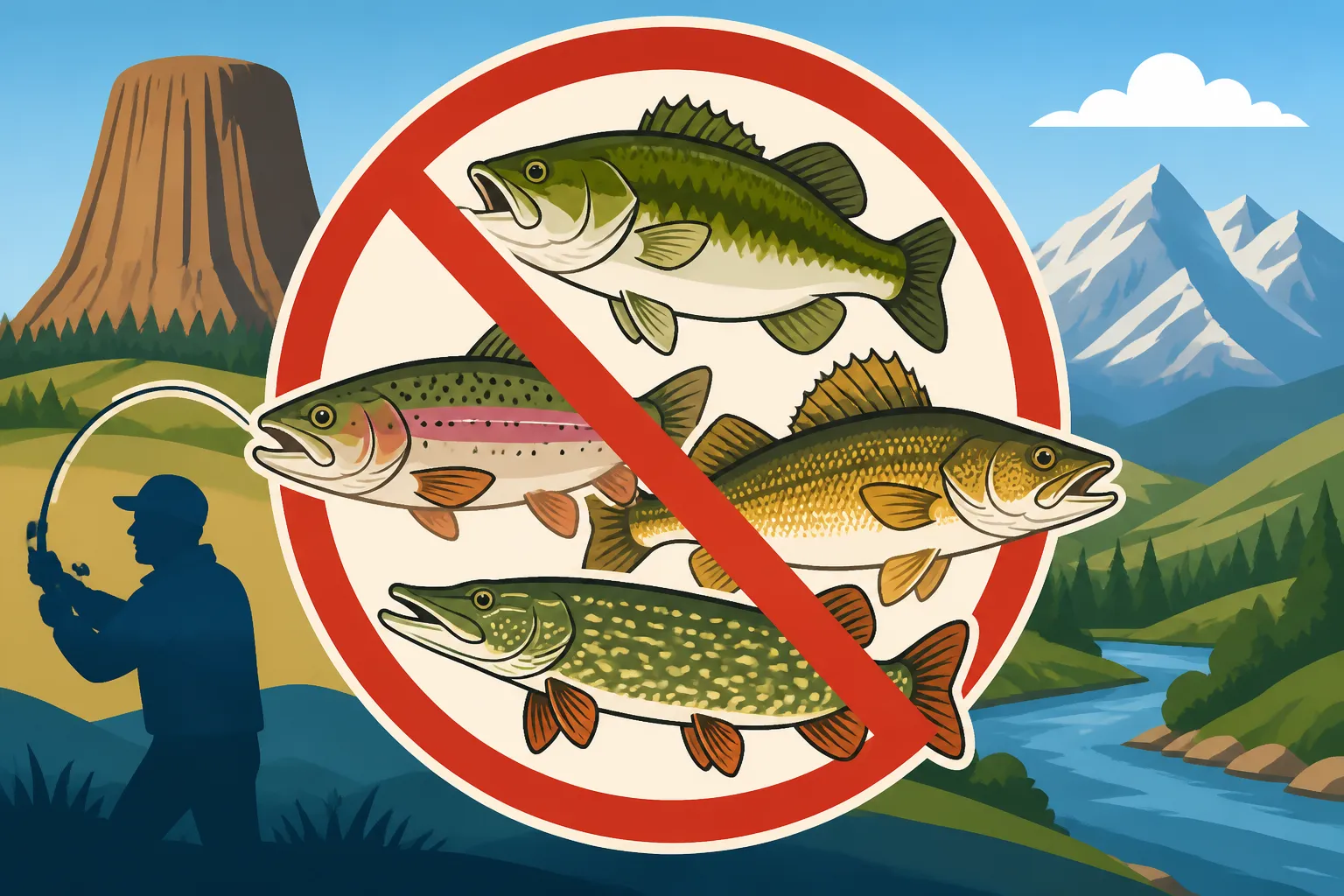
Picture this: you're out on a beautiful Wyoming river or lake, the line is tight, and you reel in a magnificent fish. Your heart races, but then a question pops into your head: Can I actually keep this fish? It’s a common moment of confusion for anglers, both seasoned and new, because Wyoming’s fishing regulations are incredibly detailed, and figuring out what’s truly off-limits to keep can feel like navigating a maze. This guide is here to untangle that knot, helping you understand precisely which fish species, under what circumstances, you simply cannot take home.
Truly Off-Limits: Species You Absolutely Cannot Possess
When we talk about fish being "off-limits" to keep, it's often because they are either specially protected, or you've caught them in a place or during a time when it's explicitly forbidden. It's not just about what you caught, but where and when you caught it. Ignoring these rules isn't just a minor oversight; it carries significant consequences.
Protected and Endangered Native Fish
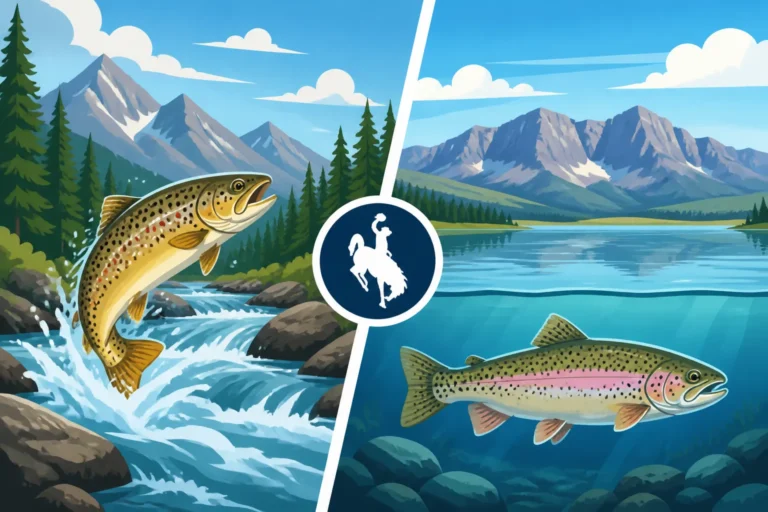
Wyoming is home to several native fish species that are considered species of greatest conservation need or are otherwise protected by law. The most famous example, of course, is our very own state fish, the Yellowstone Cutthroat Trout, but even among them, certain populations or specific locations might have enhanced protections. You might be familiar with the iconic red slash under their jaw, but knowing how to identify a Yellowstone Cutthroat Trout is crucial because some populations are more vulnerable than others.
For example, while you can keep Yellowstone Cutthroat in many areas, there might be specific waters where they are protected for genetic integrity or population recovery efforts, making them strictly catch-and-release. The idea here is to preserve these unique genetic strains that have adapted to Wyoming’s high-altitude waters over millennia. Catching one of these fish is a privilege, and releasing it unharmed ensures future generations can experience that same thrill. Always check the current regulations booklet, which often lists these specific waters. Knowing Which Wyoming Fish Species Are Protected is key to being a responsible angler.
Fish Caught in Closed Waters or Seasons
One of the most straightforward ways a fish becomes "off-limits" to keep is if you catch it when or where you're not supposed to be fishing at all. Wyoming Game and Fish Department (WGFD) implements specific Wyoming Fishing Seasons and Water-Specific Closures to protect spawning fish, sensitive habitats, or recovering populations.
Imagine you're fishing a small tributary stream in early spring. The main river might be open, but that tributary could be closed to protect trout spawning beds. If you cast a line into that closed water, any fish you catch, regardless of species, size, or abundance, is illegally taken and thus off-limits to keep. The intention behind these closures is to give fish a fighting chance to reproduce without disturbance. It's essential to check the regulations for the specific body of water you intend to fish, as these can change annually or even in-season due to environmental factors. For instance, sometimes emergency closures are announced due to drought or disease, and these are often posted on the WGFD website.
Trophy Fish Exceeding Slot Limits or Minimum Sizes in Certain Areas
While it might seem counterintuitive to release a truly massive fish, sometimes those "trophy" fish are precisely the ones that are off-limits to keep. This usually happens in waters managed with special regulations, often called "slot limits" or "maximum size limits." These rules are designed to protect the largest, most productive breeding fish in a population.
For example, a regulation might state that you can keep trout under 16 inches, but all trout over 16 inches must be released. This is common on blue-ribbon trout streams like certain sections of the North Platte River. The logic is that those large fish are the most valuable spawners, contributing significantly to the health and abundance of the fishery. Catching a massive brown trout or a thick rainbow only to have to release it can be a bittersweet experience, but it’s a vital part of ensuring those fisheries remain world-class. It’s a subtle but important distinction from a simple bag limit, effectively making oversized fish "off-limits."
The Nuance of "Off-Limits": When Legal Fish Become Illegal to Keep
It's not always about a blanket ban on a species. More often than not, a fish becomes "off-limits" to keep because of specific rules tied to its size, the quantity you've caught, or the particular body of water you're fishing. This is where the intricacies of Wyoming's regulations really come into play, and why it's so important to have a copy of the Wyoming Fishing Regulations Every Angler Should Know at hand.
Size and Bag Limit Restrictions
This is probably the most common scenario where a perfectly legal species becomes off-limits to you for that particular catch. Every game fish in Wyoming has daily bag limits and possession limits. Daily bag limits specify how many fish of a certain species you can keep in a 24-hour period, while possession limits dictate the maximum number you can have on hand at any one time, including those at home. You can learn more about How Bag and Possession Limits Work in Wyoming.
Let's say the regulation for rainbow trout on a specific lake is a daily limit of 3 fish. If you catch and keep three rainbows, any subsequent rainbow trout you catch that day are now "off-limits" to keep. You must release them immediately and unharmed. Similarly, many waters have minimum size limits. For instance, walleye in Boysen Reservoir might have a 15-inch minimum size. If you catch a walleye that's 12 inches long, it's off-limits to keep, even if you haven't filled your bag limit. It must go back in the water. These rules are crucial for managing fish populations and preventing overharvest. Always bring a tape measure with you; you can find sturdy, waterproof ones on Amazon that are perfect for fishing.
Mandatory Catch-and-Release Waters
Some of Wyoming's most famous and productive fisheries operate under strict catch-and-release rules for specific species or even all species. These regulations are designed to maintain exceptionally healthy populations, often in high-pressure areas or where the fish are particularly vulnerable.
A prime example is some of the blue-ribbon stretches of the North Platte River. While you can keep a limited number of trout in many parts of the state, certain sections might require that all trout be immediately released. This is clearly marked in the regulations and often by signage at access points. If you’re fishing these waters, every fish you catch is, by definition, off-limits to keep. It's a fundamental aspect of the angling experience there. Understanding Catch-and-Release Rules on Wyoming Waters is not just about compliance; it's about ethical angling and helping to sustain these incredible resources. When you're in a mandatory catch-and-release zone, having a good pair of hemostats or a de-hooking tool, readily available on Amazon, is essential for quick and stress-free releases.
Species-Specific Closures and Exceptions
Beyond general season closures, there are sometimes very specific rules that apply only to certain fish species within a body of water. For instance, a reservoir might be open for fishing year-round, but specific species within it could have their own closed seasons or special limits.
Consider the case of Kokanee Salmon. These vibrant fish, popular for their delicious meat and spirited fight, often have very specific seasons and limits, especially during their spawning runs. While you might be able to fish for trout in the same body of water all year, the Kokanee season might be very short or have extremely restrictive limits to protect their spawning populations. If you hook a Kokanee outside of its designated season, it's off-limits to keep and must be released. It requires attention to detail when Reading the Wyoming Fishing Regulations Booklet because these nuances are critical for legal and responsible angling.
The Curious Case of Invasive Species: When Keeping is Encouraged
While most of this discussion focuses on what you can't keep, there's a fascinating and important exception: invasive species. In some very specific cases, certain non-native, detrimental fish are not just not off-limits, but you're actively encouraged, and sometimes even required, to keep and destroy them if caught. This is a critical part of Wyoming's conservation efforts to protect native ecosystems.
Why You Should Keep or Destroy Certain Invaders
Invasive species, like some populations of Lake Trout in Yellowstone Lake, pose a significant threat to native fish populations, particularly the Yellowstone Cutthroat Trout. These invaders often outcompete native species for food, predate on them, or disrupt their habitats. The WGFD, in collaboration with other agencies, expends considerable resources on controlling or eradicating these problem species.
If you are fishing in an area where an invasive species has been identified as a threat, the regulations might explicitly state that if you catch one, you must kill it and not release it back into the water. A prime example is Do You Have to Kill Lake Trout Caught in Yellowstone Lake?. This is a unique situation where keeping the fish isn't just allowed, but an active contribution to conservation. It’s a complete reversal of the "off-limits" rule, highlighting the severe ecological impact these species can have. Having a dedicated cooler for your catch, even if it's for invasive species, is a good idea, and you can find many options on Amazon.
Reporting Your Invasive Catch
Beyond just removing them from the water, reporting your catch of certain invasive species can be incredibly valuable to wildlife managers. Knowing where and when these species are being caught helps the WGFD track their spread and refine their management strategies. If you catch something unusual, or a species designated as invasive, take clear photos and note the location and date.
The regulations often provide specific instructions on how to handle and report such catches. This active participation from anglers is a cornerstone of protecting Wyoming's precious aquatic resources. Being aware of Invasive Fish Species Wyoming Anglers Should Report is a responsibility that every angler shares. Your vigilance on the water can make a real difference in the health of our native fisheries.
Consequences of Not Knowing the Rules
It's easy to think that ignorance is bliss, but when it comes to fishing regulations, it's simply not an excuse. The Wyoming Game and Fish Department expects every angler to understand and abide by the rules. The repercussions for violations, even unintentional ones, can be quite serious.
Fines, Penalties, and License Revocation
Fishing without the proper license, keeping fish that are off-limits, or exceeding bag and possession limits can lead to significant penalties. These aren't just minor inconveniences; they can include substantial fines, forfeiture of your fishing gear, and even the suspension or revocation of your fishing privileges in Wyoming. Imagine having your annual license revoked because you accidentally kept one too many brown trout from a restricted section of river. It's a harsh reality, but these measures are in place to deter violations and protect fish populations for everyone. You can find more detailed information on Fines and Penalties for Common Fishing Violations. The officers patrolling our waters are not just there to check licenses; they are vigilant protectors of our natural resources, and they take violations seriously.
The Importance of the Wyoming Fishing Regulations Booklet
Given the complexity and specificity of Wyoming's fishing rules, relying on hearsay or outdated information is a recipe for trouble. The single most important tool in your tackle box, next to your rod and reel, is the current year's Wyoming Fishing Regulations Booklet.
This comprehensive guide, published annually by the WGFD, details all the statewide regulations, specific water-by-water rules, seasons, bag limits, and any special provisions for particular species or areas. It's available for free online on the WGFD website, and physical copies can be picked up at most license vendors, sporting goods stores, and WGFD regional offices. Make it a habit to download it to your phone or keep a physical copy with you. Before every trip to a new water, or even a familiar one, take a few minutes to review the specific rules for that location. Trust me, it’s far better to spend five minutes reading than to face a hefty fine or lose your fishing privileges over an easily avoidable mistake. Understanding Wyoming Fishing Regulations Every Angler Should Know is not just a suggestion; it's a requirement for ethical and legal fishing in the Cowboy State.
| Category of Off-Limits Fish | Description | Common Scenarios | Action Required |
|---|---|---|---|
| Protected & Endangered | Native species or specific populations designated for conservation, crucial for genetic diversity. | Yellowstone Cutthroat in certain recovery waters, rare native minnows. | Immediate, careful catch-and-release; avoid targeting if possible. |
| Closed Season/Water | Any fish caught in a body of water or during a time specifically closed to fishing. | Spawning tributaries in spring, certain lakes during ice-out. | Immediate, careful catch-and-release; move to open waters/seasons. |
| Exceeding Size Limits | Fish that are either too small (under minimum length) or too large (over maximum length/slot limits). | 12-inch walleye where minimum is 15 inches; 20-inch trout where max is 16 inches. | Immediate, careful catch-and-release. |
| Exceeding Bag Limits | Fish caught after you have already kept your legal daily limit for that species on that water. | Catching a 4th trout when the daily limit is 3. | Immediate, careful catch-and-release. |
| Mandatory C&R Waters | Any fish caught in waters specifically designated as "catch-and-release only" for certain or all species. | Designated "trophy trout" sections of rivers. | Immediate, careful catch-and-release. |
| Invasive Species | Non-native species that threaten native ecosystems; typically not off-limits, but often required to be removed/killed. | Lake Trout in Yellowstone Lake, other detrimental species. | Keep and destroy (per regulations); report to WGFD. |
Disclaimer
The information provided in this guide is for general informational purposes only and does not constitute legal advice. Fishing regulations in Wyoming are subject to change, and specific rules can vary significantly by location and time of year. Always consult the official, current Wyoming Game and Fish Department Fishing Regulations booklet or website before heading out to fish. Compliance with all state and federal fishing laws and regulations is the sole responsibility of the angler.