Can You Use a Trotline in Wyoming?
It’s a common question for anglers, especially those who’ve fished in other states where such methods might be perfectly legal: can you use a trotline in Wyoming? The short answer for many looking to set a hands-off fishing setup and maximize their catch is often a disappointing no, but understanding the nuances of Wyoming’s fishing regulations is key to staying compliant and enjoying the Cowboy State’s incredible waters legally.
The Straight Scoop: Are Trotlines Legal in Wyoming?
Let's cut right to the chase because nobody wants to accidentally run afoul of the law while trying to enjoy a peaceful day on the water. In Wyoming, the use of trotlines for fishing is generally prohibited. This isn't just a suggestion; it's a firm regulation established by the Wyoming Game and Fish Department (WGFD) to manage fisheries and ensure fair chase and conservation.
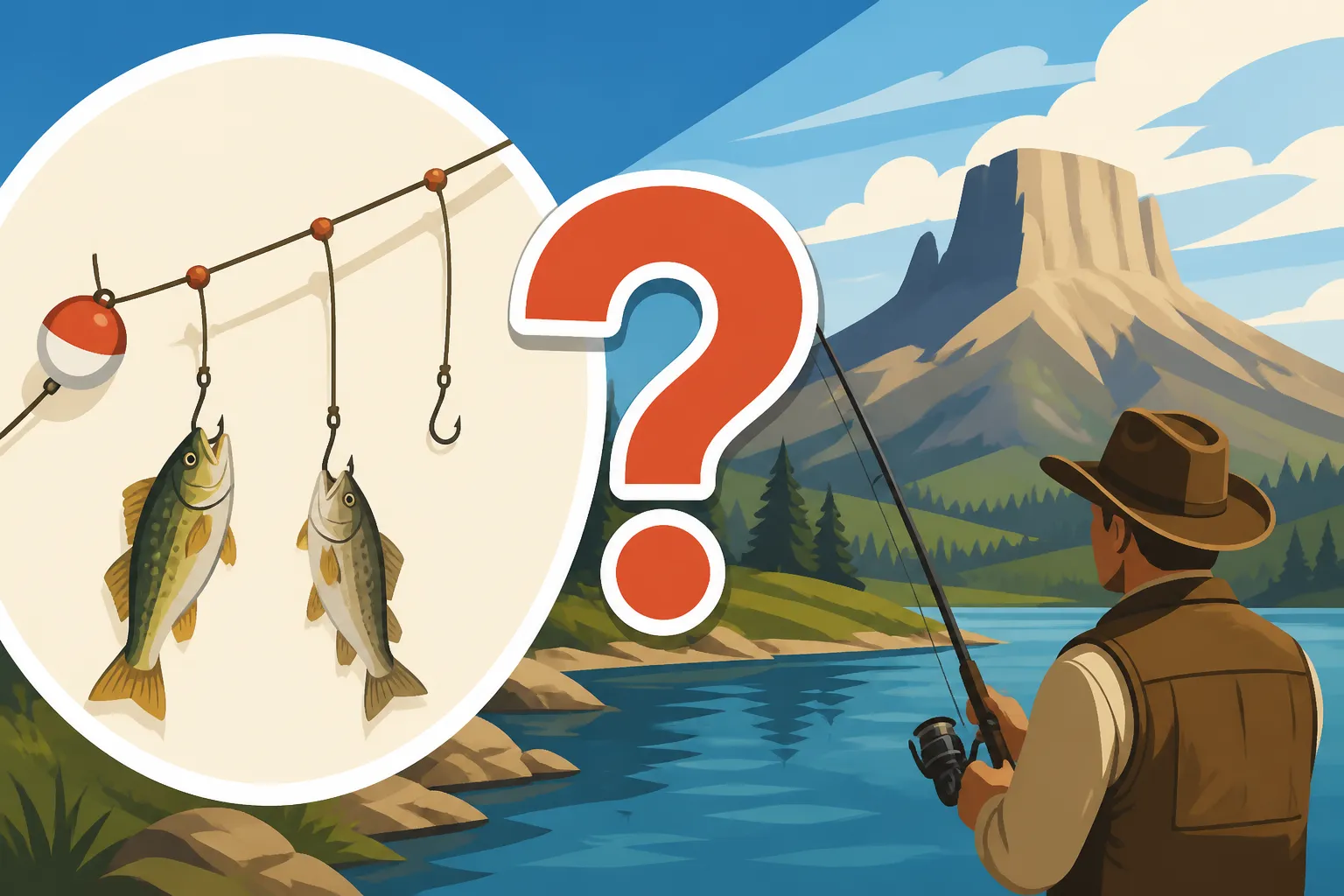
You see, a trotline is typically defined as a long main line with numerous baited hooks attached at intervals, often stretched across a body of water or anchored. While they can be incredibly efficient at catching a lot of fish, that efficiency is precisely why Wyoming, like many other states, restricts or outright bans them. The potential for indiscriminate harvest, bycatch of non-target species, and "ghost fishing" (where lost lines continue to fish unattended) poses a significant risk to the delicate balance of our aquatic ecosystems. So, if you're thinking of stringing one up, it's best to pump the brakes and understand why.
Understanding Wyoming's Definition of Legal Fishing Gear
Wyoming's fishing regulations are quite specific about what constitutes legal fishing gear and methods. The WGFD aims to provide diverse fishing opportunities while protecting fish populations and maintaining fair access for all anglers. When it comes to gear, the emphasis is heavily on active participation and minimizing indiscriminate harvesting.
Generally, the rules focus on single-line, attended fishing. This means you’re expected to be present with your rod and reel, or, in the case of ice fishing, with your tip-ups. The idea is that you can immediately respond to a bite, which significantly reduces the chances of fish being gut-hooked or suffering prolonged stress. It also means you can release non-target species quickly and safely. Trotlines, by their very nature, don't allow for this kind of immediate, hands-on management. They are designed for passive fishing, which, while effective for certain species in other regions, doesn't align with Wyoming's conservation philosophy for its primary game fish, especially trout. For more detail on what gear is allowed, it's always a good idea to consult the official publications like the Reading the Wyoming Fishing Regulations Booklet.
The Specific Regulation Against Trotlines and Set Lines
The Wyoming Game and Fish Department’s regulations clearly state that only a single rod or line may be used unless an angler possesses a valid two-pole permit. Even with a two-pole permit, you are limited to two attended rods. Crucially, the regulations typically define "set line," "trotline," or "jug line" as any fishing line that is not under the immediate control of a person. This definition directly covers what most anglers would consider a trotline.
The regulations specifically address the unattended nature of these devices. If you’re not physically holding your fishing rod or actively monitoring your line in a way that allows for immediate retrieval, it’s likely considered an illegal method. This means that leaving a line anchored overnight, or across a river with multiple hooks, falls squarely into the prohibited category. The enforcement of these rules is taken seriously, and ignorance of the law is not an acceptable defense. Conservation officers actively patrol waters, and violations can result in significant fines and penalties for common fishing violations, not to mention the potential forfeiture of gear. This isn’t to scare anyone, but rather to emphasize the importance of knowing and following the rules to protect Wyoming's incredible fisheries for everyone.
Why the Strict Rules? The Reasoning Behind Trotline Regulations
You might be thinking, "What's the big deal? I just want to catch some fish efficiently." And that's a fair thought. However, Wyoming's stringent regulations against trotlines are rooted in deep-seated conservation principles and the desire to maintain high-quality, sustainable fisheries for current and future generations. It’s not about making fishing harder, but about making it better for everyone in the long run.
Think about the unique character of Wyoming's waters. From the crystal-clear, freestone rivers teeming with trout to vast, deep reservoirs holding trophy lake trout and walleye, these ecosystems are precious. Unregulated or overly efficient methods could quickly decimate fish populations, especially in sensitive habitats.
Conservation Concerns and Non-Target Species
One of the primary reasons for prohibiting trotlines is the conservation of fish populations. Trotlines are indiscriminate. While you might be targeting catfish or walleye, a trotline can easily catch native cutthroat trout, protected species, or undersized game fish that are meant to be released. When these fish are on a line for an extended period, especially in varying water temperatures, their chances of survival upon release drop dramatically. They might be deeply hooked, exhausted, or injured by predators or entanglement.
The concept of "ghost fishing" is another significant concern. If a trotline breaks free or is lost, it can continue to fish for weeks, months, or even years. This unattended gear becomes an underwater death trap, indiscriminately catching and killing fish and other aquatic wildlife with no benefit to anyone. This is particularly problematic in popular fishing areas, where lost gear can accumulate and have a cumulative negative impact. Wyoming's Wyoming's Combined Possession Limit Explained and daily bag limits are carefully set to ensure sustainable harvest, and methods like trotlines make it nearly impossible to adhere to these limits or practice selective harvesting.
Safety and Public Access Considerations
Beyond conservation, safety and public access are major factors. Imagine trying to wade a beautiful trout stream like the North Platte River and encountering a trotline stretched across it, unseen beneath the surface. This presents a serious entanglement hazard for anglers, kayakers, and swimmers. Hooks can snag waders, clothing, or even flesh, leading to dangerous situations.
Furthermore, trotlines can conflict with the experiences of other anglers. Many people come to Wyoming seeking a more traditional, active fishing experience. Finding popular spots choked with unattended lines can detract from the aesthetic and recreational value of the waters. The WGFD aims to provide a diverse range of fishing experiences, but also to ensure that all users can enjoy public waters safely and without undue interference from others' fishing methods. The regulations are a balancing act, ensuring that the resource is protected and that everyone has a fair chance to enjoy it.
Legal Alternatives for Hands-Off Fishing in Wyoming
While trotlines might be off the table, that doesn't mean you can't still enjoy productive, multi-line fishing in Wyoming. The state's regulations do allow for certain methods that provide some of the "hands-off" convenience while still adhering to conservation and safety standards. It’s about adapting your approach to fit the local rules and enjoying the challenge within those guidelines.
The key distinction is attendance and control. You are generally permitted to use multiple lines as long as you are actively supervising them and can retrieve them immediately. This active management is what sets these legal alternatives apart from prohibited trotlines.
Utilizing Multiple Rods and Tip-Ups for Ice Fishing
One of the most common and legal ways to fish with multiple lines in Wyoming is through the use of a two-pole permit, especially popular during ice fishing season. With a valid Wyoming fishing license and a separate two-pole permit (which you can purchase through the WGFD website or authorized vendors like those found on Where and How to Buy a Wyoming Fishing License), you are allowed to use two rods simultaneously. This is fantastic for targeting different depths, trying various baits, or increasing your chances of a bite.
When ice fishing, tip-ups are a common and legal way to deploy multiple lines. A tip-up is a device that signals a bite by flagging up when a fish takes the bait, allowing you to quickly attend to that line. You can typically use two tip-ups in conjunction with your two-pole permit, as long as you are actively monitoring them and can get to them quickly when one flags. You'll find a wide array of tip-ups and ice fishing gear on platforms like Amazon, offering different designs for various conditions. Remember, the rules for ice fishing can differ slightly from open water, so always check the specific regulations for the water body you're fishing. It's often debated whether Is an Ice Fishing License Different From a Summer License in Wyoming?, but the core rules for gear generally apply.
"Set Lines" with Active Monitoring (Limited Context)
While "set lines" in the traditional unattended sense are largely prohibited, there are very limited, specific scenarios where a fixed line might be allowed if actively monitored and used with legal hooks/bait, typically in very specific commercial or research contexts, or under unique circumstances outlined in the regulations for specific waters. However, for the average recreational angler, the safe bet is to assume any line not held in your hand or attached to a rod you are immediately supervising falls into the prohibited category.
The emphasis here is truly on "immediate control." If you can't grab your second rod or get to your tip-up within seconds of a fish biting, you're pushing the boundaries of what's allowed. For most anglers seeking a more relaxed, multi-line approach, investing in a two-pole permit for open water or mastering the use of tip-ups for ice fishing are your best and safest bets. You’ll be able to cover more water, present more bait, and still enjoy the tranquility of Wyoming's fishing without the worry of a citation.
Here’s a quick overview of legal versus prohibited passive fishing methods in Wyoming for recreational anglers:
| Method | Description | Legality in Wyoming (Recreational) | Key Distinction |
|---|---|---|---|
| Trotline | Long line with multiple hooks, often left unattended. | PROHIBITED | Unattended, indiscriminate, and potential hazard. |
| Jug Line | Multiple hooks attached to a floating jug, typically unattended. | PROHIBITED | Unattended, difficult to monitor, ghost fishing risk. |
| Set Line (unattended) | Anchored line with bait/hooks, left without immediate supervision. | PROHIBITED | Lacks immediate angler control and response. |
| Two Rods (with permit) | Using two individual rods and reels, actively attended by angler. | PERMITTED (with Two-Pole Permit) | Immediate control, allows for selective release. |
| Tip-Ups (ice fishing) | Devices that signal a bite, actively monitored by angler. | PERMITTED (up to 2 with Two-Pole Permit) | Immediate response to bite, allows for selective release. |
Staying Compliant: How to Always Know the Rules
Navigating fishing regulations can sometimes feel like trying to untangle a particularly stubborn bird's nest of monofilament. Rules change, specific waters have unique exceptions, and what’s legal one year might be different the next. It’s a real frustration, especially for those who cherish Wyoming’s vast fishing opportunities and want to be sure they’re doing things right.
The responsibility ultimately falls on each angler to know and follow the current regulations. But don’t worry, you’re not left to fend for yourself. The Wyoming Game and Fish Department provides excellent resources to help you stay informed and enjoy your time on the water without a hitch.
The Importance of the Wyoming Fishing Regulations Booklet
Your absolute best friend for understanding Wyoming's fishing rules is the official Wyoming Fishing Regulations booklet. This isn't just a dry legal document; it's a comprehensive guide that outlines everything from statewide general regulations to specific rules for individual lakes and rivers. Every angler, resident or nonresident, should have a copy, either physical or digital, on hand. You can pick up a physical copy wherever fishing licenses are sold, including many sporting goods stores, tackle shops, and some general stores across the state.
This booklet covers everything from Wyoming Fishing Regulations Every Angler Should Know to details on How Bag and Possession Limits Work in Wyoming and specific Wyoming Fishing Seasons and Water-Specific Closures. It's updated annually, usually in January, so it’s crucial to make sure you have the most current version. Don't rely on outdated information or what someone "heard" was legal last year. The 2026 regulations, for instance, might introduce new changes that directly impact what you can and can't do, so always check the latest version.
Resources for Up-to-Date Information
In this digital age, getting current information is easier than ever. While the physical booklet is great, the WGFD website is an indispensable tool. You can download a PDF of the current regulations booklet, which is fantastic for having on your phone or tablet while you're out fishing. Many anglers keep a copy saved for quick reference, especially when venturing to new waters. You can access the most current rules and any in-season updates directly on their site. This is also where you’ll find information on topics like Where to Find Current Wyoming Fishing Regulations and any emergency closures that might occur due to environmental conditions, disease outbreaks, or other factors.
The WGFD also has local offices throughout the state, and their staff are usually more than happy to answer specific questions. If you’re planning a trip to a particular area, a quick call to the regional office can clear up any ambiguities. Don't be shy about reaching out—they're there to help anglers understand the rules and protect Wyoming's valuable fisheries. Staying informed is the best way to ensure your fishing adventures in Wyoming are not only successful but also fully compliant with the state's conservation efforts.
Disclaimer
The information provided in this guide is for general informational purposes only and does not constitute legal advice. Fishing regulations in Wyoming are subject to change by the Wyoming Game and Fish Department. It is the responsibility of every angler to consult the most current official Wyoming Fishing Regulations booklet and any in-season updates before engaging in fishing activities. Failure to comply with regulations may result in penalties.