Two-Pole and Multiple-Rod Rules in Wyoming
One of the most common questions I hear from anglers, whether they're seasoned Wyoming residents or folks just visiting our beautiful state, is "Can I use two fishing rods at once?" It seems like a simple enough question, but Wyoming's fishing regulations, like many states, have specific rules and nuances around using multiple rods that can easily trip up even experienced fishermen. This comprehensive guide will untangle the complexities of Wyoming's two-pole and multiple-rod rules, helping you understand what's allowed, what's not, and how to stay on the right side of the law while maximizing your chances of a great catch.
Decoding Wyoming's General Two-Pole Rules
Let's start with the foundational understanding of how Wyoming approaches rod limits. It's not as simple as just grabbing another rod and casting out; there's a specific permit and understanding required.
The Standard "One Rod, One Line" Principle
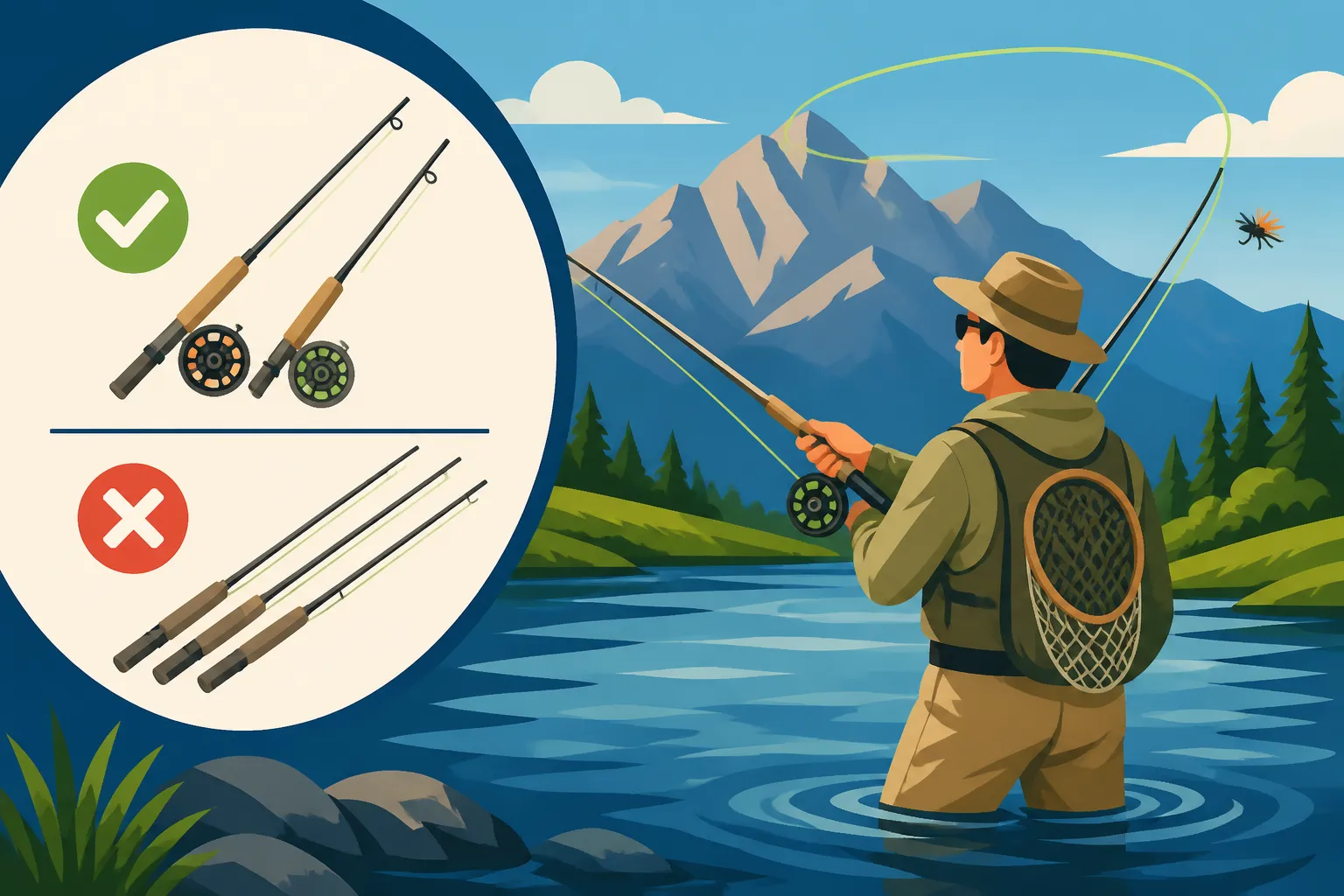
Generally speaking, when you purchase a standard Wyoming fishing license, it grants you the privilege to fish with one rod and one line. This is the baseline, the default rule that applies almost everywhere you go in the state. Whether you're fly fishing a pristine mountain stream or casting lures from the bank of a reservoir, that single rod is your primary tool. This rule is in place for several reasons, primarily to manage angler impact on fish populations, prevent overcrowding, and ensure a more sporting and equitable experience for everyone on the water. It’s about being present with your single line, actively participating in the fishing process, rather than passively deploying multiple setups. This basic understanding is crucial for all anglers, and it's something you'll find detailed in any copy of the official Wyoming Fishing Regulations Every Angler Should Know booklet.
The Special Two-Pole Fishing Stamp: A Game Changer
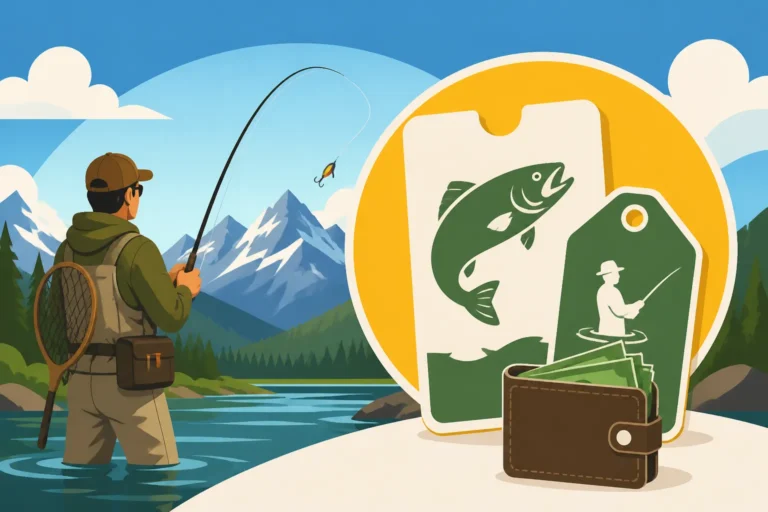
Now, here's where the "two-pole" part comes in. Wyoming understands that sometimes, especially on larger lakes and reservoirs where you might be targeting different species or fishing various depths, using a second rod can be incredibly beneficial. That's why they offer a special "Two-Pole Fishing Stamp." This isn't just an informal permission; it's a legitimate add-on to your standard fishing license. Think of it as an upgrade that expands your fishing capabilities within specified parameters. Without this stamp, having a second rod deployed in the water, even if you're actively tending to it, is a violation. The stamp acts as your official authorization from the Wyoming Game and Fish Department (WGFD) to use two rods and lines simultaneously, but it's important to remember that it doesn't apply everywhere, as we'll discuss later.
Eligibility and Cost for the Two-Pole Stamp
The good news is that both Wyoming residents and nonresidents are eligible to purchase the Two-Pole Fishing Stamp. It's an additional fee on top of your regular fishing license. For the current year, the Two-Pole Stamp costs a modest sum, making it a very accessible option for most anglers. For example, the Wyoming Conservation Stamp Cost is a separate requirement, but the two-pole stamp is specifically for the privilege of using that extra rod. You can typically purchase this stamp when you buy your annual, daily, or five-day fishing license through the WGFD website, their authorized license agents (like tackle shops or sporting goods stores), or at any WGFD office. Just make sure to check the current Wyoming's Annual, Daily and Five-Day License Options to ensure you're getting the right combination for your trip.
It's a small investment that can really enhance your fishing experience, especially if you're planning on spending a good chunk of time on Wyoming's vast waters like Flaming Gorge or Boysen Reservoir. Imagine being able to cast a deep-diving lure on one rod while jigging for walleye on another – the possibilities open up considerably! You won't find the stamp itself on a common online retailer like Amazon, as it's a specific WGFD product. However, you can certainly find an array of supplementary gear like rod holders for your boat or bank fishing setups on Amazon that will make managing two rods much easier once you have your stamp.
Here's a quick look at typical stamp costs (always check the current WGFD regulations for the most up-to-date pricing):
| License Type | Estimated Annual Cost (WY Resident) | Estimated Annual Cost (Nonresident) | Two-Pole Stamp Add-on Cost (Approx.) |
|---|---|---|---|
| Annual Fishing License | ~$30 | ~$125 | ~$18 |
| Daily Fishing License | ~$6 | ~$14 | ~$18 |
| 5-Day Fishing License | N/A | ~$56 | ~$18 |
| Pioneer/Resident Senior (65+) | ~$15 | N/A | ~$18 |
Note: These are approximate costs and subject to change. Always refer to the official Wyoming Game and Fish Department regulations for exact and current pricing.
Why Wyoming Has These Rules: Conservation and Fair Play
Understanding the "why" behind fishing regulations often helps anglers appreciate and comply with them more readily. Wyoming's two-pole rules are rooted deeply in both fish management and angler ethics.
Managing Fish Populations and Angler Pressure
Wyoming boasts some of the most pristine and productive fisheries in the country, home to thriving populations of trout, walleye, salmon, and more. The WGFD's primary mission is to sustain these populations for current and future generations. Allowing an unlimited number of rods per angler could drastically increase the harvest potential and fishing pressure on these resources. Imagine a scenario where every angler on a popular lake is using five rods. The sheer number of lines in the water would likely lead to increased incidental catches, higher harvest rates, and potential for overfishing, especially in waters with sensitive or struggling fish populations. The two-pole limit, therefore, is a carefully calculated compromise that allows anglers some flexibility without unduly stressing the fish populations or making it too easy to exceed bag limits. It's a key tool in maintaining the delicate balance of our aquatic ecosystems.
Promoting Ethical Angling and Reducing Waste
Beyond conservation, these regulations also foster a sense of fair play and ethical angling. When you're managing multiple rods, it's easy for one to go unnoticed, potentially resulting in a "deep-hooked" fish that might not survive release, or even lost tackle that can pollute the environment. The two-pole limit encourages anglers to remain attentive to their lines, promoting responsible catch-and-release practices when appropriate, and ensuring that any fish kept are handled properly.
It also addresses the potential for "hogging" prime fishing spots. If one angler could sprawl out with five or six rods, it would effectively take up a much larger section of shoreline or boat space, reducing access for others. By limiting it to two rods, it ensures a more equitable distribution of fishing opportunities, which is particularly important in popular areas like the North Platte River or the shores of Flaming Gorge. Ultimately, these rules contribute to a more enjoyable and respectful fishing environment for everyone sharing Wyoming's waters.
Navigating Water-Specific Multi-Rod Regulations
While the Two-Pole Stamp is generally applicable across many Wyoming waters, it's absolutely crucial to understand that there are exceptions. Not all waters are created equal when it comes to multi-rod fishing.
Rivers, Streams, and Designated Fly-Fishing Areas
Here's a critical point that trips many anglers up: the Two-Pole Fishing Stamp typically applies to lakes and reservoirs, not to rivers and streams, especially those designated as trout or fly-fishing only waters. On most rivers and streams in Wyoming, regardless of whether you have the two-pole stamp, you are restricted to using only one rod and one line. This is largely due to the nature of river fishing, where active casting, wading, and presentation are paramount. Multiple lines in a flowing river can quickly lead to tangles, snagging, and interference with other anglers.
You'll find very specific regulations for renowned river systems like the North Platte, the Snake River, and the Green River, where a single-rod approach is the standard, and often, only artificial flies or lures are permitted. For example, some sections of the North Platte River, famous for its trophy trout, even have Barbless Hook Requirements on the North Platte River, further indicating a focus on specific, ethical angling methods. Always consult the specific water regulations in the official WGFD booklet before heading out to a river or stream.
Exceptions in National Parks and Tribal Waters
Another very important consideration is fishing within national parks or on tribal lands. These areas often operate under their own distinct set of regulations, which can supersede Wyoming state laws. For instance, if you're planning on Fishing Rules Inside Yellowstone National Park or Fishing Rules Inside Grand Teton National Park, you'll need to obtain a separate fishing permit from the National Park Service, and their regulations will dictate the number of rods you can use. Typically, national parks have stricter rules, often limiting anglers to a single rod and line.
Similarly, if you venture onto tribal lands, such as the Wind River Indian Reservation, state licenses and stamps are usually not valid. You'll need to purchase a specific tribal fishing permit, and those permits will outline their own rules regarding rod limits, species, and seasons. It's imperative to research and respect these specific regulations. You can learn more about this in our guide on Fishing Wyoming's Tribal Waters and Wind River Reservation Rules. Never assume that your Wyoming state license and two-pole stamp automatically grant you permission to fish with multiple rods in these special management areas.
Specific Reservoir Considerations
While reservoirs are generally where the two-pole stamp shines, there can still be localized exceptions. It’s rare, but some smaller reservoirs or specific sections of larger ones might have special regulations due to unique management goals or sensitive fish populations. These exceptions are usually clearly marked on signage at access points or detailed in the "Special Regulations" section of the WGFD fishing regulations booklet. When you're Reading the Wyoming Fishing Regulations Booklet, pay close attention to any water-specific rules that might override the general two-pole allowance. For instance, a reservoir known for a delicate population of a particular species might temporarily restrict multi-rod use to reduce pressure.
Therefore, even if you're planning a trip to a well-known reservoir like Seminoe or Glendo, it's always a good practice to quickly scan the regulations for that specific body of water. This diligent check can save you from a potential violation and ensure a smooth, enjoyable day on the water.
Practical Tips for Fishing with Multiple Rods
Okay, so you've got your two-pole stamp and you're heading to a permitted lake or reservoir. Now what? Using two rods effectively isn't just about having them; it's about managing them properly.
Gear Considerations for Effective Multi-Rod Fishing
Having the right gear makes a huge difference when you're juggling two rods. First off, consider your rod holders. For boat anglers, sturdy, adjustable rod holders are essential. You can find excellent options on Amazon from brands like Scotty or Cabela's that mount easily to your boat and keep your rods secure, even when trolling or battling a fish on the other line. For bank anglers, portable rod holders that stake into the ground or stand independently are invaluable. This prevents your second rod from being pulled into the water by a sudden strike or simply falling over.
Secondly, think about your tackle setup. You might want to dedicate one rod to a specific technique, like trolling a deep-diving crankbait for lake trout, and the other to jigging a spoon for walleye. Or, use one for bait fishing (PowerBait for rainbows) and the other for casting lures. This variety increases your chances and lets you experiment. Make sure both reels are spooled with adequate line and that your leaders and knots are strong. Having a tackle box well-organized with easily accessible lures, weights, and hooks for both setups will save you a lot of fumbling. You can find multi-compartment tackle boxes on Amazon designed to keep your gear separate and neat.
Finally, consider your comfort. A good fishing chair, especially for bank fishing, can make tending two rods much more enjoyable. A portable cooler for drinks and snacks, easily within reach, also adds to the convenience. Remember, you'll be slightly more occupied, so having essentials close by is key.
Safety and Courtesy on the Water
When you're fishing with two rods, safety should always be a priority. Be extra mindful of your surroundings. If you're in a boat, ensure your rods aren't obstructing pathways or creating trip hazards. If you're bank fishing, be aware of other anglers. Don't cast so wide with your second rod that you interfere with someone else's space or risk tangling lines. A good rule of thumb is to maintain a respectful distance from others, especially when deploying multiple lines.
Always have a net easily accessible. When one rod gets a bite, you'll need to secure that fish quickly, sometimes while your other rod might also be active. A large, long-handled net is a lifesaver in these situations. If you're practicing catch-and-release, handle the fish carefully and get it back in the water as quickly as possible. Being prepared and courteous ensures that using multiple rods enhances your experience without detracting from anyone else's.
Managing Your Catch and Possession Limits
The Two-Pole Stamp allows you to fish with two rods, but it absolutely does not double your daily bag limits or possession limits. This is a critical distinction! If the daily limit for rainbow trout is, say, four fish, you can still only keep four fish, regardless of whether you caught them on one rod or two. The same goes for the statewide Wyoming's Combined Possession Limit Explained, which dictates how many fish you can have in your possession after multiple days of fishing.
You must remain vigilant and responsible for your catch. Keep track of how many fish you've kept and ensure you immediately cease fishing for that species once you've reached your limit. This is where a clear understanding of Understanding Wyoming's Daily Bag Limits by Species becomes indispensable. Failing to adhere to bag and possession limits, even inadvertently, can lead to serious penalties. So, enjoy the enhanced fishing opportunity, but always fish within the legal harvest constraints.
What Happens If You Break the Rules?
Fishing regulations are in place for a reason, and ignoring them, even out of ignorance, can lead to unpleasant consequences. It's far better to be informed than to face the repercussions.
Fines and Legal Ramifications
Fishing with more than one rod without the appropriate Two-Pole Fishing Stamp, or using two rods in waters where it's prohibited, is a violation of Wyoming state law. This isn't a minor infraction that law enforcement shrugs off. If a Wyoming Game and Fish Department game warden or other law enforcement officer observes you fishing illegally with multiple rods, you can expect to receive a citation.
The typical penalties can include a significant monetary fine, which can range from a few hundred dollars or more, depending on the severity and whether it's a first offense. In addition to fines, you might have your fishing gear confiscated, and in more serious or repeat cases, your fishing license could be suspended or even revoked. Imagine losing your privilege to fish in Wyoming for a period, or even permanently, all because you didn't purchase an inexpensive stamp or check the specific water regulations. It’s simply not worth the risk. Our guide on Fines and Penalties for Common Fishing Violations details the broader implications of such infractions.
Protecting Wyoming's Fisheries for Future Generations
Beyond the personal financial and legal consequences, violating fishing regulations has a broader impact on Wyoming's natural resources. Every regulation, including those concerning rod limits, is designed to ensure the health and sustainability of our fisheries. When regulations are flaunted, it puts additional stress on fish populations, can lead to localized overfishing, and undermines the extensive conservation efforts undertaken by the WGFD and dedicated angler groups.
The game wardens aren't out there just to give tickets; they are vital stewards of Wyoming's wildlife and wild places. Their job is to enforce these rules to protect the fish, the habitats, and the integrity of the sport itself. By understanding and complying with all fishing regulations, including those for multiple rods, every angler contributes to the long-term health and abundance of Wyoming's world-class fishing opportunities for ourselves, our children, and generations to come. Always carry your license and any required stamps, either physically or digitally, as outlined in Carrying Your Wyoming Fishing License in the Field.
Disclaimer
The information provided in this guide is for general informational purposes only and is subject to change. While we strive to provide accurate and up-to-date content, fishing regulations, license costs, and specific water rules can be updated by the Wyoming Game and Fish Department at any time. It is the angler's sole responsibility to consult the most current official Wyoming Fishing Regulations booklet or the Wyoming Game and Fish Department website before engaging in any fishing activities. Compliance with all applicable federal, state, and local regulations is mandatory.